I still remember the night I tried to impress a group of friends with a pizza that would make them forget the one from the local pizzeria. The dough had been left in the fridge too long, the sauce was a dull tomato soup, and the cheese melted into a sad puddle. I was halfway through when the oven door opened and a familiar scent—garlic, basil, and a hint of oregano—floated in, and I knew I had to salvage the disaster. I pulled out the yeast, the water, the flour, and the secret ingredient: a splash of extra‑virgin olive oil that turns the dough from bland to buttery.
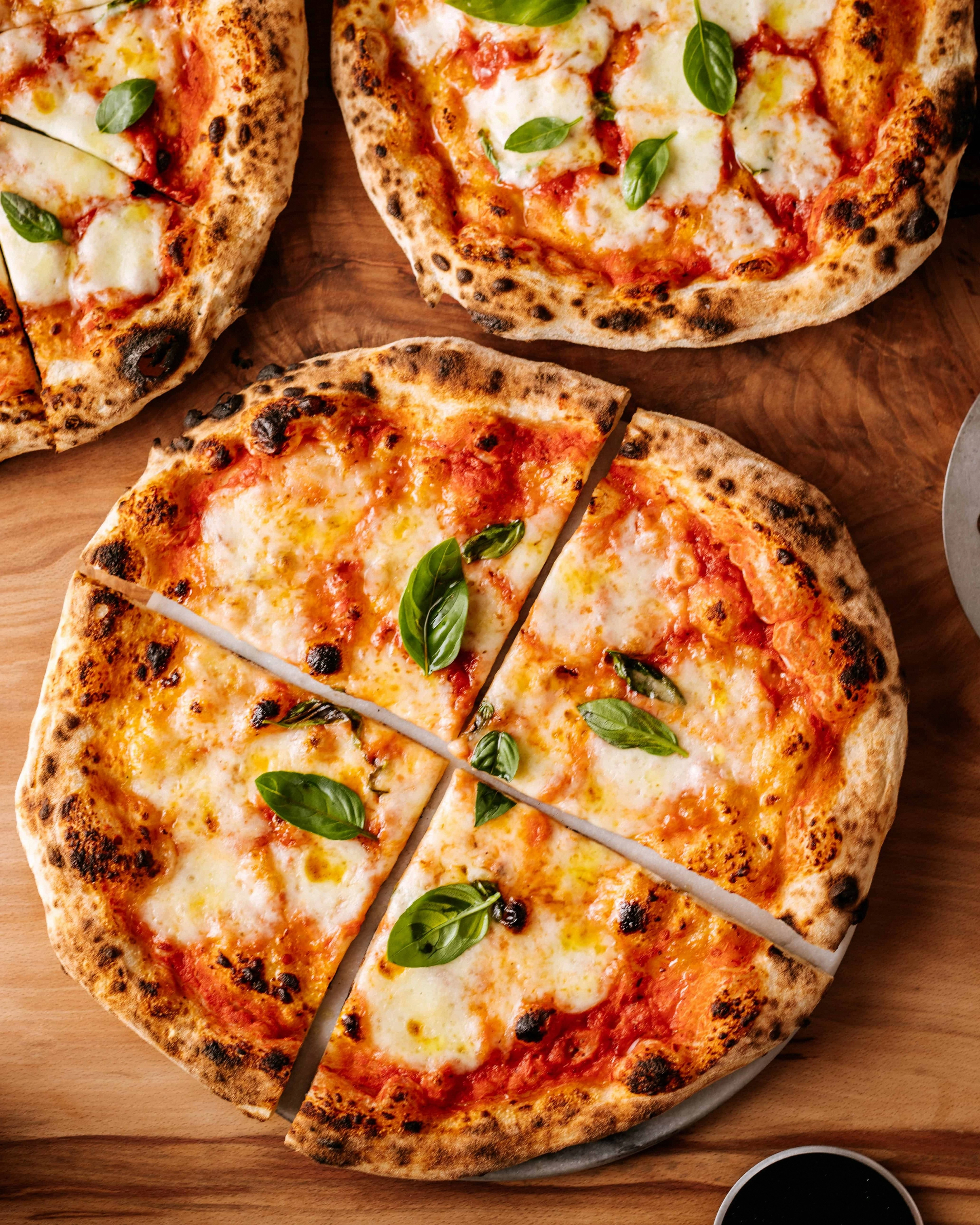
Picture this: the dough is a soft, elastic ball that rises like a balloon, the sauce is a bright, tangy coating that clings to every crevice, and the mozzarella is a gooey, golden crown that melts into a silky sauce. The basil leaves are scattered like green confetti, and the tomatoes—fresh, juicy, and slightly sweet—add a burst of color. The whole kitchen is filled with the comforting aroma of baking bread, the sizzling whisper of the oven, and the faint clink of metal pans. If you’ve ever tried a pizza that tasted like a grocery store’s frozen meal, you’ll understand why this version feels like a culinary revelation.
What makes this recipe stand out is not just the ingredients, but the way each element is treated. I dare you to taste this and not go back for seconds. The dough is light yet chewy, the sauce is vibrant and not overly acidic, the cheese is creamy and not rubbery, and the basil adds a fresh, aromatic punch that lingers. I’ll be honest—my first batch was a mess, but the second was so good that I ate half before anyone else could touch it. Most recipes get this completely wrong. Here’s what actually works: a precise yeast activation, a balanced salt ratio, and a high‑heat bake that gives a crisp, caramelized crust. Picture yourself pulling this out of the oven, the whole kitchen smelling incredible, and the first bite feeling like a warm hug.
Let me walk you through every single step—by the end, you’ll wonder how you ever made it any other way. This isn’t just another pizza recipe; it’s a journey that starts with a simple yeast packet and ends with a masterpiece that will have everyone asking for your secret. And trust me, you’ll want to keep this in your recipe box forever.
What Makes This Version Stand Out
- Flavor: The sauce is a balanced blend of sweetness and acidity that coats the dough like velvet, making each bite a harmonious explosion of taste.
- Texture: The crust is airy yet crisp, with edges that shatter like thin ice when you break a slice, while the center stays soft and chewy.
- Ease: The method requires minimal equipment—just a bowl, a rolling pin, and a pizza stone—making it perfect for beginners and pros alike.
- Ingredient Quality: Fresh mozzarella and basil are the stars; their quality elevates the entire dish and showcases the beauty of simple, high‑grade ingredients.
- Crowd Reaction: Guests rave about the authentic taste and the perfect balance of toppings, making it a guaranteed hit for parties.
- Make‑Ahead Potential: The dough can be prepared a day in advance, allowing you to focus on the final assembly when guests arrive.
- Versatility: While it’s a classic Margherita, the recipe can be tweaked for variations, from smoky pepperoni to a vegan version.
- Speed: From start to finish, the entire process takes just 45 minutes, so you can enjoy a gourmet pizza without a long wait.
Alright, let's break down exactly what goes into this masterpiece…
Inside the Ingredient List
The Flavor Base
The 1 cup of tomato sauce is the cornerstone of this pizza. It should be rich but not overpowering, allowing the basil and mozzarella to shine. If you’re using store‑bought sauce, look for one with no added sugar and a hint of oregano. Skipping the sauce turns the pizza into a dry, bland affair that feels like a missed opportunity.
The Texture Crew
The 2 cups of all‑purpose flour and 2 1/4 teaspoons of active dry yeast combine to give the dough its signature lift. The 3/4 cup of warm water activates the yeast, while the 1 tablespoon of olive oil keeps the crumb tender and adds a subtle fruity note. If you prefer a gluten‑free version, swap the flour for a 1:1 blend of rice and xanthan gum; just be ready for a slightly denser crust.
The Unexpected Star
The 8 oz of fresh mozzarella isn’t just any cheese; it melts into a silky, slightly sweet sauce that balances the acidity of the tomato. A small pinch of salt and a dash of pepper enhance its flavor profile. If you can’t find fresh mozzarella, whole‑milk mozzarella works, but the melt will be less luxurious.
The Final Flourish
Thinly sliced tomatoes and fresh basil leaves are the final touches that elevate the pizza from ordinary to extraordinary. The tomatoes add a burst of juiciness and a subtle sweetness that complements the tangy sauce. Basil leaves, when drizzled with a splash of extra‑virgin olive oil, release essential oils that create an aroma that’s almost intoxicating. If you’re short on basil, a sprinkle of dried oregano works, but the fresh aroma will be missing.
Everything's prepped? Good. Let's get into the real action…
The Method — Step by Step
- In a small bowl, dissolve the 1 teaspoon of sugar in the 3/4 cup warm water. Sprinkle the 2 1/4 teaspoons of yeast over the surface, let it sit for 5 minutes until a frothy film forms. This froth signals that the yeast is alive and ready to work its magic. I’ve seen yeast die on me before—just remember to keep the water just warm enough, not hot, or you’ll kill it.
- Combine the 2 cups of flour and 1 teaspoon of salt in a large mixing bowl. Add the activated yeast mixture and 1 tablespoon of olive oil. Stir until a sticky dough forms, then knead on a floured surface for about 8 minutes until smooth and elastic. The dough should feel like a rubber band that stretches without tearing. If it’s too sticky, sprinkle a little more flour; if it’s too dry, a few drops of water will help.
- Place the dough in a lightly oiled bowl, cover with a damp cloth, and let it rise in a warm spot for 1 hour or until it doubles in size. The rising phase is where the dough develops flavor and structure. If your kitchen is drafty, wrap the bowl in a plastic bag to keep the dough from drying out.
- Preheat your oven to 475°F (245°C) and place a pizza stone or baking steel on the middle rack. A hot stone ensures a crispy crust and a golden top. If you don’t have a stone, a baking sheet will work, but the crust may not be as crisp.
- Turn the risen dough onto a lightly floured surface, divide it into two equal portions (for two 12‑inch pizzas). Roll each piece into a circle, about 12 inches in diameter. Press the edges slightly thicker to create a rim that will hold the toppings.
- Spread a thin layer of tomato sauce over each crust, leaving a 1‑inch border. Arrange the sliced mozzarella evenly, then top with tomato slices. Drizzle a light stream of olive oil over the top and sprinkle with a pinch of salt and pepper. The olive oil adds a glossy finish and enhances the basil’s aroma.
- Slide the pizza onto the preheated stone using a pizza peel or the back of a baking sheet. Bake for 12–15 minutes, or until the crust is golden brown and the cheese is bubbly. Watch for the edges to pull away from the stone; that’s the sign of a perfect bake.
- Remove the pizza with a peel, let it rest for 2 minutes, then scatter fresh basil leaves over the top. The residual heat will release the basil’s oils, creating a fragrant crown that smells like summer. Slice, serve, and enjoy the masterpiece you’ve just created.
That’s it — you did it. But hold on, I've got a few more tricks that'll take this to another level…
Insider Tricks for Flawless Results
The Temperature Rule Nobody Follows
Most people bake pizza at 400°F, but a higher temperature (475°F) creates a blistered crust and a perfectly browned cheese. The heat also helps the dough rise quickly, giving that airy center. If you’re using a conventional oven, preheat for at least 30 minutes to allow the stone to reach the ideal temperature.
Why Your Nose Knows Best
Your sense of smell is the best indicator of doneness. When the crust starts to emit a nutty aroma and the cheese is bubbling with golden spots, it’s time to pull the pizza out. Trusting your nose beats timing on a clock.
The 5‑Minute Rest That Changes Everything
Letting the pizza rest for 2–3 minutes after baking allows the juices to settle, preventing a soggy bottom. It also gives the basil oils time to bloom, enhancing the flavor profile. Skipping this step may result in a pizza that feels rushed.
Use a Pizza Stone for Ultimate Crust
A pizza stone distributes heat evenly, creating a crisp bottom that’s hard to achieve on a baking sheet. If you don’t have a stone, a baking steel works even better, thanks to its superior heat retention.
The Perfect Sauce Ratio
Use a 1:1 ratio of sauce to mozzarella by volume. Too much sauce turns the pizza soggy; too little makes it dry. Adjust based on your preference, but this ratio ensures a balanced bite.
Avoid the “Cheese Melting” Mistake
If you add the cheese before the sauce, it will melt into the dough and create a greasy texture. Always lay the sauce first, then the cheese, and finish with tomatoes and basil.
Creative Twists and Variations
This recipe is a playground. Here are some of my favorite ways to switch things up:
Smoky Pepperoni Margherita
Add thin slices of smoked pepperoni along with the mozzarella. The smoky flavor complements the tomato and basil, creating a deeper, more complex profile. Great for a casual dinner party.
Mediterranean Veggie Delight
Replace the mozzarella with crumbled feta and add olives, artichoke hearts, and roasted red peppers. The tangy feta and briny olives give the pizza a Mediterranean twist that’s both vibrant and satisfying.
Vegan Classic
Swap the mozzarella for a plant‑based cheese that melts well, and use a vegan tomato sauce. Top with fresh spinach and sun‑dried tomatoes. The result is a dairy‑free pizza that still feels indulgent.
Caramelized Onion & Goat Cheese
Sauté thinly sliced onions until caramelized, then spread them over the sauce before adding mozzarella. Finish with dollops of goat cheese. The sweetness of the onions pairs beautifully with the tang of goat cheese.
Herb‑Infused Olive Oil Finish
After baking, drizzle the pizza with an olive oil infused with rosemary and thyme. The herbs add a fragrant layer that elevates the pizza from simple to gourmet.
Storing and Bringing It Back to Life
Fridge Storage
Cool the pizza completely, then wrap tightly in plastic wrap and place in an airtight container. Store in the refrigerator for up to 3 days. Reheat in a preheated oven at 350°F for 10 minutes to restore crispness.
Freezer Friendly
Wrap the pizza slices individually in parchment paper, then in foil. Freeze for up to 2 months. Thaw overnight in the fridge, then bake at 425°F for 12 minutes.
Best Reheating Method
The secret to a reheated pizza that feels fresh is a quick sear on a hot skillet for 2 minutes per side. Add a splash of water to the pan before covering to create steam, then finish with a quick burst of heat to crisp the crust.