I still remember the first time I made cranberry orange glazed chicken—it was one of those frantic weeknights when the fridge looked like a crime scene and my stomach was staging a revolt. I had a bag of cranberries left over from Thanksgiving that had been giving me the stink eye every time I opened the produce drawer, two sad chicken breasts that were about to cross the line from "perfectly fine" to "questionable science experiment," and one glorious orange rolling around like it owned the place. In a moment of desperation (or genius, depending on who you ask), I tossed them all together with some honey and soy sauce, crossed my fingers, and hoped for the best. The smell that wafted through my kitchen fifteen minutes later was so intoxicating that my neighbor actually knocked on my door to ask what I was making—and whether she could have some.
That first bite was a revelation. The cranberries had burst into this jewel-toned sauce that coated the chicken like liquid rubies, while the orange zest danced through every mouthful with its bright, citrusy swagger. The sweet-tart balance hit that perfect note that makes your taste buds sit up and pay attention, like they're watching the season finale of their favorite show. My husband, who normally approaches new recipes with the enthusiasm of someone getting a root canal, actually did a little happy dance in his chair—and trust me, this man does not dance. I knew I had stumbled onto something special, something that would become a regular in our dinner rotation, something that would make me look like a culinary rockstar while secretly being almost embarrassingly easy.
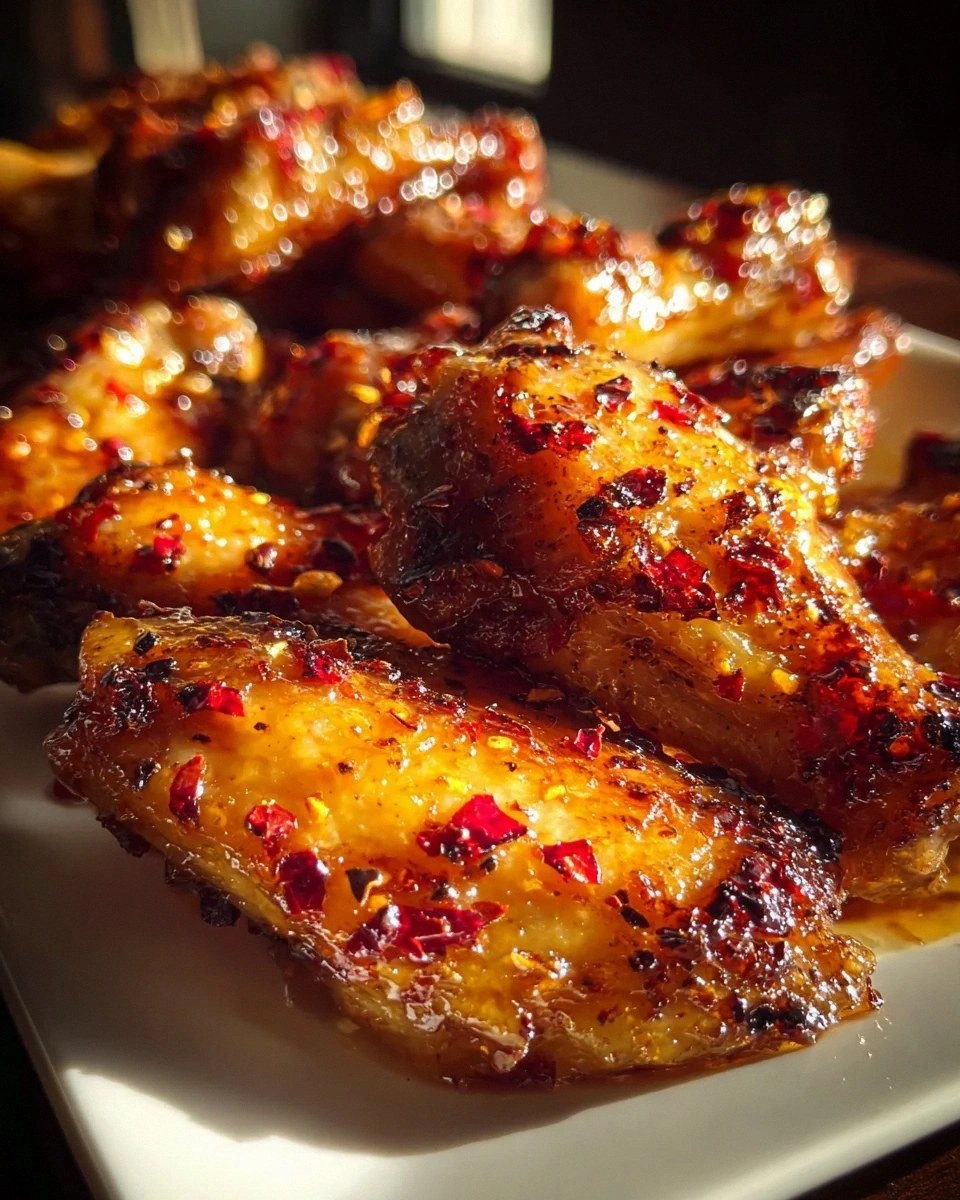
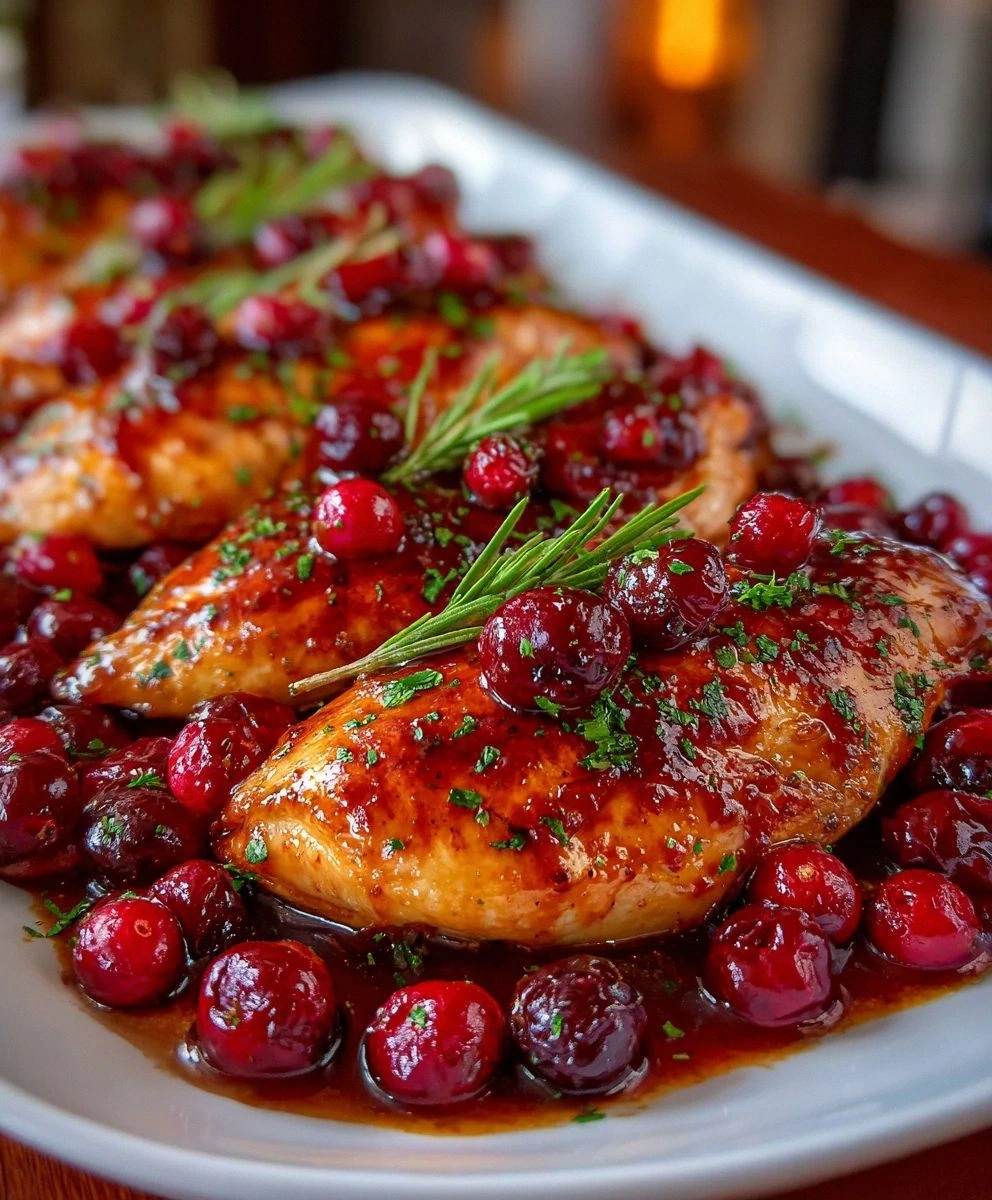
Here's the thing about most cranberry orange chicken recipes floating around the internet—they either taste like dessert threw up on your dinner plate, or they're so bland you wonder why they even bothered with the cranberries at all. They miss that crucial balance, that tightrope walk between sweet and savory that makes this combination absolutely magical when done right. My version fixes all of that. We're talking about chicken that's juicy and tender on the inside with gorgeous caramelized edges, swimming in a glaze that should probably be illegal in several states because it's that good. The sauce reduces down to this sticky, glossy perfection that clings to every nook and cranny of the chicken, creating these little pockets of flavor that explode in your mouth like edible fireworks.
Picture yourself pulling this out of the oven, the whole kitchen smelling like a winter farmer's market had a beautiful accident with a French bistro. The cranberries have popped and melted into this gorgeous magenta sauce that's bubbling away like molten lava, while the orange zest has perfumed the air with its essential oils. Your family starts drifting into the kitchen like zombies drawn to fresh brains, sniffing the air and asking that eternal question: "Is it ready yet?" And here's the kicker—this whole masterpiece comes together in under 45 minutes, uses ingredients you probably already have lurking in your kitchen, and looks so impressive that everyone will assume you either went to culinary school or have secretly been studying under a French grandmother. Let me walk you through every single step—by the end, you'll wonder how you ever made it any other way.
What Makes This Version Stand Out
- Taste Bomb: Most recipes drown the cranberries in sugar until they taste like candy. My version lets those tart little jewels keep their personality, balanced with just enough honey to make them sing rather than scream. The result is a complex, sophisticated flavor that makes your mouth do a happy dance.
- Texture Paradise: We're talking about chicken that's seared to golden perfection with edges that shatter like thin ice under your fork, then bathed in a glaze that coats every bite like velvet. The cranberries break down just enough to create this luscious sauce while still maintaining tiny pockets of pop that burst between your teeth.
- Weeknight Warrior: From fridge to plate in 45 minutes flat, this recipe doesn't mess around. While the chicken's searing, you're already reducing the glaze. By the time your rice is done (because you'll definitely want something to soak up that sauce), dinner's ready. No marinating overnight, no special equipment, no culinary degree required.
- Unique Factor: Everyone and their grandmother makes orange chicken, but cranberry orange? That's like finding a unicorn in your backyard. The combination feels both familiar and excitingly new, like your favorite sweater that suddenly has sequins on the sleeves.
- Crowd Control: I've served this to picky toddlers, skeptical teenagers, and food-snob friends who normally turn their noses up at anything that didn't come from a Michelin-starred restaurant. They all clean their plates and ask for seconds. I dare you to taste this and not go back for seconds.
- Ingredient Integrity: This recipe celebrates each component rather than drowning them. The orange zest gets added at two different stages for maximum impact, the cranberries are treated like the stars they are, and even humble garlic powder gets its moment to shine rather than being an afterthought.
- Make-Ahead Magic: The glaze actually improves after a day in the fridge, melding into this harmonious symphony of flavors. Make the sauce on Sunday, and you've got a week of dinners that taste like you spent hours slaving away. I'll be honest — I ate half the batch before anyone else got to try it, and I have zero regrets.
Alright, let's break down exactly what goes into this masterpiece...
Inside the Ingredient List
The Flavor Foundation
Let's start with the chicken because, contrary to what some recipes might imply, not all chicken is created equal. I'm talking about those beautiful boneless, skinless chicken breasts that look like they were sculpted by someone who really understands the art of poultry. They're the perfect canvas for our glaze—tender enough to soak up every drop of that ruby-red sauce, but sturdy enough to hold their own against the bold flavors we're about to throw at them. When you're standing at the meat counter, look for breasts that are roughly the same size and thickness; this isn't the time to play favorites with the jumbo one that's clearly been hitting the gym while its siblings stayed home.
The fresh cranberries are where the magic really happens, and here's where most recipes get it wrong. They treat these tart little powerhouses like they're just red grapes with an attitude problem, but cranberries are so much more. When they hit the heat, they undergo this incredible transformation—bursting open like tiny fireworks, releasing pectin that naturally thickens our sauce, and creating these gorgeous pockets of intense flavor. Don't you dare substitute dried cranberries here; they're like the washed-up cover band version of the real thing. Fresh cranberries keep their structure, their tang, and their ability to make your taste buds stand up and salute.
The Citrus Symphony
Orange juice and zest are about to become your new best friends, and I'm going to let you in on a secret that will change your cooking game forever. The zest contains the orange's essential oils—those aromatic compounds that make up about 80% of what we actually "taste" when we eat citrus. The juice provides the bright acidity, but the zest? That's where the perfume lives, the sunshine, the essence of everything that makes oranges magical. I add it at two different stages because I'm greedy for that orange flavor, and you should be too. Pro tip: zest your orange before you juice it. Trying to zest a naked, squished orange is like trying to shave a balloon—technically possible, but why make life harder than it needs to be?
The Sweet and Savory Balance
Honey isn't just here to sweeten the deal—it's bringing its own complex flavor party to this gathering. Depending on what flowers the bees visited, your honey could have notes of clover, orange blossom, wildflower, or even buckwheat. This isn't the place for that plastic bear filled with mystery syrup that's been in your pantry since the Clinton administration. Spring for the good stuff, the raw honey that still has pollen grains and personality. It will add depth that white sugar could only dream of, plus it helps create that gorgeous glossy finish that makes this dish look like it belongs on a magazine cover.
Soy sauce might seem like the odd one out in this fruit-forward fiesta, but trust me on this one. It's bringing the umami, that mysterious fifth taste that makes everything more savory and complex. It's like the bass player in a rock band—you might not immediately notice it's there, but take it out and suddenly the whole song falls flat. The saltiness also helps balance the sweetness from the honey and the tartness from the cranberries. It's the peacekeeper in this flavor United Nations, ensuring everyone plays nicely together.
The Supporting Cast
Olive oil is here to work, not to make a fashion statement. Save your fancy finishing oil for salads; this is the time for your everyday workhorse that can handle high heat without breaking down and turning bitter. You're looking for something that will create a gorgeous golden crust on the chicken while keeping the inside juicy and tender. The oil also helps carry all those fat-soluble flavors from our spices and aromatics, distributing them evenly throughout the dish like a culinary Uber driver.
Dijon mustard is the sophisticated cousin of yellow mustard, and it's about to elevate this whole operation from "pretty good" to "how did you make this?" It adds tang, complexity, and helps emulsify the sauce so it doesn't separate into an oily mess. The French have known this for centuries, which is probably why they seem so smug about their cooking. Don't skip it even if you think you hate mustard—the heat mellows it out, and it just adds this background note that makes people say, "I can't quite place it, but this is incredible."
Everything's prepped? Good. Let's get into the real action...
The Method — Step by Step
Start by patting your chicken breasts dry with paper towels like you're giving them a tiny spa treatment. Moisture is the enemy of browning, and we want these babies to develop a gorgeous golden crust that would make a French chef weep with joy. Season both sides generously with salt and pepper—be brave here, chicken can handle more seasoning than you think. Heat your olive oil in a large skillet over medium-high heat until it shimmers like a mirage on a hot summer day. The oil should move like water when you tilt the pan, but not smoke like it's auditioning for a barbecue competition.
Gently lay the chicken in the pan away from you (because nobody wants hot oil splattered on their favorite shirt), and listen for that satisfying sizzle that tells you the pan is properly hot. Don't crowd the pan—if you're making more than four breasts, work in batches like a professional. Let them cook undisturbed for 5-6 minutes, resisting the urge to poke, prod, or otherwise harass them. When the edges start turning opaque and the bottoms are golden brown like a perfectly toasted marshmallow, flip them over and cook for another 4-5 minutes. Transfer to a plate to rest while we work on the glaze.
Okay, ready for the game-changer? Reduce the heat to medium and toss those gorgeous fresh cranberries into the same pan. Don't you dare wash it first—all those beautiful browned bits (fond, in chef-speak) are pure flavor gold. The cranberries will start popping like tiny fireworks, releasing their juices and creating a sauce that looks like liquid rubies. Stir them gently with a wooden spoon, coaxing them to release their treasures while scraping up all those caramelized chicken bits.
Add the orange juice, honey, soy sauce, Dijon mustard, and half the orange zest to the pan, stirring to combine everything into a gorgeous magenta sauce. The honey will want to stick to the bottom like a stubborn toddler, but keep stirring and it will dissolve into the liquid. Bring this mixture to a gentle simmer and let it bubble away for about 3-4 minutes, stirring occasionally. The sauce will start to thicken as the cranberries break down completely and their natural pectin works its magic.
Nestle the chicken breasts back into the pan, spooning some of that glorious sauce over the top like you're tucking them in for a nap. Reduce the heat to low and let everything simmer together for another 5-6 minutes, or until the chicken reaches an internal temperature of 165°F. This is when the magic happens—the chicken absorbs some of the sauce flavors while the glaze reduces to a glossy coating that would make a candy apple jealous.
Remove the pan from heat and let it rest for about 5 minutes. I know you're tempted to dig in immediately (and honestly, I wouldn't judge you), but this brief pause allows the juices to redistribute throughout the chicken and the sauce to thicken to the perfect consistency. Sprinkle with the remaining orange zest and fresh parsley if you're feeling fancy, which you absolutely should because you've just created something spectacular.
Serve this beauty over rice, mashed potatoes, or even creamy polenta—basically anything that can act as a vehicle for that incredible sauce. Don't forget to spoon extra sauce over the top; this isn't the time to be stingy. Garnish with a final sprinkle of orange zest for that professional touch that makes people think you went to culinary school instead of just following a really good recipe.
That's it—you did it. But hold on, I've got a few more tricks that'll take this to another level...
Insider Tricks for Flawless Results
The Temperature Rule Nobody Follows
Here's the thing that separates good chicken from great chicken—temperature control. Most people cook chicken like they're trying to punish it for some unknown crime, cranking the heat to high and ending up with meat that's burnt outside and raw inside. Instead, think of cooking chicken like a gentle persuasion rather than an aggressive confrontation. Start with medium-high heat to get that beautiful sear, then reduce to medium for even cooking. Your chicken should whisper sweet nothings to the pan, not scream in protest. And for the love of all that is holy, get yourself a meat thermometer. Guessing when chicken is done is like playing Russian roulette with food poisoning—eventually, you're going to lose.
Why Your Nose Knows Best
Your sense of smell is your secret weapon in the kitchen, especially with this recipe. When the cranberries start to pop, you should smell something bright and slightly tangy, like a winter morning. If it starts to smell sharp or bitter, you've gone too far. When the honey hits the pan, you want to catch the scent of caramel sweetness, not burnt sugar. Train yourself to cook with your nose as much as your eyes—those aromatic cues will tell you when to move to the next step, when to adjust heat, when something needs stirring. A friend tried skipping this step once—let's just say it didn't end well, and her smoke alarm has never quite recovered.
The 5-Minute Rest That Changes Everything
I know I've mentioned resting the chicken, but this step is so crucial it deserves its own moment in the spotlight. When meat cooks, the juices get all excited and move toward the center. If you cut into it immediately, those juices run out like party guests when someone mentions it's time to help clean up. But give it five minutes of rest time, and those juices redistribute throughout the meat, creating chicken so juicy and flavorful you'll wonder why you ever rushed this step. Cover it loosely with foil to keep it warm, but don't wrap it tight like you're preparing it for a long journey—just a gentle blanket to maintain temperature while the magic happens.
The Sauce Consistency Secret
The difference between a sauce that coats your chicken like liquid velvet and one that puddles sadly at the bottom of the plate is all about timing and temperature. Your sauce should be bubbling gently but enthusiastically when you add the chicken back in—think of a hot tub on a cool night, not a jacuzzi on full blast. If it's just sitting there looking bored, bump up the heat slightly. If it's splattering like an angry cat, turn it down. And here's the real secret: the sauce will continue to thicken as it cools, so pull it off the heat when it's just a touch thinner than you want the final product to be. Future you will thank present you for this foresight.
Creative Twists and Variations
This recipe is a playground. Here are some of my favorite ways to switch things up:
The Spicy Rebel
Add a diced jalapeño to the cranberries for a sweet-heat combo that'll make your lips tingle in the best possible way. Start with half a pepper if you're spice-shy, or go full habanero if you're the type who orders "Thai hot" and asks for extra chili. The capsaicin in the peppers actually helps balance the sweetness from the honey, creating a more complex flavor profile that'll have people asking for your secret. Just remember to wash your hands after handling hot peppers—I've made that mistake once, and my contact lenses have never forgiven me.
The Mediterranean Vacation
Swap the soy sauce for balsamic vinegar and add a handful of chopped fresh rosemary to transport this dish straight to a seaside taverna in Greece. The balsamic brings a deeper, more complex acidity that plays beautifully with the cranberries, while rosemary adds that piney, aromatic note that makes everything taste like you should be eating it on a cliffside overlooking the Aegean. Add some kalamata olives at the end for briny pops of flavor that contrast beautifully with the sweet-tart sauce.
The Cozy Winter Version
Add a cinnamon stick and a few star anise pods to the sauce while it simmers, then remove them before serving. This creates a warm, spiced version that's like wrapping yourself in a fuzzy blanket while sitting by a fireplace. The warming spices complement the orange beautifully, making this perfect for those cold January nights when you need something to chase away the winter blues. Serve it alongside roasted root vegetables for a meal that tastes like hygge on a plate.
The Summer Breeze Edition
Replace half the orange juice with pineapple juice and add some fresh thyme instead of parsley. This lighter, more tropical version is perfect for those July evenings when you want something bright and refreshing but still satisfying. The pineapple juice adds a different kind of sweetness that feels more beach vacation than winter holiday. Throw in some grilled peaches at the end for a dish that screams summer dinner party.
The Fancy Dinner Party Upgrade
Use chicken thighs instead of breasts (more flavor, more forgiving), add a splash of Grand Marnier to the sauce, and finish with a pat of cold butter whisked in for extra richness. This is the version you make when you want to impress your boss or convince your mother-in-law that her precious baby made a good choice in marrying you. Serve it with wild rice and a crisp white wine, and watch everyone assume you've been secretly taking cooking classes.
The Weeknight Pantry Version
If fresh cranberries aren't available (looking at you, July), use frozen ones straight from the freezer—just add an extra minute to the cooking time. No fresh orange? Use 100% orange juice from a carton and add a little extra zest from a lemon to brighten things up. This version might not have quite the same wow factor, but it'll still beat the pants off anything you'd get from a takeout container, and you can make it year-round without hunting for seasonal ingredients.
Storing and Bringing It Back to Life
Fridge Storage
Stored properly in an airtight container, this cranberry orange glazed chicken will keep for up to 4 days in the refrigerator, though honestly, mine has never lasted past day 2 because people keep sneaking pieces straight from the container. The sauce actually improves as it sits, with the flavors melding into something even more harmonious than when you first made it. Store the chicken and sauce together—don't separate them, because the sauce helps keep the chicken moist and flavorful. Let it cool completely before refrigerating, but don't leave it out for more than 2 hours unless you enjoy playing bacterial roulette.
Freezer Friendly
This dish freezes beautifully for up to 3 months, making it perfect for meal prep or those nights when you know you'll need emergency deliciousness. Freeze individual portions in freezer-safe containers or heavy-duty freezer bags (squeeze out as much air as possible). Pro tip: freeze the sauce in ice cube trays, then transfer to a bag—this gives you perfectly portioned sauce cubes that thaw quickly and can be used for everything from glazing other proteins to jazzing up roasted vegetables. Thaw overnight in the refrigerator for best results, though in a pinch, you can use the defrost setting on your microwave.
Best Reheating Method
The key to reheating without drying out the chicken is gentle heat and a little liquid love. Add a splash of orange juice or chicken broth before reheating—this creates steam that helps restore moisture to the chicken. Cover with a microwave-safe lid or damp paper towel if using the microwave, heating in 30-second bursts until just warmed through. For stovetop reheating, place chicken and sauce in a pan with a tablespoon of liquid, cover, and warm over medium-low heat until heated through. Avoid high heat like you'd avoid your ex at the grocery store—it'll just lead to disappointment and rubbery chicken.