I’ll never forget the night my roommate dared me to make a lasagna that could actually pay off the rent. We were half‑asleep, the kitchen lights flickering, and the pantry looked like a war zone after a midnight pizza binge. I grabbed a couple of cans of marinara, a bag of noodles, and a half‑hearted promise that “maybe this will be okay.” The result? A disaster that tasted like a soggy cardboard sheet. I laughed, I cried, and I vowed to reinvent the classic forever. That night sparked the obsession that led me to the “Million Dollar Lasagna” – a version so decadent it feels like you’re paying with gold bars, not grocery store coupons.
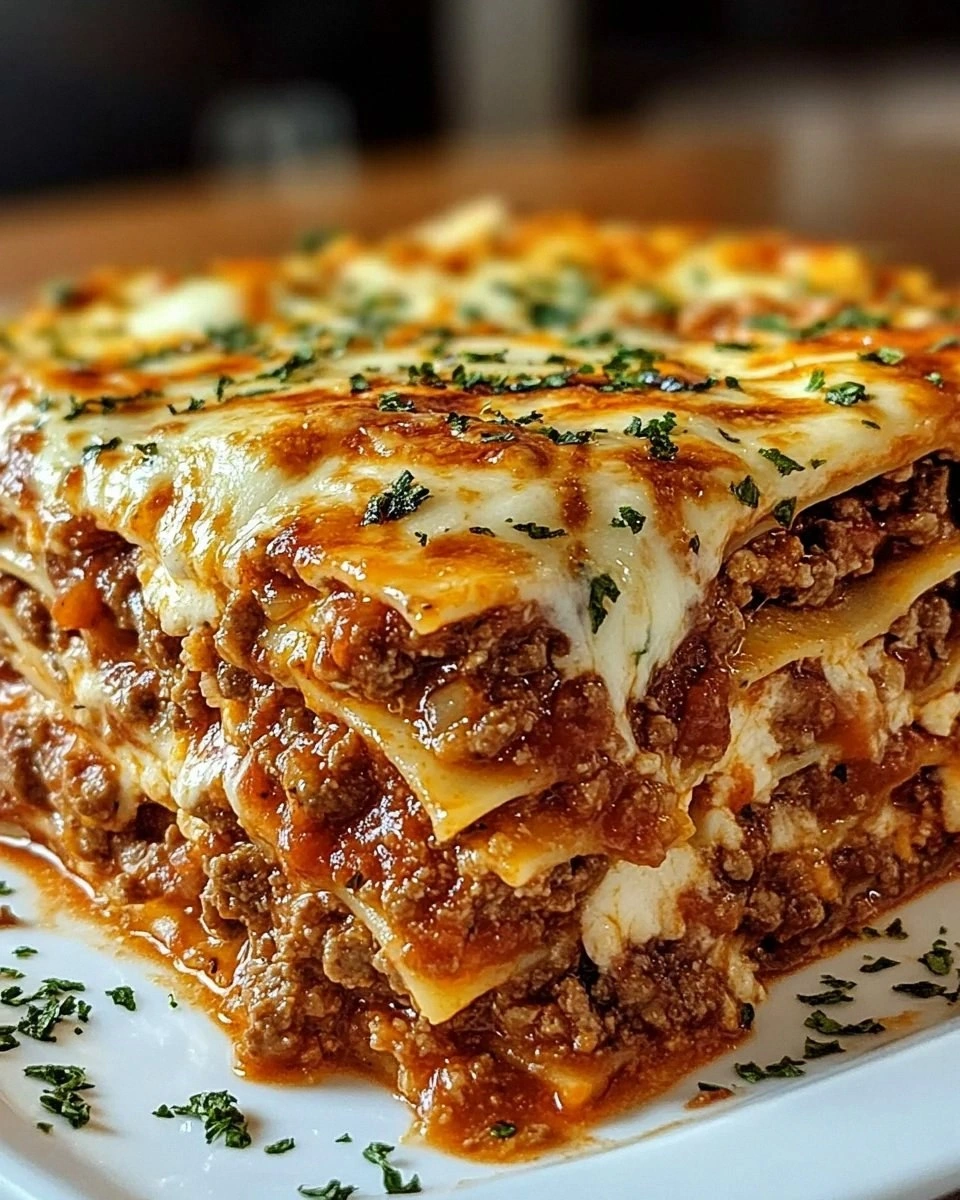
Picture this: the oven door swings open and a cloud of aromatic steam rushes out, carrying whispers of garlic, sweet onion, and a hint of smoky Italian sausage. The cheese on top is bubbling like a volcanic eruption, edges turning a gorgeous caramel‑brown that crackles when you cut into it. The first forkful slides across the plate, the sauce coating the pasta like velvet, while the ricotta‑cream mixture melts into a buttery river that hugs every noodle. Your taste buds do a little dance, the salty parmesan doing a tango with the tangy sour cream, and the ground beef adds a deep, earthy bass line that rounds everything out.
Most lasagna recipes get this completely wrong – they either drown the noodles in sauce or leave the cheese layer dry and crumbly. I’ve tried the “quick fix” versions that call for a single jar of sauce and a sprinkle of shredded cheese, and they end up tasting like a soggy cardboard box. This version, however, is a carefully calibrated symphony of flavors and textures that makes every bite feel like a celebration. I’m talking about a sauce that’s both rich and bright, a cheese blend that’s creamy and tangy, and a noodle foundation that holds everything together without turning mushy.
Now, I’m about to hand you the exact blueprint that turned my kitchen nightmare into a culinary masterpiece. I dare you to taste this and not go back for seconds. Let me walk you through every single step — by the end, you’ll wonder how you ever made it any other way.
What Makes This Version Stand out
- Flavor Explosion: The combination of ground beef, Italian sausage, and a splash of sour cream creates a depth that feels like a gourmet restaurant’s secret sauce.
- Texture Harmony: Cream cheese and ricotta form a silk‑smooth layer while the mozzarella on top gives you that coveted string‑pull that makes every bite photogenic.
- Simple Yet Luxurious: You only need a handful of pantry staples, but the result feels like you spent a small fortune on premium ingredients.
- Crowd‑Pleaser: Whether it’s a family dinner or a potluck, this lasagna consistently clears plates and sparks applause.
- Ingredient Quality: Using high‑quality meat and fresh herbs elevates the dish from “good” to “million‑dollar” status.
- One‑Pan Efficiency: You can assemble everything in a single baking dish, saving time on cleanup without compromising flavor.
- Make‑Ahead Friendly: Assemble the night before, refrigerate, and bake fresh the next day – perfect for busy schedules.
- Versatile Base: The core recipe is adaptable to vegetarian or gluten‑free versions without losing its signature richness.
Inside the Ingredient List
The Flavor Base
Ground beef brings a hearty, meaty foundation that anchors the sauce. It’s the classic choice for a lasagna that wants to feel robust. If you skip it, the sauce loses its depth and can taste flat. Opt for 80/20 lean‑to‑fat ratio for the best flavor without excessive grease. Tip: Look for beef with a bright red color and a fine grain – that indicates freshness.
Italian sausage adds a spicy kick that elevates the entire dish. Whether you choose sweet or hot depends on your palate, but the fennel and peppercorn notes are non‑negotiable for that authentic Italian vibe. If you’re avoiding pork, a chicken or turkey sausage works, though you’ll miss some of the richness.
The Texture Crew
Ricotta (or cottage cheese) is the creamy heart of the cheese layer. It provides a light, fluffy texture that balances the denser mozzarella on top. Skipping ricotta means you lose that airy lift; the lasagna becomes heavy and dense. For a lighter version, substitute with low‑fat cottage cheese, but keep the cream cheese to maintain richness.
Cream cheese and sour cream are the secret weapons that turn ordinary cheese into a velvety dream. The cream cheese adds smoothness, while sour cream injects a subtle tang that cuts through the richness. If you’re dairy‑intolerant, a blend of dairy‑free cream cheese and coconut yogurt can mimic the effect.
The Unexpected Star
Marinara sauce is your shortcut to a deep tomato base without spending hours simmering. Choose a brand that lists whole peeled tomatoes and a modest amount of added sugar. The diced tomatoes add texture and a bright acidity that balances the meat’s richness. If you prefer a fresher taste, replace half the jarred sauce with crushed fresh tomatoes.
Italian seasoning is the herb blend that ties everything together. It typically includes oregano, basil, thyme, and rosemary – the holy trinity of Italian aromatics. Fresh herbs can be used for an even brighter flavor, but the dried mix is more consistent and easier to store.
The Final Flourish
Shredded mozzarella is the crown jewel that creates that gooey, stretchy top layer we all crave. It melts into a golden‑brown crust that crackles when you cut into it. For extra depth, mix part low‑moisture mozzarella with part whole‑milk mozzarella. The Parmesan adds a nutty, salty kick that intensifies the cheese flavor and helps the top layer brown beautifully.
Lasagna noodles are the structural backbone. Traditional boiled noodles give you control over doneness, while no‑boil noodles save time. If you’re gluten‑sensitive, use gluten‑free lasagna sheets – just add a few extra minutes of baking time.
Everything's prepped? Good. Let's get into the real action...
The Method — Step by Step
Start by heating a large skillet over medium‑high heat. Add a splash of olive oil, then toss in the diced onion. Sauté for about 3‑4 minutes until the onions turn translucent and start to caramelize. Pro tip: The moment you hear that gentle sizzle, you know you’re on the right track. Add the minced garlic and let it perfume the air for another 30 seconds – you’ll smell a sweet, nutty aroma that says “we’re building something amazing.”
Increase the heat to high and crumble in the ground beef and Italian sausage. Break the meat apart with a wooden spoon, ensuring there are no large clumps. Cook until the meat is browned all over, about 7‑8 minutes, and the fat has rendered. Watch Out: If the pan gets too hot, the meat will sear and become dry – lower the heat just enough to keep it sizzling without burning.
Stir in the marinara sauce, diced tomatoes, and Italian seasoning. Season with salt and pepper to taste. Reduce the heat to low and let the sauce simmer gently for 15 minutes, stirring occasionally. You’ll notice the sauce thickening and the flavors marrying together – the tomatoes will break down, creating a luscious, velvety texture that coats the back of a spoon.
While the sauce simmers, prepare the cheese mixture. In a large bowl, combine ricotta (or cottage cheese), softened cream cheese, sour cream, the large egg, grated Parmesan, and a pinch of salt. Whisk until smooth and slightly airy. This next part? Pure magic. The egg acts as a binder, giving the cheese layer a firm yet creamy structure that won’t crumble when you slice.
Preheat your oven to 375°F (190°C). Lightly grease a 9×13‑inch baking dish. If you’re using traditional noodles, cook them al dente according to package directions, then drain and lay them flat on a clean kitchen towel to prevent sticking.
Begin layering: start with a thin layer of meat sauce on the bottom of the dish – this prevents the noodles from soaking up too much liquid. Place a single layer of noodles over the sauce, then spread a generous dollop of the cheese mixture. Sprinkle a handful of shredded mozzarella, then repeat the process. Aim for three layers of noodles, three layers of sauce, and two layers of cheese, finishing with a thick blanket of mozzarella and a final drizzle of Parmesan.
Cover the dish tightly with aluminum foil and bake for 25 minutes. Then, remove the foil and continue baking for another 15‑20 minutes, or until the top is bubbling and turns a deep golden‑brown. That sizzle when it hits the pan? Absolute perfection. The cheese should be bubbling at the edges and pulling away in a beautiful, stretchy ribbon.
Let the lasagna rest for at least 10 minutes before cutting. This resting period allows the layers to set, making each slice hold its shape. Picture yourself pulling this out of the oven, the whole kitchen smelling incredible, and the first forkful sliding onto your plate like a velvet curtain. If you’re impatient, you’ll end up with a messier plate, so patience really is a virtue here.
That's it — you did it. But hold on, I've got a few more tricks that'll take this to another level...
Insider Tricks for Flawless Results
The Temperature Rule Nobody Follows
Most home cooks bake lasagna at 350°F, but cranking it up to 375°F creates a slightly quicker caramelization on the cheese top while keeping the interior moist. The higher heat also helps the noodles absorb just enough sauce without becoming mushy. I once tried a lower temperature and ended up with a soggy center that looked like a swamp.
Why Your Nose Knows Best
Instead of relying solely on a timer, trust your nose. When the sauce starts to bubble and you catch a faint sweet‑tomato aroma mingling with the meat, you’re at the perfect simmer point. If you smell a hint of burnt garlic, lower the heat immediately. Your senses are the most accurate kitchen gauge.
The 5‑Minute Rest That Changes Everything
After you pull the lasagna from the oven, resist the urge to dive in. Let it sit, uncovered, for five minutes. This short rest lets the cheese set and the sauce thicken, so each slice stays intact. A friend once sliced immediately and ended up with a sloppy, sauce‑soaked mess – a lesson learned the hard way.
Layering the Cheese Like a Pro
Spread the cheese mixture in dollops rather than a smooth sheet. This creates pockets of creamy goodness that burst when you bite. If you smooth it out, the cheese can become a uniform layer that loses that delightful texture contrast.
The No‑Boil Noodle Secret
If you’re using no‑boil noodles, add an extra ¼ cup of water to the sauce before assembling. The noodles will absorb this moisture during baking, preventing them from staying firm and undercooked. I’ve seen many recipes forget this step, resulting in a crunchy, unpleasant bite.
Creative Twists and Variations
This recipe is a playground. Here are some of my favorite ways to switch things up:
Spinach‑Infused Green Lasagna
Swap half the mozzarella for a blend of mozzarella and fresh spinach. The spinach adds a pop of color and a subtle earthiness that pairs beautifully with the meat sauce. Veggies love this version, and it sneaks extra nutrients into the dish.
Four‑Cheese Extravaganza
Add a layer of grated provolone and a sprinkling of gorgonzola for a bold, tangy kick. The combination of four cheeses creates a melt that’s both creamy and complex, perfect for cheese addicts.
Mediterranean Veggie Delight
Replace the meat with roasted eggplant, zucchini, and red bell peppers. Use a tomato‑basil sauce and keep the ricotta‑cream cheese blend. This vegetarian version still delivers that luxurious mouthfeel while showcasing fresh garden flavors.
Spicy Chipotle Twist
Stir a tablespoon of chipotle in adobo sauce into the marinara for a smoky heat that cuts through the richness. Top with a dash of smoked paprika for an extra depth of flavor. Perfect for those who love a little fire.
White Lasagna Luxury
Omit the marinara and use a béchamel sauce, sautéed mushrooms, and a splash of white wine. Keep the ricotta‑cream cheese blend, but add a handful of grated Pecorino. This white version feels like an upscale Italian trattoria dish.
Storing and Bringing It Back to Life
Fridge Storage
Let the lasagna cool to room temperature, then cover tightly with foil or plastic wrap. Store in the refrigerator for up to 4 days. When reheating, preheat the oven to 350°F, add a splash of water around the edges, and cover with foil for 20 minutes before uncovering to crisp the top.
Freezer Friendly
Wrap the assembled, uncooked lasagna tightly in plastic wrap, then in aluminum foil. Freeze for up to 3 months. To bake from frozen, increase the oven time by 20‑25 minutes and keep the foil on for the first half of baking to ensure even cooking.
Best Reheating Method
For leftovers, slice a portion, place it on a microwave‑safe plate, and cover with a damp paper towel. Microwave on high for 1‑2 minutes, then finish under a broiler for 2 minutes to restore the crispy cheese top. Adding a tiny splash of water before reheating creates steam that revives the noodles.