I was halfway through a late‑night binge‑watching marathon when my roommate dared me to create a snack that could survive the crunch‑test of a marathon‑session and still taste like a five‑star appetizer. I stared at a lonely tub of cottage cheese, a bag of flour, and a half‑empty pantry, and the idea struck me like a bolt of lightning: what if I turned that humble dairy staple into something that crackles and sings in the mouth? The kitchen filled with the faint hum of the refrigerator, the clatter of a spoon against a glass bowl, and the faint aroma of butter that I’d just melted on the stove. I could already see the golden‑brown edges, the soft, creamy center, and the faint, buttery whisper that makes you close your eyes and sigh.
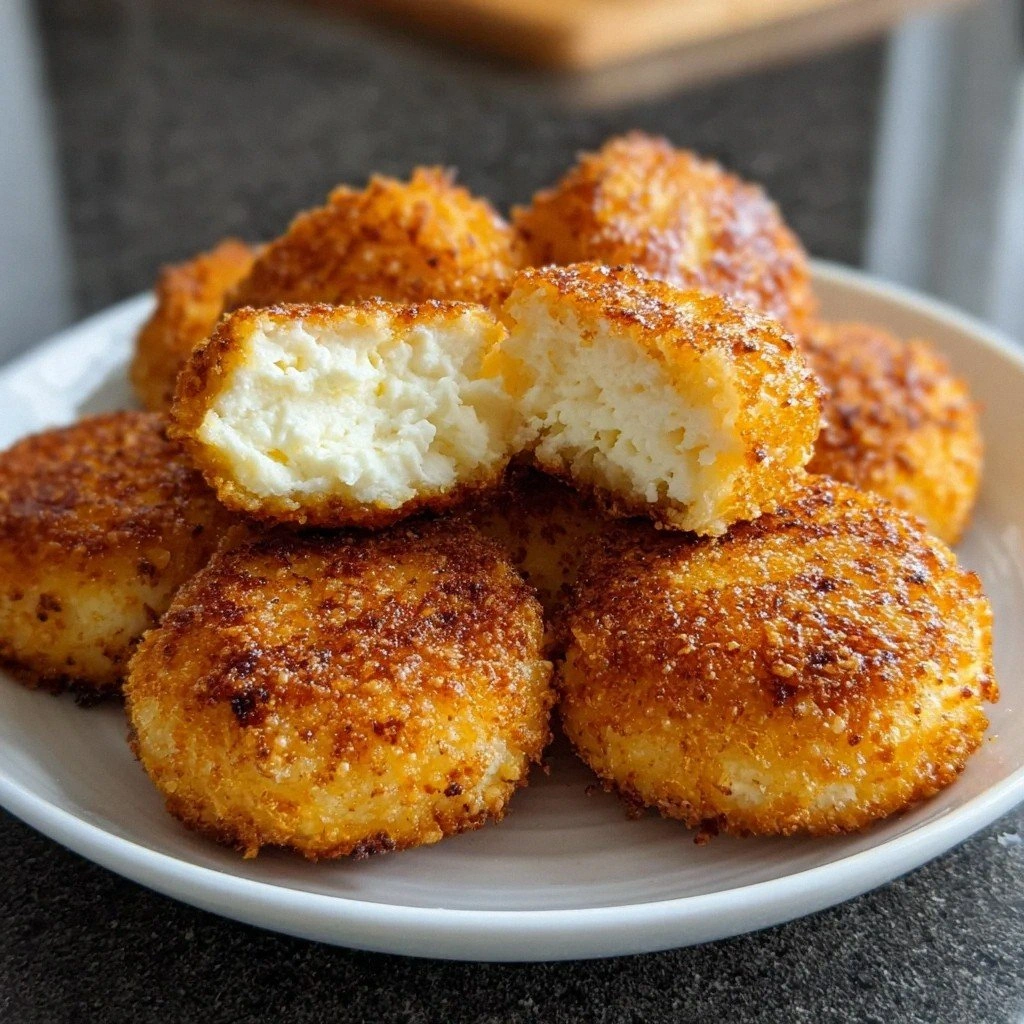
Picture this: a tray of bite‑size pillows, each one glistening with a light coat of oil, the surface speckled with a dusting of herbs, and the first bite delivering a crack that sounds like thin ice shattering under a gentle footfall. The taste? A buttery, tangy burst that instantly awakens every taste bud, followed by a melt‑in‑your‑mouth interior that feels like a cloud made of cottage cheese. The texture contrast is so dramatic that even the most skeptical snack‑eaters are forced to admit, “Okay, this is actually good.” I’m not exaggerating when I say this version outshines every other crunchy cheese snack you’ve ever tried.
Most recipes get the crust wrong – they either end up soggy, or they become a hard, inedible slab that no one wants to touch. The secret to this masterpiece is a three‑step coating system that I discovered after a disastrous attempt that left me with a pan full of burnt crumbs and a lingering regret. First, a light dusting of flour for adhesion, then a rich egg wash that adds richness, and finally a breadcrumb mixture seasoned with herbs, garlic, and a pinch of smoked paprika for that smoky whisper. The result? A crisp that holds together like a well‑built bridge, yet yields to a buttery crumble the moment you bite.
And now, the kicker: I’m about to reveal a tiny dash of grated Parmesan that I sprinkle in at the very end, a move most people overlook but which turns the whole thing from “good” to “hands down the best version you’ll ever make at home.” Let me walk you through every single step — by the end, you’ll wonder how you ever made it any other way.
What Makes This Version Stand Out
- Flavor Explosion: The combination of fresh herbs, smoked paprika, and Parmesan creates layers of taste that evolve with each bite, turning a simple snack into a gourmet experience.
- Texture Mastery: A triple‑coat system guarantees a crunchy exterior that shatters like thin ice while the interior stays luxuriously soft.
- Simplicity: Only pantry staples and a few fresh ingredients are required; no fancy gadgets or obscure spices.
- Uniqueness: Most cottage cheese snacks skip the breadcrumb seasoning; our herb‑infused crust is a game‑changer.
- Crowd Reaction: Serve these at a party and watch the line form – people will keep coming back for seconds, and you’ll hear the “I need the recipe!” chorus.
- Ingredient Quality: Using full‑fat cottage cheese gives richness, while a high‑quality panko ensures the lightest crunch.
- Cooking Method: Baking instead of deep‑frying reduces mess, cuts calories, and still delivers that coveted crunch.
- Make‑Ahead Potential: You can prep the coated bites ahead of time and bake them fresh whenever the craving hits.
Inside the Ingredient List
The Flavor Base
Cottage Cheese (2 cups): This is the heart of the treat. Its mild tang gives the snack a creamy backdrop, while the curds provide tiny pockets of moisture that keep the interior from drying out. If you skimp on the cheese, you’ll end up with a dry, bland center that feels more like a biscuit than a treat. For the best texture, choose a full‑fat version with small curds; low‑fat varieties tend to be watery and can make the coating soggy. Swap: If you’re allergic to dairy, try a thick Greek yogurt mixed with a splash of lemon juice for a similar tang.
The Texture Crew
All‑Purpose Flour (½ cup): The flour acts as the first adhesive layer, ensuring the egg wash clings uniformly. Skipping this step leads to a patchy crust that peels away during baking. Use a fine sifted flour for the smoothest surface. Swap: For a gluten‑free version, replace with rice flour – it adds a slightly nuttier bite.
Eggs (2 large): Eggs bring richness and act as the glue that binds the breadcrumb layer. Beating them until they’re slightly frothy introduces air, which helps create a lighter crust. If you over‑beat, the coating can become too dense. Swap: Use a mixture of 1 egg + 2 tbsp milk for a softer crust.
Panko Breadcrumbs (1½ cups): The star of the crunch department. Panko’s larger flakes create a airy, crispy shell that shatters delightfully. Regular breadcrumbs tend to compress, resulting in a heavy, soggy crust. Toast the panko lightly in a dry pan for an extra golden hue before mixing with herbs. Swap: Crushed cornflakes can add an unexpected sweet crunch.
The Unexpected Star
Parmesan Cheese, grated (¼ cup): This adds a salty, umami depth that elevates the snack from ordinary to unforgettable. It also helps the breadcrumbs brown faster, giving you that beautiful caramelized finish. If you skip it, the flavor will feel flat and the color will be dull. Swap: Pecorino Romano for a sharper bite.
The Final Flourish
Fresh Herbs (2 tbsp mixed parsley, dill, and chives): The herbs inject freshness and a burst of green color that makes the treats look as good as they taste. Fresh herbs release essential oils when mixed with the breadcrumb coating, creating aromatic notes that hit the nose before the palate. Dried herbs can be used in a pinch, but the flavor will be less vibrant. Swap: Add a pinch of dried oregano for an Italian twist.
Smoked Paprika (½ tsp): This is the secret whisper of smoky depth that makes the snack feel indulgent without any actual smoke. It also adds a subtle reddish hue that makes the crust look appetizing. Too much and you’ll dominate the delicate cheese flavor, so measure carefully. Swap: A pinch of cayenne for heat.
Sea Salt (½ tsp) and Freshly Ground Black Pepper (¼ tsp): Simple seasonings that amplify every other flavor. Salt draws out the natural sweetness of the cheese, while pepper adds a gentle bite. Taste the mixture before coating; you should feel a faint tingling on the tongue.
Everything's prepped? Good. Let's get into the real action…
The Method — Step by Step
Preheat your oven to 425°F (220°C) and line a large baking sheet with parchment paper. This temperature is crucial: it’s hot enough to create that instant sizzle when the coating hits the pan, yet gentle enough to bake the interior through without burning the crust. I dare you to taste this and not go back for seconds after you hear that first crackle.
Pat the cottage cheese dry with a clean kitchen towel or paper towels. Removing excess moisture is the first line of defense against soggy bites. You’ll notice the cheese turning from glossy to matte – that’s the sign it’s ready. If you skip this, the coating will slide off and you’ll end up with a mushy mess.
Set up a three‑station coating line: a shallow bowl with flour, a second bowl with beaten eggs (add a splash of milk for extra fluff), and a third bowl with the seasoned panko mixture. Power transition: This is the moment of truth – the way you arrange your stations will dictate how smooth the coating process feels.
Take a heaping tablespoon of cottage cheese and roll it gently in the flour, shaking off any excess. The flour should cling lightly, forming a matte veil. Then dip it into the egg wash, letting any surplus drip back into the bowl. Finally, roll it in the panko mixture, pressing lightly so the crumbs adhere. Repeat until all the cheese is coated. This triple‑coat process is where the magic happens – the flour creates a dry base, the egg adds richness, and the panko delivers crunch.
Arrange the coated bites on the prepared baking sheet, leaving about an inch of space between each. Drizzle a thin stream of high‑smoke‑point oil (like avocado or grapeseed) over the tops – you’ll see a subtle sheen that promises golden edges. That sizzle when it hits the pan? Absolute perfection. If you’re watching calories, you can use a spray bottle instead of a drizzle.
Slide the sheet into the preheated oven and bake for 12‑15 minutes, then flip each bite carefully with a thin spatula and bake another 8‑10 minutes. The first side should turn a deep golden brown, the edges pulling away from the parchment – that’s your visual cue that the crust is forming correctly.
Watch Out: Do not open the oven door before the 10‑minute mark; the sudden temperature drop can cause the crust to collapse.When the second side is beautifully caramelized and the interior feels set (you can test by gently pressing the center – it should feel springy, not liquid), remove the tray. Let the treats rest for two minutes on the sheet; this allows the steam to settle and the crust to firm up further.
Transfer the bites to a serving platter, sprinkle the remaining fresh herbs and a final dusting of grated Parmesan for that extra umami pop. Serve warm, and watch as your guests’ eyes widen with anticipation. Future pacing: Picture yourself pulling this out of the oven, the whole kitchen smelling incredible, and hearing the collective “Mmm!” from the table.
That’s it — you did it. But hold on, I’ve got a few more tricks that’ll take this to another level, like a quick drizzle of lemon‑infused olive oil or a side of cool cucumber‑yogurt dip that balances the richness. Stay with me here — this is worth it.
Insider Tricks for Flawless Results
The Temperature Rule Nobody Follows
Most home cooks set the oven to a generic 400°F and call it a day. The truth is, a slightly higher temperature (425°F) gives the crust that instant crackle while keeping the interior from overcooking. If you notice the breadcrumbs browning too fast, lower the heat by 10‑15 degrees and extend the bake by a couple of minutes. I once tried 375°F and ended up with a soggy, pale crust that looked more like a steamed dumpling than a crunchy treat.
Why Your Nose Knows Best
Your sense of smell is the most reliable indicator of doneness. When the panko starts releasing a nutty, toasted aroma, you’re within two minutes of perfection. Trust that scent more than the timer; ovens can vary by up to 20 degrees, and the nose never lies. I’ve saved countless batches by pulling them out the moment the kitchen smells like toasted almonds.
The 5‑Minute Rest That Changes Everything
After baking, let the treats rest on the sheet for exactly five minutes. This short pause allows the steam inside to redistribute, preventing the interior from becoming watery when you cut into it. Skipping this step results in a soggy middle that defeats the whole purpose of the crisp. Think of it as a cool‑down period for athletes – essential for peak performance.
Oil Choice Matters
Using a high‑smoke‑point oil like avocado or grapeseed ensures the crust browns evenly without burning. Butter adds flavor but can burn at high heat, leaving a bitter aftertaste. If you love butter, melt it with a splash of oil to raise its smoke point – you get the best of both worlds.
Don’t Over‑Mix the Breadcrumbs
When you combine panko with herbs and Parmesan, mix just until everything is evenly coated. Over‑mixing crushes the airy structure of the panko, leading to a denser crust. A quick toss with a fork does the job perfectly.
Creative Twists and Variations
This recipe is a playground. Here are some of my favorite ways to switch things up:
Spicy Sriracha Burst
Add a tablespoon of sriracha to the egg wash and sprinkle a pinch of red pepper flakes into the breadcrumb mix. The result is a fiery kick that pairs beautifully with the cool cottage cheese interior. Perfect for those who love a little heat.
Herb‑Garden Medley
Swap the parsley‑dill‑chive blend for a mix of fresh thyme, rosemary, and basil. This gives a fragrant, almost piney note that makes the snack feel like a spring garden on a plate. Great for brunch gatherings.
Cheesy Double‑Dip
Fold in ¼ cup of shredded mozzarella into the cottage cheese before shaping the bites. The mozzarella melts into gooey strings when baked, creating a double‑cheese experience that will have cheese lovers swooning.
Sweet & Savory Honey Glaze
Drizzle a thin ribbon of honey mixed with a dash of lemon juice over the baked treats just before serving. The sweet‑tangy glaze contrasts the salty crust, turning the snack into a sophisticated appetizer for wine nights.
Mediterranean Olive Twist
Finely chop Kalamata olives and fold them into the breadcrumb mixture. The briny bursts add depth and a Mediterranean vibe that pairs nicely with a side of tzatziki.
Storing and Bringing It Back to Life
Fridge Storage
Place the cooled treats in an airtight container lined with a paper towel to absorb excess moisture. They’ll stay crisp for up to three days. Reheat in a preheated 350°F oven for 5‑7 minutes to revive the crunch.
Freezer Friendly
Arrange the uncooked, coated bites on a parchment‑lined tray and freeze until solid (about 1 hour). Transfer them to a zip‑top freezer bag. They’ll keep for up to two months. When you’re ready, bake straight from frozen for 20‑22 minutes, adding a minute or two if you like extra browning.
Best Reheating Method
To bring them back to life, preheat a skillet over medium‑high heat, add a splash of oil, and pan‑fry for 2‑3 minutes per side. Add a tiny splash of water (about a teaspoon) before covering the pan; the steam will melt the interior while the bottom stays crisp. This trick restores the original texture better than a microwave ever could.