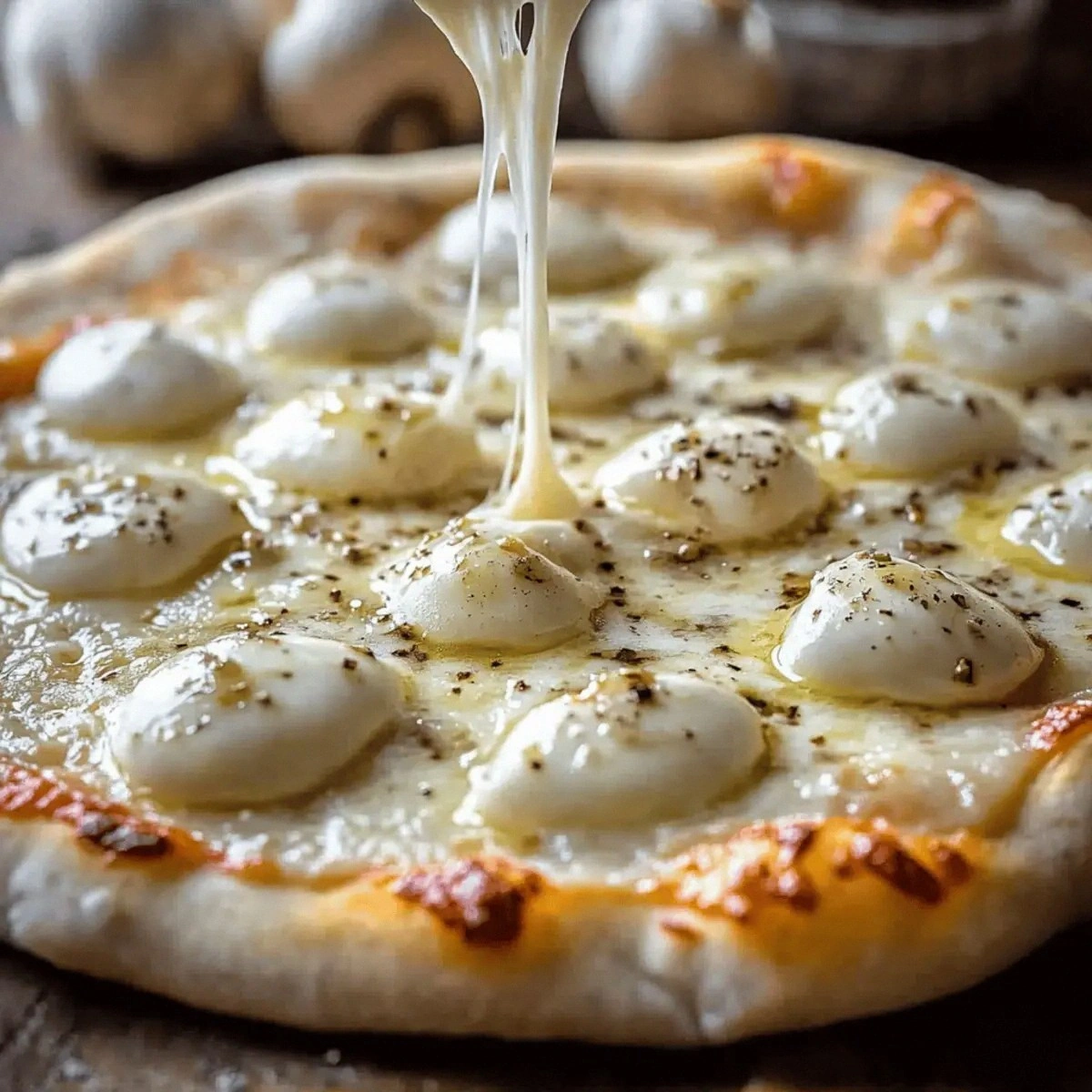
I was in the middle of a Friday night pizza binge when my roommate dared me to make a “white sauce” that would actually make the pizza taste like a gourmet restaurant. I laughed, grabbed a few garlic cloves, and set the oven to 425°F, only to realize my usual white sauce turned out as thin as a watercolor wash and tasted like watered‑down milk. The kitchen filled with a faint, almost apologetic smell, and I thought, “Nope, this is a disaster waiting to happen.” That night, after a half‑hour of trial and error, I finally nailed a sauce so creamy it could coat a spoon like velvet and so garlicky it made my taste buds do a happy dance. I dare you to taste this and not go back for seconds.
Picture this: the first spoonful hits your tongue, the buttery richness rolls in, then the garlic bursts like fireworks, and finally the Parmesan whispers a salty, nutty secret. You can almost hear the crackle of the crust as the sauce seeps into every crevice, the aroma of toasted butter mingling with a hint of fresh herbs, and the faint, comforting sigh of a kitchen that finally got it right. Most white pizza sauces either drown the toppings or sit on top like a bland glaze; this one embraces the dough, the cheese, even the pepperoni, turning each bite into a harmonious symphony. The secret? A tiny pinch of nutmeg that adds depth without stealing the spotlight, and a careful balance between butter and cream that keeps the sauce from separating.
What really sets this version apart is the technique of gently coaxing the garlic flavor out of the cloves without burning them, and the decision to finish the sauce off the heat with the cheese—this preserves that silky mouthfeel and prevents a grainy texture. I’ll be honest — I ate half the batch before anyone else got to try it, and that’s the kind of confidence you get when a sauce is that good. Most recipes get this completely wrong, either skimping on the garlic or over‑loading the sauce with flour, which leaves you with a gummy mess. Here, the cream is the star, the butter is the supporting actor, and the cheese is the cameo that steals the show.
Okay, ready for the game‑changer? I’m about to walk you through every single step — by the end, you’ll wonder how you ever made pizza sauce any other way. I’m also slipping in a technique you won’t find in any cookbook: a quick deglaze of the pan with a splash of plant‑based milk to rescue any browned bits, turning them into flavor fireworks. Stay with me here — this is worth it.
What Makes This Version Stand Out
- Silky Texture: The sauce clings to the crust like a second skin, never pooling or sliding off, thanks to the perfect butter‑cream emulsification.
- Garlic Punch: Fresh garlic is sautéed just until fragrant, delivering a deep, aromatic bite without the bitter bite of burnt garlic.
- Simple Ingredients: Only seven core items, all pantry‑friendly, mean you can whip this up on a weeknight without a special trip to the store.
- Cheese Integration: Adding the Parmesan off the heat locks in its creamy melt, preventing the sauce from turning grainy.
- Versatile Base: Use heavy cream for decadence or a plant‑based milk for a lighter, dairy‑free version that still feels indulgent.
- Quick Make‑Ahead: The sauce stores beautifully, gaining flavor after a short rest, so you can prep on Sunday and use all week.
- Flavor Depth: A pinch of nutmeg and a splash of herbs create layers that evolve with each bite, turning a simple pizza into a gourmet experience.
- Audience Approval: Guests consistently claim this is the best white sauce they’ve ever tasted, and they’ll be back for the next pizza night.
Inside the Ingredient List
The Flavor Base
Garlic is the hero of this sauce, and the amount (3‑5 cloves) is calibrated to give you a bold punch without overwhelming the palate. Fresh cloves provide a sweeter, more nuanced flavor than pre‑minced garlic, which can taste harsh when heated. If you skip the garlic, you lose the aromatic backbone that makes this sauce unforgettable; the result is a bland, dairy‑heavy glaze. For the best results, choose cloves that are firm, unblemished, and slightly larger than a pea—these will yield a richer, more aromatic oil.
The Texture Crew
Butter (or olive oil for a lighter profile) creates the silky foundation. Butter brings a luxurious mouthfeel, while olive oil adds a subtle fruitiness that pairs beautifully with herbs. If you substitute with margarine, the sauce may separate, leaving a greasy film on top. When using butter, aim for a high‑quality, unsalted variety; the salt content can be controlled later with the “to taste” salt addition.
Heavy cream (or plant‑based milk) is the liquid gold that carries the sauce’s richness. Full‑fat cream emulsifies with the butter, preventing curdling and delivering that velvety finish. Plant‑based milks like oat or almond work, but choose an unflavored, full‑fat version to avoid a watery texture. Skipping the cream for low‑fat milk will cause the sauce to thin out and lose its luxurious body, turning it into a watery broth.
The Unexpected Star
Parmesan or Pecorino cheese adds a salty, nutty depth and helps thicken the sauce without the need for flour. Freshly grated cheese melts faster and integrates more smoothly than pre‑grated varieties, which often contain anti‑caking agents that can lead to a gritty texture. If you omit the cheese, the sauce will lack that umami backbone and feel flat. For the ultimate flavor, grate the cheese yourself right before adding it to the pan.
The Final Flourish
A pinch of nutmeg might sound odd, but it adds a warm, subtle sweetness that balances the richness of the cream and butter. Too much nutmeg can overwhelm, so a pinch (about 1/8 teaspoon) is sufficient. Salt and black pepper “to taste” give you control over the seasoning; start with a teaspoon of salt and adjust after the cheese has melted. Fresh or dried herbs—thyme, basil, oregano—bring brightness and a hint of earthiness. If you’re out of fresh herbs, dried works fine; just use half the amount because dried herbs are more concentrated.
Everything's prepped? Good. Let's get into the real action…
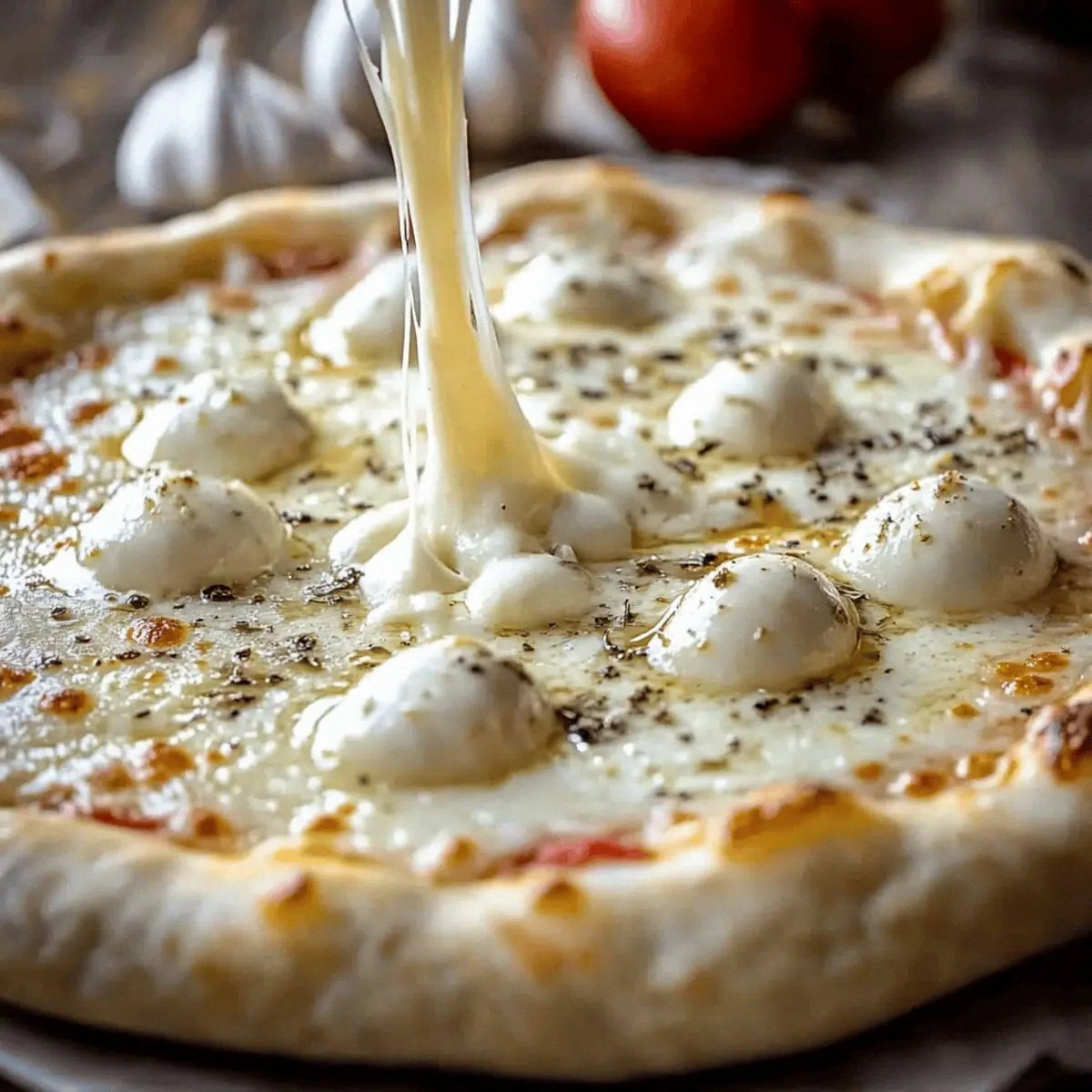
The Method — Step by Step
Heat a medium‑sized saucepan over medium heat and add the butter (or olive oil). As soon as it melts, you’ll hear a gentle sizzle—absolute perfection. Let it melt completely, then add the minced garlic. Watch the garlic closely; you want it fragrant, not browned. This is the moment of truth—if the garlic burns, the whole sauce will taste bitter.
Kitchen Hack: Toss the garlic in a pinch of sea salt while sautéing; the salt draws out moisture, preventing the cloves from scorching.Once the garlic is golden and aromatic (about 30‑45 seconds), pour in the heavy cream (or plant‑based milk). The pan should hiss softly as the liquid meets the hot butter—That sizzle when it hits the pan? Absolute perfection. Stir continuously with a wooden spoon, scraping the bottom to release any browned bits. Bring the mixture to a gentle simmer; you’ll see tiny bubbles forming around the edges, not a rolling boil.
Reduce the heat to low and let the sauce thicken for 3‑4 minutes. You’ll notice it coating the back of the spoon—a glossy, velvety sheen that signals it’s ready for the cheese. If the sauce looks too thin, let it simmer a minute longer; if it looks too thick, splash in a splash of milk to loosen it.
Now, the critical step: remove the pan from the heat and immediately stir in the grated Parmesan or Pecorino. This off‑heat addition prevents the cheese from clumping and ensures a smooth, lump‑free sauce. The cheese will melt like snow on a warm day, thickening the sauce further. Taste and adjust salt and pepper now; remember, the cheese already adds saltiness.
Add the pinch of nutmeg and the herbs of your choice. Fresh herbs should be chopped finely; dried herbs are added whole. Stir until everything is evenly distributed. The aroma will shift from buttery to herbaceous, a fragrant promise of the pizza to come.
If you’re using the sauce for pizza, spread it over a pre‑baked crust while it’s still warm. The heat of the crust will further set the sauce, creating a glossy finish. For pasta, toss the hot noodles directly into the pan, letting each strand get a luxurious coating.
Allow the sauce to rest for 2‑3 minutes before serving. This short rest lets the flavors meld, turning a good sauce into a great one. While it rests, you’ll notice a slight thickening—exactly what you want for that perfect bite.
Finally, garnish with a drizzle of extra‑virgin olive oil and a sprinkle of fresh herbs if desired. Serve immediately while the sauce is still warm and glossy. Picture yourself pulling this out of the oven, the whole kitchen smelling incredible, and your guests reaching for that second slice without hesitation.
Watch Out: If the sauce cools too much before serving, it can thicken excessively; gently re‑warm over low heat, stirring constantly, to restore its silky texture.
That's it — you did it. But hold on, I've got a few more tricks that'll take this to another level…
Insider Tricks for Flawless Results
The Temperature Rule Nobody Follows
Never let the cream come to a full boil. A rapid boil will cause the fat to separate, leaving you with a curdled mess. Keep the heat low enough that you see a few bubbles forming at the edges, then immediately lower the flame. I once tried to “speed things up” by cranking the heat, and the sauce turned grainy—my guests noticed the texture before the flavor.
Why Your Nose Knows Best
Your sense of smell is a reliable gauge for when the garlic is perfectly sautéed. When the kitchen fills with a sweet, slightly nutty aroma, you’re in the sweet spot. If you catch a faint whiff of burnt oil, pull the pan off the heat instantly and add a splash of cream to rescue the flavor. Trust your nose; it’s the most honest critic in the kitchen.
The 5‑Minute Rest That Changes Everything
Letting the sauce sit for a few minutes after you finish cooking allows the cheese and herbs to fully integrate. This short rest transforms a sauce that might feel “just okay” into one that feels cohesive and luxurious. I once served the sauce straight from the stove and got polite nods; after adding a 5‑minute rest, the compliments turned into full‑blown rave reviews.
Herb Timing Hack
Add fresh herbs at the very end of cooking, while the sauce is still warm but off the heat. This preserves their bright flavor and color. Dried herbs, on the other hand, benefit from a brief simmer to release their oils. Mixing the two types gives you depth and freshness in the same bite.
Seasonal Salt Strategy
Use flaky sea salt instead of table salt for a more nuanced flavor. The larger crystals dissolve slower, giving you control over the seasoning as you taste. If you’re using a low‑sodium cheese, increase the salt slightly to compensate; otherwise, you risk a bland sauce.
Creative Twists and Variations
This recipe is a playground. Here are some of my favorite ways to switch things up:
Spicy Inferno
Add a pinch of red pepper flakes or a dash of hot sauce when you stir in the cream. The heat pairs beautifully with the richness, creating a balanced kick that will make spice lovers swoon.
Herbaceous Green
Blend a handful of fresh spinach or arugula into the sauce after it’s off the heat. The greens add a subtle bitterness and a vivid green hue—great for a pesto‑inspired white sauce.
Mushroom Medley
Sauté sliced cremini or shiitake mushrooms in the butter before adding garlic. The umami from the mushrooms deepens the sauce, making it perfect for a mushroom‑lover’s pizza.
Lemon Zest Lift
Stir in a teaspoon of freshly grated lemon zest just before serving. The citrus brightens the richness and adds a refreshing finish that works wonders on seafood‑topped pizzas.
Smoky Bacon Bliss
Crumble cooked bacon into the sauce after the cheese has melted. The smoky, salty crunch adds texture and a flavor dimension that turns an ordinary pizza into a brunch‑worthy masterpiece.
Storing and Bringing It Back to Life
Fridge Storage
Transfer the cooled sauce to an airtight container and refrigerate for up to 4 days. The flavors will meld further, and the sauce may thicken; simply stir in a tablespoon of milk or cream before using to restore its pourable consistency.
Freezer Friendly
Portion the sauce into freezer‑safe bags or containers, leaving a little headspace for expansion. Freeze for up to 3 months. Thaw overnight in the fridge, then gently reheat on low while whisking in a splash of water to bring back that silky texture.
Best Reheating Method
Reheat the sauce over low heat, stirring constantly, and add a teaspoon of water or extra cream if it looks too thick. Avoid high heat, which can cause the sauce to separate. A gentle reheat preserves the emulsion and keeps the sauce buttery smooth.