Picture this: I’m standing in my kitchen on a rainy Saturday, the kind of day that makes you want to curl up with a blanket and a plate of something sweet. I had just burnt a batch of store‑bought gingerbread cookies—charred edges, bland center, and a whole lot of disappointment. I stared at the blackened crumbs and thought, “There’s got to be a better way.” That moment sparked a culinary quest that led me down the rabbit hole of spices, plant‑based milks, and the most decadent chocolate I could find. The result? A vegan Lebkuchen that doesn’t just compete with the classic; it annihilates it.
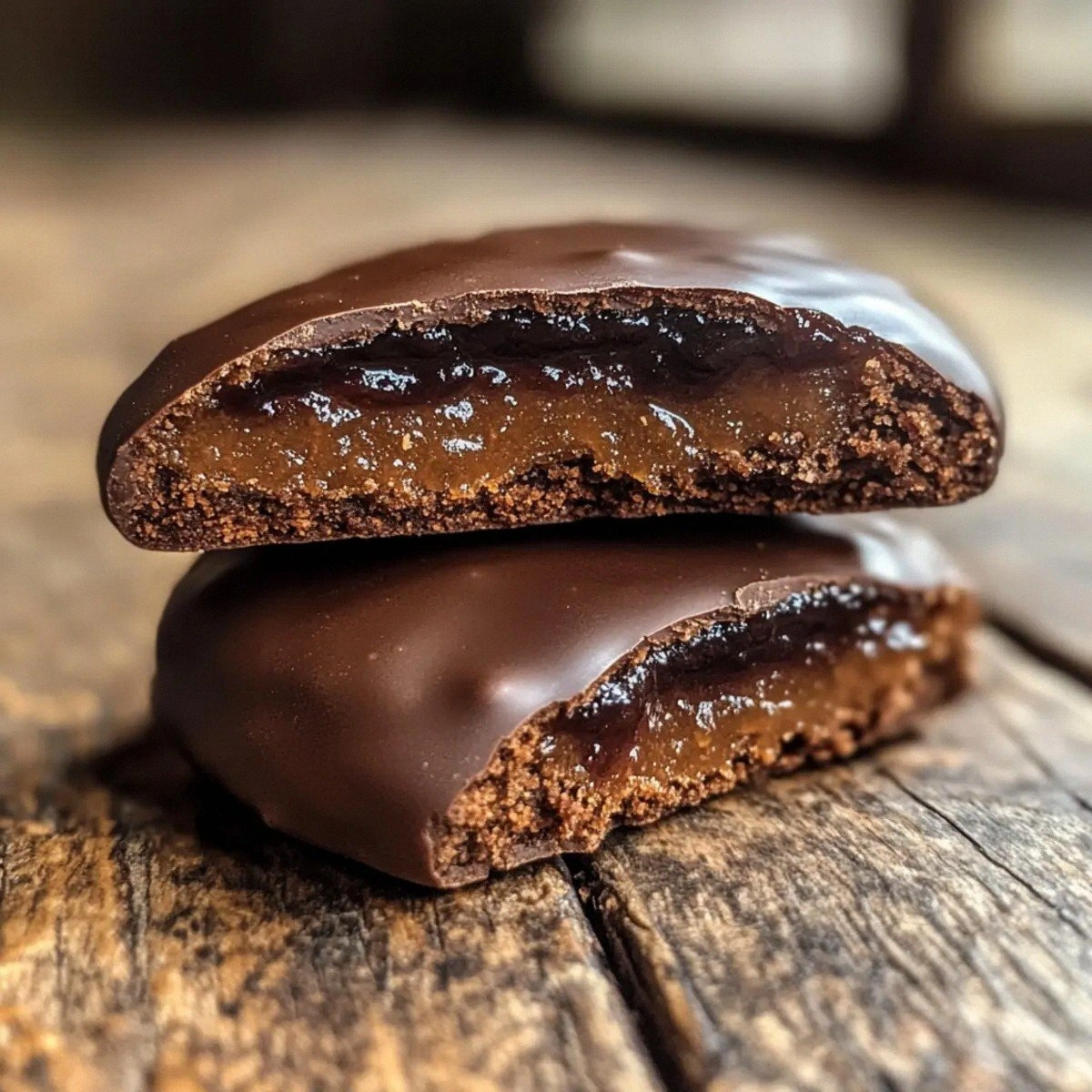
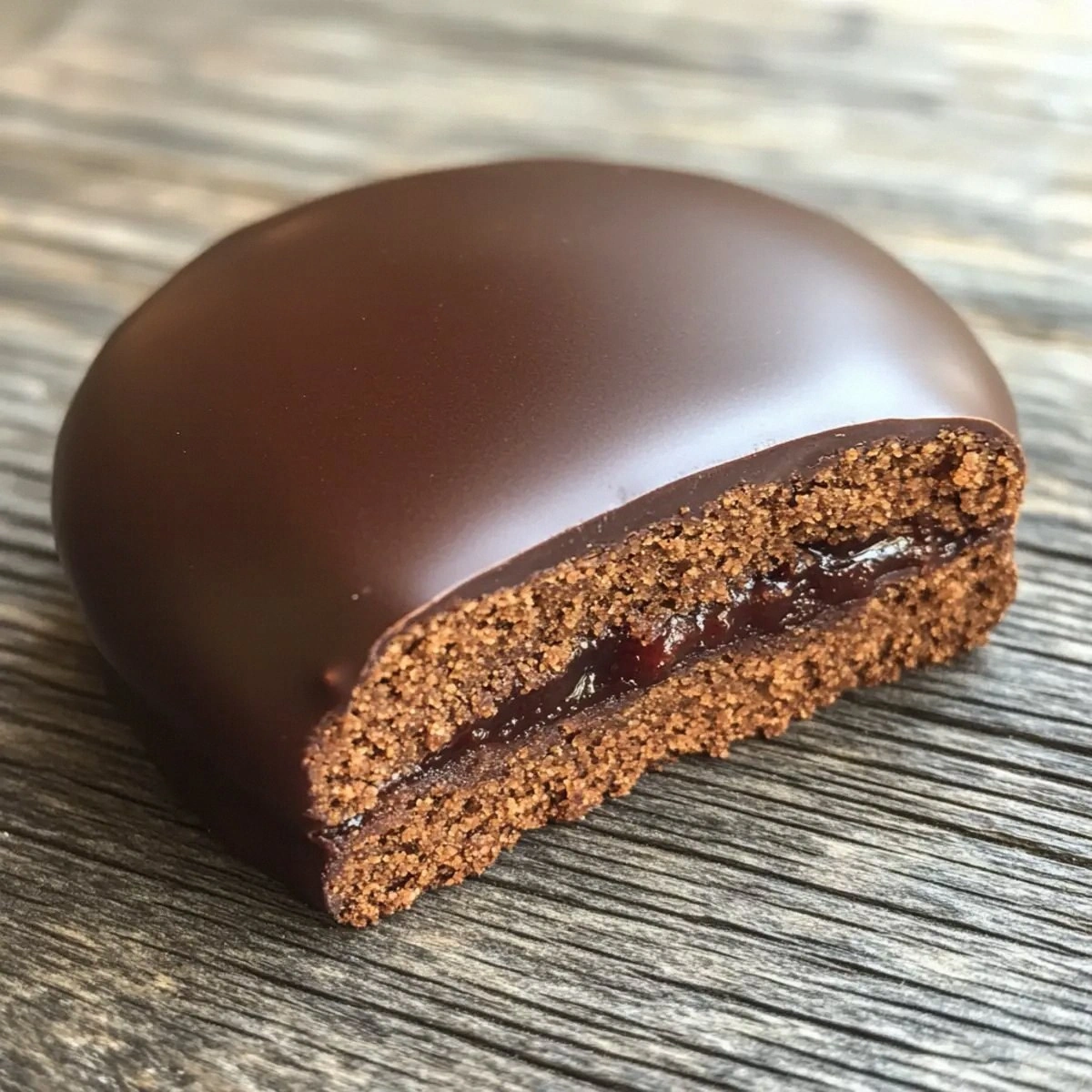
The first whiff of this dough is like a holiday hug—warm ginger, sweet molasses, and a whisper of cocoa that makes your nose do a little dance. As you mix, the batter feels like a velvet blanket, thick enough to coat a spoon but still supple enough to roll out without sticking. When the cookies finally emerge from the oven, they crackle with a caramelized crust that shatters like thin ice, revealing a tender, slightly chewy heart that practically melts in your mouth. And the glaze? Dark chocolate so glossy it reflects the kitchen lights like a mirror, topped with a dusting of icing sugar that looks like fresh snow on a winter’s night.
Most Lebkuchen recipes get the spice blend right but miss the magic that makes a cookie unforgettable: the balance of sweet and tart, the right amount of moisture, and that final chocolate kiss. I’ve tried versions that were too dry, too crumbly, or just plain bland. This version, however, uses a secret weapon—maple syrup paired with a splash of lemon juice—to create a flavor depth that feels both nostalgic and brand‑new. And let’s not forget the cocoa powder, a bold addition that adds an earthy richness you never expected in a gingerbread‑style cookie.
Okay, ready for the game‑changer? I’m about to walk you through every single step—mixing, chilling, baking, glazing—so you’ll wonder how you ever made Lebkuchen any other way. By the end, you’ll be the hero of every holiday gathering, office party, or cozy night in. I dare you to taste this and not go back for seconds.
What Makes This Version Stand Out
- Flavor Explosion: The gingerbread spices are balanced by cocoa and maple, creating a layered taste that evolves with each bite.
- Texture Harmony: A crisp edge gives way to a soft, chewy interior, thanks to the perfect ratio of flour to liquid.
- Simplicity: Only ten ingredients, all pantry‑friendly, and no hidden dairy or eggs to complicate the process.
- Uniqueness: The addition of dark chocolate glaze turns a traditional cookie into a dessert that feels luxurious.
- Crowd Reaction: Guests often claim they can’t tell these are vegan—some even ask for the “secret ingredient.”
- Ingredient Quality: Using high‑quality maple syrup and a good dark chocolate makes the flavor pop without added sugar.
- Cooking Method: A short chill time prevents spreading, ensuring uniform shapes and a professional finish.
- Make‑Ahead Potential: These cookies keep beautifully for weeks, and the glaze can be refreshed with a quick melt.
Inside the Ingredient List
The Flavor Base
Flour (2 cups): This is the structural backbone, providing the body that holds the spices together. Using all‑purpose flour keeps the texture light; swapping for whole‑wheat would make the cookie denser and earthier. If you’re gluten‑free, a 1‑to‑1 blend of rice flour and tapioca starch works well, but expect a slightly crumbier bite.
Brown Sugar (1 cup): The molasses in brown sugar adds moisture and that deep caramel note that defines Lebkuchen. Skipping it for white sugar would strip away the richness and leave the cookies flat. For a lower‑glycemic option, try coconut sugar, but be aware it has a more pronounced caramel flavor.
The Texture Crew
Baking Powder (1 tsp): This leavening agent creates a subtle lift, giving the cookies a tender crumb. Too much and you’ll get a cake‑like texture, too little and they’ll be rock‑hard. If you’re out of baking powder, combine ½ tsp baking soda with ½ tsp cream of tartar.
Gingerbread Spices (2 tsp): A blend of ground ginger, cinnamon, cloves, and nutmeg forms the heart of the Lebkuchen flavor. Freshly ground spices are worth the extra effort—they burst with aroma that pre‑ground mixes can’t match. If you love a spicier kick, add a pinch of ground cardamom.
Cocoa Powder (2 tbsp): This unexpected addition deepens the flavor profile, giving the cookie a subtle chocolate undertone that pairs beautifully with the spices. Use unsweetened, high‑quality cocoa for the best results. If you’re avoiding caffeine, a small amount of carob powder can substitute.
The Unexpected Star
Soy Milk (1 cup): This plant‑based liquid adds moisture without dairy, keeping the cookies vegan and slightly nutty. Almond milk works too, but soy milk’s higher protein content helps bind the dough better. If you’re allergic to soy, oat milk is a creamy alternative.
Maple Syrup (1/3 cup): The natural sweetness and subtle woodsy notes of maple elevate the cookie beyond ordinary sugar. It also contributes to a chewy texture because of its hygroscopic nature. In a pinch, agave nectar can replace it, though the flavor will be less complex.
Vegetable Oil (1/4 cup): This keeps the cookie moist and tender, acting like a butter substitute without adding dairy flavor. Use a neutral oil like canola or sunflower; olive oil would overpower the spices. If you prefer a richer mouthfeel, swap half the oil for melted coconut oil.
The Final Flourish
Icing Sugar (1 cup): This fine powder creates the glossy chocolate glaze that coats each cookie like a mirror. It dissolves quickly, preventing grainy texture. For a slightly crunchy glaze, mix half icing sugar with a tablespoon of finely ground almond meal.
Lemon Juice (2 tbsp): The acidity cuts through the sweetness, balancing the maple and brown sugar. It also reacts with the baking powder, giving a tiny lift. If you’re out of lemon, a splash of apple cider vinegar works similarly.
Dark Chocolate (1 cup): The final coating is where the magic happens—rich, slightly bitter chocolate that contrasts the sweet cookie. Choose at least 70% cacao for depth; lower percentages will taste too sweet. Melt gently over a double boiler to avoid scorching.
Everything’s prepped? Good. Let’s get into the real action…
The Method — Step by Step
Preheat your oven to 350°F (175°C) and line two baking sheets with parchment paper. While the oven warms, whisk together the flour, brown sugar, baking powder, gingerbread spices, and cocoa powder in a large bowl. The mixture should look like a dark, fragrant sand; that’s the promise of flavor waiting to happen. Pro tip: Give the spices a quick toast in a dry skillet for 30 seconds to awaken their oils before adding them.
In a separate bowl, combine the soy milk, maple syrup, vegetable oil, and lemon juice. Whisk until the liquid looks glossy and slightly thickened—this is your sweet, tangy wet base. The maple’s aroma will already be filling the kitchen, a hint of what’s to come. Watch Out: If the mixture separates, keep whisking; it will emulsify within a minute.
Pour the wet ingredients into the dry mixture and stir with a wooden spoon until a shaggy dough forms. It will be sticky, but that’s exactly what we want. Turn the dough onto a lightly floured surface and knead gently—just enough to bring it together, about 30 seconds.
Kitchen Hack: If the dough sticks to your hands, wet them with a few drops of soy milk; it smooths the texture without adding extra oil.Wrap the dough in plastic wrap and chill it in the refrigerator for at least 30 minutes. This step is crucial—cold dough is easier to roll and holds its shape during baking. Picture yourself pulling this out of the oven, the whole kitchen smelling incredible… you’ll thank yourself for the chill.
Once chilled, roll the dough to a uniform ¼‑inch thickness on a lightly floured board. Use a cookie cutter—classic round or festive shapes like stars and hearts—to cut out cookies.
Transfer the cutouts to the prepared baking sheets, leaving a little space between each.Watch Out: If the dough cracks, simply press the pieces back together; the chill will keep them pliable.Slide the sheets into the oven and bake for 12‑15 minutes, or until the edges turn a light amber and the tops look set. The cookies should smell toasty, like a winter market stall. Resist the urge to over‑bake; they’ll continue to firm up as they cool.
While the cookies bake, melt the dark chocolate in a heat‑proof bowl over simmering water, stirring constantly. Once smooth and glossy, remove from heat. If you like a glossy finish, add a teaspoon of coconut oil to the melt; it gives the glaze a professional shine.
Allow the baked cookies to cool on a wire rack for 10 minutes, then dip the flat side into the melted chocolate. Swirl gently to coat, then place back on the rack to set.
Kitchen Hack: Use a fork to lift the cookie from the chocolate; the fork creates a decorative drip pattern as you let the excess drip off.While the chocolate is still soft, dust each cookie with a light sprinkle of icing sugar. The sugar adheres to the chocolate, creating a snow‑kissed finish that’s perfect for holiday tables. Let the glaze harden completely—about 15 minutes at room temperature—before storing.
That’s it — you did it. But hold on, I’ve got a few more tricks that’ll take this to another level, ensuring every bite is pure joy.
Insider Tricks for Flawless Results
The Temperature Rule Nobody Follows
Never bake straight from the fridge; let the dough sit at room temperature for 5 minutes before rolling. This prevents cracks and ensures the cookies spread evenly. I once tried skipping this step and ended up with a batch that looked like broken shards. Trust me, a brief warm‑up makes all the difference.
Why Your Nose Knows Best
Rely on aroma, not just the timer. When the cookies start to emit that sweet, caramel‑spice perfume, they’re almost ready. Over‑baking turns the delicate chew into a brittle biscuit. I’ve learned to pull the tray a minute early, then let the residual heat finish the job.
The 5‑Minute Rest That Changes Everything
After baking, let the cookies rest on the rack for exactly five minutes before glazing. This short pause lets the interior set, preventing the chocolate from melting into the crumb. Skipping this step leads to a soggy underside, and nobody wants that.
Chocolate Tempering Shortcut
If you crave that snap of tempered chocolate but lack a thermometer, try the “spoon test.” Dip a spoon into the melted chocolate; if it solidifies within 2 minutes and looks glossy, you’ve achieved a good temper. It’s a quick hack that saves time without sacrificing shine.
Storage Savior
Place a slice of fresh bread in the container with the cookies; the bread releases moisture, keeping the Lebkuchen soft for up to two weeks. Change the bread every few days. I’ve tried airtight containers alone—cookies went stale in three days. This simple trick extends their life dramatically.
Creative Twists and Variations
This recipe is a playground. Here are some of my favorite ways to switch things up:
Orange‑Zest Lebkuchen
Add the zest of one large orange to the wet ingredients. The citrus brightens the spice profile, making the cookies feel spring‑like while retaining their holiday soul.
Nutty Crunch
Fold in ½ cup of toasted chopped hazelnuts or walnuts before chilling the dough. The nuts add a satisfying crunch that contrasts the soft interior.
Spiced Espresso
Mix 1 tbsp of finely ground espresso into the dry spices. The coffee deepens the chocolate glaze and adds a subtle bitterness that balances the sweetness.
Vegan White Chocolate Drizzle
Replace the dark chocolate glaze with melted vegan white chocolate and drizzle with a thin line of dark chocolate for a marbled effect. The sweet‑and‑creamy combo looks elegant on a dessert platter.
Gluten‑Free Version
Swap the all‑purpose flour for a blend of rice flour, tapioca starch, and potato starch (2 cups total). The texture will be slightly softer, but the flavor remains spectacular.
Storing and Bringing It Back to Life
Fridge Storage
Place cookies in an airtight container with a slice of bread. They stay soft for up to 10 days. If you notice any dryness, lightly mist the cookies with a spray bottle of water before resealing.
Freezer Friendly
Arrange cookies on a parchment sheet, freeze until solid, then transfer to a zip‑top bag. They keep for three months. To thaw, leave them at room temperature for 20 minutes; the chocolate will regain its sheen.
Best Reheating Method
Warm the cookies in a 300°F (150°C) oven for 5 minutes, adding a tiny splash of water to the tray. The steam revives the chewiness, and the chocolate glaze softens just enough to melt in your mouth.