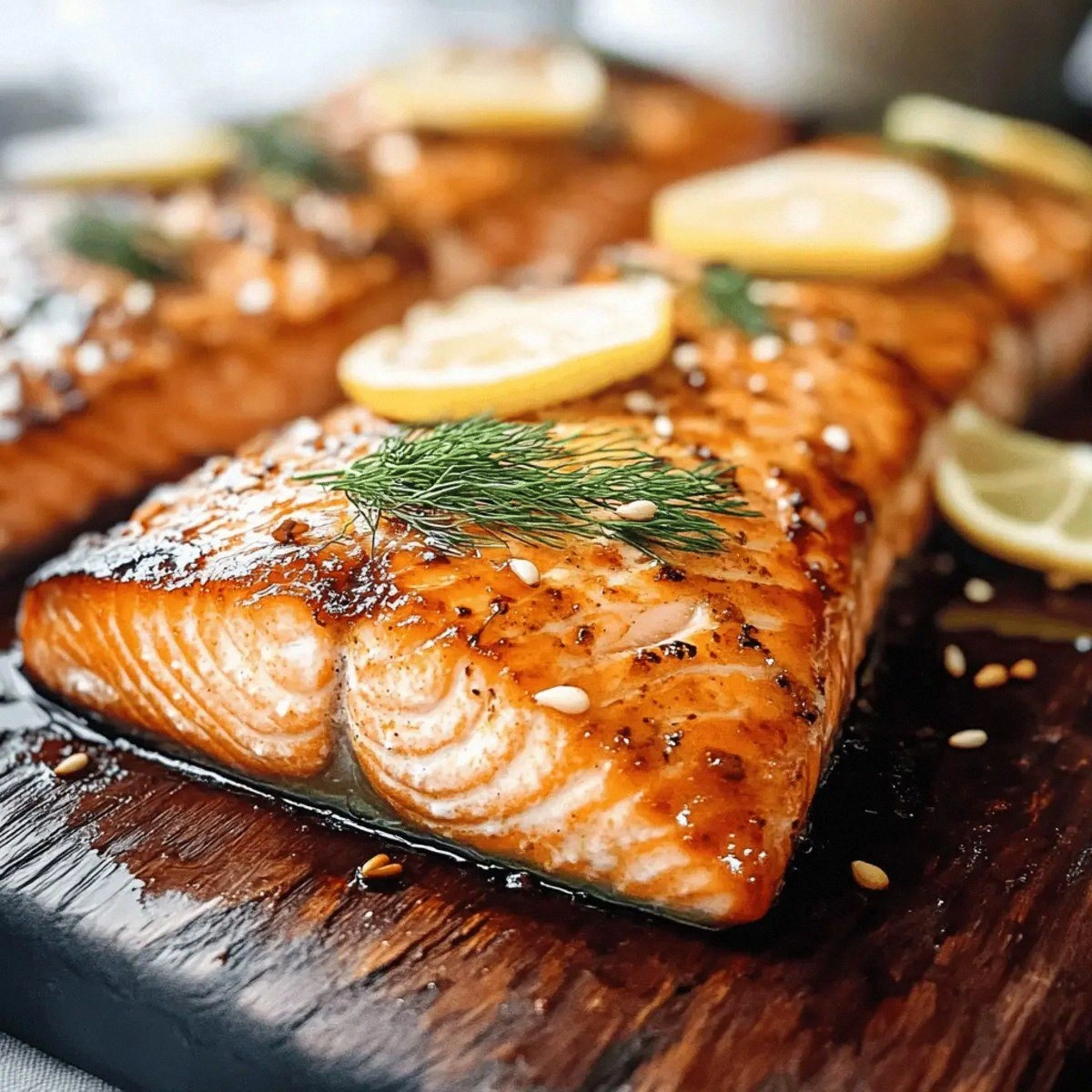
I still remember the first time I tried to impress a date with grilled salmon. The evening was perfect: string lights twinkling above my tiny patio, a playlist of smooth jazz humming through cracked phone speakers, and the smug confidence of a twenty-something who'd watched one too many cooking shows. I slapped a beautiful fillet directly onto the grill grates, flipped it exactly once (because that's what the magazines said), and proudly presented what looked like fish-flavored charcoal briquettes. The romance died faster than the cedar sparks crackling beneath the lid. Fast-forward a decade, and I've finally cracked the code to salmon that makes grown adults close their eyes and sigh—juicy, smoky, kissed with sweet-and-salty glaze, and perfumed with the unmistakable scent of cedar that drifts across the backyard like a summer campfire you can actually eat.
Cedar plank grilling isn't just a fancy restaurant trick reserved for waterfront bistros that charge thirty-eight bucks for a piece of fish the size of a deck of cards. It's a backyard game-changer that turns humble salmon into the kind of dish people talk about for weeks. The wood smolders gently, creating a fragrant smoke that curls around the fish, while the plank itself protects the delicate flesh from the grill's brutal heat. The result? Silky salmon that flakes into glossy petals, edges caramelized and smoky, interior buttery and moist. Picture yourself pulling this off the grill while neighbors drift over like moths to a porch light, asking what smells so incredible.
Most home cooks either overthink cedar planking—soaking boards for hours, fretting over exact temperatures, treating the process like open-heart surgery—or they skip it entirely because it sounds intimidating. I'm here to demolish both excuses. This recipe is bulletproof, weeknight-friendly, and produces restaurant-level flavor with minimal fuss. The marinade comes together in the time it takes your grill to heat, the plank needs only a quick dunk, and the fish cooks in under fifteen minutes while you sip something cold and feel like a culinary rock star.
What you're about to make isn't just dinner; it's an experience. The cedar aroma mingles with soy, ginger, and lime, conjuring memories of Pacific Northwest campfires and seaside vacations you may never have actually taken. The glaze lacquers the salmon in shiny layers that crackle slightly when you bite through, revealing meat so moist it practically sighs apart. Let me walk you through every single step—by the end, you'll wonder how you ever made it any other way.
What Makes This Version Stand Out
Smoke-Kissed Sweetness: The honey in the marinade isn't just for show—it caramelizes against the hot cedar, creating sticky, smoky edges that taste like candied salmon had a fling with barbecue sauce. Most recipes skip the honey or use brown sugar that burns bitter; this balance is pure magic.
Two-Zone Fire Mastery: Instead of battling flare-ups from dripping glaze, you'll set up a gentle indirect zone that lets the wood smolder without turning your plank into a bonfire. The fish bathes in aromatic smoke while staying safely away from scorching direct heat.
Quick-Soak Shortcut: Forget the hour-long plank baths you read about. A twenty-minute dunk with a weight on top gets the wood hydrated enough to smolder rather than ignite, shaving forty minutes off prep time.
Layered Umami Bomb: Soy sauce brings salt, fish sauce adds funky depth, sesame oil contributes nutty aroma, and balsamic sneaks in mellow sweetness. Together they create complexity that makes guests ask, "What's in this?" after the first bite.
Caramelized Citrus Finish: A final squeeze of charred lemon and shower of fresh dill brightens all that richness, cutting through the salmon's natural oil and resetting your palate for the next forkful.
Leftover Gold: Cold leftovers transform into next-level salmon salad, flaked over greens with mango and avocado, or tucked into breakfast tacos with scrambled eggs and hot sauce. You'll find yourself hoping for extras.
Alright, let's break down exactly what goes into this masterpiece...
Inside the Ingredient List
The Flavor Base
Soy sauce is the backbone, delivering salt and that addictive fermented savoriness that makes everything taste more like itself. Don't waste the good stuff—standard Kikkoman works perfectly and costs a fraction of artisanal bottles. Rice vinegar lends gentle acidity without the harsh bite of distilled white vinegar; it's like the polite guest who enlivens conversation without dominating it. Skip it and the marinade tastes flat, like a song missing its high notes. Olive oil may seem out of place in an Asian-tinged marinade, but it helps the mixture cling to the fish and keeps the surface from sticking to the plank.
The Sweet-Sour Balance Crew
Balsamic vinegar is the dark horse here, adding deep fruity sweetness and dark color that lacquers beautifully under heat. Lime juice provides bright top notes that cut through rich salmon fat like a squeeze of sunshine. Honey isn't just sweet—its high sugar content promotes that glossy, slightly sticky finish you associate with restaurant-quality glaze. Sub maple syrup if you must, but you'll lose the floral complexity that honey brings. Sesame oil is potent; a single teaspoon perfumes the entire fillet with nutty aroma that screams sophistication. Fish sauce sounds scary, but two drops would be missed—it's the secret handshake that makes people ask for your recipe.
The Aromatic Powerhouses
Fresh ginger adds peppery heat and citrusy sparkle; powdered ginger tastes dusty in comparison. Grab a knob the size of your thumb, peel with a spoon edge, and grate finely so it distributes evenly. Garlic brings earthy backbone; smash cloves first to release oils, then mince to a paste so you don't bite into raw chunks. Together they create that heady aroma that drifts across the patio and makes neighbors wander over asking what's for dinner.
The Cedar and Finishing Touches
Untreated cedar planks are sold near grilling supplies or online; avoid anything labeled for crafts or closets. The wood should smell strongly of cedar when you open the package—if it doesn't, it's too old and will taste like burnt plywood. Salmon fillets should be thick, at least an inch, so they stay moist during the longer indirect cooking time. Skin-on holds them together better, but skin-off works if you're gentle. Lemon halves get a quick char on the grill, caramelizing their sugars and adding smoky depth to the final squeeze. Fresh dill looks delicate but packs bright, grassy flavor that makes the whole dish taste like summer.
Everything's prepped? Good. Let's get into the real action...
The Method — Step by Step
- Start by submerging your cedar plank in a sink full of cool water, setting a heavy pan on top to keep it from floating like a rebellious raft. While it soaks, whisk together soy sauce, rice vinegar, olive oil, balsamic, lime juice, minced garlic, grated ginger, sesame oil, fish sauce, honey, and salt in a bowl that makes you feel like a mad scientist. The mixture should smell like a beach party where soy sauce spilled on the deck—savory, sweet, and vaguely tropical. Place salmon fillets in a zip-top bag, pour in the marinade, seal while squeezing out excess air, and refrigerate for at least 30 minutes but no more than two hours. Over-marinating makes the surface mushy, and nobody wants salmon that feels like wet tissue paper.
- Prepare your grill for two-zone cooking: pile coals on one side for direct high heat, leaving the other side empty for gentle indirect warmth. If using gas, light one burner to medium-high, leave the other off. You're creating a safety zone where the plank can smolder without erupting into flames that turn your expensive fish into fish-shaped charcoal. Close the lid and let grates heat for ten minutes until they pass the hand test—hovering your palm five inches above should force you to yank away after two seconds.
- Remove the plank from water and pat dry with old kitchen towels you don't mind staining cedar-scented. Place it on the indirect side for three minutes until it starts to smoke and make gentle crackling sounds like a tiny fireplace. This pre-heats the wood and drives off surface moisture that could steam the fish instead of smoking it. If the plank bows dramatically, flip it over—gravity will flatten it as it heats.
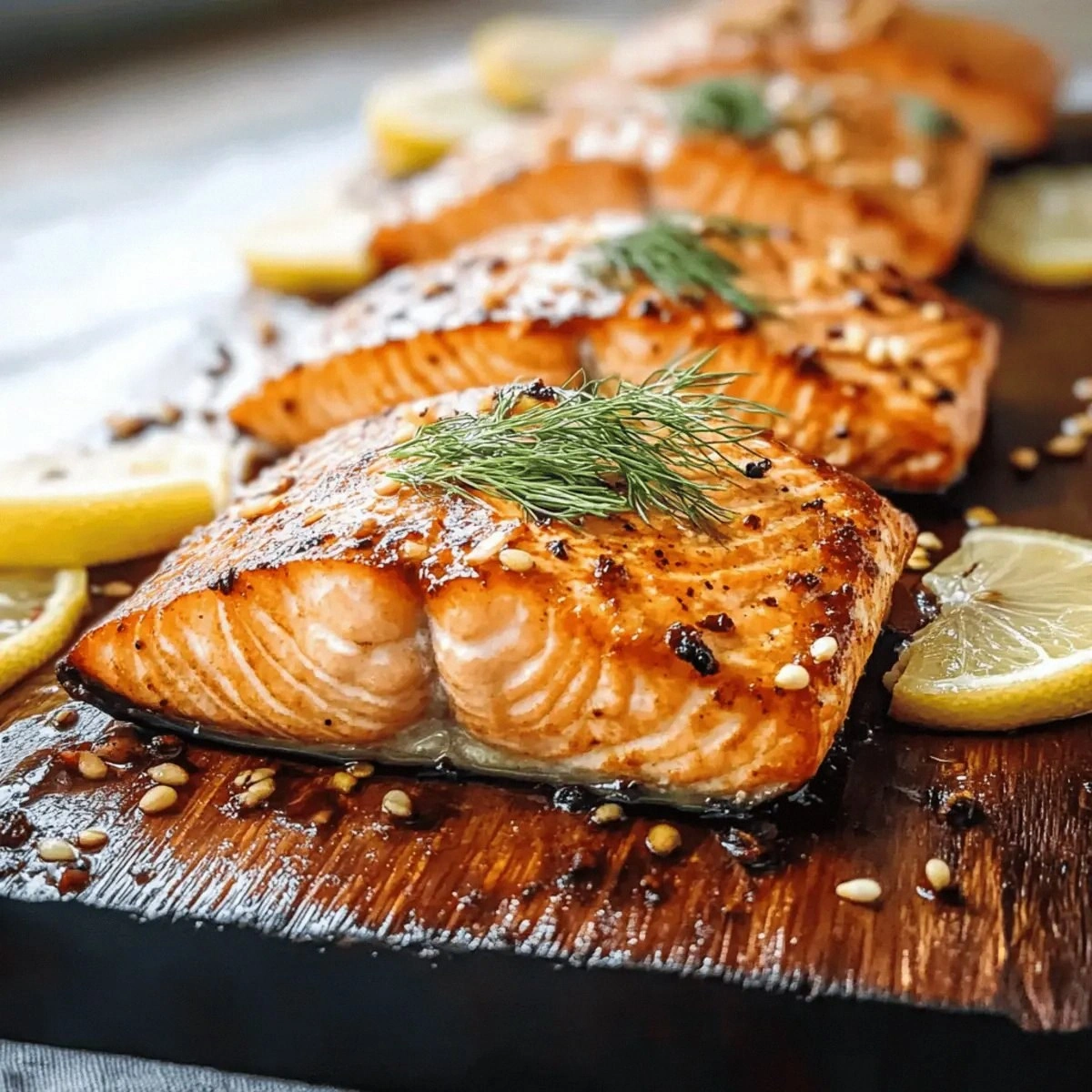
- Lay salmon fillets skin-side down on the now-toasty plank, spacing them so they aren't touching—crowding steams instead of smokes. Brush any remaining marinade over the tops; it'll bubble and reduce into shiny lacquer. Close the grill lid and resist peeking for twelve minutes. The cedar should smolder gently, releasing aromatic smoke that curls around the fish like a protective hug. If you see flames licking up the sides, spritz with water and close the lid to starve oxygen.
- After twelve minutes, check for doneness by pressing the thickest part with your finger—it should feel firm but still springy, not hard like an overdone steak. If you own a thermometer, aim for 125°F for medium-rare (silky center) or 135°F for medium (flaky throughout). While it finishes, halve the lemon and place cut-side down on the direct heat zone for two minutes until caramelized and smoky. Remove plank and lemons to a heat-safe surface using sturdy tongs—the wood may be fragile and the salmon delicate.
- Let salmon rest on the plank for five minutes; residual heat finishes cooking while juices redistribute. During this sacred pause, chop dill and gather plates because things move fast once you start flaking. Transfer fillets to serving platter using a thin metal spatula, sliding between skin and flesh so the skin stays behind like a crispy cedar-scented souvenir. Squeeze charred lemon over each portion, watching the juice sizzle on the hot surface like mini fireworks. Shower with fresh dill, crack black pepper dramatically, and serve immediately while the edges are still sticky and the center glistens.
That's it—you did it. But hold on, I've got a few more tricks that'll take this to another level...
Insider Tricks for Flawless Results
The Temperature Rule Nobody Follows
Most recipes scream about high heat, but cedar plank salmon thrives on moderate temperatures around 375°F. Too hot and the plank ignites, creating bitter smoke that tastes like a house fire. Too cool and the wood steams instead of smolders, missing that signature aroma. Use an oven thermometer clipped to the grate to dial in the sweet spot where the plank edges darken but don't char through.
Why Your Nose Knows Best
Forget timers—when the salmon is ready, your entire backyard will smell like a Pacific Northwest campfire. The scent shifts from raw fish to sweet cedar smoke tinged with caramelized honey. If you catch yourself closing your eyes involuntarily, that's your cue to check doneness. A friend tried skipping this step once—let's just say it ended with takeout pizza and one very sad plank.
The 5-Minute Rest That Changes Everything
Resting on the plank isn't optional; it's where magic happens. Carryover heat nudges the center to perfect opaqueness while the surface glaze sets into shiny lacquer. Cutting too early floods the board with juices, turning your masterpiece into salmon soup. Use the downtime to pour wine, light candles, or casually mention how easy dinner was tonight.
Creative Twists and Variations
This recipe is a playground. Here are some of my favorite ways to switch things up:
Maple-Mustard Cedar Salmon
Swap honey for dark maple syrup and whisk a tablespoon of whole-grain mustard into the marinade. The result tastes like a Canadian breakfast collided with a smoky campfire—sweet, tangy, and outrageously good with roasted sweet potatoes.
Spicy Korean-Inspired Version
Add a tablespoon of gochujang and an extra teaspoon of honey for a fiery-sweet glaze that sticks to your lips in the best way. Top with sesame seeds and scallions, serve alongside kimchi fried rice, and prepare for dinner guests to bow in appreciation.
Mediterranean Herb Explosion
Replace ginger and soy with lemon zest, oregano, and a splash of white wine. Finish with fresh parsley and crumbled feta. It's like a Greek vacation you can taste, minus the sunburn and overpriced cocktails.
Coconut-Lime Tropical Take
Substitute half the soy with coconut aminos, swap lime juice for lemongrass paste, and brush with coconut milk during the last two minutes. Close your eyes and you're on a beach in Thailand, assuming your neighbor's lawn mower isn't ruining the fantasy.
Bourbon-Glazed Southern Style
Replace balsamic with bourbon and add a pinch of smoked paprika. The alcohol cooks off, leaving deep vanilla and oak notes that pair shockingly well with grilled peaches. Serve on a porch with sweet tea for maximum effect.
Miso-Caramel Wonder
Whisk a tablespoon of white miso into the marinade for umami depth that tastes like it took hours to develop. It's the culinary equivalent of finding twenty bucks in old jeans—unexpected joy with minimal effort.
Storing and Bringing It Back to Life
Fridge Storage
Let leftover salmon cool completely, then refrigerate in a sealed container lined with paper towel to absorb moisture. It keeps up to three days, though the smoky aroma fades daily. For best texture, bring to room temperature before serving cold—straight from the fridge it's firm and dry.
Freezer Friendly
Flake cooled salmon into freezer bags, press out air, and freeze up to two months. Thaw overnight in the fridge, then use in pasta, salads, or salmon cakes where texture isn't paramount. The cedar smoke survives freezing surprisingly well, like a memory of summer you can taste in February.
Best Reheating Method
Warm gently in a 275°F oven for eight minutes, adding a tiny splash of water to the pan to create steam that revives moisture. Microwaving turns it rubbery faster than you can say "leftovers." Better yet, serve cold over a crisp salad with a tangy vinaigrette—no reheating required, and you'll feel virtuous about eating your greens.