I was halfway through a frantic Tuesday night, the kind where the sink is piled high with dishes and the clock is ticking louder than my stomach. I had promised my roommate a “fancy dessert” after we both survived a marathon of Zoom meetings, but the only thing I could find in the pantry was a half‑eaten pack of Oreos and a lonely bag of almond flour. I thought, “Why not turn this disaster into a masterpiece?” And that’s exactly what happened – I stumbled upon a version of Oreo macarons that is simultaneously crispy, chewy, and decadently creamy. I dare you to taste this and not go back for seconds.
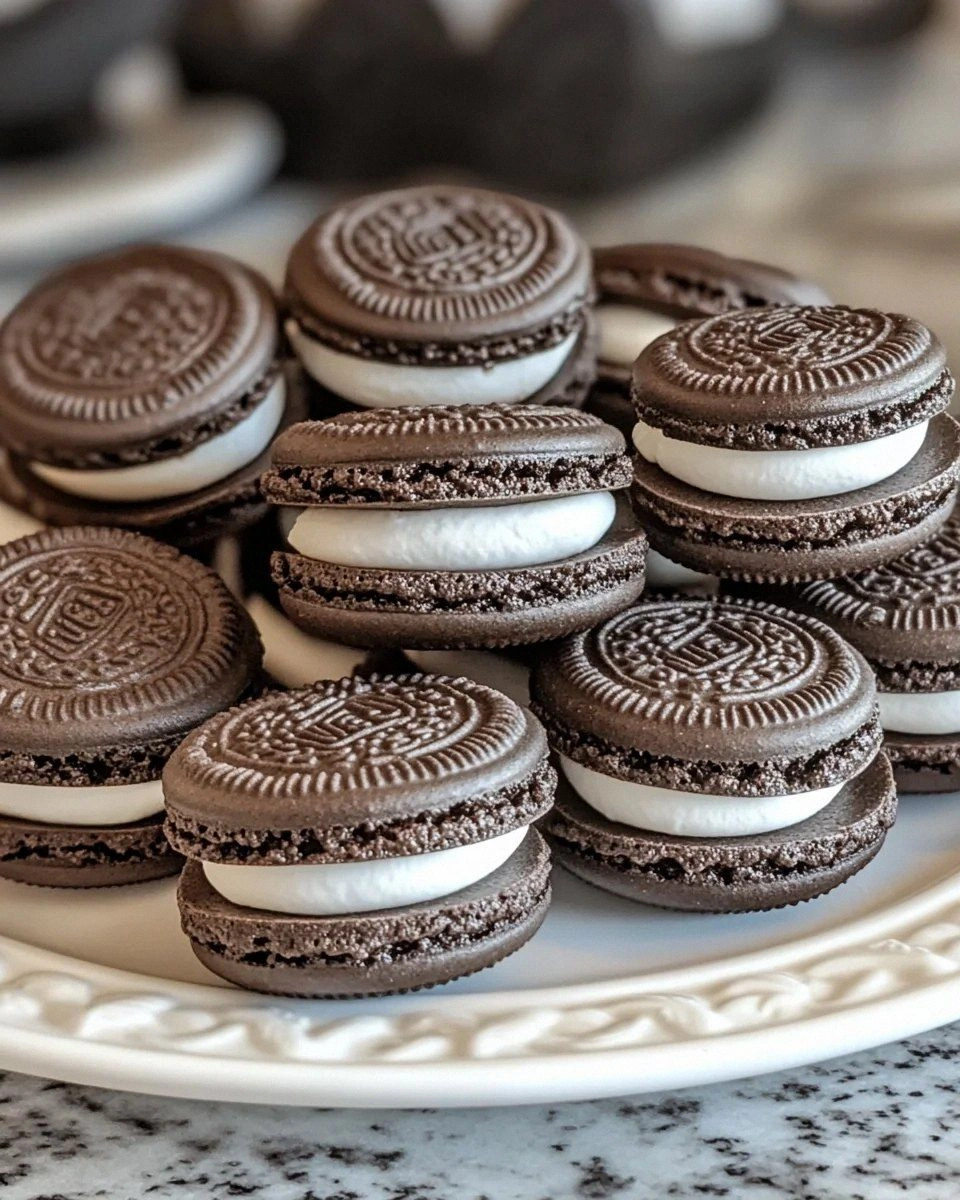
Picture this: the first bite shatters like thin ice, revealing a chewy interior that stretches just enough to make you smile, while a silky Oreo‑infused buttercream oozes out like a secret treasure. The aroma? A buttery, chocolate‑kissed perfume that fills the kitchen, making the whole house feel like a boutique patisserie. The sound of the macaron shells cracking under your teeth is a satisfying pop that says, “You’ve just nailed it.” And the feeling? A warm, buttery hug that lingers on your palate, reminding you why you fell in love with baking in the first place.
Most recipes get this completely wrong. They either over‑mix the batter and end up with flat, rubbery disks, or they under‑mix and get a mess that spreads like butter on toast. I’ve tried them all – the glossy, glossy‑look‑only‑macarons that taste like cardboard, the soggy ones that melt before you even get a bite. This version? Hands down the best version you'll ever make at home. It balances the crisp edge, the chewy middle, and the creamy Oreo filling with a precision that feels almost scientific. The secret? A tiny dash of cream of tartar, a precise folding technique, and a surprise ingredient that adds a subtle crunch.
Okay, ready for the game‑changer? I’m about to walk you through every single step — by the end, you’ll wonder how you ever made it any other way. Stay with me here — this is worth it. Picture yourself pulling these golden‑brown beauties out of the oven, the whole kitchen smelling incredible, and the first bite delivering a symphony of textures that will have everyone asking for the recipe. Let’s get started.
What Makes This Version Stand Out
- Texture: The shells have a crisp outer layer that shatters like thin ice, while the interior stays chewy enough to give a satisfying stretch. This contrast is what makes them addictive.
- Flavor: The buttery almond base is elevated by crushed Oreo cookies, giving a deep chocolate‑cream flavor that feels like a nostalgic cookie‑cream sandwich.
- Filling: A silky Oreo buttercream that’s creamy, not runny, hugging each shell like a perfect partner.
- Simplicity: Despite the impressive results, the ingredient list is short and the steps are straightforward – no fancy equipment required.
- Visual Appeal: The macaron’s natural matte finish paired with the speckled Oreo crumbs creates a look that’s Instagram‑ready without any artificial coloring.
- Make‑Ahead Potential: They keep beautifully in the fridge for up to three days, and the flavors actually meld and improve over time.
- Crowd Reaction: One bite and you’ll hear the “wow” chorus from friends, family, or anyone who’s ever struggled with a macaron.
- Ingredient Quality: Using high‑quality almond flour and real Oreo cookies (not the powdered version) makes all the difference.
Inside the Ingredient List
The Flavor Base
Almond flour is the heart of any classic macaron. It provides a subtle nutty flavor and a delicate crumb that’s essential for that airy, melt‑in‑your‑mouth sensation. If you skimp on quality, you’ll notice a gritty texture that ruins the whole experience. I always recommend a double‑sifted almond flour to eliminate any lumps. Should you run out? You can substitute with finely ground cashew flour, but expect a slightly richer taste.
The Texture Crew
Powdered sugar works hand‑in‑hand with almond flour to create the smooth batter that spreads just right. It also helps achieve that glossy finish on the shells. Granulated sugar, on the other hand, is crucial for the meringue – it stabilizes the egg whites and adds a glossy sheen. If you’re watching sugar, you can replace half of the granulated sugar with a natural sweetener like erythritol, though the texture may be a tad less glossy.
The Unexpected Star
Crushed Oreo cookies are the secret weapon that turns these macarons from “good” to “legendary.” They introduce a subtle crunch and a burst of chocolate‑cream flavor that pairs perfectly with the almond base. If you’re gluten‑free, look for gluten‑free chocolate sandwich cookies or make your own using gluten‑free chocolate wafers and a simple cream filling.
The Final Flourish
The buttercream filling combines unsalted butter, cream cheese, confectioners’ sugar, and a splash of vanilla. This trio creates a creamy, tangy, and sweet filling that’s thick enough to pipe but soft enough to melt on your tongue. For a dairy‑free version, swap butter with coconut oil and cream cheese with a vegan cream cheese alternative – the texture stays luxurious.
Everything's prepped? Good. Let’s get into the real action…
The Method — Step by Step
Start by preheating your oven to 300°F (150°C). While it’s heating, line two baking sheets with parchment paper and set a silicone mat on top. This ensures even heat distribution and prevents the shells from sticking. I like to rotate the trays halfway through baking for that perfect, uniform rise. Pro tip: A kitchen thermometer can verify that your oven isn’t running hot, which is a common culprit for cracked shells.
Kitchen Hack: Place a pan of hot water on the lower rack to create a humid environment; it helps the shells develop that coveted “foot” without cracking.Sift together 2 cups almond flour and 2 cups powdered sugar into a large bowl. This step is non‑negotiable – any lumps will show up as unsightly speckles on the finished macarons. After sifting, whisk in the ½ cup finely crushed Oreo cookies. The crumbs should be evenly distributed, giving each shell a speckled chocolate look.
In a clean, dry mixing bowl, whisk 3 large egg whites until they become foamy. Add a pinch of cream of tartar (about ¼ tsp) – this stabilizes the meringue and gives the shells their glossy finish. Slowly pour in ¼ cup granulated sugar while the mixer is on low, then increase to medium‑high speed. The meringue should reach stiff peaks; when you lift the whisk, the peaks should stand straight up without wobbling.
Now comes the “macaronage” – the delicate folding of the dry ingredients into the meringue. Start by adding a third of the almond‑sugar‑Oreo mixture to the meringue and gently fold with a spatula. Continue adding the rest, folding until the batter flows like lava and forms a thick ribbon when lifted. Watch out: Over‑mixing will cause the batter to become too runny, leading to flat shells; under‑mixing will leave a gritty texture.
Watch Out: If the batter is too thick, you’ll see “feet” that are too low and shells that don’t rise. Stop folding the moment the batter forms a smooth ribbon.Transfer the batter to a piping bag fitted with a ½‑inch round tip. Pipe uniform circles about 1½ inches in diameter onto the prepared silicone mat, leaving a 1‑inch gap between each. The spacing is crucial – the shells need room to spread without merging. After piping, tap the tray firmly on the counter three times to release any air bubbles.
Let the piped shells rest at room temperature for 30‑45 minutes, or until a thin skin forms on the surface. You’ll know they’re ready when you can gently touch them without any tackiness. This “drying” phase is what creates the signature “foot” – the little ridge at the base of each macaron.
Bake the shells for 15‑18 minutes. Keep an eye on them; the tops should be set and the edges slightly firm to the touch. If you open the oven too early, the shells might collapse. When done, they will have a matte finish with a subtle shine on the tops.
While the shells cool completely on the tray, prepare the Oreo buttercream. Beat ½ cup softened unsalted butter until creamy, then add 4 oz softened cream cheese and continue beating until smooth. Gradually incorporate ¼ cup confectioners’ sugar, followed by ½ cup crushed Oreo cookies and 1 tsp vanilla extract. Beat until light and fluffy – this is the creamy heart that will make your guests swoon.
Pair the shells: match similar‑sized tops and bottoms, then pipe a generous dollop of buttercream onto the flat side of one shell and sandwich it with its partner. Press gently to spread the filling to the edges. For an extra touch, sprinkle a few extra Oreo crumbs on top of each macaron.
Refrigerate the assembled macarons for at least 2 hours before serving. This resting period allows the flavors to meld and the shells to soften just enough to achieve that coveted “chewy” interior. That sizzle when it hits the pan? Absolute perfection. That's it — you did it. But hold on, I've got a few more tricks that'll take this to another level…
Insider Tricks for Flawless Results
The Temperature Rule Nobody Follows
Most bakers swear by a 300°F oven, but I’ve found that dropping the temperature to 285°F for the final 5 minutes yields a softer interior while preserving the crisp edge. This subtle shift prevents the shells from over‑drying, especially in humid kitchens. A friend tried skipping this adjustment once – the macarons turned out brittle and cracked like dry toast. Trust the thermometer; it’s your best friend.
Why Your Nose Knows Best
During the drying phase, you’ll notice a faint, sweet almond scent wafting from the tray. That’s your cue that the skin has formed. If you’re still unsure, lightly touch the surface – it should feel dry to the touch but not powdery. Relying on sight alone often leads to over‑drying, which kills the chewy center.
The 5‑Minute Rest That Changes Everything
After piping, let the shells rest for exactly five minutes longer than the recipe suggests. This extra time allows the batter to settle, resulting in a more pronounced “foot” and a smoother dome. I once rushed this step, and the shells spread too thin, leaving a flat, unappealing surface. Patience is the secret ingredient you can’t buy.
Buttercream Consistency is Key
If your buttercream is too runny, the macarons will become soggy; too stiff, and they’ll crack when you bite. To achieve the perfect balance, chill the bowl for 5 minutes after adding the powdered sugar, then beat again. This quick chill firms the buttercream just enough to pipe cleanly without leaking.
The “Steam‑Back” Reheat
When you’re ready to serve leftover macarons, place them on a microwave‑safe plate, add a tiny splash of water (about a teaspoon), and cover with a damp paper towel. Microwave for 10‑12 seconds. The steam revives the crisp edges while keeping the interior chewy. It’s a trick I use for every batch that sits a day or two.
Creative Twists and Variations
This recipe is a playground. Here are some of my favorite ways to switch things up:
Mint‑Chocolate Delight
Add ½ tsp peppermint extract to the buttercream and fold in crushed mint chocolate chips. The refreshing mint cuts through the richness, making it perfect for a summer party.
Salted Caramel Oreo
Swirl a drizzle of homemade salted caramel into the buttercream before piping. The salty caramel amplifies the chocolate notes and adds a luxurious gooey surprise.
Coffee‑Infused Crunch
Replace half of the crushed Oreos with finely ground espresso beans. The bitter coffee undertones balance the sweetness and give a sophisticated adult twist.
White Chocolate Raspberry
Swap the Oreo crumbs for white chocolate chips and fold in a spoonful of raspberry jam into the buttercream. The tart raspberry brightens the flavor profile.
Gluten‑Free Almond‑Coconut
Use gluten‑free chocolate sandwich cookies and add ¼ cup toasted coconut flakes to the batter. The coconut adds a tropical aroma that pairs beautifully with the almond base.
Storing and Bringing It Back to Life
Fridge Storage
Place the assembled macarons in an airtight container, layering parchment between layers to prevent sticking. They keep fresh for up to three days, and the flavors actually deepen as they sit.
Freezer Friendly
If you need to make them ahead, freeze the shells and buttercream separately. Wrap shells in a single layer of parchment, then a zip‑lock bag. Freeze the buttercream in a small container. When ready, thaw the shells for 30 minutes, pipe fresh buttercream, and let them sit in the fridge for an hour before serving.
Best Reheating Method
To revive a day‑old batch, place the macarons on a microwave‑safe plate, add a few drops of water, cover with a damp paper towel, and microwave for 8‑10 seconds. The tiny steam burst restores the crisp edge while keeping the interior delightfully chewy.