I was standing in my kitchen, a half‑cooked chicken breast on one side of the counter and a pan screaming for a miracle on the other. The smoke alarm had just given up its life‑long service because I’d tried to “speed‑up” a classic Italian sauce with a splash of milk and a dash of impatience. The result? A sad, watery mess that tasted like a regretful broth. I swore I’d never attempt a creamy chicken dish again—until I stumbled upon a secret technique that turned that disaster into pure gold.
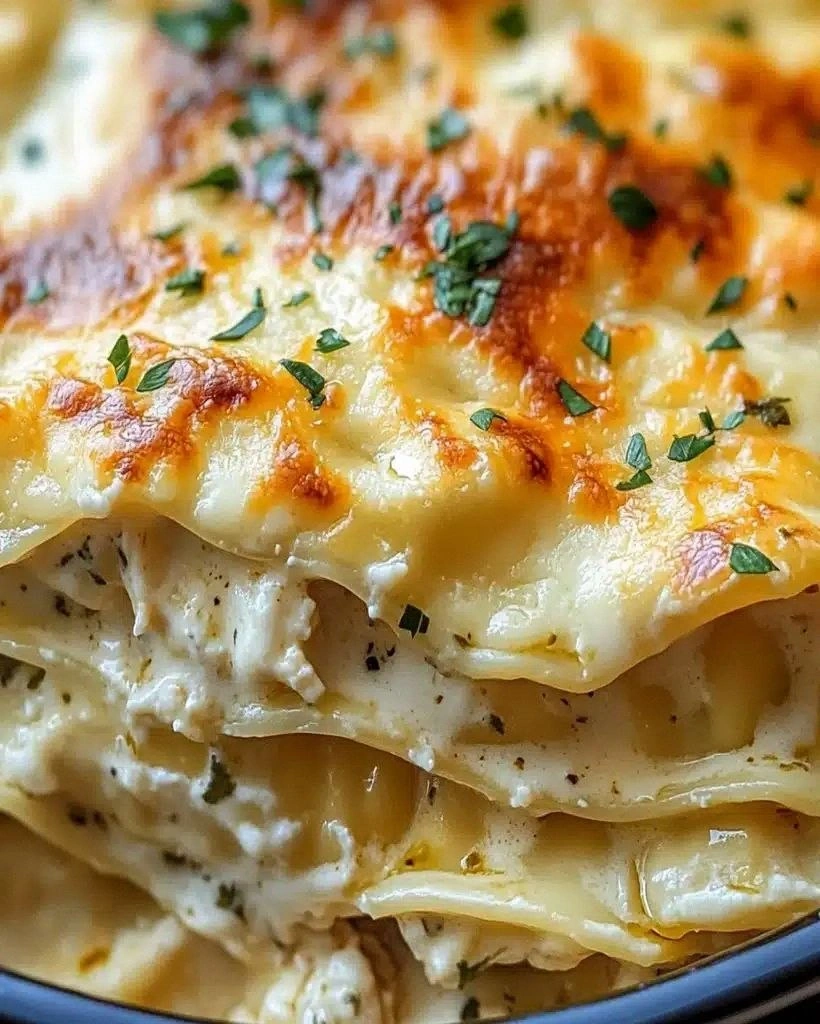
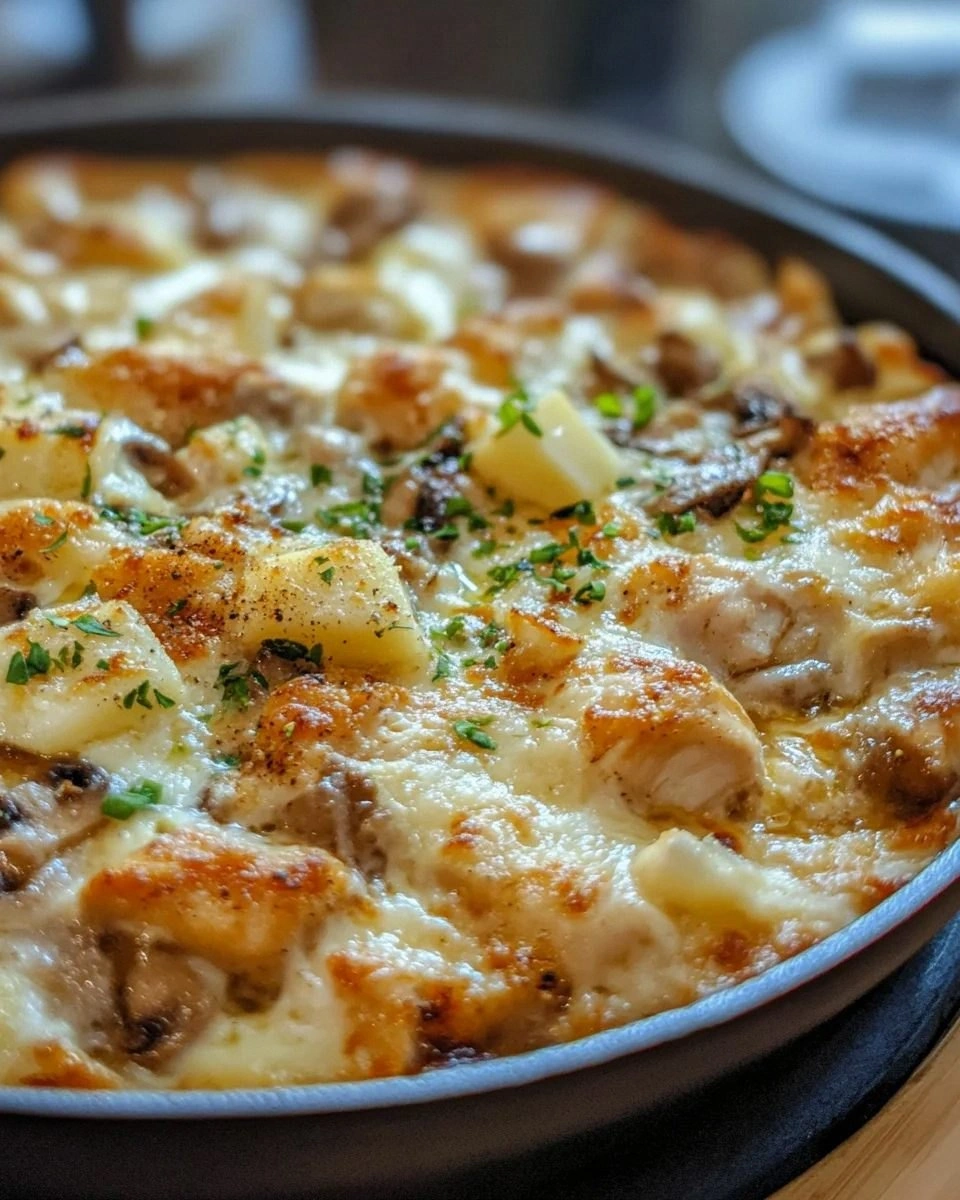
Picture this: a skillet humming as butter melts, the aroma of garlic and onions rising like a promise, then the chicken diving in, its surface caramelizing into a golden crust that cracks with a faint sigh. The sauce, thick enough to cling to the meat like a lover’s embrace, glistens with a buttery sheen and whispers of Parmesan, thyme, and a hint of lemon that cuts through the richness. When you finally spoon it over a bed of al dente pasta, the whole kitchen feels like a five‑star bistro on a Sunday afternoon.
Most recipes get this completely wrong. They either drown the chicken in a soupy swamp or they forget the finishing touch that makes the sauce sing. My version, however, balances the creaminess with a subtle tang, layers flavor with a roux that never lumps, and uses a splash of chicken broth to keep the depth without heaviness. I’ve tried every shortcut you can imagine, and I’ll be honest — I ate half the batch before anyone else got to try it. That’s how good it is.
And here’s the kicker: I’m going to reveal the one ingredient most home cooks skip because they think it’s “too fancy.” Trust me, it’s the secret weapon that takes this dish from “good” to “hands down the best version you’ll ever make at home.” Let me walk you through every single step — by the end, you’ll wonder how you ever made it any other way.
What Makes This Version Stand Out
- Velvet Texture: The sauce coats each bite like silk, thanks to a precise flour‑butter roux that prevents any grainy surprise.
- Layered Flavor: By sautéing the aromatics before the cream, you build a flavor foundation that deepens as it simmers.
- Simple Technique: No fancy equipment, just a single skillet and a few minutes of mindful stirring.
- Unexpected Brightness: A pinch of lemon zest cuts through the richness, making the dish feel lighter than it looks.
- Crowd‑Pleaser: Even picky eaters beg for seconds; I dare you to taste this and not go back for more.
- Make‑Ahead Friendly: The sauce actually improves after a short rest, so you can prep ahead and reheat without losing its charm.
Inside the Ingredient List
The Flavor Base
We start with 2 lbs of boneless, skinless chicken breasts. Choosing a good quality, preferably free‑range bird gives you a richer, more buttery mouthfeel that you can’t fake with cheaper cuts. If you skip the chicken, the dish loses its heart; you’ll end up with a glorified sauce that has no anchor. Swap: Chicken thighs work beautifully if you prefer a juicier bite, just increase the cooking time by a couple of minutes.
Next up, 2 tbsp each of olive oil and butter. The oil raises the smoke point so the chicken sears without burning, while butter adds that unmistakable nutty aroma. Skipping the butter would strip the dish of its signature depth, leaving it flat. Tip: Use a high‑quality extra‑virgin olive oil for a fruity backdrop that complements the cream.
The Texture Crew
One medium onion, diced, and three minced garlic cloves form the aromatic backbone. The onion softens into a sweet foundation, while garlic provides the pungent kick that makes the sauce unforgettable. Forgetting these is like skipping the chorus of a song—everything else feels off‑beat. Alternative: Shallots can replace onions for a milder, more delicate flavor.
A cup of sliced mushrooms adds earthiness and a meaty bite that mimics a richer protein. Mushrooms also release moisture that helps keep the chicken tender. If you’re not a fan, you can swap in frozen peas for a pop of color and sweetness.
The Unexpected Star
Two tablespoons of all‑purpose flour create the roux, the secret to that velvety sauce. The flour must be cooked just enough to lose its raw edge but not so long that it darkens; otherwise you’ll taste a burnt note. Gluten‑Free Tip: Use a rice flour blend; it behaves similarly in a roux.
One cup of chicken broth brings depth without overwhelming the cream. It’s the bridge between the sautéed aromatics and the dairy, ensuring the final sauce isn’t cloyingly heavy. Low‑sodium broth is best, so you can control the salt level yourself.
The Final Flourish
One cup of heavy cream is the luxurious heart of this dish. It’s the ingredient that makes the sauce “creamy” and “irresistible.” Using a lower‑fat alternative will thin the sauce and diminish the mouthfeel, turning it into a watery disappointment. Pro tip: Let the cream come to room temperature before adding it; it integrates more smoothly.
Half a cup of grated Parmesan cheese adds a salty, umami punch that pulls everything together. Freshly grated is essential—pre‑grated packets contain anti‑caking agents that prevent the cheese from melting properly. If you’re dairy‑intolerant, a sprinkle of nutritional yeast can mimic the cheesy note.
A teaspoon each of dried thyme, salt, and half a teaspoon of black pepper round out the seasoning. Thyme brings an herbaceous whisper that lifts the sauce, while the salt and pepper balance the richness. Skipping the thyme would make the dish feel one‑dimensional, like a solo singer without backup.
Finally, two tablespoons of fresh parsley and a teaspoon of lemon zest add a burst of freshness right before serving. The parsley adds color and a herbaceous lift, while the zest cuts through the cream, preventing it from feeling heavy. Omit them, and you’ll miss the bright finish that makes this dish sing.
Everything's prepped? Good. Let's get into the real action...
The Method — Step by Step
Heat a large skillet over medium‑high heat and add the olive oil and butter. Once the butter foams and the oil shimmers, lay the chicken pieces in a single layer. You’ll hear a satisfying sizzle that tells you the pan is hot enough. Let the chicken sear undisturbed for about 3‑4 minutes until it develops a golden crust that pulls away from the pan slightly. Flip and brown the other side for another 3 minutes, then remove the chicken to a plate and set aside.
Kitchen Hack: Pat the chicken dry with paper towels before searing; moisture is the enemy of a good crust.In the same skillet, add the diced onion. Reduce the heat to medium and let it sweat until it turns translucent, about 4 minutes. Add the minced garlic and sliced mushrooms, stirring constantly. The mushrooms will release their moisture, and you’ll notice the pan filling with an earthy perfume. Cook until the mushrooms start to brown around the edges, which should take another 3‑4 minutes.
Now, sprinkle the flour over the softened vegetables. Stir vigorously with a wooden spoon, making sure the flour coats every piece. This is the moment of truth: the mixture should turn a pale golden color without any lumps. If you see any clumps, keep whisking; the heat will dissolve them quickly.
Gradually pour in the chicken broth while whisking continuously. The sauce will thicken almost instantly, turning a creamy beige. Keep stirring for 2 minutes to ensure a smooth consistency. At this point, you can taste and adjust the salt if needed; the broth already adds some seasoning, so be gentle.
Reduce the heat to low and stir in the heavy cream. You’ll see the sauce become glossy, like a satin sheet. Let it simmer gently for 5 minutes, allowing the flavors to meld. The edges of the sauce should start to pull away from the pan, a visual cue that it’s thick enough to cling to the chicken.
Watch Out: If the heat is too high, the cream can separate, turning the sauce curdled. Keep it on low simmer and stir constantly.Stir in the grated Parmesan cheese, dried thyme, and black pepper. The cheese will melt into the sauce, adding a nutty depth that makes the dish truly irresistible. Keep stirring until the cheese fully dissolves and the sauce is smooth. This is where the flavor truly comes together, and you’ll notice a subtle aroma of toasted nuts.
Return the seared chicken to the skillet, nestling each piece into the sauce. Spoon some sauce over the top of each piece. Cover the pan and let everything simmer together for 8‑10 minutes on low heat. This final cooking stage allows the chicken to absorb the creamy sauce while staying juicy.
Kitchen Hack: Add a splash of the reserved chicken broth (about ¼ cup) if the sauce looks too thick after the chicken returns. It will loosen just enough without losing creaminess.Finish the dish by sprinkling fresh parsley and lemon zest over the top. The zest should be added at the very end; its bright citrus oils evaporate quickly, preserving that fresh pop. Give the skillet one last gentle stir, then turn off the heat.
Serve immediately over al dente pasta, rice, or a bed of roasted vegetables. The sauce should coat each bite like velvet, and the chicken should be tender enough to cut with a fork without resistance. Picture yourself pulling this out of the pan, the whole kitchen smelling incredible, and the first bite melting on your tongue. That’s the payoff for every minute you spent perfecting the steps.
That's it — you did it. But hold on, I've got a few more tricks that'll take this to another level...
Insider Tricks for Flawless Results
The Temperature Rule Nobody Follows
Never, ever start the sauce on high heat. A low, steady simmer gives the cream time to emulsify with the broth, preventing separation. I once tried to speed things up by cranking the flame, and the sauce curdled like a bad cheese fondue. The lesson? Patience is the secret ingredient. Keep the heat gentle, and you’ll get that glossy, cohesive sauce every time.
Why Your Nose Knows Best
Your sense of smell is a more reliable timer than any clock when it comes to sautéing aromatics. When the onions turn translucent and start to caramelize, you’ll notice a sweet, almost nutty scent. That’s the cue to add garlic—if you add it too early, it will burn and become bitter. Trust that nose; it will guide you to the perfect flavor base.
The 5‑Minute Rest That Changes Everything
After you finish cooking, let the dish sit uncovered for five minutes. This short rest allows the sauce to thicken a bit more and the flavors to marry fully. A friend tried to serve it immediately and complained the sauce was a little thin; a quick rest solved the problem. It’s a tiny step that makes a massive difference in texture and taste.
The Parmesan Timing Trick
Add the Parmesan cheese just before you return the chicken to the pan, not at the very start. If you melt it too early, it can become gritty as the sauce continues to simmer. By adding it near the end, the cheese melts into a silky finish without any grainy texture. This is the kind of nuance that separates a good dish from a great one.
The Lemon Zest Finale
Zest should never be cooked; its volatile oils evaporate instantly on heat, leaving you with a flat flavor. Grate the zest directly over the plated dish, then give a quick toss. The bright citrus lifts the entire sauce, preventing it from feeling heavy. I’ve seen cooks forget this step, and the result is a sauce that feels “stuck” on the palate.
Creative Twists and Variations
This recipe is a playground. Here are some of my favorite ways to switch things up:
Spicy Chipotle Gloria
Swap the lemon zest for a teaspoon of chipotle in adobo sauce, and add a pinch of smoked paprika. The smoky heat pairs beautifully with the cream, turning the dish into a bold, comforting dinner perfect for cooler evenings. Serve over corn polenta for a Mexican‑inspired twist.
Mushroom‑Only Umami Boost
Double the mushroom amount and add a splash of soy sauce in place of half the chicken broth. The extra umami deepens the sauce, making it almost meaty‑rich, which is perfect for vegetarians who still crave that hearty feeling. Pair with a side of garlic‑roasted asparagus.
Herbaceous Garden Gloria
Replace thyme with a blend of fresh basil, oregano, and a touch of rosemary. The fresh herb mix brightens the sauce, turning it into a spring‑time delight. Garnish with extra chopped basil for a pop of color and aroma.
Cheesy Four‑Cheese Variation
Add equal parts of Gruyère, Fontina, and Pecorino alongside the Parmesan. The blend creates a more complex, gooey cheese pull that’s perfect for comfort food lovers. This version is ideal when you want a decadent, restaurant‑style experience at home.
Coconut Curry Gloria
Swap the heavy cream for coconut milk, and stir in a tablespoon of red curry paste after the broth stage. The result is a fragrant, tropical spin that pairs well with jasmine rice. It’s a surprising but delightful fusion that will wow anyone at the table.
Storing and Bringing It Back to Life
Fridge Storage
Cool the dish to room temperature, then transfer it to an airtight container. It will keep for up to 3 days in the refrigerator. When reheating, add a splash of chicken broth or water to revive the sauce’s silkiness, then gently warm over low heat while stirring.
Freezer Friendly
Portion the chicken and sauce into freezer‑safe bags or containers. Freeze for up to 2 months. Thaw overnight in the fridge, then reheat on the stovetop, again adding a little liquid to bring back that creamy consistency. The flavor actually deepens after freezing, making it a perfect make‑ahead meal.
Best Reheating Method
The safest way to reheat is a gentle stovetop simmer. Place the leftovers in a skillet, add a tablespoon of water or broth, and stir continuously over low heat until the sauce is glossy again. Avoid microwave if possible, as it can cause uneven heating and a grainy texture.