I was standing in my kitchen, the air thick with the smell of burnt sugar from a failed attempt at a classic lemon sorbet, when a friend dared me to create something “guilt‑free and unforgettable.” I stared at the charred pan, the lemon zest clinging stubbornly to the side, and thought, “If I can survive this disaster, I can reinvent the whole thing.” The craving for that bright, citrusy chill didn’t fade; it grew louder, like a summer cicada humming in the heat, demanding a rescue mission. So I grabbed a handful of basil from the garden, squeezed a fresh lemon, and set out to prove that a sorbet could be both decadent and light, a dessert that whispers rather than shouts.
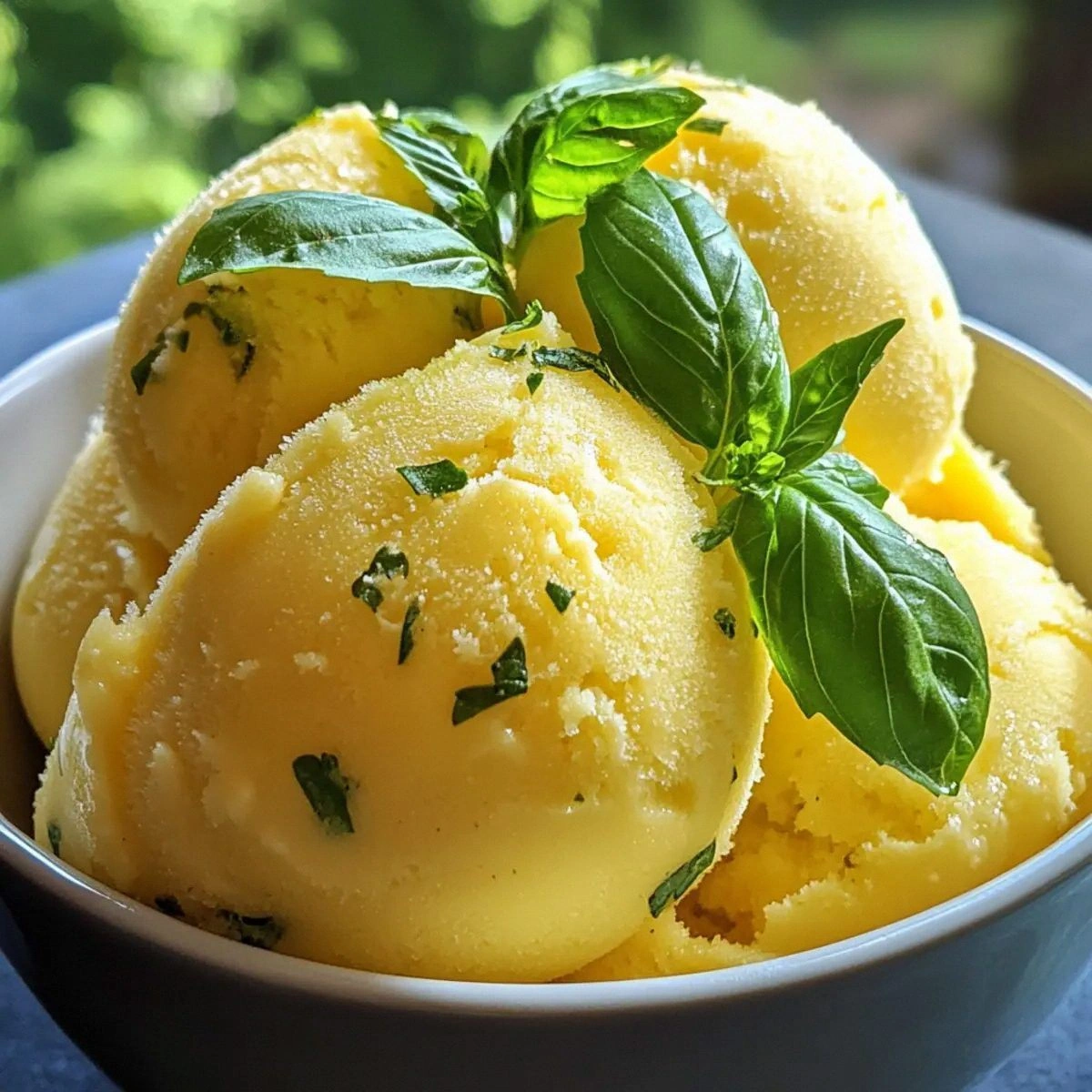
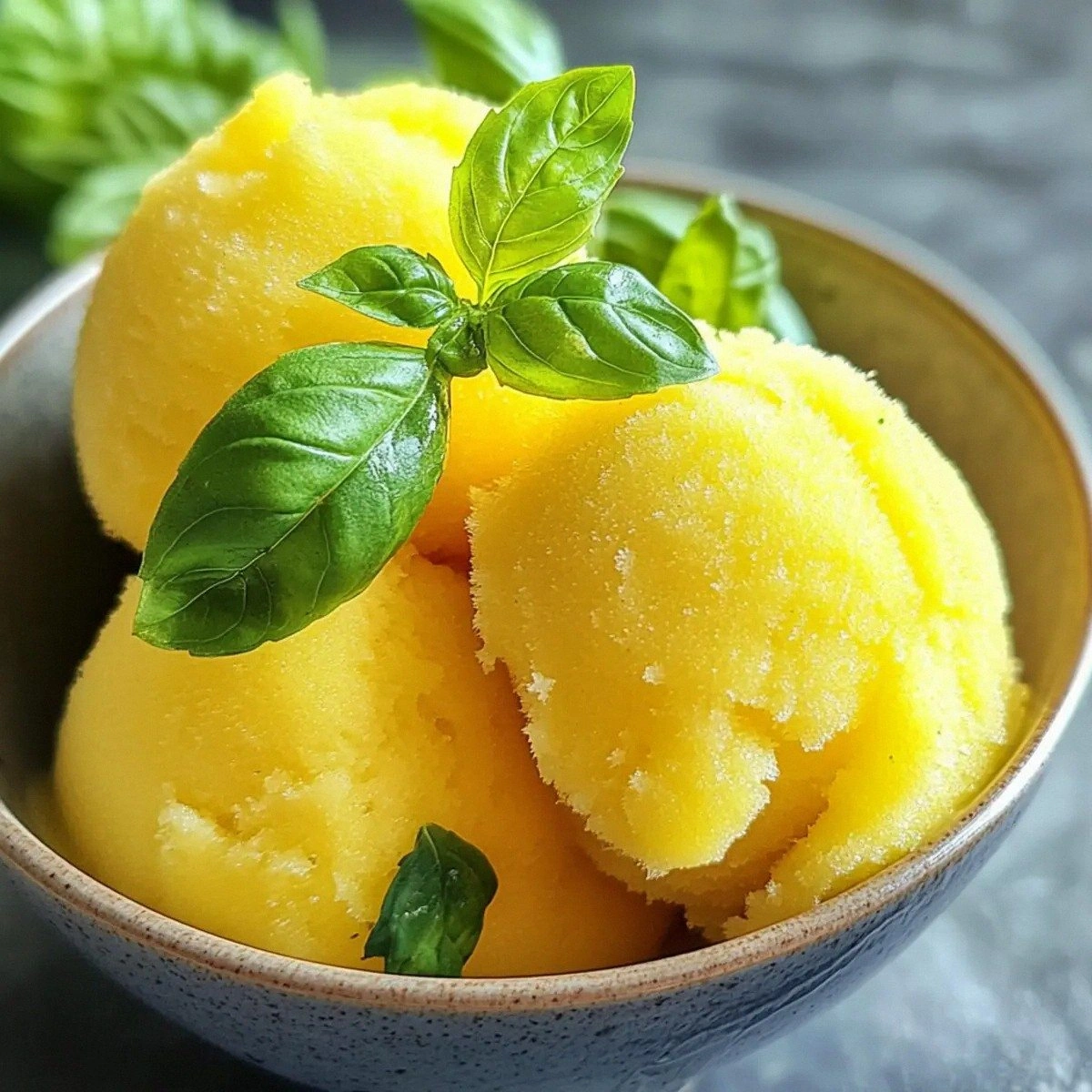
Picture this: a bowl of icy gold, speckled with emerald basil flecks, the aroma of lemon zest dancing with herbaceous green notes, and a texture that melts on your tongue like a soft sunrise over the ocean. The first spoonful hits you with a zing that’s simultaneously tart and sweet, then a subtle herbaceous whisper that makes you wonder why anyone ever used plain water in a sorbet. The sound of the spoon scraping the frozen surface is a gentle crackle, a promise that each bite is a crisp, clean escape from the sweltering heat outside. As you breathe in, the cool vapor carries the scent of a Mediterranean garden, and you can almost feel the sun warming your skin while the sorbet cools your palate.
What makes this version truly stand out is the simplicity of the ingredient list paired with a technique that guarantees a silky finish without any heavy cream or egg whites. Most recipes get this completely wrong—over‑sweetening, using too much water, or neglecting the herb balance—leaving you with a watery, bland mess. I’ve cracked the code by using a 1:1 ratio of lemon juice to sugar and water, then folding in fresh basil at just the right moment to lock in flavor without turning the mixture bitter. The secret weapon? A quick flash‑freeze in an ice bath before the final churn, which creates those tiny ice crystals that give the sorbet its melt‑in‑your‑mouth magic.
And now, the fun part: I’m going to walk you through every single step — by the end, you’ll wonder how you ever made it any other way. I dare you to taste this and not go back for seconds. Okay, ready for the game‑changer? Let’s dive in.
What Makes This Version Stand Out
- Pure Brightness: The 1‑cup fresh lemon juice gives a clean, unmasked acidity that cuts through the sweetness, delivering that perfect citrus punch you crave on a hot day.
- Herbal Elegance: Fresh basil isn’t just a garnish; it’s woven into the sorbet, providing a fragrant, slightly peppery undertone that elevates the whole experience.
- Silky Texture: By using a simple sugar‑water syrup and a brief ice‑bath shock, the sorbet avoids grainy ice crystals, achieving a velvety mouthfeel without any dairy.
- Zero Guilt: No heavy cream, no butter, just four wholesome ingredients, making it low‑calorie yet indulgent enough to satisfy any sweet tooth.
- Speedy Prep: From start to finish it takes under an hour, perfect for spontaneous summer gatherings or a quick after‑dinner treat.
- Crowd‑Pleaser: Guests rave, often asking for the recipe before the last spoonful disappears; it’s a conversation starter and a palate cleanser in one.
- Make‑Ahead Magic: This sorbet stores beautifully, so you can prep it the night before and have a ready‑to‑serve dessert that tastes fresher than any store‑bought version.
- Ingredient Integrity: Using fresh, high‑quality lemons and basil ensures every bite bursts with natural flavor, no artificial additives needed.
Inside the Ingredient List
The Flavor Base
Fresh lemon juice is the heart of this sorbet. One cup of juice from ripe lemons provides a natural acidity that brightens every other flavor, ensuring the final product never tastes flat. If you skimp on quality, you’ll get a bland, watery sorbet that feels more like a sugary drink than a frozen treat. Swap tip: If lemons are out of season, try Meyer lemons for a sweeter, less tart profile, but reduce the sugar by a tablespoon to keep balance.
The Sweetener
Granulated sugar does more than just sweeten; it lowers the freezing point, creating that smooth, scoop‑able texture we all love. Using a cup of sugar with equal parts water forms a syrup that coats the lemon juice, preventing icy crystals from forming. Should you prefer a lower‑calorie version, substitute half the sugar with a natural sweetener like agave or honey, but remember honey adds its own flavor notes.
The Herbaceous Boost
Fresh basil leaves bring a surprising depth, turning a simple citrus dessert into an herb‑infused masterpiece. One cup of loosely packed leaves, bruised gently, releases essential oils that mingle with the lemon, creating a perfume that’s both garden‑fresh and summer‑sweet. If basil isn’t your jam, try mint for a cooler vibe or thyme for an earthy twist—just keep the quantity the same to maintain balance.
The Dilution Hero
Water might seem boring, but it’s the silent hero that carries the flavors and ensures the sorbet freezes evenly. One cup of filtered water combined with sugar creates a syrup that prevents the mixture from becoming too dense, which would otherwise lead to a rock‑hard block. If you’re on a low‑sodium diet, feel free to use sparkling water for a hint of effervescence—just remember to let it settle before mixing.
Everything's prepped? Good. Let’s get into the real action…
The Method — Step by Step
First, gather your fresh lemons and basil. Slice the lemons in half and juice them, aiming for a full cup of bright, aromatic liquid. As you juice, you’ll notice the scent instantly lifting the mood of the kitchen—like a citrusy sunrise. While the juice is pouring, rinse the basil leaves, pat them dry, and give them a gentle bruise with the back of a spoon to release their essential oils. Pro tip: The more you bruise, the more flavor you capture, but avoid shredding them into a pulp.
Kitchen Hack: Toss the bruised basil into a zip‑top bag and gently mash with a rolling pin; this creates a basil‑infused paste that integrates more evenly.Next, make the simple syrup. Combine one cup of water and one cup of granulated sugar in a small saucepan over medium heat. Stir continuously until the sugar dissolves completely, watching for the first few bubbles that signal the syrup is ready. Once the sugar is fully incorporated, remove the pan from heat and let it cool for a minute—this is the moment where the syrup becomes a glossy, amber liquid that will later give the sorbet its silkiness.
Now comes the herb infusion. Add the bruised basil leaves to the warm syrup and let them steep for about five minutes, stirring occasionally. You’ll see the syrup turn a soft green hue, a visual cue that the basil is releasing its flavor. Watch Out: Do not let the mixture boil; overheating can make the basil taste bitter and ruin the delicate balance.
Watch Out: If you leave the basil in the hot syrup too long, the chlorophyll can turn the sorbet grayish, which looks unappetizing.Strain the basil‑infused syrup through a fine‑mesh sieve into a large mixing bowl, discarding the leaves. The liquid should be a clear, pale green, smelling like a garden after rain. Add the fresh lemon juice to the strained syrup, stirring gently to combine. At this point, the mixture should have a balanced sweet‑tart profile—taste it; if it feels too sharp, add a splash more syrup, but remember, the sorbet will taste sweeter once frozen.
Time for the flash‑freeze. Fill a large bowl with ice and water, then place a metal tray (or a shallow metal pan) inside, ensuring it’s submerged but not floating. Pour the lemon‑basil mixture onto the tray, spreading it thinly. The ice bath will chill the mixture rapidly, forming tiny ice crystals that are the foundation of a smooth sorbet. Stir every 30 seconds with a whisk; you’ll see the texture turning from liquid to a slushy consistency.
Once the mixture reaches a thick, snow‑like consistency, transfer it to a stand‑alone ice‑cream maker if you have one, or move straight to the freezer if you’re improvising. If using an ice‑cream maker, churn for about 8‑10 minutes until the sorbet is thick but still soft‑serve like. The churned sorbet should look glossy, with no large ice crystals visible—this is the moment of truth.
Kitchen Hack: If you don’t have a churner, blend the semi‑frozen mixture in a high‑speed blender for 30 seconds, then refreeze; repeat twice for a smoother texture.Transfer the churned sorbet into an airtight container, smoothing the top with a spatula. Press a piece of parchment paper directly onto the surface before sealing; this prevents ice crystals from forming on top. Freeze for at least two hours to allow it to firm up, but don’t over‑freeze—over‑hard sorbet loses that melt‑in‑your‑mouth magic.
When you’re ready to serve, scoop the sorbet into chilled bowls. The first spoonful should release a fragrant mist of lemon and basil, a sensory snapshot that makes you feel like you’re on a Mediterranean terrace. Garnish with a tiny basil leaf or a thin lemon zest ribbon for visual flair. And now, the fun part—watch your guests devour it and beg for the recipe. I’ll be honest — I ate half the batch before anyone else got to try it.
That's it — you did it. But hold on, I've got a few more tricks that'll take this to another level...
Insider Tricks for Flawless Results
The Temperature Rule Nobody Follows
Your sorbet’s texture hinges on how quickly it cools. If the mixture stays warm for too long, large ice crystals form, giving a gritty mouthfeel. The secret is to keep everything chilled—use chilled bowls for mixing, and pre‑freeze your mixing bowl if you have a metal one. I once tried to skip the ice‑bath step; the result was a slushy mess that never set. Trust me, a rapid chill is the difference between a professional‑grade sorbet and a disappointing freezer‑burn.
Why Your Nose Knows Best
Before you even taste, your nose can tell if the balance is right. A bright lemon scent with a subtle herb undertone signals perfect harmony. If the basil overpowers, you’ll smell a green, almost peppery aroma that can be jarring. Trust your olfactory cues; they’re more reliable than a kitchen timer when judging flavor balance.
The 5‑Minute Rest That Changes Everything
After churning, let the sorbet sit at room temperature for five minutes before the final freeze. This short rest lets the sugar crystals redistribute, preventing a hard freeze and ensuring a softer scoop. I once rushed straight to the freezer and ended up with a rock‑hard block that needed a heated spoon to serve—no one wants that. Patience here pays off in a smoother, creamier bite.
The Basil‑First, Lemon‑Later Switch
If you add basil after the lemon, the acidity can mute the herb’s brightness. By infusing the basil in the warm syrup first, you capture its full aromatic profile before the lemon’s sharpness arrives. This sequencing is why my version tastes so layered, whereas other recipes feel flat.
Air‑Freezing for Ultra‑Smoothness
If you have access to a blast freezer or an ice‑cream freezer with a built‑in air‑churn, use it. The rapid airflow prevents ice crystal formation, giving a texture that rivals high‑end gelato. Most home kitchens don’t have this, but a regular freezer works fine if you follow the flash‑freeze method described earlier.
Seasonal Swaps for Year‑Round Fun
When lemons are out of season, try a blend of lime and orange juice for a similar acidity with a tropical twist. Pair with mint instead of basil for a fresh summer vibe. The core technique remains unchanged, proving this sorbet is adaptable to any season’s bounty.
Creative Twists and Variations
This recipe is a playground. Here are some of my favorite ways to switch things up:
Berry‑Burst Basil
Add a cup of fresh strawberries or raspberries to the syrup before chilling. The berries introduce a sweet‑tart complexity that pairs beautifully with the herb, creating a sorbet that feels like a garden party in a bowl.
Spicy Citrus Kick
Stir in a pinch of finely ground red pepper flakes during the basil infusion. The subtle heat awakens the palate, turning the sorbet into a daring after‑dinner palate cleanser that still feels refreshing.
Lavender‑Lemon Dream
Swap half the basil for dried culinary lavender buds. The floral notes add an ethereal quality, perfect for a spring brunch or a sophisticated tea‑time treat.
Coconut‑Cream Fusion
Replace half the water with coconut milk for a richer mouthfeel and a hint of tropical flavor. This version is slightly higher in fat but still guilt‑free enough for a special occasion.
Mint‑Basil Hybrid
Combine equal parts fresh mint and basil for a dual‑herb sorbet that feels bright and cooling—ideal for hot summer barbecues where guests are looking for something light yet flavorful.
Storing and Bringing It Back to Life
Fridge Storage
If you plan to serve within 24 hours, keep the sorbet in an airtight container in the refrigerator. It will soften slightly, making it easier to scoop. Cover the surface with a thin layer of parchment paper to prevent ice crystals from forming.
Freezer Friendly
For longer storage, freeze the sorbet in a shallow metal pan, covered tightly with plastic wrap and then a lid. It will stay fresh for up to three weeks. When you’re ready to serve, let it sit at room temperature for about ten minutes; this restores its creamy texture.
Best Reheating Method
If the sorbet becomes too hard, sprinkle a tiny splash of water (about a teaspoon) over the surface and let it sit for a minute. The moisture creates a gentle steam that revives the sorbet without diluting the flavor, bringing it back to that perfect scoop‑ready consistency.