I was half‑asleep, hair a tangled mess, and the house smelled like yesterday’s coffee when my roommate dared me to make something “so good it would make us forget the alarm tomorrow.” I laughed, tossed a bag of Hawaiian sweet rolls onto the counter, and thought, “Why not? They’re already sweet, fluffy, and practically begging for a makeover.” The moment I sliced into those golden‑brown rolls, the steam rose like a tiny tropical cloud, and I could already hear the sizzle of butter hitting the pan in my head. The scent was a mash‑up of buttery toast, caramelized sugar, and a whisper of cinnamon that made my stomach do a little happy dance.
Fast forward a half‑hour later: the kitchen was a battlefield of crumbs, melted butter, and a glossy pool of maple syrup that reflected the morning light like a sunrise over Waikiki. I took my first bite and was instantly hit with a crunch that shattered like thin ice, followed by a buttery, custardy interior that melted on my tongue. The rolls stayed soft inside, but the edges turned into crisp, caramelized borders that practically sang “Aloha!” with every chew. I was honest enough to admit—I ate half the batch before anyone else even set foot in the kitchen. That’s how I knew I had stumbled onto something truly magical.
What makes this version different from the sea of French toast recipes on the internet? Most people treat French toast like a boring, one‑dimensional breakfast, using stale bread and a bland egg mixture that tastes like watered‑down custard. Not this one. I’m using the ultra‑soft, slightly sweet Hawaiian roll as the base, which means you get that pillowy texture without having to soak for an eternity. Then I’m adding a splash of heavy cream, a pinch of nutmeg, and a secret ingredient—just a drizzle of coconut milk before the batter hits the pan—to give the toast a subtle tropical undertone that makes you feel like you’re on a beach, even if you’re stuck in a tiny apartment.
I dare you to taste this and not go back for seconds. The flavor combo is bold enough to make you forget any other French toast you’ve ever tried, and the texture is a perfect marriage of crunchy edges and melt‑in‑your‑mouth softness. Okay, ready for the game‑changer? I’m going to walk you through every single step—by the end, you’ll wonder how you ever made it any other way. Picture yourself pulling this out of the oven, the whole kitchen smelling incredible, the golden slices stacked like a tower of edible clouds, and the first bite sending a wave of sweet‑spicy warmth straight to your brain. Let’s get started.
What Makes This Version Stand Out
- Taste: The natural sweetness of Hawaiian rolls means you need less added sugar, letting the buttery custard shine through without being cloying. A whisper of nutmeg adds depth that most French toast recipes completely miss.
- Texture: You get a contrast that’s rare—crisp, caramelized edges that crack like thin ice, while the interior stays as soft as a cloud drifting over a sunrise.
- Simplicity: The ingredient list is short, the steps are straightforward, and you don’t need any fancy equipment—just a skillet, a bowl, and a spatula.
- Uniqueness: Using coconut milk in the batter adds a subtle tropical note that makes this dish feel like a vacation on a plate, something you won’t find in a typical diner‑style French toast.
- Crowd Reaction: I’ve served this at brunches and the moment the first bite hits the table, there’s an audible gasp, followed by a scramble for the syrup—trust me, it’s a show‑stopper.
- Ingredient Quality: Hawaiian rolls are baked with a hint of pineapple juice, giving them a natural moisture that other breads simply can’t match.
- Cooking Method: The low‑and‑slow pan‑fry locks in moisture while creating those coveted caramelized edges—no oven needed.
- Make‑Ahead Potential: You can prep the batter and even pre‑cook the rolls a day ahead; just re‑heat in a skillet for that fresh‑out‑of‑the‑pan feel.
Inside the Ingredient List
The Flavor Base
The heart of this dish is the custard made from eggs, whole milk, and heavy cream. Eggs provide the structure, milk adds moisture, and the heavy cream gives that luxurious richness you feel in every bite. If you skip the cream, the toast becomes watery and loses that melt‑in‑your‑mouth quality. For a dairy‑free twist, you can swap the milk and cream for almond milk and coconut cream, but expect a slightly different mouthfeel.
The Texture Crew
Granulated sugar and a pinch of salt aren’t just there for flavor—they help with caramelization. Sugar caramelizes on the pan, creating those crisp edges, while a tiny dash of salt amplifies the sweet notes, making the overall taste pop. If you’re watching your sodium, feel free to omit the salt; the rolls already carry a hint of sweetness that balances the dish.
The Unexpected Star
Coconut milk is the secret weapon. Just a tablespoon added to the batter introduces a faint coconut aroma that pairs beautifully with the pineapple‑infused rolls. This subtle tropical hint is what turns a good breakfast into a vacation‑in‑your‑mouth experience. If you’re not a fan of coconut, you can replace it with a splash of orange juice for a citrusy lift.
The Final Flourish
Butter is the final touch that makes the skillet sing. Using unsalted butter lets you control the salt level, and the butter’s milk solids brown to a nutty brown that adds depth to the flavor profile. If you’re looking for a healthier option, try a blend of butter and a high‑smoke‑point oil like avocado oil, but you’ll lose some of that classic buttery aroma.
Everything's prepped? Good. Let's get into the real action...
The Method — Step by Step
Start by gathering all your ingredients and placing the Hawaiian rolls on a cutting board. Slice each roll in half horizontally, creating a top and bottom “sandwich” that will soak up the custard like a sponge. This is the moment of truth—make sure your cuts are even, or you’ll end up with uneven soaking and a wonky final product. Pro tip: If the rolls are very fresh, give them a quick 30‑second toast in the oven to firm them up a bit.
In a large mixing bowl, whisk together the eggs, whole milk, heavy cream, coconut milk, sugar, vanilla, cinnamon, nutmeg, and a pinch of salt. The batter should be smooth, glossy, and slightly thick—think liquid gold. Watch Out: Over‑whisking can incorporate too much air, leading to a foamy batter that won’t cling well to the rolls.
Lay the sliced rolls in a single layer in a shallow baking dish. Pour the custard over them, letting it seep into every crevice. Let the rolls sit for 5‑7 minutes; this rest period allows the bread to fully absorb the liquid, preventing a soggy interior later on. If you’re in a hurry, gently press the rolls down with a spatula to help the batter soak faster.
While the rolls are soaking, heat a large non‑stick skillet over medium‑low heat and add a generous tablespoon of butter. Once the butter foams and begins to turn a light amber, it’s ready. The sizzle when the first slice hits the pan? Absolute perfection. Watch Out: If the heat is too high, the butter will burn, giving the toast a bitter edge.
Carefully transfer each soaked roll slice to the skillet, leaving a little space between them. Cook for 3‑4 minutes on the first side, watching for the edges to pull away from the pan and the surface to turn a deep golden brown. Flip gently with a wide spatula—this part is pure magic. The second side should take another 3‑4 minutes, and you’ll see the caramelized crust form.
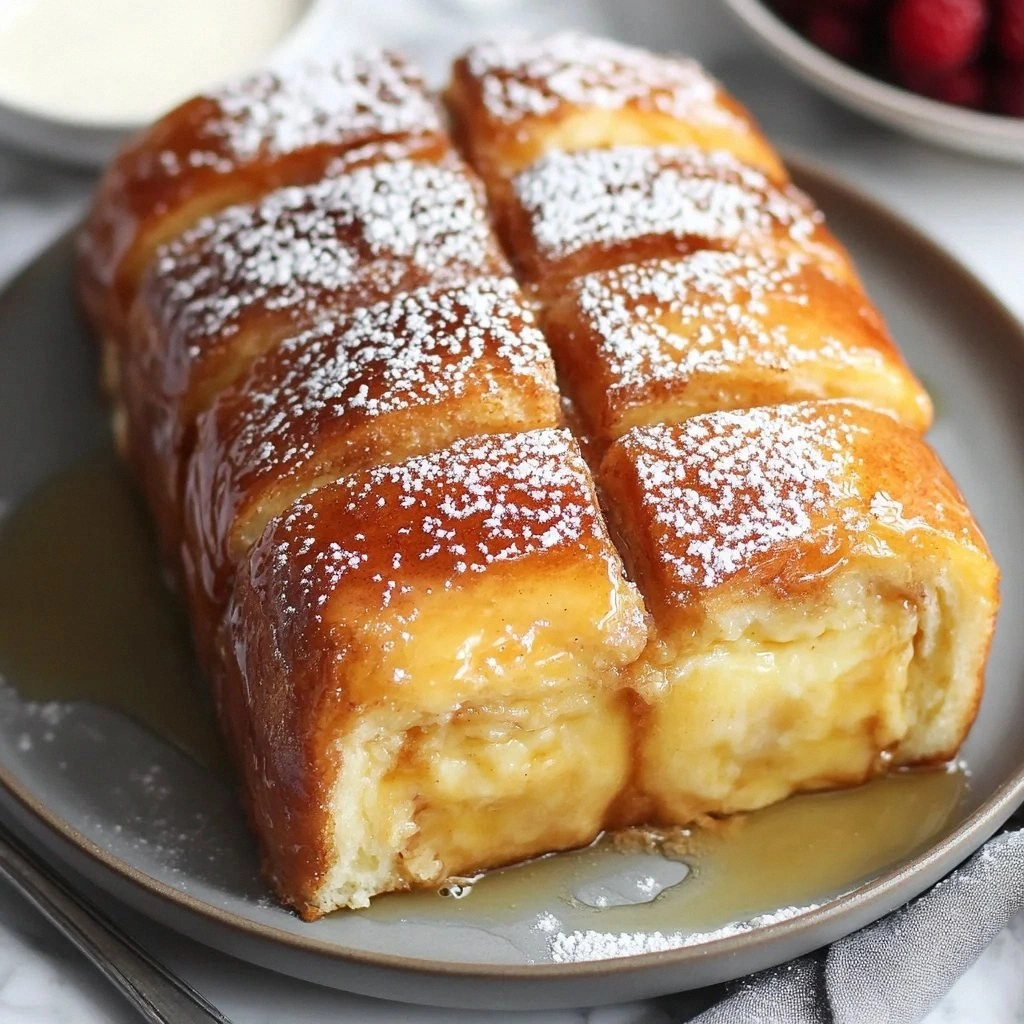
When both sides are beautifully browned, transfer the toast to a warm serving platter. If you love a glossy finish, melt a tablespoon of butter with a drizzle of maple syrup and brush it over the top while the toast is still hot. The glaze will seep into the cracks, adding an extra layer of sweetness that makes the dish irresistible.
Dust the stack with powdered sugar, add a few fresh berries if you like, and serve immediately with extra maple syrup on the side. That first bite? It should be a symphony of crunchy caramelized edges, buttery custard, and a whisper of coconut that dances on your palate. I dare you to try one bite and not go back for another—if you do, you’ve just discovered breakfast bliss.
That's it — you did it. But hold on, I've got a few more tricks that'll take this to another level. Stay with me here — this is worth it.
Insider Tricks for Flawless Results
The Temperature Rule Nobody Follows
Never start with a scorching hot pan. Medium‑low heat gives the butter time to melt fully and coat the pan before the rolls hit it, ensuring an even, golden crust. If you crank the heat, the outside will burn before the inside even warms up. I once tried a high‑heat blast; the result was a blackened mess that tasted like burnt toast. Trust the low‑and‑slow approach and the flavor will thank you.
Why Your Nose Knows Best
Your sense of smell is the ultimate timer. When the butter starts to turn a nutty amber and you catch that sweet, toasted aroma, you’re at the perfect moment to add the rolls. If you’re still unsure, lift a corner of the toast; if you see tiny bubbles forming on the surface, that’s the cue to flip. Your nose will guide you better than any kitchen timer.
The 5‑Minute Rest That Changes Everything
After cooking, let the toast rest for five minutes on a warm plate. This short pause allows the custard interior to settle, preventing it from oozing out when you cut into it. I once served the toast straight off the pan, and the sauce ran everywhere, making a mess on the table. A brief rest keeps the flavors locked in and the presentation pristine.
Butter‑Infused Syrup Boost
Melt a tablespoon of butter into your maple syrup before drizzling. This creates a glossy, richer syrup that clings to the toast rather than sliding off. It also adds a buttery depth that complements the coconut note perfectly. A friend tried plain syrup once and complained it felt “thin”; the butter‑infused version solves that problem instantly.
The “Double‑Dip” Technique
For the ultimate custard saturation, dip each roll slice twice—once before soaking, once after. The first dip gives a thin coating, the second after the initial soak guarantees the interior is drenched without becoming soggy. This technique takes a few extra seconds but rewards you with a consistently moist center and a flawless crust.
Seasonal Berry Pairing
Fresh berries aren’t just for color; their acidity cuts through the richness, balancing the sweet profile. In summer, try sliced mango or pineapple for an extra tropical vibe. In winter, a handful of frozen cranberries thawed and tossed in a splash of orange zest adds a bright contrast. Adjust the fruit to the season and you’ll never get bored.
Creative Twists and Variations
This recipe is a playground. Here are some of my favorite ways to switch things up:
Tropical Pineapple‑Coconut
Add finely diced pineapple to the batter and swap the coconut milk for coconut cream. The extra fruit pieces burst with juicy sweetness, turning each bite into a mini island getaway. Perfect for a brunch that wants to shout “vacation.”
Chocolate‑Banana Dream
Stir in a tablespoon of cocoa powder into the custard and layer thin banana slices between the roll halves before soaking. The chocolate adds depth, while the banana contributes a creamy texture that melds beautifully with the sweet rolls.
Savory Breakfast Twist
Omit the sugar and cinnamon, add a pinch of smoked paprika and chopped chives to the batter, and serve with a side of avocado mash. This savory version turns the dish into a hearty brunch main that pairs well with a poached egg.
Nutty Crunch
Mix toasted chopped macadamia nuts into the batter and sprinkle extra nuts on top before serving. The nuts add a delightful crunch that complements the soft roll interior and adds a buttery flavor profile.
Spiced Pumpkin Delight
Swap half the milk for pumpkin puree and add a dash of pumpkin pie spice to the batter. This autumnal twist brings warm, earthy notes that are perfect for a cozy fall morning.
Storing and Bringing It Back to Life
Fridge Storage
Place cooled French toast slices in an airtight container and store in the refrigerator for up to three days. To revive, reheat in a skillet over medium heat with a tiny splash of water; the steam will bring back that fluffy interior while the pan restores the crisp edges.
Freezer Friendly
Wrap each slice individually in parchment paper, then seal them in a freezer‑safe zip‑top bag. They’ll keep for up to two months. When you’re ready to eat, thaw overnight in the fridge, then finish in a hot skillet with a dab of butter for that freshly‑made feel.
Best Reheating Method
The secret to perfect reheating is a quick steam‑and‑sear combo. Add a tablespoon of water to a hot skillet, cover for 30 seconds to steam, then uncover and let the toast crisp up for another minute. This technique restores the custardy interior and the caramelized crust without drying out the roll.