I once tried to make a quick snack after a marathon Zoom call and ended up with a soggy piece of bread that tasted like cardboard. The kitchen was a battlefield of crumbs, a burnt skillet, and a lingering feeling that I’d never be able to satisfy that sudden craving for something fresh, tangy, and comforting. Then a friend dared me to combine my love for cottage cheese with the classic Italian Caprese, and I thought, “Why not? Let’s see if I can turn that disaster into a triumph.” I grabbed a loaf of sourdough, a tub of cottage cheese, a handful of ripe tomatoes, and a bunch of basil, and what happened next was nothing short of culinary fireworks.
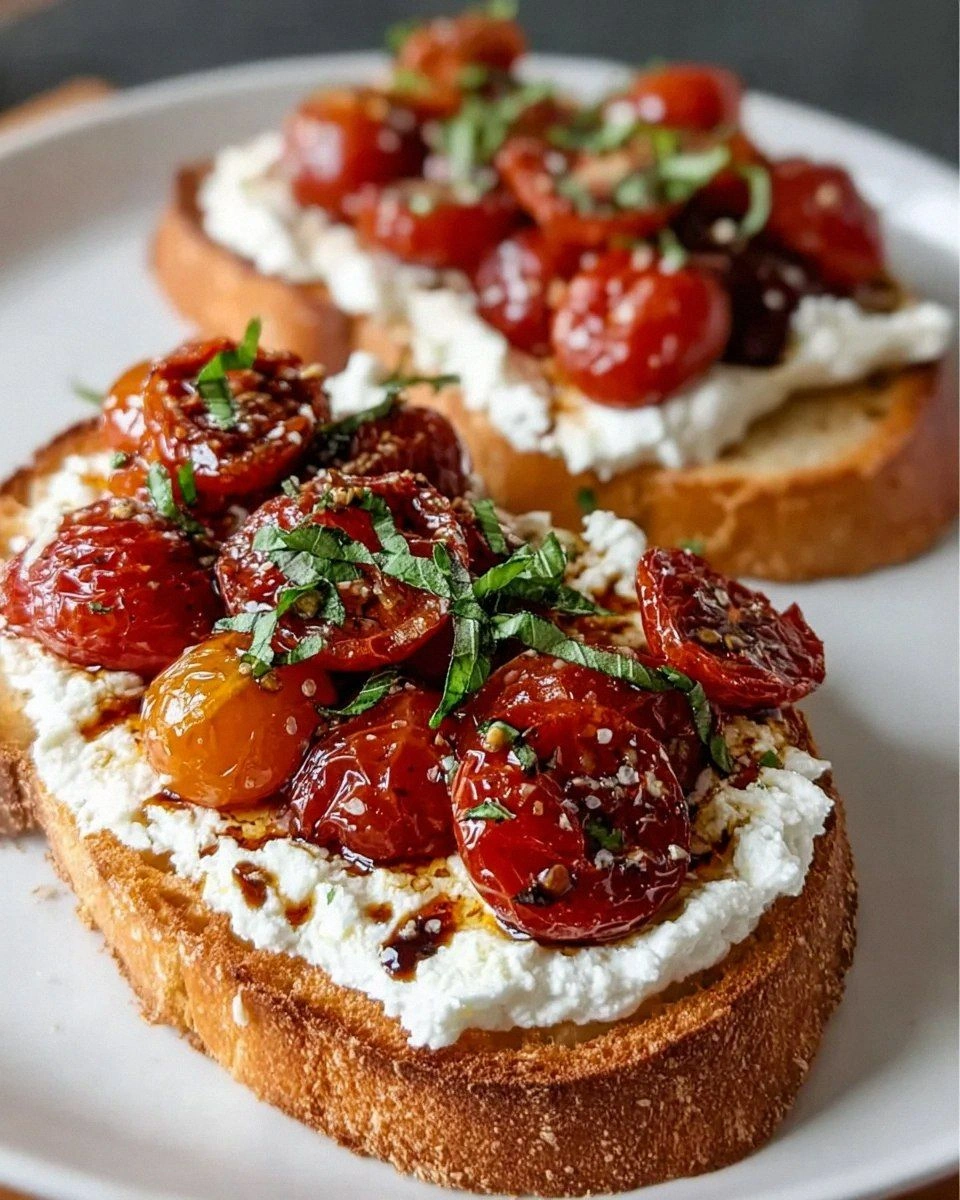
The moment the butter‑kissed toast hit the pan, you could hear a gentle sizzle that sounded like a tiny applause. The aroma of toasted bread mingled with the sweet perfume of fresh tomatoes, while the cottage cheese began to melt into a creamy veil that clung to the surface like a soft, buttery blanket. When I layered the mozzarella and basil on top, the colors popped like a summer garden on a plate, and the drizzle of olive oil added a glossy finish that made the whole thing gleam. I took a bite and was hit with a crunchy edge, a cool, tangy center, and a burst of herbaceous freshness that made my taste buds do a little happy dance.
Most Caprese toast recipes either drown the toast in cheese or forget the crucial step of toasting the bread just right, resulting in a soggy mess that collapses under the weight of the toppings. This version, however, treats each component with respect: the bread gets a perfect golden crust, the cottage cheese stays light yet luscious, and the tomatoes retain just enough bite to contrast the creamy base. I even added a secret weapon—a splash of lemon zest that lifts the whole dish like a bright sunrise over the Mediterranean. That little zing is the difference between “good” and “hands down the best version you’ll ever make at home.”
Okay, ready for the game‑changer? I’m about to walk you through every single step, from selecting the perfect loaf to plating the final masterpiece. By the end, you’ll wonder how you ever made a simple toast any other way. Let’s dive in and turn that ordinary kitchen moment into a culinary celebration.
What Makes This Version Stand Out
- Taste: The combination of tangy cottage cheese, sweet tomatoes, and fragrant basil creates a balanced flavor profile that sings with every bite.
- Texture: A crisp, buttery toast base meets a creamy, slightly grainy cottage cheese layer, while the tomatoes add a juicy pop.
- Simplicity: Fewer than ten ingredients, all of which you probably already have in your fridge, make this a no‑fuss weekday hero.
- Uniqueness: Swapping traditional mozzarella for cottage cheese cuts calories without sacrificing that classic Caprese feel.
- Crowd Reaction: Guests invariably ask for seconds, and I dare you to taste this and not go back for more.
- Ingredient Quality: Fresh, ripe tomatoes and aromatic basil are the stars; the rest simply amplify their brilliance.
- Cooking Method: A quick pan‑toast locks in flavor and gives the bread a satisfying crunch that oven‑baking can’t match.
- Make‑Ahead Potential: Assemble the toppings ahead of time; a quick re‑toast before serving brings everything back to life.
Inside the Ingredient List
The Flavor Base
Fresh tomatoes are the heart of any Caprese dish, and for this toast they provide that juicy burst of sweetness that balances the tang of cottage cheese. Choose heirloom or vine‑ripened tomatoes for maximum flavor; they’re sweeter and more aromatic than grocery‑store varieties. If you skip the tomatoes, you lose the essential acidity that cuts through the richness, leaving the toast feeling one‑dimensional.
Swap idea: If tomatoes are out of season, try thinly sliced ripe peaches or even grilled zucchini for a summer twist that still respects the bright, fresh vibe.
The Texture Crew
Cottage cheese is the secret weapon here. Its light, slightly grainy texture creates a creamy cushion without the heaviness of full‑fat mozzarella. Look for a small‑curd variety; it spreads more evenly and integrates better with the toast. Skipping cottage cheese means you’ll need a heavier cheese, which can overwhelm the delicate toast and make the dish feel greasy.
If you’re lactose‑intolerant, a high‑protein plant‑based ricotta works surprisingly well, offering a similar texture with a subtle nutty note.
The Unexpected Star
A splash of lemon zest might sound odd in a Caprese, but it lifts the entire flavor spectrum, adding a bright citrus spark that makes the dish sing. The zest’s aromatic oils mingle with the basil, creating a perfume that’s almost floral. Forgetting the zest results in a flatter taste that leans too heavily on the dairy and tomato.
For a milder lift, try a drizzle of aged balsamic reduction; it adds sweetness and depth without the sharp citrus punch.
The Final Flourish
Fresh basil leaves are the aromatic crown jewel. Their peppery, slightly sweet notes weave through every bite, tying the tomato and cheese together. Tear the leaves just before serving to avoid bruising; a bruised leaf turns bitter and loses its vivid green color.
If basil isn’t your thing, try a handful of arugula for a peppery bite, or mint for a refreshing twist that pairs beautifully with the lemon zest.
Everything's prepped? Good. Let's get into the real action...
The Method — Step by Step
Start by heating a wide, heavy skillet over medium‑high heat. While the pan warms, slice the bread into 1‑inch thick pieces; a sturdy sourdough or country loaf works best because it holds up to the toppings. Once the pan is hot enough that a few drops of water sizzle and evaporate immediately, add a thin layer of olive oil—just enough to coat the surface. You’ll hear a gentle hiss, the sound of the pan greeting the oil, and that’s the cue to move on.
Kitchen Hack: Use a pastry brush to spread the oil evenly; this ensures every edge of the bread gets that buttery kiss without excess pooling.Place the bread slices in the pan, leaving a little space between them. Let them cook undisturbed for about 2‑3 minutes; you’ll see the edges turning a deep golden brown and the surface beginning to crisp. Flip the slices carefully with a spatula; the underside should be a gorgeous caramel color, and the other side will need just another minute or so. The goal is a crunchy crust that still has a tender interior—think “crunchy edges that shatter like thin ice” when you bite into them.
While the toast is finishing, whisk together the cottage cheese, a pinch of salt, and freshly ground black pepper in a medium bowl. Add the lemon zest at this stage; the zest’s oils will infuse the cheese, giving it a bright, aromatic lift. If you prefer a smoother spread, use a hand mixer for a few seconds, but be careful not to over‑whip—it should stay a little lumpy for texture.
Now comes the assembly. Spoon a generous dollop of the seasoned cottage cheese onto each slice of toast, spreading it to the edges. The cheese should be thick enough to hold the tomato slices without sliding off, but not so thick that it drowns the bread. This is the canvas for the rest of the masterpiece.
Layer the tomato slices over the cottage cheese, arranging them in an overlapping pattern for visual appeal. The tomatoes should be just thick enough to give a bite—about ¼‑inch slices work perfectly. Sprinkle a pinch of sea salt over the tomatoes; this draws out their natural juices and intensifies the flavor.
Watch Out: If you over‑salt the tomatoes, the toast can become soggy quickly. Add salt sparingly and taste before adding more.Scatter fresh basil leaves over the top, tearing them just before they hit the toast to release their essential oils. Drizzle a thin stream of extra‑virgin olive oil across each piece; this adds a glossy sheen and a subtle fruitiness that ties the whole dish together.
For those who love a sweet‑savory contrast, finish with a light drizzle of balsamic reduction. The syrupy glaze adds a tangy depth that mirrors the classic Caprese flavor profile while keeping the dish light. Remember, a little goes a long way—just a few drops per slice are enough to create a beautiful marbled effect.
Let the assembled toasts rest for about a minute before serving. This brief pause allows the cheese to settle, the tomatoes to release a hint of their juices, and the flavors to meld. Picture yourself pulling this out of the pan, the whole kitchen smelling incredible, and the anticipation building as you take the first bite.
Kitchen Hack: If you’re preparing a crowd, assemble the toasts on a baking sheet and pop them under a hot broiler for 1‑2 minutes just before serving to re‑crisp the bread.
That's it — you did it. But hold on, I've got a few more tricks that'll take this to another level...
Insider Tricks for Flawless Results
The Temperature Rule Nobody Follows
Never toast bread on low heat; the crust will dry out before it gets that golden crunch. A medium‑high setting ensures the Maillard reaction happens quickly, giving you those beautiful caramelized edges. I once tried a low‑and‑slow approach and ended up with bread that tasted like a cardboard wafer. Trust the heat, and the toast will reward you with a buttery snap.
Why Your Nose Knows Best
When the olive oil hits the pan, you’ll notice a fragrant, slightly peppery scent. That aroma is your cue that the oil is hot enough to sear the bread without burning. If you can’t smell the oil, it’s probably not hot enough yet. Follow your nose, not just the clock.
The 5‑Minute Rest That Changes Everything
After assembling the toast, let it sit for five minutes. This short rest allows the cottage cheese to firm up slightly, preventing it from sliding off when you pick up the slice. It also gives the tomatoes a chance to release a tiny bit of juice, which mingles with the cheese for a more cohesive bite. I’ve seen impatient cooks skip this step, only to watch their masterpiece collapse.
Basil Prep Like a Pro
Instead of tearing basil leaves whole, give them a quick slap between your palms. This technique releases the essential oils without bruising the leaves, preserving their bright green color and fresh flavor. A friend tried to chop the basil finely and ended up with a bitter, over‑processed herb that overpowered the dish.
The Secret Splash of Water
If you’re reheating leftover toast, add a tiny splash (about a teaspoon) of water to the pan before warming. The steam generated revives the crust, making it crisp again without drying out the cheese. It’s a trick I use for all toasted dishes, and it works like magic.
Creative Twists and Variations
This recipe is a playground. Here are some of my favorite ways to switch things up:
Mediterranean Mezze
Swap the cottage cheese for a thick layer of hummus, add sliced cucumber, and sprinkle with za’atar. The earthy spices and creamy chickpea base give the toast a Middle‑Eastern flair that pairs beautifully with the fresh tomatoes.
Spicy Sriracha Kick
Drizzle a thin line of sriracha over the cottage cheese before adding the tomatoes. The heat cuts through the richness, creating a bold flavor contrast that’s perfect for brunch lovers who crave a little fire.
Avocado Dream
Mash half an avocado with a squeeze of lime and spread it under the cottage cheese. The buttery avocado adds a silky texture, while the lime brightens the entire dish, making it feel like a summer picnic.
Cheesy Overload
Add a thin slice of fresh mozzarella on top of the tomatoes, then pop the assembled toast under a broiler for 30 seconds until the cheese melts into a gooey blanket. This version satisfies cheese addicts without sacrificing the fresh tomato bite.
Sweet & Savory
Top the toast with thinly sliced figs and a drizzle of honey instead of balsamic. The sweet figs complement the tangy cheese and tomatoes, creating a sophisticated balance that’s perfect for a brunch party.
Storing and Bringing It Back to Life
Fridge Storage
Place any leftover toast in an airtight container lined with a paper towel to absorb excess moisture. Store for up to 2 days. When you’re ready to eat, reheat in a skillet over medium heat for 2‑3 minutes per side; the paper towel helps keep the crust from getting soggy.
Freezer Friendly
Wrap each assembled toast tightly in plastic wrap, then place them in a freezer‑safe zip‑lock bag. They’ll keep for up to 1 month. To reheat, thaw in the fridge overnight, then give them a quick blast under a hot broiler or in a toaster oven until the bread regains its crunch.
Best Reheating Method
For the ultimate revival, preheat a skillet, add a splash of water, and cover the pan with a lid for 30 seconds. The steam revives the toast’s interior, while the uncovered last 30 seconds restores the crispy crust. This method works better than a microwave, which makes the bread rubbery.