I still remember the night I almost set my kitchen on fire trying to make a "quick" Cajun pasta. The smoke alarm was screaming, my roommates were evacuating with their cereal bowls, and there I stood — wooden spoon in hand — staring at a pot of chicken that looked like charcoal briquettes floating in Pepto-Bismol. That disaster haunted me for months. Every time I passed the spice aisle and caught a whiff of paprika, I'd flash back to the fire department's polite but pitying smiles. Fast forward two years: I was visiting New Orleans, tipsy on beignets and jazz, when a street-corner chef handed me a sample of something that made my knees buckle. It was the same dish I'd murdered, except this version sang — smoky, creamy, with that slow-building heat that makes you reach for another bite even while you're reaching for your water glass. I begged. I pleaded. I may have cried a little. Finally, the chef leaned in and whispered, "The secret? Treat your spices like they're royalty, not cheap perfume." That single sentence changed everything.
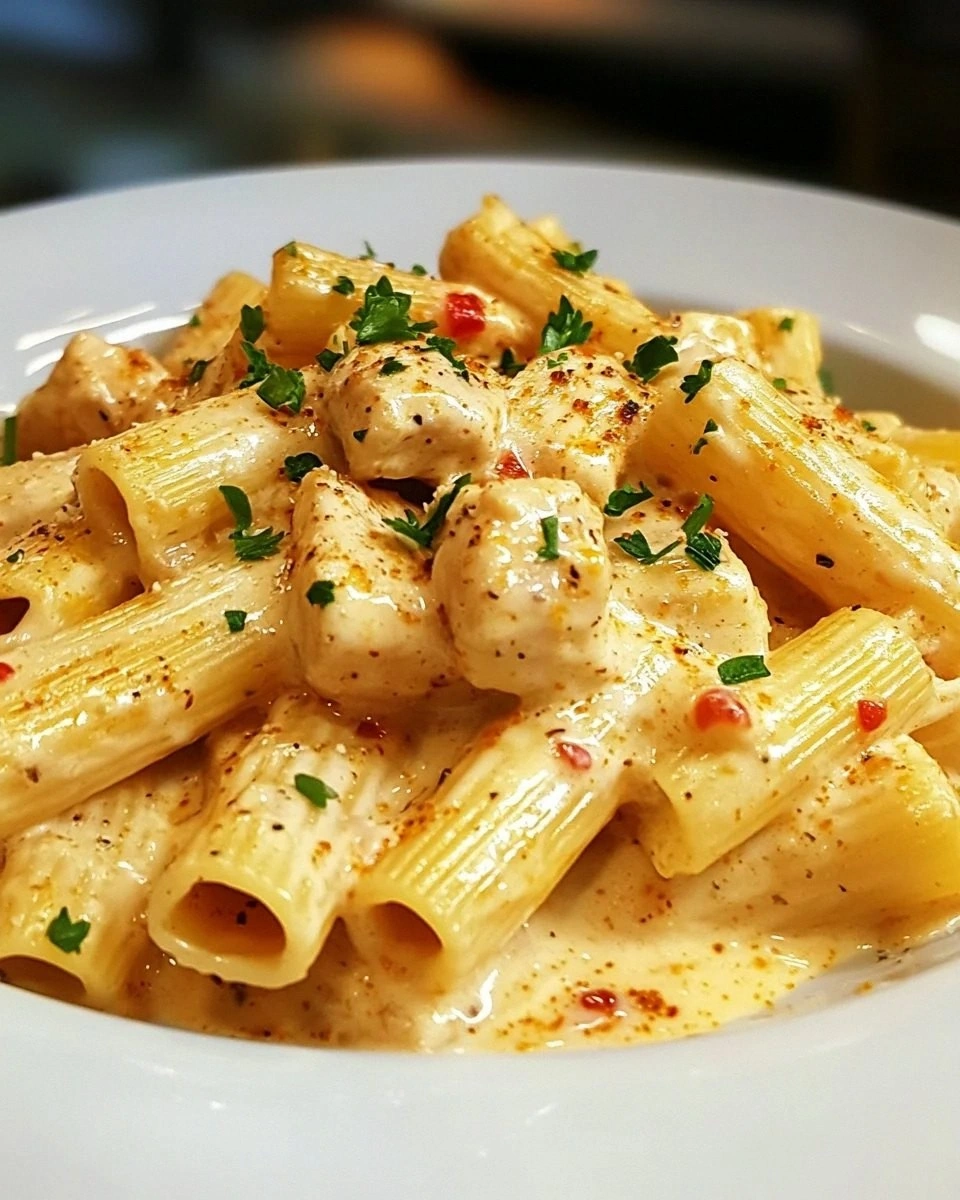
Picture this: it's 8 p.m. on a Tuesday, you're still wearing your work badge, and your stomach is staging a protest rally. You want something that tastes like you spent hours in the kitchen, but you also want to be horizontal on the couch before the next episode of whatever show you're bingeing auto-plays. This Cajun chicken rigatoni is that unicorn recipe — restaurant-level flavor from pantry staples in under 45 minutes. The sauce coats each tube of pasta like velvet, the chicken stays juicy with those crispy blackened edges that shatter like thin ice, and the spice level walks that perfect line between "hello there" and "call the fire department." Most recipes get this completely wrong by dumping in a ton of cayenne and calling it a day. Here's what actually works: layering heat through three different vehicles, building flavor like you're constructing a skyscraper instead of throwing everything into a demolition derby.
Okay, ready for the game-changer? We're going to toast our Cajun seasoning in the rendered chicken fat until it smells like Mardi Gras in your kitchen — that sizzle when it hits the pan? Absolute perfection. Then we'll deglaze with chicken broth, scraping up every bit of flavor, before adding cream so slowly it doesn't even think about breaking. The result is this sunset-orange sauce that tastes like someone distilled Louisiana into liquid form. I dare you to taste this and not go back for seconds. I'll be honest — I ate half the batch before anyone else got to try it, standing over the stove with the serving spoon like a defensive raccoon. Stay with me here — this is worth it.
Let me walk you through every single step — by the end, you'll wonder how you ever made it any other way.
What Makes This Version Stand Out
Most Cajun pastas taste like someone sneezed spice blend into a pot of heavy cream and called it a day. This version? It's got more layers than your favorite Netflix drama. Here's why you'll trade in your current recipe faster than you can say "laissez les bons temps rouler."
- Three-Heat Harmony: We build heat in waves — first a blackened crust on the chicken, then a whisper in the cream sauce, and finally a kiss of hot sauce at the end. Each bite starts warm, builds to a crescendo, then melts into creamy relief. Most recipes get this completely wrong by carpet-bombing your taste buds with cayenne.
- Texture Tango: Rigatoni's wide tubes catch the sauce like tiny edible straws, while the chicken gets that restaurant-quality crust through a simple technique involving a screaming-hot pan and patience. The result? Crispy edges that give way to tender meat, all swimming in silk.
- One-Pan Wonder: Everything happens in a single skillet, including the pasta cooking if you're feeling rebellious. Less dishes, more Netflix time. Future pacing: Picture yourself pulling this out of the oven, the whole kitchen smelling incredible, and realizing you only have one pan to wash.
- Make-Ahead Magic: The sauce actually improves overnight as the spices bloom and marry. I make double, freeze half, and on busy weeks I'm 15 minutes away from tasting like I have my life together. If you've ever struggled with meal prep tasting like sadness, I've got the fix.
- Ingredient Integrity: No bland chicken breast or watery tomatoes here. We use real-deal Cajun seasoning, proper Parmigiano-Reggiano, and a technique that keeps the chicken juicier than gossip at a family reunion.
- Crowd Control: This recipe scales from romantic dinner for two to feeding the whole sports team without losing its mind. I've served it at everything from first dates to graduation parties, and it never fails to elicit that involuntary happy dance people do when food is really good.
Alright, let's break down exactly what goes into this masterpiece...
Inside the Ingredient List
Before we start throwing things into pans like we're on a cooking show, let's talk about why each component matters. Because here's the thing: you can have the best technique in the world, but if your ingredients are sad, your dinner will taste like disappointment.
The Flavor Base
The rigatoni isn't just a vehicle — it's a sauce-catching champion. Those wide tubes act like little edible pipes, grabbing onto the creamy Cajun sauce and delivering maximum flavor with every bite. Skip the penne or fusilli here; you want something substantial enough to stand up to bold flavors without getting lost. When you're standing in the pasta aisle, grab the bronze-cut stuff if you can find it. The rougher texture grips sauce like it's holding on for dear life.
Chicken breast gets a bad rap for being dry and boring, but that's because most people treat it like punishment food. Cut it into proper bite-sized pieces — about the size of your thumb joint — and it'll cook quickly while staying juicy. The key is starting with cold chicken right from the fridge; it gives you more control over the sear. If you've ever struggled with rubbery chicken, you're not alone — and I've got the fix coming up in the method section.
Good Cajun seasoning is the difference between tasting New Orleans and tasting someone who once read about New Orleans. Look for one that lists paprika as the first ingredient, not salt. Better yet, make your own: two tablespoons paprika, two teaspoons each garlic powder and onion powder, one teaspoon each dried oregano, thyme, and black pepper, half teaspoon cayenne, and one teaspoon salt. Mix it up and store it like liquid gold.
The Texture Crew
Olive oil might seem basic, but use the good stuff here. The first thing that hits the pan sets the foundation for everything else, and cheap oil tastes like... well, cheap oil. You don't need to mortgage the house for the fancy bottle, but skip the dollar-store stuff that smells like crayons. We're using it to create a barrier between the chicken and the pan, and to bloom our spices into something magical.
Onion is the unsung hero of this dish — it melts down into sweet, jammy bits that provide the sauce's body. Don't rush this step. Let it go low and slow until it's translucent and begging for mercy. I've timed this: rushing the onion costs you three minutes now but costs you layers of flavor you'll never get back. Future you will thank present you for your patience.
Garlic is your flavor amplifier, but it burns faster than a vampire in daylight. We'll add it after the onion's soft, giving it just enough time to perfume the oil without turning bitter. Fresh garlic here is non-negotiable — the pre-minced stuff in jars tastes like disappointment and has the texture of tiny rubber erasers.
The Unexpected Star
Red bell pepper brings more than color — it's sweet crunch in a dish that could otherwise feel heavy. Slice it thin so it cooks quickly but keeps a little bite. If you want to get fancy, char it directly over a gas burner until the skin blisters, then scrape off the black bits. That smoky undertone plays beautifully with the Cajun spices.
Heavy cream is where most recipes go off the rails — they dump it in cold and wonder why it breaks into an oily mess. We'll warm it gently and add it slowly, letting it emulsify with the chicken broth into something that coats your spoon like liquid velvet. Don't even think about substituting half-and-half here; you need the fat content to carry all those spices without curdling.
The Final Flourish
Chicken broth does double duty — it deglazes the pan, lifting all those gorgeous browned bits (fond, if we're being fancy), and it lightens the cream sauce so it doesn't feel like you're eating pasta soup. Use low-sodium broth so you control the salt level. Homemade is divine, but let's be real — we're making weeknight dinner here, not competing on TV.
Parmesan cheese needs to be the real deal, not the powdery stuff in the green can. Grab a wedge and grate it yourself; it takes 30 seconds and tastes like cheese instead of sawdust. The pre-grated stuff has cellulose added to prevent clumping, which also prevents it from melting smoothly. Your sauce will thank you.
Fresh parsley isn't just for color — it's a bright, herbal note that cuts through the richness. Chop it right before serving so it stays perky. Dried parsley tastes like green confetti and adds nothing; skip it entirely if fresh isn't available.
Everything's prepped? Good. Let's get into the real action...
The Method — Step by Step
- Start by bringing a large pot of salted water to a boil — and I mean properly salted, like the ocean on a brave day. While that's heating up, toss your chicken pieces with the Cajun seasoning until every cube is thoroughly coated. This isn't the time to be shy; massage it in like you're basting a turkey. Heat your largest skillet over medium-high heat until a drop of water sizzles away instantly. Add the olive oil and swirl to coat — it should shimmer like liquid gold but not smoke. Lay the chicken in a single layer and then... hands off! Let it develop that gorgeous blackened crust for 3-4 minutes. That sizzle when it hits the pan? Absolute perfection. The chicken will release naturally when it's ready; if it sticks, it's not ready yet. Flip and repeat on the other side until you've got golden-brown nuggets that look like they came from a restaurant kitchen.
- While the chicken works its magic, drop your rigatoni into the boiling water. Set a timer for two minutes less than package directions — we're finishing it in the sauce later. Scoop out a cup of pasta water before draining; that starchy liquid is liquid gold for adjusting sauce consistency. When the chicken is done, remove it to a plate but don't you dare wash that pan. Those browned bits stuck to the bottom? That's pure flavor concentrate. Lower the heat to medium and add your onions with a pinch of salt. Stir occasionally, letting them go from sharp and white to soft and translucent, about 5 minutes. They should smell sweet and make you want to eat them with a spoon.
- Clear a little space in the center of the pan and add your garlic. Let it sizzle for just 30 seconds — you want it fragrant but not brown. Toss in the bell pepper strips and cook for another 2 minutes until they start to soften but still have crunch. Now comes the fun part: sprinkle any remaining Cajun seasoning over the vegetables and stir for 30 seconds. Toasting the spices in the oil releases their essential oils and creates a flavor base that'll make your neighbors knock on your door asking what smells so good. Don't walk away from the stove here; spices go from toasted to bitter faster than a New York minute.
- Pour in the chicken broth and prepare for the magic. Use your wooden spoon to scrape up every last bit of browned goodness stuck to the pan. This is called deglazing, and it's like flavor archaeology — you're uncovering treasures from layers past. Let the broth bubble away for 2 minutes, reducing slightly and concentrating. Now reduce the heat to low and slowly pour in the cream while stirring constantly. The sauce should turn a gorgeous blush color, like a Louisiana sunset. Add the chicken back to the pan along with any juices that collected on the plate. Let everything simmer gently for 3-4 minutes while you taste and adjust. This next part is pure magic.
- Drain your pasta and add it directly to the sauce. Don't rinse it — that starch helps everything cling together. Toss vigorously with tongs, adding pasta water a splash at a time until the sauce coats every tube of rigatoni like they were made for each other. Turn off the heat and add the Parmesan cheese a handful at a time, stirring until it melts into the sauce. The cheese will thicken everything slightly and add that nutty, umami depth that makes people close their eyes when they take a bite. Taste for salt and pepper — you might not need any since the Cajun seasoning and Parmesan bring plenty of their own. Finish with a shower of fresh parsley and prepare for the compliments to roll in.
That's it — you did it. But hold on, I've got a few more tricks that'll take this to another level...
Insider Tricks for Flawless Results
The Temperature Rule Nobody Follows
Here's what separates restaurant-quality from home-cooking: temperature control. Your pan should be hot enough to sear but not so hot it burns the spices. I test by flicking a drop of water — if it dances across the surface like mercury, we're good. If it sits there sulking, keep heating. If it evaporates instantly, let it cool slightly. This simple test prevents 90% of bitter, burnt disasters. A friend tried skipping this step once — let's just say it didn't end well, and her smoke alarm still hyperventilates whenever she makes pasta.
Why Your Nose Knows Best
Don't trust timers — trust your senses. When the garlic goes in, it should smell like you're walking into an Italian grandmother's kitchen, not like you're being attacked by vampire hunters. When the cream hits the pan, it should smell sweet and slightly nutty. If anything smells sharp or acrid, lower the heat immediately. Our noses are more sensitive than we give them credit for, and they're directly wired to our memories. That's why this dish tastes like comfort even on the first try — we're hitting all those familiar aromatic notes.
The 5-Minute Rest That Changes Everything
Once everything's combined, resist the urge to serve immediately. Let it sit off heat for 5 minutes. During this time, the sauce thickens slightly as it cools, the pasta absorbs flavors, and the cheese fully incorporates. This is when the magic happens — when disparate elements become one cohesive dish. Use this time to set the table, pour yourself a glass of wine, or just bask in the glory of not burning dinner. Future pacing: Picture yourself pulling this out of the oven, letting it rest while you light candles, and feeling like you have your life together even if you haven't done laundry in two weeks.
The Cheese Timing Secret
Add Parmesan off-heat, not while the sauce is bubbling away. High heat makes cheese separate into greasy clumps instead of melting smoothly. Stir it in gently, letting residual heat do the work. If it looks grainy, add a splash of pasta water and stir — the starch creates an emulsion that brings everything back together. This is hands down the best version you'll ever make at home, and this tiny timing detail is why.
Creative Twists and Variations
This recipe is a playground. Here are some of my favorite ways to switch things up:
Seafood Bayou Style
Swap the chicken for shrimp and crawfish tails. Season the shrimp with Old Bay instead of Cajun seasoning, and add them in the last 3 minutes of cooking — they turn pink and curl into perfect crescents. The crawfish go in at the very end, just to warm through. This version tastes like you hired a chef straight from Bourbon Street, and it's ready faster than delivery pizza.
Green Goddess Version
Add a handful of fresh spinach and swap the parsley for tarragon and chives. The spinach wilts into the sauce, adding color and nutrients without tasting like health food. Tarragon brings a slight licorice note that plays beautifully with the heat. My vegetarian friends go crazy for this version — they don't even miss the chicken.
Smoky Mountain Style
Add smoked sausage coins and swap half the chicken for smoked chicken. The sausage renders fat that replaces some of the olive oil, adding layers of smoky flavor. Use smoked Gouda instead of Parmesan for extra depth. This version tastes like it cooked over a campfire, perfect for those nights when you want comfort food with a wilderness vibe.
Light and Bright
Replace half the cream with Greek yogurt and add lemon zest. The yogurt adds tang while keeping things creamy, and the lemon lifts all the heavy flavors. Use half the pasta and bulk up with zucchini noodles. If you've ever struggled with feeling stuffed after pasta, this lighter version hits all the flavor notes without the food coma.
Fire-Eater's Dream
Add a diced habanero with the bell pepper, swap the heavy cream for coconut milk, and finish with Crystal hot sauce. The coconut milk tames the heat slightly while adding richness, and Crystal brings that Louisiana vinegar tang. I dare you to taste this and not go back for seconds, even while your lips tingle pleasantly.
Weeknight Shortcut
Use rotisserie chicken and pre-chopped vegetables. Start the sauce while the pasta cooks, and dinner's ready in 20 minutes flat. I keep cooked chicken in the freezer for this exact purpose — homemade fast food that's actually good for you. Picture yourself pulling this together after a brutal workday, feeling like a kitchen wizard instead of a takeout zombie.
Storing and Bringing It Back to Life
Fridge Storage
Store leftovers in an airtight container for up to 4 days. The sauce will thicken considerably as it cools — this is normal and actually delicious. When reheating, add a splash of milk or chicken broth to loosen it up. I portion mine into single-serve containers for grab-and-go lunches that make coworkers jealous. Pro tip: don't microwave it at full power — 70% power for 90 seconds, stir, then another 60 seconds keeps the sauce from breaking.
Freezer Friendly
This freezes beautifully for up to 3 months. Portion it into freezer bags, squeeze out excess air, and lay flat to freeze — they stack like edible filing cabinets. Thaw overnight in the fridge, then reheat gently with a splash of liquid. The pasta will be softer than fresh, but the flavors actually improve. I make double batches and freeze half for future me, who is always grateful for past me's foresight.
Best Reheating Method
Skip the microwave if you have time — reheat in a skillet over medium-low heat with a splash of chicken broth. Stir gently until warmed through. The sauce will re-emulsify and taste almost as good as fresh. Add a sprinkle of fresh Parmesan and parsley at the end to wake everything up. Add a tiny splash of water before reheating — it steams back to perfection instead of turning into a dry, pasty mess.