I’m going to be brutally honest: the first time I tried to make a cherry‑almond latte, I ended up with a sad, lukewarm mess that tasted like a grocery‑store syrup gone rogue. I was half‑asleep, the espresso machine was sputtering, and my roommate dared me to “make something that actually tastes good.” I accepted the challenge, and what followed was a kitchen disaster that involved a burnt milk froth, a spilled jar of cherry preserves, and a frantic dash for chocolate that left the countertop looking like a crime scene. That night, I swore off latte experiments forever—until I discovered the secret combination of high‑quality espresso, a silky almond syrup, and a dark chocolate drizzle that turned the whole thing into a coffee‑shop masterpiece right in my tiny apartment.
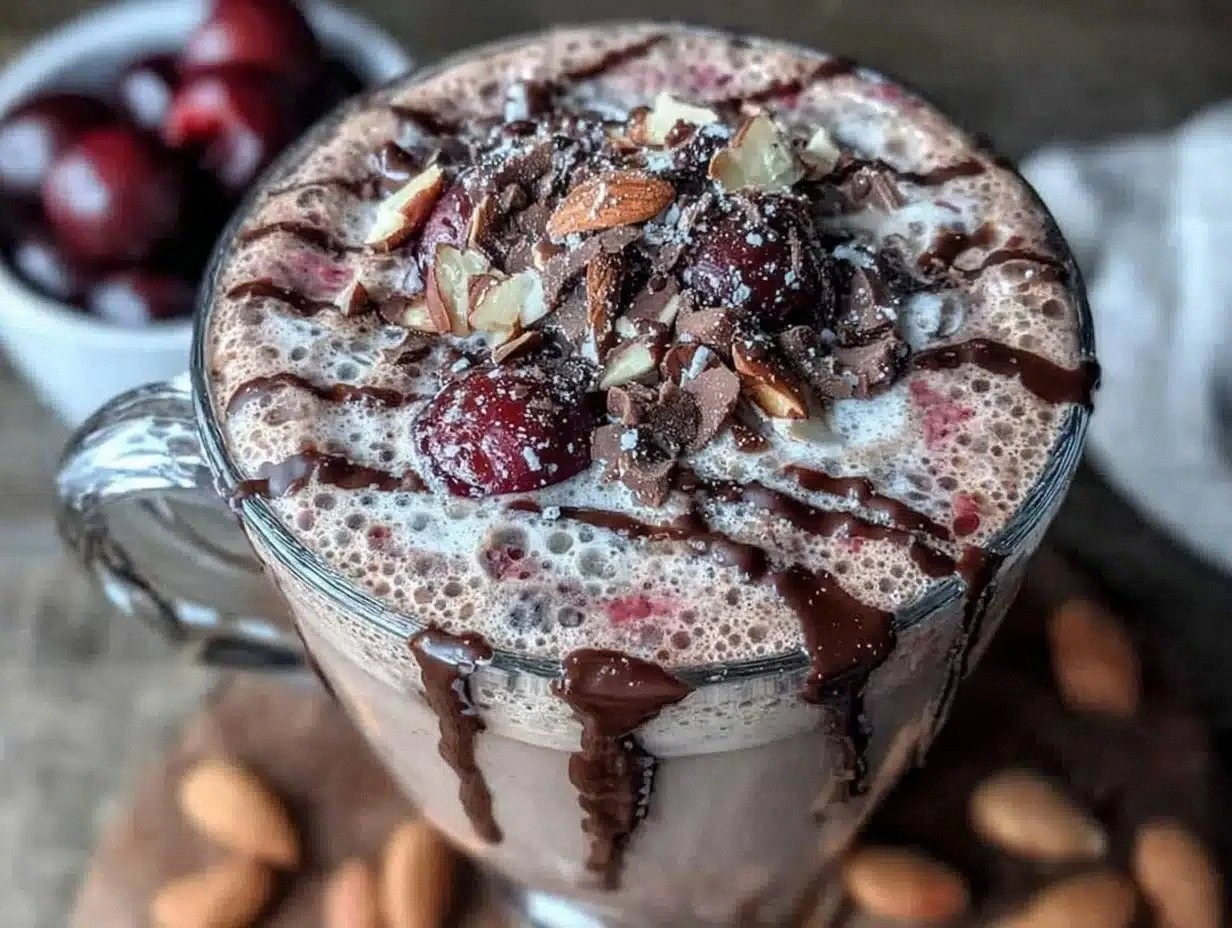
Fast forward a few weeks, and the aroma that now fills my kitchen when I start this recipe is nothing short of intoxicating. Imagine the deep, earthy notes of a freshly pulled espresso shot mingling with the sweet‑tart perfume of cherry syrup, while a whisper of almond adds a buttery, nutty backdrop. The milk, whether it’s whole, almond, or oat, becomes a velvety cloud that lifts the whole concoction, and the dark chocolate drizzle? It’s the final brushstroke, a glossy river of bittersweet decadence that snakes across the surface like molten amber. The whole experience is a sensory overload—in the best possible way. I dare you to taste this and not go back for seconds; I guarantee you’ll be counting the minutes until your next coffee break.
What makes this version truly stand out is the balance. Most cherry‑almond latte recipes either drown the coffee in syrup or skimp on the chocolate, leaving you with a cloying, one‑dimensional drink. I’ve refined the ratios so that each element shines without overpowering the others. The espresso stays bold and bright, the cherry brings a natural tang without artificial aftertaste, the almond adds depth, and the chocolate drizzle provides that luxurious finish that makes you feel like you’ve just walked into a Parisian café on a rainy morning. And the best part? You don’t need a barista’s training or a fancy machine—just a few everyday tools and a pinch of confidence.
There’s one technique that most recipes completely ignore: the “double‑infusion” of the syrups into the milk before frothing. By gently warming the milk with the cherry and almond syrups together, you lock in the flavors, creating a harmonious base that the espresso can sit on like a perfectly tuned instrument. This subtle step is the game‑changer that elevates the latte from “good enough” to “hands down the best version you’ll ever make at home.” Let me walk you through every single step — by the end, you’ll wonder how you ever made it any other way.
What Makes This Version Stand Out
- Flavor Harmony: The cherry’s bright acidity is perfectly balanced by the almond’s buttery richness, creating a layered taste that evolves sip by sip.
- Texture Perfection: The milk is steamed to a micro‑foam consistency that feels like silk against your tongue, while the chocolate drizzle adds a glossy, slightly crisp contrast.
- Simplicity: Only six core ingredients are needed, and each step uses common kitchen tools—no fancy siphon or sous‑vide required.
- Unique Twist: The double‑infusion of syrups into the milk is a secret most cafés skip, but it locks flavor in before any frothing takes place.
- Crowd Reaction: Guests instantly light up; the latte looks Instagram‑ready, and the aroma draws people in before they even see the cup.
- Ingredient Quality: Using a medium‑roast espresso and 70% dark chocolate ensures the drink has depth without bitterness.
- Cooking Method: The gentle stovetop heating of milk preserves its natural sweetness, avoiding the scorched notes you get from microwave heating.
- Make‑Ahead Potential: You can pre‑mix the syrup‑milk blend and store it for up to 24 hours, making busy mornings a breeze.
Inside the Ingredient List
The Flavor Base
The espresso is the heart of this latte. I prefer a medium‑roast bean because it offers a sweet caramel undertone that complements the cherry without getting lost. If you use a light roast, you’ll get more acidity, which can clash with the syrup; a dark roast will dominate the palate, masking the delicate almond notes. For the best result, grind your beans just before brewing and aim for a 30‑second extraction for a balanced shot. If you don’t have an espresso machine, a strong Moka pot brew works just as well, but be sure to pull a double shot to keep the coffee strength on point.
The Texture Crew
Milk is the canvas on which all flavors paint themselves. Whole milk gives the creamiest foam, but almond or oat milk are excellent dairy‑free alternatives that still produce a velvety texture. The key is to choose a milk that froths well; some low‑fat milks produce too many bubbles and a watery feel. If you’re using a plant‑based milk, look for “barista‑blend” versions that contain added fats for better foam stability. A quick tip: chill your milk for at least 30 seconds before steaming; colder milk expands more dramatically, giving you that luxurious micro‑foam.
The Unexpected Star
Cherry syrup brings a bright, fruit‑forward punch that lifts the entire drink. I use Stonewall Kitchen’s cherry preserves because they’re made from whole fruit and have just the right amount of tartness without artificial flavors. If you’re feeling adventurous, you can make your own cherry syrup by simmering fresh pits, sugar, and a splash of water until thickened. Almond syrup adds a nutty, almost buttery undertone that rounds out the cherry’s acidity. Torani’s almond syrup is my go‑to, but a homemade almond extract diluted with a bit of simple syrup works in a pinch.
The Final Flourish
Dark chocolate is the finishing touch that transforms a good latte into a spectacular one. I choose a 70% cocoa bar because it offers enough bitterness to cut through the sweetness of the syrups while still providing a rich, glossy drizzle. Melt the chocolate gently over a double boiler or in short bursts in the microwave, stirring constantly to avoid scorching. If you’re short on time, high‑quality chocolate chips work just as well. A tiny drizzle—no more than a teaspoon per cup—creates a visual contrast and a subtle crunch as it sets on the foam.
Everything’s prepped? Good. Let’s get into the real action…
The Method — Step by Step
Start by pulling two shots of espresso (about 60 ml). Use freshly ground beans and a 30‑second extraction window; you’ll hear a gentle sigh as the water passes through the coffee puck. The espresso should have a caramel‑gold crema on top—if it looks too pale, you’ve under‑extracted; too dark, you’ve over‑extracted. Set the espresso aside in a pre‑warmed cup to keep it hot.
While the espresso is pulling, combine the milk, cherry syrup, and almond syrup in a small saucepan. Heat over medium‑low heat, stirring constantly, until the mixture reaches just below a simmer (about 150 °F / 65 °C). You’ll notice a faint steam and a sweet aroma that tells you the sugars have dissolved fully. Watch the temperature closely—once it starts to bubble, remove it immediately to avoid scalding.
Kitchen Hack: Use a candy thermometer; it’s the easiest way to guarantee you’re heating the milk to the perfect “sweet spot” without ever reaching boiling.Now comes the frothing. Transfer the warm, infused milk to a frothing pitcher and insert the steam wand just below the surface. Turn on the steam and listen for a gentle hissing sound—this means you’re introducing air correctly. As the milk expands, lower the pitcher to keep the wand just beneath the surface, creating a thick, velvety micro‑foam. When the pitcher feels warm to the touch (around 155 °F / 68 °C), turn off the steam and give the pitcher a quick swirl to integrate the foam.
While the milk is frothing, melt the dark chocolate. Place the chocolate in a heat‑proof bowl over a pot of simmering water, ensuring the bowl never touches the water. Stir constantly; the chocolate will go from a solid chunk to a glossy river in under two minutes. If you prefer a microwave, heat in 20‑second bursts, stirring between each burst to prevent scorching. Set the melted chocolate aside, but keep it warm—cold chocolate will seize and become grainy.
Once the milk is frothed, gently pour it into the espresso, holding back the foam with a spoon. Then, spoon the remaining foam on top, creating a smooth, dome‑shaped surface. This layering technique ensures the coffee stays strong at the base while the foam carries the sweet aromas upward.
Now for the signature drizzle. Using a small spoon or a chocolate drizzle bottle, create thin, artistic lines of dark chocolate across the foam. The chocolate will sink slightly, forming a marbled pattern that looks as good as it tastes. Watch Out: If you pour too much chocolate at once, it will pool at the bottom, ruining the visual appeal. A slow, steady hand is key.
Watch Out: Over‑heating the chocolate will make it bitter; keep the heat low and remove from the stove the moment it’s fully melted.Optional sweetener time: if you like a touch more sweetness, drizzle a teaspoon of honey or sugar over the foam before adding the chocolate. The honey will caramelize slightly under the residual heat, adding a subtle floral note that pairs beautifully with the cherry.
Give the latte a final visual check. The foam should be glossy, the chocolate lines crisp, and the espresso beneath should still be steaming. Take a moment to inhale the combined scent of roasted coffee, cherry blossom, almond, and bittersweet chocolate. That’s the moment of truth—if you can smell it, you’re already winning.
Serve immediately in a pre‑warmed mug. The heat of the cup will keep the latte at the perfect sipping temperature for several minutes. Pair with a light pastry or a few fresh berries, and watch as friends ask for the recipe. That’s it — you did it. But hold on, I’ve got a few more tricks that’ll take this to another level…
Insider Tricks for Flawless Results
The Temperature Rule Nobody Follows
Most home baristas think “hot enough is good enough,” but the exact temperature of each component decides texture and flavor. Espresso should be extracted at 195‑205 °F (90‑96 °C), milk should be steamed to 150‑155 °F (65‑68 °C), and chocolate should stay under 120 °F (49 °C) to avoid bitterness. Use a digital thermometer for each step; it’s a small investment that guarantees consistency. I once tried to skip the thermometer and ended up with a latte that tasted burnt—lesson learned, never underestimate the power of precise heat.
Why Your Nose Knows Best
Before you even taste the latte, your nose is already telling you if something’s off. A fresh espresso should smell like roasted nuts and dark chocolate; any sour or burnt notes mean the beans are stale or over‑extracted. The milk‑syrup blend should give off a sweet, fruity fragrance—if you smell a “cooked sugar” scent, you’ve likely scorched the milk. Trust those olfactory cues; they’re faster than any palate test.
The 5‑Minute Rest That Changes Everything
After frothing, let the milk sit for about five minutes before pouring. This short rest allows the micro‑foam to stabilize, giving you a smoother pour and preventing the foam from collapsing too quickly. I used to pour immediately and end up with a watery top layer; now I set a timer and watch the magic happen. This tiny pause makes the latte look professional and taste more cohesive.
Chocolate Drizzle Timing
The chocolate should be added when the latte is still hot but not scalding. If you drizzle too early, the chocolate will melt into the foam and lose its distinct ribbon effect. If you wait too long, the chocolate will harden too quickly, creating a brittle crust. Aim for a window of 30‑45 seconds after the latte is poured—this is when the surface is just warm enough to let the chocolate flow, yet cool enough to set into beautiful lines.
The Secret of the “Double‑Infusion”
Most recipes add syrups after the milk is frothed, which means the flavors sit on top of the foam and never truly integrate. By heating the milk with the syrups together, the flavors dissolve evenly, creating a uniform taste throughout every sip. This method also prevents the syrup from sinking to the bottom of the cup, which can happen when added later. It’s a subtle shift, but the payoff is a latte that feels balanced from the first sip to the last.
Creative Twists and Variations
This recipe is a playground. Here are some of my favorite ways to switch things up:
Spiced Autumn Edition
Swap the cherry syrup for a pumpkin‑spice syrup and add a pinch of ground cinnamon to the milk. The dark chocolate drizzle becomes a caramel‑drizzled swirl, turning the latte into a cozy fall treat perfect for crisp evenings.
Coconut‑Cacao Dream
Use coconut milk instead of dairy, and replace the almond syrup with a hint of coconut extract. Pair with a 80% cacao chocolate drizzle for a tropical, slightly bitter twist that’s perfect for summer brunches.
Berry‑Burst Delight
Add a tablespoon of raspberry puree to the milk‑syrup blend and use white chocolate for the drizzle. The tartness of raspberry brightens the coffee, while the white chocolate adds a creamy sweetness that feels like a dessert in a cup.
Nutty Espresso Martini
Turn the latte into a cocktail by adding a shot of vodka and a dash of amaretto after the espresso is poured. Shake briefly, then serve over ice with the chocolate drizzle on top. This adult‑only version is perfect for after‑dinner sipping.
Matcha‑Cherry Fusion
Replace the espresso with a strong matcha concentrate (2 tsp matcha whisked with hot water). Keep the cherry and almond syrups, and drizzle with white chocolate. The earthy green meets the sweet‑tart cherry for a vibrant, Instagram‑worthy beverage.
Storing and Bringing It Back to Life
Fridge Storage
If you’ve pre‑mixed the milk, cherry, and almond syrups, store the blend in an airtight glass jar for up to 24 hours. Give it a gentle shake before using to re‑incorporate any settled syrup. The espresso should be brewed fresh each day for optimal flavor; however, you can store a batch of cold brew concentrate for up to 48 hours if you’re in a rush.
Freezer Friendly
Both the syrup‑milk blend and the dark chocolate can be frozen. Portion the milk blend into silicone ice cube trays and freeze; later, melt a few cubes in a saucepan and proceed as usual. Dark chocolate can be stored in a sealed bag for up to three months; just bring it to room temperature before melting to avoid condensation.
Best Reheating Method
When reheating the milk blend, add a splash (about 1 tbsp) of water to the saucepan. The added moisture creates steam that revives the foam’s texture, preventing it from becoming rubbery. Heat gently over low heat, stirring constantly, until it reaches the same 150 °F target. Re‑froth if needed, then assemble the latte as you would fresh.