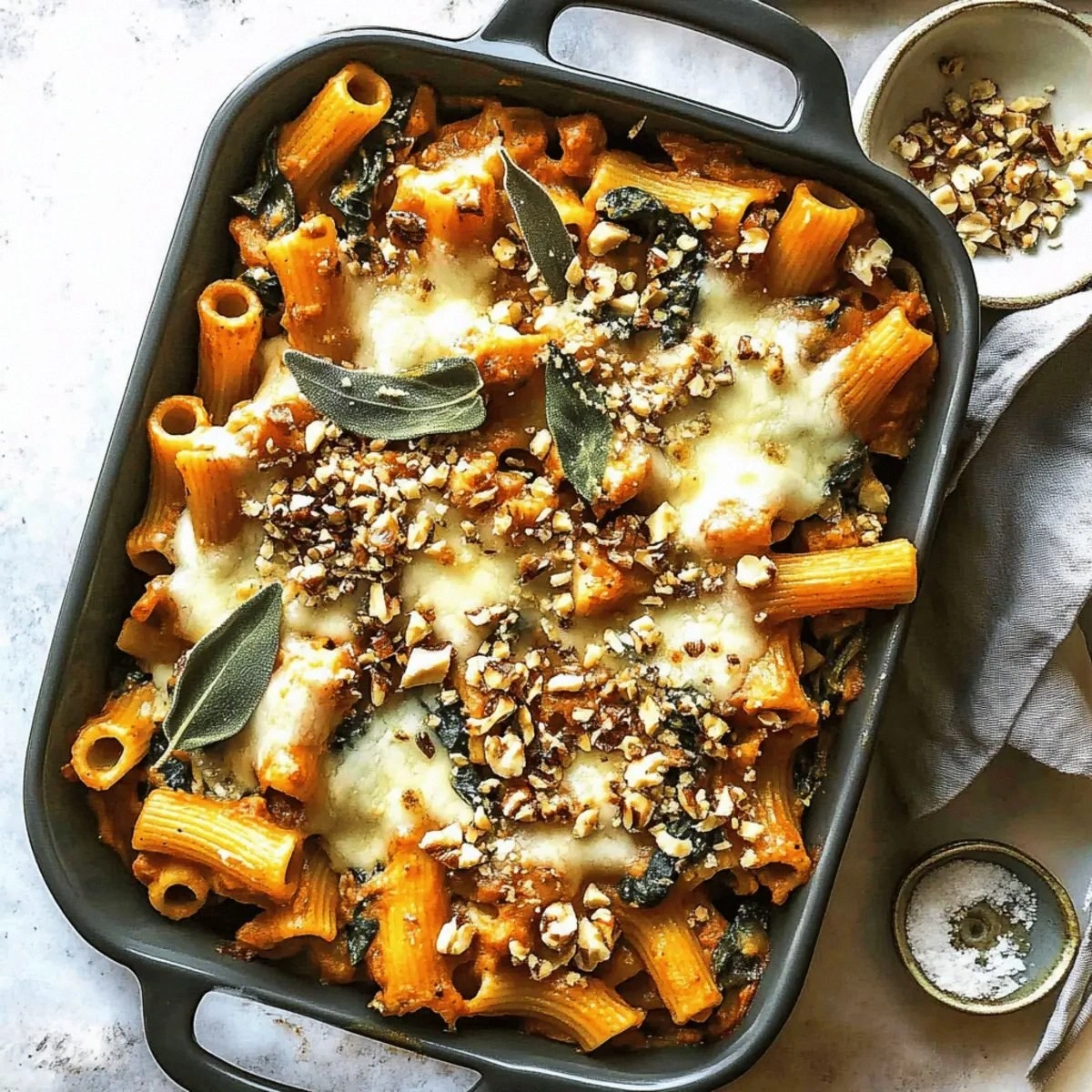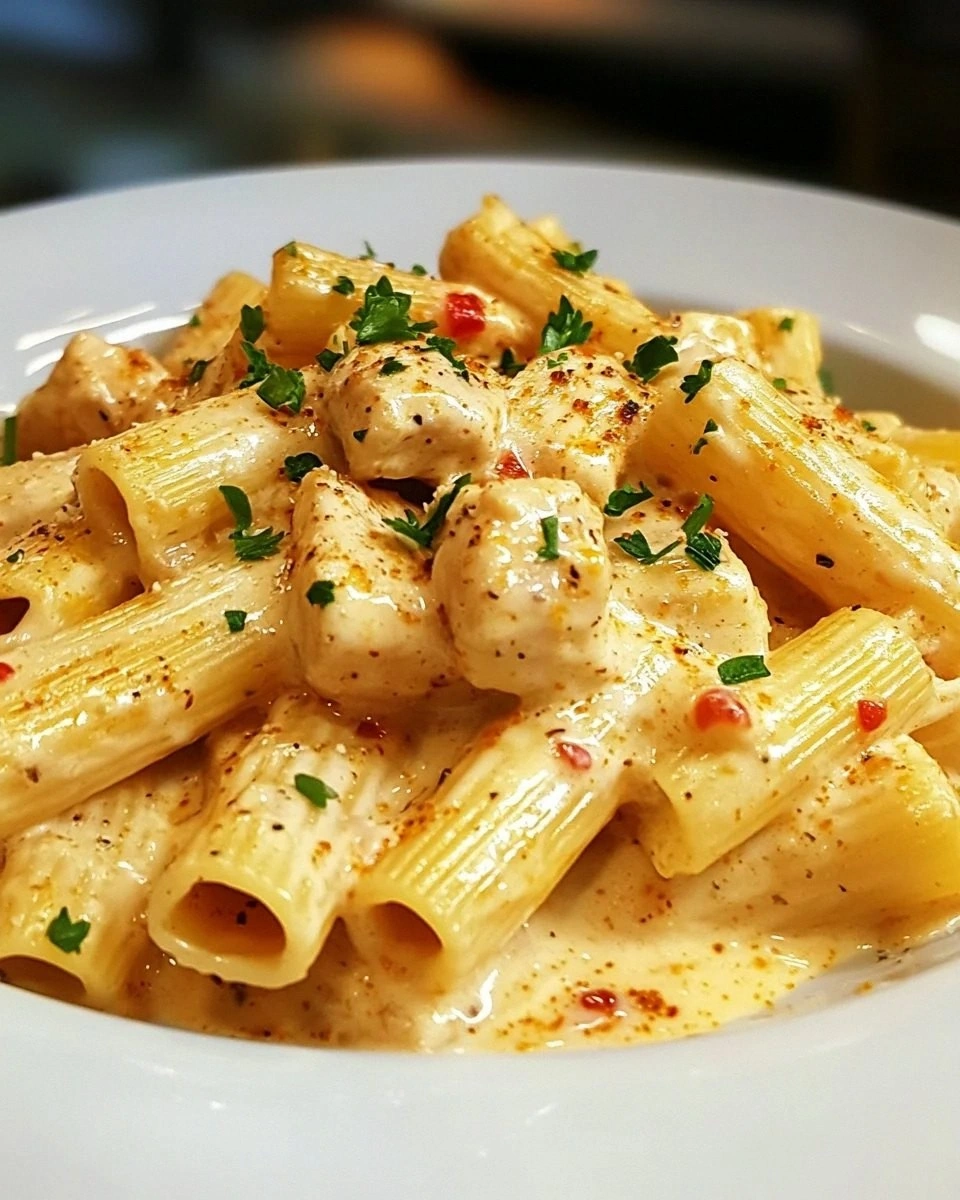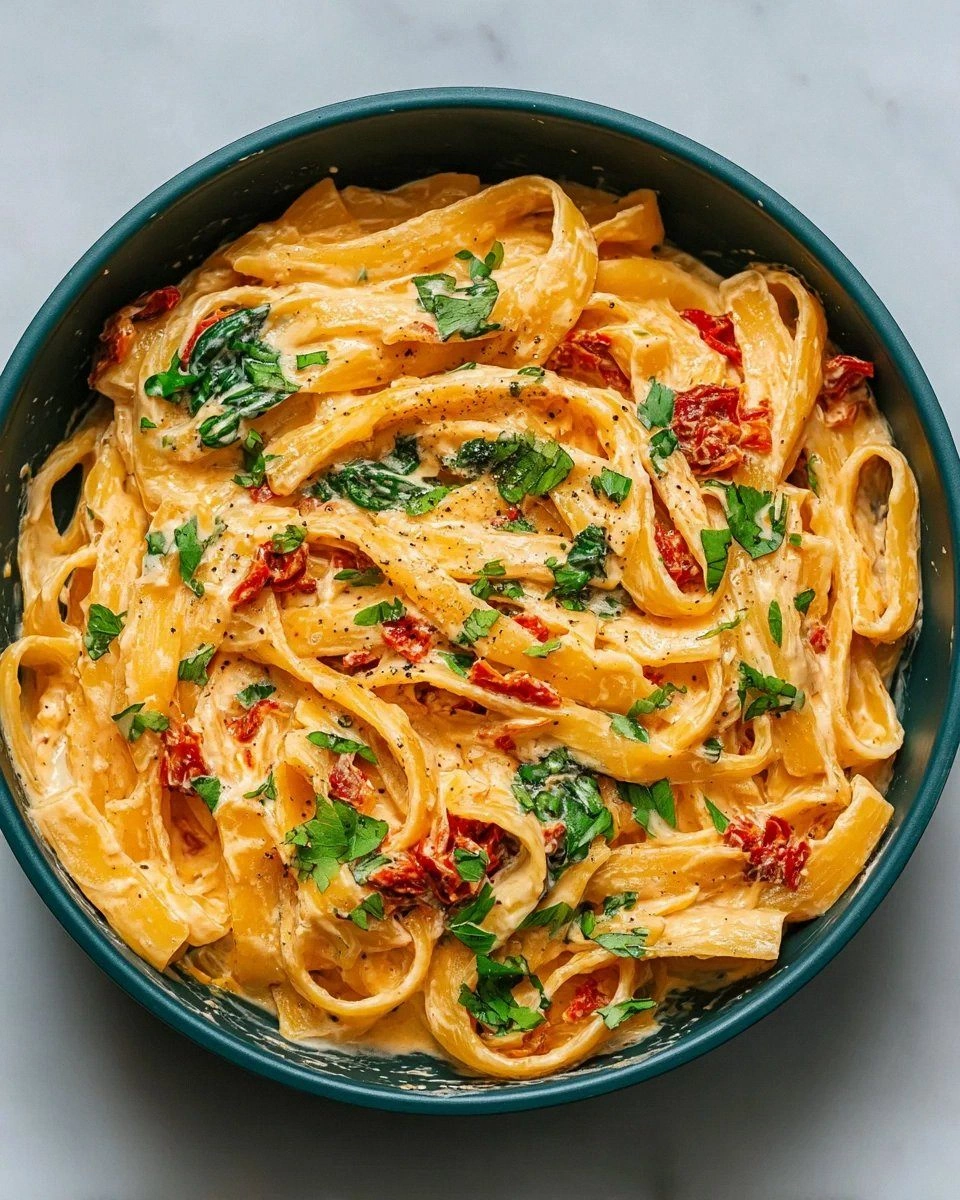
Picture this: a rainy Tuesday night, the kind where you stare out the window and wonder if you’ll ever feel the sun again. I was craving something that felt like a hug from the inside, but my pantry was screaming “vegan” louder than my stomach. I tossed a handful of sun‑dried tomatoes into a pot, added a splash of oat milk, and—well—let's just say the kitchen turned into a laboratory of flavor. The first bite was a revelation, a silky ribbon of sauce that clung to the pasta like a lover refusing to let go, and I knew I had stumbled onto something monumental.
The moment the aroma hit my nose, it was like a chorus of Mediterranean street vendors chanting in unison: sweet, smoky, and just a hint of tang that made my mouth water before the first forkful even touched my tongue. The sauce was bright enough to cut through the gloom, yet creamy enough to make you forget you’re not using dairy. I could hear the faint sizzle of garlic flirting with olive oil, the soft pop of sun‑dried tomatoes releasing their concentrated sunshine, and the gentle hum of the blender as it turned everything into a velvet‑smooth dream. My hands were warm, the pasta was al dente, and the kitchen felt alive with the promise of something unforgettable.
Most vegan pasta sauces either drown in a sea of blandness or try too hard to mimic dairy, ending up with a texture that feels more like cheap paint than a gourmet sauce. This version flips that script entirely: the cashews provide a natural creaminess, the sun‑dried tomatoes give depth without any artificial additives, and the lemon zest adds a zing that lifts the whole dish into the stratosphere of flavor. I’m not just talking about “good”; I’m talking about a sauce that will make you question every other pasta you’ve ever made. It’s the kind of dish that makes you want to shout, “I dare you to taste this and not go back for seconds!”
What really sets this recipe apart is a secret technique I discovered while watching a late‑night cooking show: toasting the cashews lightly before blending them. This tiny step unlocks a nutty aroma that transforms the sauce from “plain” to “pure magic.” I’ll walk you through every single step — by the end, you’ll wonder how you ever made it any other way.
What Makes This Version Stand Out
- Flavor Explosion: Sun‑dried tomatoes bring an umami punch that rivals any cheese‑based sauce, while lemon zest adds a fresh pop that keeps the palate awake.
- Silky Texture: Toasted cashews blended with oat milk create a cream that coats the pasta like velvet, without a single dairy ingredient.
- Simplicity: All the ingredients are pantry‑friendly, and the method uses just one pot and a blender, making cleanup a breeze.
- Unique Twist: A dash of smoked paprika introduces a subtle smoky undertone that most vegan sauces completely miss.
- Crowd‑Pleaser: Even the most skeptical meat‑eaters have begged for seconds, proving that plant‑based can be downright indulgent.
- Ingredient Quality: Using high‑quality sun‑dried tomatoes packed in oil ensures you get that concentrated flavor without any added preservatives.
- Cooking Method: The gentle simmer after blending allows the sauce to thicken naturally, eliminating the need for thickening agents.
- Make‑Ahead Potential: This sauce stores beautifully in the fridge and even freezes well, so you can prep ahead for busy weeks.
Inside the Ingredient List
The Flavor Base
Sun‑dried tomatoes are the heart of this dish. Their concentrated sweetness and umami depth replace the need for any tomato paste or sauce, delivering a robust flavor that can stand up to the boldness of smoked paprika. If you skip them, you’ll end up with a bland sauce that feels like it’s missing its soul. A great swap is roasted red peppers, but expect a sweeter, less tangy profile.
The Texture Crew
Raw cashews are the unsung heroes providing that luxurious creaminess. When blended with oat milk, they create a sauce that rivals dairy in both body and mouthfeel. If you’re allergic to nuts, try soaked almonds or even silken tofu, though the flavor will shift slightly toward the vegetal side. The key is to soak the nuts for at least 4 hours or overnight to achieve that smoothness.
The Unexpected Star
Lemon zest and juice add a bright, citrusy spark that cuts through the richness, keeping the dish from feeling heavy. This little burst of acidity is what makes the sauce feel alive, like a summer garden after a rainstorm. If you don’t have fresh lemons, a splash of white wine vinegar works, but the aromatic complexity will be less pronounced.
The Final Flourish
Nutritional yeast and smoked paprika bring depth and a subtle “cheesy” undertone without any actual cheese. The yeast adds a savory, nutty note while the paprika introduces a whisper of smokiness that elevates the whole profile. If you’re avoiding yeast, you can increase the amount of vegan parmesan, but be aware the flavor will tilt more toward salty than umami.
Everything's prepped? Good. Let's get into the real action...
The Method — Step by Step
Start by bringing a large pot of salted water to a rolling boil. While you wait, give the cashews a quick rinse and set them aside to dry—this helps them blend smoother later. Once the water is bubbling, add the pasta and cook according to package instructions until al dente, usually about 9‑11 minutes. Remember, the pasta will finish cooking in the sauce, so aim for a firm bite now. Drain, reserving a cup of pasta water, and set the pasta aside.
While the pasta cooks, heat 2 tablespoons of olive oil in a medium skillet over medium heat. Add the minced garlic and let it sizzle for 30 seconds—watch for that golden perfume that says “we’re about to get tasty.” Then toss in the sun‑dried tomatoes, letting them soften and release their oils for about 2 minutes. The pan should start to smell like a Tuscan market, and that’s exactly the cue to move on.
Now, it’s time for the cashew magic. Transfer the toasted cashews to a high‑speed blender, add the oat milk, nutritional yeast, smoked paprika, lemon zest, lemon juice, and a pinch of red pepper flakes. Blend on high for 1‑2 minutes until the mixture is completely smooth and resembles a thick, creamy soup. Watch Out: If you over‑blend, the sauce can become too thin; stop once you see a glossy, velvety texture.
Return the skillet with the softened tomatoes to low heat and pour the blended cashew mixture in, stirring constantly. The sauce will begin to thicken within a minute—this is the moment of truth. If it looks too thick, splash in a little reserved pasta water, a tablespoon at a time, until you reach a silky, coat‑the‑pasta consistency. The sauce should be glossy, not clumpy, and it should emit a faint, nutty aroma that tells you it’s ready.
Season the sauce with salt and black pepper to taste, then fold in the cooked pasta, tossing until every strand is lovingly coated. This is where the pasta absorbs the sauce’s flavor, and you’ll notice the sauce clinging like a second skin. Let it sit for a minute off the heat; the residual warmth will continue to meld the flavors together, creating a harmonious union.
Finish with a generous handful of fresh basil, torn just before serving, and if you’re feeling extra indulgent, sprinkle two tablespoons of vegan parmesan on top. The basil adds a fragrant green note that lifts the dish, while the parmesan gives a salty depth that makes the sauce feel restaurant‑ready. Give everything one final gentle toss, and watch the basil wilt just enough to release its aroma.
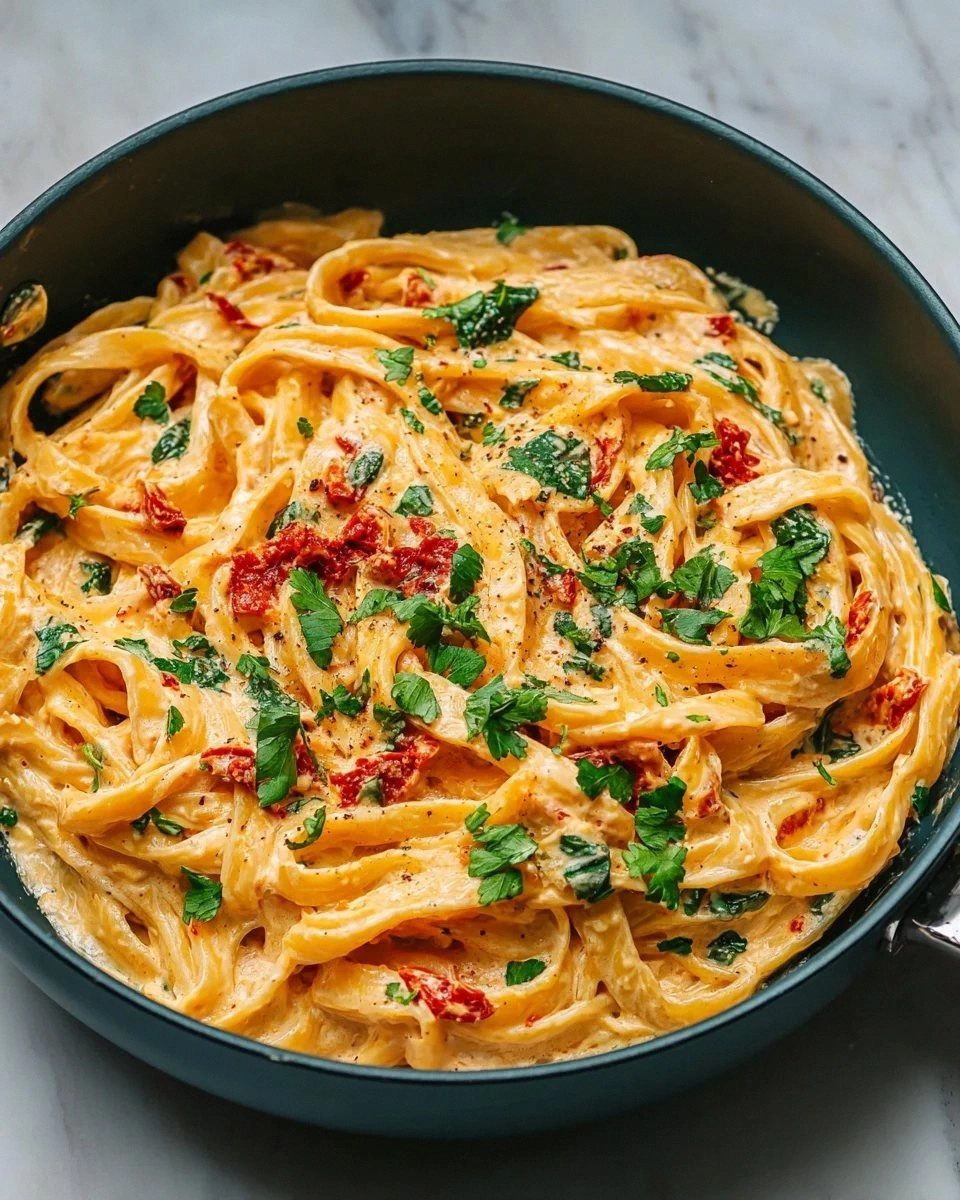
Plate the pasta in shallow bowls, drizzle any remaining sauce from the pan over the top, and finish with a drizzle of high‑quality olive oil for that glossy sheen. The final presentation should look like a sun‑kissed Mediterranean dish, inviting you to dive in immediately. I’ll be honest — I ate half the batch before anyone else got to try it, and that’s a testament to how addictive this sauce truly is.
Serve hot, and watch your guests’ faces light up. Picture yourself pulling this out of the pot, the whole kitchen smelling incredible, and everyone reaching for seconds without even asking. This is hands down the best version you’ll ever make at home, and if you’ve ever struggled with a vegan pasta sauce, you’re not alone — I’ve got the fix right here.
That's it — you did it. But hold on, I've got a few more tricks that'll take this to another level...
Insider Tricks for Flawless Results
The Temperature Rule Nobody Follows
Never add the blended sauce to a scorching hot pan; keep the heat on low to medium. A gentle heat lets the sauce thicken without breaking, preserving that silky texture. I once cranked the flame, and the sauce curdled like a bad tofu scramble. Keep it mellow, and you’ll get a glossy finish every time.
Why Your Nose Knows Best
Trust the scent cues more than the timer. When the garlic turns golden and the tomatoes start to perfume the air, you’re ready for the next step. If you wait too long, the garlic will burn and add bitterness. Keep your nose close and your ears tuned to the subtle sizzle.
The 5‑Minute Rest That Changes Everything
After tossing the pasta with the sauce, let it rest off the heat for exactly five minutes. This short pause allows the starches to release a bit of their own starch, naturally thickening the sauce and binding it to the pasta. Skipping this step leaves a sauce that slides off the noodles like a bad first date.
Seasoning in Layers
Instead of dumping all the salt at once, season the sauce lightly during the simmer, then finish with a pinch after the pasta is added. This layered approach builds depth and prevents an overly salty final product. I’ve seen novices add a whole shaker and end up with a brine‑like disaster.
Blend with Ice for Extra Creaminess
When you blend the cashews, add a few ice cubes. The cold helps emulsify the mixture, giving it a cooler, creamier texture that feels like a dairy‑based sauce. It’s a trick many chefs use for cold soups, and it works wonders here too.
Creative Twists and Variations
This recipe is a playground. Here are some of my favorite ways to switch things up:
Spicy Chipotle Kick
Swap the smoked paprika for chipotle powder and add a teaspoon of adobo sauce. The result is a smoky, spicy sauce that pairs beautifully with the sweet sun‑dried tomatoes. Great for those who love a little heat without overwhelming the palate.
Green Goddess
Blend a handful of fresh spinach or kale with the cashews and oat milk, and replace the sun‑dried tomatoes with roasted red peppers. This creates a vibrant, herbaceous sauce that’s perfect for spring gatherings.
Nut‑Free Creaminess
Use silken tofu in place of cashews for a protein‑packed, nut‑free version. The tofu offers a smooth texture while keeping the dish light. Add a splash more lemon juice to brighten the flavor.
Umami Boost
Stir in a tablespoon of miso paste during the final simmer. The miso deepens the umami profile, making the sauce taste even richer. Pair it with shiitake mushrooms for a mushroom‑lover’s dream.
Cheesy Vegan Delight
Mix in two tablespoons of vegan mozzarella shreds just before serving; they melt into the sauce, adding a gooey stretch that feels decadently cheesy. This variation is perfect for movie night.
Herbaceous Mediterranean
Add chopped sun‑dried olives, capers, and a sprinkle of oregano. The briny notes complement the tomatoes and give the dish a true Mediterranean vibe. Serve with toasted pine nuts for added crunch.
Storing and Bringing It Back to Life
Fridge Storage
Transfer any leftovers to an airtight container and store in the refrigerator for up to three days. The sauce may thicken as it cools; simply stir in a splash of oat milk or water before reheating to restore its creamy consistency.
Freezer Friendly
Portion the sauce (without pasta) into freezer‑safe bags or containers and freeze for up to two months. When you’re ready to use it, thaw overnight in the fridge, then reheat gently on the stove, adding a bit of water to loosen it up.
Best Reheating Method
To reheat, place the sauce in a saucepan over low heat, stirring constantly. Add a tiny splash of water or oat milk—just enough to steam the sauce back to life. Toss the reheated sauce with freshly cooked pasta for a brand‑new experience.