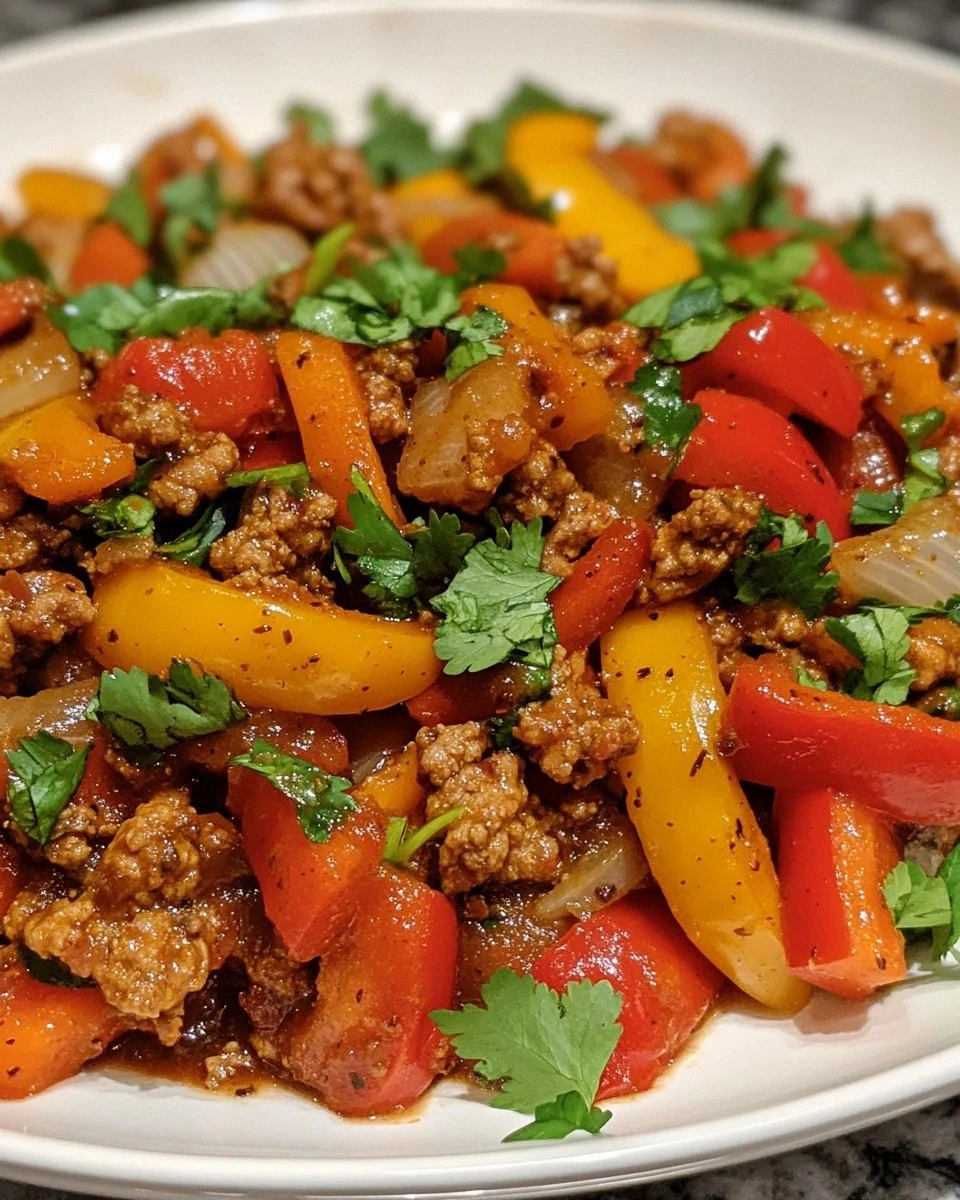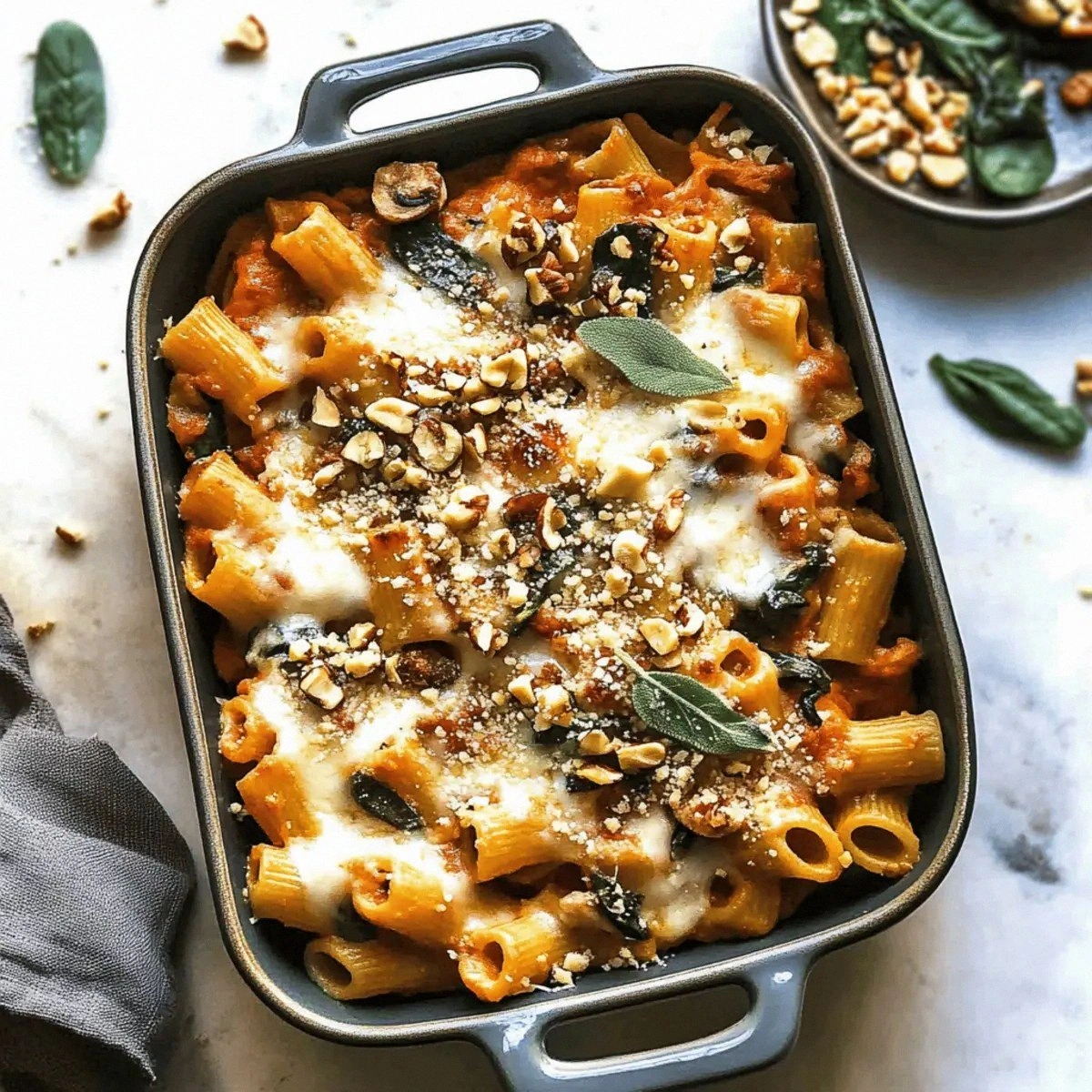
I still remember the exact moment this recipe was born. It was a rainy Tuesday evening, my fridge held nothing but a sad can of pumpkin puree and half a box of pasta, and I was determined to avoid another grocery run. Twenty-five minutes later, I pulled something out of the oven that made my roommate drop her phone, my neighbor knock on the door to ask what smelled so good, and me eat three helpings straight from the dish while standing over the sink. That first bite was a revelation: silky pumpkin cloaked in tangy tomato, pasta edges blistered into crispy-cheesy nuggets, sage leaves crackling like autumn popcorn, and a warmth that felt like a heavy blanket fresh from the dryer. I had not planned on creating the ultimate comfort bake; it simply happened, and now I guard the formula like a state secret.
Picture this: you walk through your front door after the longest Wednesday on record, the kind where your shoes feel like they’ve been soldered to your feet. You want something that tastes like someone cares about you, but you also want to collapse on the couch before the next episode auto-plays. This bake answers both desires. It asks for one pot, one baking dish, and the kind of pantry staples you probably have right now. While the oven works its magic, you can change into sweatpants, pour a glass of whatever makes you happy, and listen to the gentle bubbling that promises dinner is going to be spectacular without any further effort from you.
Most pasta bakes are heavy, gloppy affairs that sit in your stomach like a brick. They rely on jars of marinara and buckets of mozzarella, tasting more like cafeteria fare than anything you’d proudly serve friends. This version flips the script. The pumpkin purée lightens the sauce, making it coat every noodle like velvet while sneaking in a gentle sweetness that plays off the garlic and red-pepper heat. Fontina melts into stretchy strands that wrap around fork tines, Parmesan bronzes on top into a frico crust that shatters under the slightest pressure, and toasted walnuts hide in the folds like little treasures waiting to be discovered. It’s comfort food that feels indulgent yet somehow wholesome, the culinary equivalent of wearing silk pajamas to bed—luxurious, cozy, and secretly good for your soul.
Stay with me here—this next part is worth it. We’re going to brown butter with sage until the leaves turn translucent and the butter smells like hazelnuts and fall leaves. We’re going to bloom spices in that fat so they release every last molecule of aroma. We’re going to deglaze the pan with vegetable broth and scrape up every caramelized bit, because that’s where the deep, mysterious flavor lives. And just when you think it can’t get better, we’re going to sneak a whisper of nutmeg into the sauce—just enough to make people ask, “Why does this taste so incredible?” without being able to put their finger on the answer. Let me walk you through every single step—by the end, you’ll wonder how you ever made it any other way.
What Makes This Version Stand Out
Velvet-Cloaked Sauce: Instead of the usual heavy béchamel, pumpkin purée emulsifies with tomato and broth into a sauce that’s creamy without cream, silky without flour, and clings to ridges like it’s holding on for dear life. The result is a lighter bake that still tastes decadently rich.
Crispy Edge Strategy: We undercook the pasta by two minutes so it can finish hydrating in the sauce, soaking up flavor while the top and exposed corners blister into crunchy-cheesy shards that shatter like thin ice. Those textural contrasts are what separate good pasta bakes from legendary ones.
One-Pot Wonder: Everything—from toasting walnuts to simmering sauce—happens in the same enamel pot. Fewer dishes equal more couch time, and the fond that builds on the bottom seasons the sauce like a secret handshake.
Unexpected Umami Bomb: A single tablespoon of soy sauce stirred in at the end deepens the tomato notes and makes the pumpkin taste more pumpkin-y without ever announcing its presence. It’s the stealth move that makes tasters say, “I don’t know what you did, but I need the recipe.”
Make-Ahead Magic: Assemble it the night before, cover tightly, and refrigerate. When you’re ready to eat, slide it into a cold oven, set to 400°F, and let it heat as the oven comes to temp—no cracked dishes, no dried-out edges, just bubbly perfection ready when you are.
Vegetarian Crowd-Pleaser: Packed with spinach, pumpkin, and walnuts, this bake delivers a full serving of vegetables in every portion while still feeling like the cheesy indulgence everyone craves. Even die-hard carnivores go back for seconds.
Alright, let’s break down exactly what goes into this masterpiece...
Inside the Ingredient List
The Flavor Base
Yellow onion and garlic are the Batman and Robin of savory cooking, but here we treat them like VIPs. Dice the onion small so it melts into the sauce, and mince the garlic fine so it infuses every bite. If you’re tempted to skip the crushed red-pepper flakes, don’t—they provide a gentle, lingering heat that makes the pumpkin taste sweeter by comparison. Think of it like the pinch of salt you add to cookie dough; you won’t taste the spice outright, but you’ll miss it if it’s gone.
The Texture Crew
Fontina is the meltiest, stretchiest cheese most people overlook. It’s buttery, slightly nutty, and plays beautifully with pumpkin’s earthy sweetness. Parmesan brings the salty, crystalline crunch that forms the coveted crispy lid. Walnuts, toasted until they smell like warm brownies, add pockets of buttery crunch that contrast the soft pasta. If walnuts aren’t your thing, pecans swap in seamlessly, but please don’t skip the toasting step—raw nuts stay rubbery and taste like wet cardboard.
The Unexpected Star
Pumpkin purée from a can is the quiet genius here. Make sure you grab purée, not pie filling; the latter is pre-spiced and sweetened and will turn dinner into dessert. The pumpkin acts as a natural thickener and lends a golden hue that makes the whole dish look sun-kissed. If you’re feeling ambitious, roast a small sugar pumpkin and blitz the flesh, but honestly, the canned stuff works so well I stopped roasting my own after batch number three.
The Final Flourish
Fresh sage is non-negotiable. Dried sage tastes like dusty potpourri, but fried in butter until translucent, fresh sage becomes an edible autumn leaf that crackles between your teeth. We use two teaspoons minced in the sauce and save the rest as fried garnish because those crispy leaves are the chef’s snack you absolutely deserve. Nutmeg is the whisper you didn’t know you needed—just a quarter teaspoon, freshly grated if possible, to amplify the pumpkin’s sweetness without screaming “pumpkin spice latte.”
Everything’s prepped? Good. Let's get into the real action...
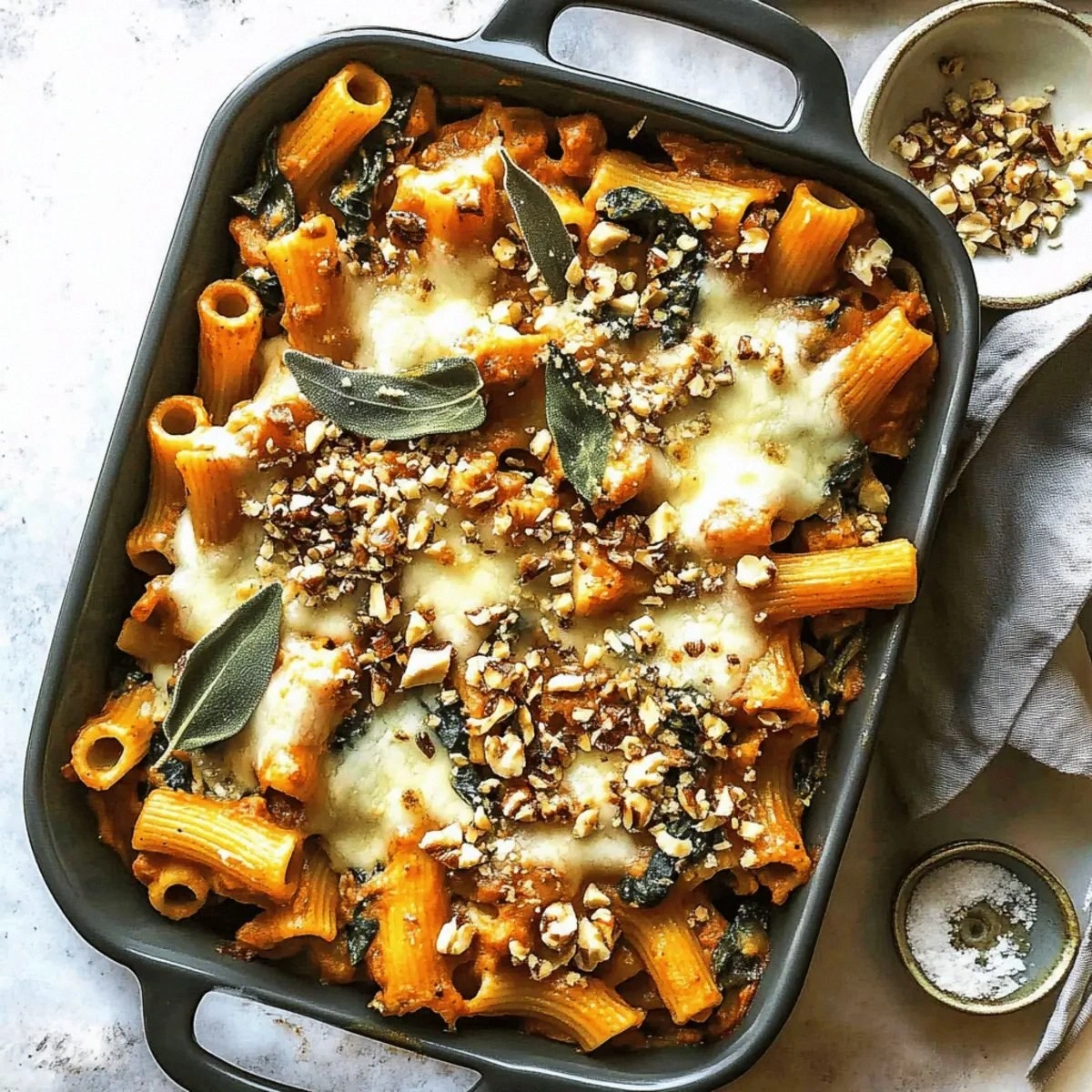
The Method — Step by Step
- Bring a large pot of well-salted water to a rolling boil—taste it; it should taste like the ocean. Add the dry pasta and cook exactly two minutes less than package directions for al dente. The noodles will feel slightly chalky in the center, but trust me, they’ll finish cooking in the sauce and soak up flavor instead of turning mushy. Drain quickly and rinse with cold water to stop the cooking; set aside while you build the sauce.
- In the same pot, melt the butter over medium heat until the foam subsides and the milk solids turn chestnut brown. Swirl constantly—this takes about three minutes and smells like toasted hazelnuts. Drop in the sage leaves; they’ll sizzle and curl like tiny green fireworks. Fry for forty-five seconds, then scoop the leaves onto a paper towel. They’ll crisp as they cool and become the most addictive garnish you’ve ever stolen from your own plate.
- Add the diced onion to the browned butter, scraping up every fleck of flavor. Season with salt immediately; it draws out moisture and speeds the softening. Cook five minutes until the edges turn translucent, then add the minced garlic and red-pepper flakes. Stir for thirty seconds—do not let the garlic brown or it turns bitter and ruins the entire vibe.
- Pour in the pumpkin purée and dried oregano, stirring to coat the aromatics. The mixture will look like autumn in pot form. Cook two minutes so the pumpkin caramelizes slightly; this deepens the color and eliminates any tinny canned taste. You’ll see the color shift from bright orange to a burnt sienna—that’s your cue.
- Deglaze with the vegetable broth, whisking to dissolve every browned bit. Add the crushed tomatoes, nutmeg, black pepper, and the teaspoon of kosher salt. Bring to a gentle simmer and cook five minutes so the flavors meld. The sauce should be thick enough to coat a spoon but still pourable; if it’s too thick, splash in more broth a quarter cup at a time.
- Toss in the baby spinach a handful at a time, stirring until wilted before adding the next batch. It looks like a mountain at first, but within two minutes it melts into the sauce like green silk ribbons. Taste and adjust salt; remember the pasta will dilute seasoning slightly, so aim for the sauce to be a touch saltier than you think it needs.
- Off the heat, stir in half the fontina and half the Parmesan until melted and glossy. Fold in the par-cooked pasta, making sure every tube or ridge is fully coated. The sauce should seep into the noodles but still feel creamy; if it looks tight, loosen with a splash of broth.
- Preheat oven to 400°F. Butter a 9×13-inch baking dish—yes, butter, not spray. The milk solids in butter help the edges caramelize and release that insane bakery aroma. Pour in the pasta, spreading evenly. Sprinkle remaining fontina and Parmesan over the top, then scatter the toasted walnuts. The cheese will bubble up around the nuts, creating pockets of crispy-cheesy delight.
- Bake uncovered for twenty minutes until the sauce is lava-bubbly and the top is blistered golden. Switch to broil for two minutes to intensify the browning, but do not walk away—ovens vary and the line between bronzed and burnt is thirty seconds. When the cheese forms leopard spots and the walnuts smell like toffee, pull it out. Let rest five minutes; this sets the sauce and prevents mouth-molten injuries.
That's it—you did it. But hold on, I've got a few more tricks that'll take this to another level...
Insider Tricks for Flawless Results
The Temperature Rule Nobody Follows
Room-temperature cheese melts smoothly; cold cheese seizes and turns rubbery. Pull your fontina and Parmesan from the fridge thirty minutes before cooking. Grate them while they’re still slightly firm—easier on your knuckles—and let them lounge on the counter. This tiny step prevents the greasy separation that plagues so many pasta bakes and guarantees that Instagram-worthy cheese pull when you scoop out the first serving.
Why Your Nose Knows Best
Don’t trust the clock alone; trust your senses. When the walnuts are perfectly toasted, they’ll smell like caramel corn and look one shade darker than you think they should. When the sage is done, it turns translucent and brittle, and the butter smells like you walked into a French bakery. Ignore those cues and you’ll either have bitter nuts or soggy sage, both of which will haunt your dreams.
The 5-Minute Rest That Changes Everything
I get it—you’re hungry and the dish is bubbling like a jacuzzi of joy. But cut into it straight from the oven and the sauce will flood the plate, leaving you with dry pasta on top and a puddle below. Five minutes on the trivet lets the starch set, so each scoop holds its shape and the sauce stays luxuriously thick. Cover loosely with foil if you’re worried about heat loss; it traps steam without letting condensation drip back onto the crispy top.
Creative Twists and Variations
This recipe is a playground. Here are some of my favorite ways to switch things up:
Smoky Bacon & Kale Remix
Omit the walnuts and fry four strips of thick-cut bacon in the pot first. Remove the crispy bacon, use the rendered fat plus two tablespoons butter for the sauce, and fold in chopped kale instead of spinach. Top with the crumbled bacon and smoked mozzarella for a campfire vibe that makes grown adults fight over the corner pieces.
Creamy Goat Cheese & Rosemary
Swap fontina for soft goat cheese whisked into the sauce off the heat. Add a teaspoon of minced fresh rosemary with the garlic; piney rosemary and tangy goat cheese turn the dish into something that feels like a hillside in Provence. Finish with lemon zest for brightness that cuts through the richness.
Spicy Sausage & Broccolini
Brown a pound of Italian sausage in the pot before the onions. Use the same fat to bloom the spices, then proceed as written. Replace spinach with chopped broccolini that blanches right in the pasta water during the last minute of cooking. The result is a bake that eats like a complete meal and wards off the winter chill with a gentle chili kick.
Gluten-Free, Protein-Packed
Substitute chickpea or red-lentil pasta for regular pasta to keep the texture but add plant protein. The sauce clings just as beautifully, and the slight nuttiness of legume pasta marries perfectly with pumpkin. It’s the stealth health move that fools even picky kids.
Luxury Lobster & Fontina
For date-night splurge, fold in eight ounces of chopped cooked lobster meat just before baking. Add a splash of white wine to the sauce and finish with tarragon instead of sage. It’s the ocean meeting autumn, and it tastes like wearing cashmere while sitting by a bonfire.
Vegan Comfort Make-Over
Use olive oil instead of butter, vegetable broth as written, nutritional yeast in place of Parmesan, and a cup of cashew cream blended with miso instead of fontina. The result is shockingly creamy and earns enthusiastic thumbs-up from dairy-devouring friends who never realize it’s vegan until you tell them—usually after they’ve asked for seconds.
Storing and Bringing It Back to Life
Fridge Storage
Let leftovers cool completely, then transfer to airtight glass containers. The tomato-pumpkin sauce is acidic and can etch plastic over time, so glass keeps flavors bright. Refrigerate up to four days; after that the pasta absorbs too much sauce and turns mushy. Reheat individual portions in the microwave with a teaspoon of broth drizzled over the top; cover loosely and heat at 70% power to prevent cheese explosions.
Freezer Friendly
This bake freezes beautifully if you stop before the final bake. Assemble in a disposable foil pan, press plastic wrap directly onto the surface to prevent ice crystals, then wrap the whole pan in foil. Freeze up to two months. When ready to eat, thaw overnight in the fridge, then bake as directed, adding ten extra minutes since it’ll be cold from the fridge. Do not freeze after baking; the texture of the pasta becomes sad and mealy.
Best Reheating Method
Skip the microwave for large portions and use the oven instead. Place cold pasta in a small baking dish, drizzle with two tablespoons of broth or milk, cover with foil, and bake at 375°F for fifteen minutes until steaming. Remove the foil for the last five to re-crisp the top. The added liquid rehydrates the sauce, and the gentle heat keeps the cheese from turning rubbery. You’ll swear it’s freshly made.