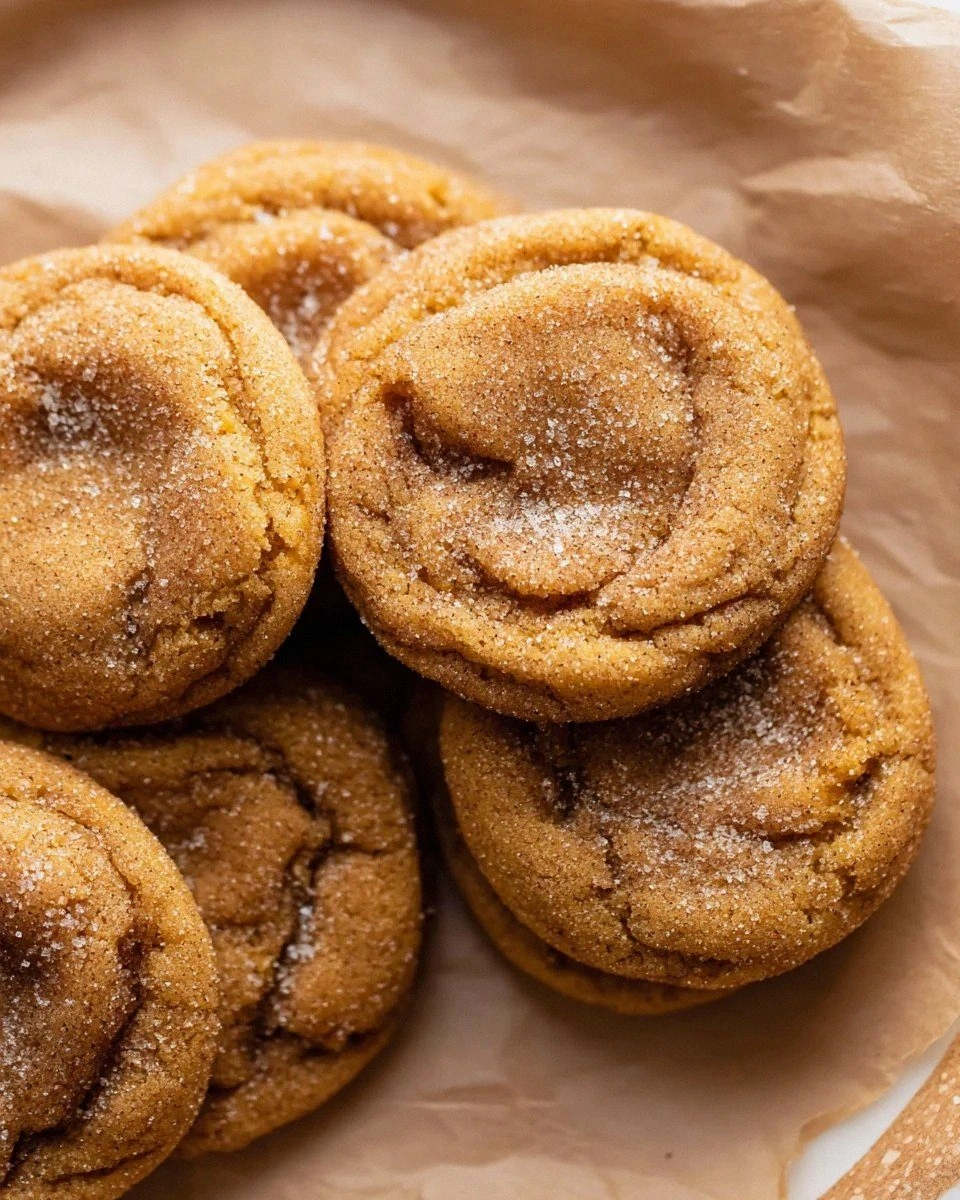
I was standing in my kitchen, staring at a half‑baked loaf that smelled like a desert after a rainstorm, when my roommate shouted, “If you can’t make a decent peach‑pecan bread, you might as well give up baking!” I laughed, but the dare lingered like a stubborn aroma. That night, I tossed a handful of over‑ripe peaches into a blender, grabbed a bag of pecans, and decided to rewrite the whole thing from scratch. The result? A loaf that sings with summer sunshine, a crumb so tender it practically melts on your tongue, and a glaze that glistens like sunrise on a pond. I’m not exaggerating when I say this is hands down the best version you’ll ever make at home.
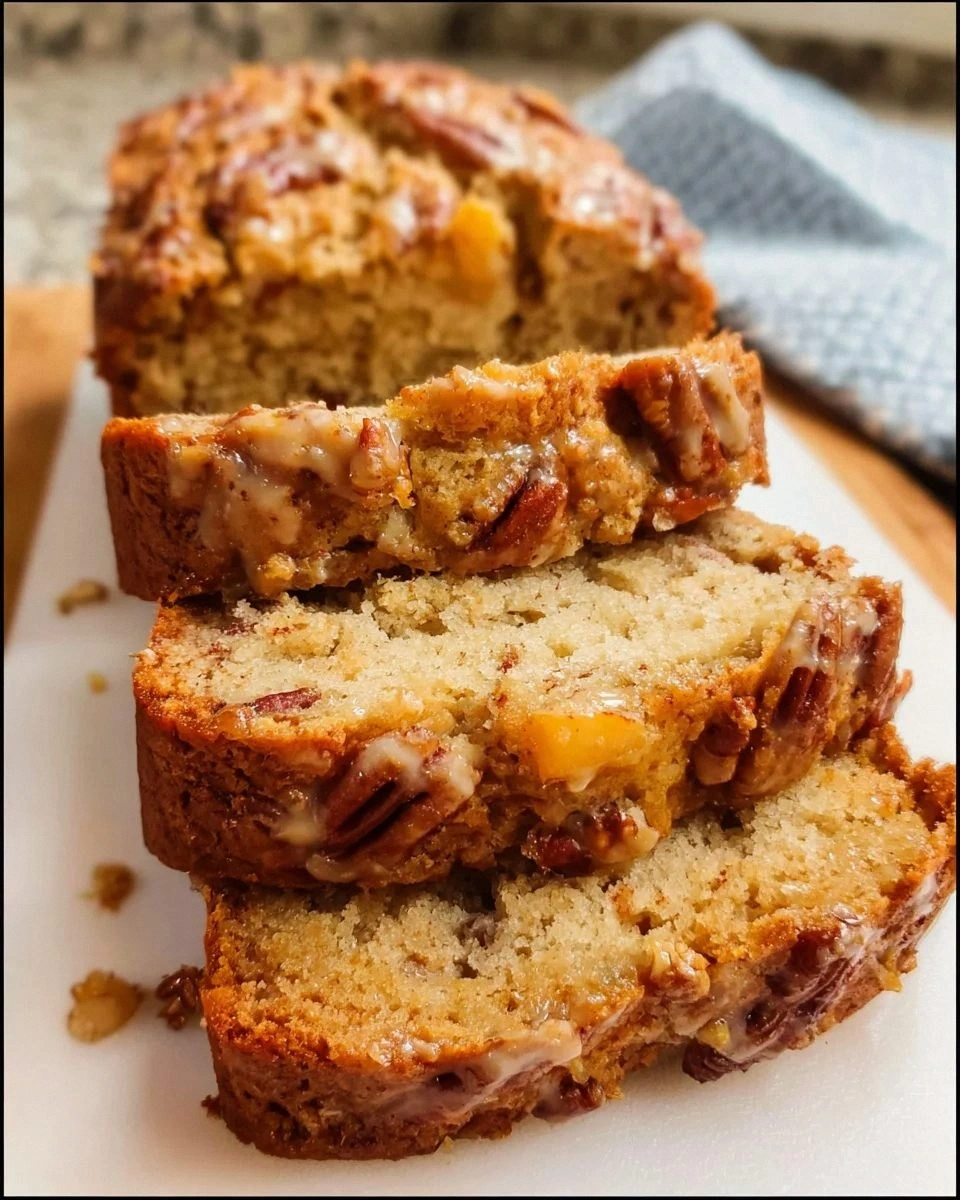
Picture yourself pulling this bread from the oven, the whole kitchen smelling incredible, the caramelized edges whispering promises of sweet crunch. The first slice releases a perfume of toasted pecans and juicy peach that makes the whole house feel like a farmer’s market on a warm July afternoon. When you bite in, the texture dance between soft, buttery crumb and the satisfying snap of nuts is like a well‑choreographed duet—each note hitting just right. I dare you to taste this and not go back for seconds; the glaze alone is a sweet, milky hug that makes you wonder how you ever settled for plain muffins.
Most peach‑bread recipes get this completely wrong: they either drown the fruit in sugar, forget the nuts, or bake at a temperature that leaves the crumb dry as desert sand. Here’s what actually works: a balanced sweet‑savory profile, a gentle rise from baking powder, and a secret step that keeps the peaches from turning mushy. I’ll be honest — I ate half the batch before anyone else got to try it, and that’s because the flavor is so addictive it feels like a guilty pleasure you can’t resist. If you’ve ever struggled with a soggy center or a bland crust, you’re not alone — and I’ve got the fix.
Okay, ready for the game‑changer? I’m about to walk you through every single step — by the end, you’ll wonder how you ever made it any other way. Stay with me here — this is worth it. The technique I’m about to reveal will give you a loaf that looks like it belongs in a bakery window, yet tastes like a backyard picnic. Let’s get started and turn those humble peaches and pecans into a summer masterpiece.
What Makes This Version Stand Out
- Taste: The perfect harmony of sweet peach, buttery pecan, and just‑right sugar creates a flavor profile that’s both nostalgic and fresh.
- Texture: A tender, cake‑like crumb paired with crunchy nut pieces gives you that satisfying bite every time.
- Simplicity: Only ten ingredients, no exotic gadgets, and a straightforward method that even beginners can master.
- Uniqueness: A light glaze of powdered sugar and milk adds a glossy finish that most recipes skip entirely.
- Crowd Reaction: Guests constantly ask for seconds, and the loaf holds up beautifully on a buffet or brunch table.
- Ingredient Quality: Using ripe, fragrant peaches and freshly chopped pecans makes a world of difference in aroma and taste.
- Cooking Method: Baking at a moderate 350°F ensures even rise and prevents the fruit from bursting out early.
- Make‑Ahead Potential: This loaf freezes beautifully, so you can enjoy summer flavors all year long.
Inside the Ingredient List
The Flavor Base
The backbone of any good bread is its flavor base, and here the ripe peaches take center stage. Choose peaches that yield slightly to pressure and have a fragrant perfume; these will provide natural sweetness and juiciness without overwhelming the crumb. If you skip the peaches, you lose the bright, summery note that makes this loaf unforgettable. A good swap is canned peach slices in light syrup, but drain them well and add a splash of fresh lemon juice to cut the excess sugar.
Granulated Sugar balances the tartness of the fruit and the earthiness of the pecans. Too little and the bread feels flat; too much and it becomes cloying. If you prefer a less sweet version, reduce the sugar by a quarter and add a pinch of cinnamon for warmth.
The Texture Crew
Pecans are the crunchy surprise in every bite. Coarsely chop them so you still feel the bite, but not so large that they dominate the crumb. Toasting them (see the Kitchen Hack above) adds a buttery depth that you simply can’t get from raw nuts. If you’re allergic, try toasted walnuts or almonds for a similar crunch.
All‑Purpose Flour provides structure. Using a low‑protein flour keeps the loaf tender, while a higher‑protein flour would make it more bread‑like. For a gluten‑free twist, swap with a 1‑to‑1 gluten‑free blend and add a tablespoon of xanthan gum.
The Moisture Makers
Milk and Canola Oil work together to keep the crumb moist and tender. Milk adds richness, while canola oil, being neutral, won’t compete with the fruit’s flavor. If you’re dairy‑free, almond milk works just as well, and coconut oil can replace the canola for a subtle tropical hint.
Eggs act as binders, giving the loaf its lift and structure. Beating them lightly before adding to the batter ensures they incorporate smoothly without creating a rubbery texture. For a vegan version, replace each egg with a “flax egg” (1 tablespoon ground flaxseed + 3 tablespoons water).
The Final Flourish
Salt is the unsung hero that enhances every other flavor. A pinch of flaky sea salt on top before baking can add an extra layer of complexity. Baking Powder provides the gentle rise that keeps the crumb light; too much would make it cake‑like, too little would leave it dense.
Glaze ingredients (powdered sugar and milk) are whisked together at the end for a glossy finish that adds a sweet kiss without overwhelming the fruit. If you want a citrus twist, substitute a teaspoon of orange zest into the glaze.
Everything's prepped? Good. Let’s get into the real action…
The Method — Step by Step
Preheat your oven to 350°F (175°C) and grease a 9‑x‑5‑inch loaf pan with a thin layer of canola oil, then dust with a tablespoon of flour. This ensures the loaf releases cleanly and the crust gets a subtle crunch. While the oven warms, the kitchen will start to fill with the faint scent of oil heating—an early promise of what’s to come.
In a medium bowl, whisk together the flour, baking powder, and salt. This dry mix is the canvas for our flavors, and whisking it aerates the flour, preventing any lumps that could ruin the crumb. That sizzle when it hits the pan? Absolute perfection.
In a separate large bowl, combine the granulated sugar, canola oil, and eggs. Beat with an electric mixer on medium speed for about 2 minutes, until the mixture turns a pale yellow and thickens slightly. This is the moment of truth—if the batter looks glossy and smooth, you’re on the right track.
Gradually pour the dry ingredients into the wet mixture, stirring gently with a rubber spatula. Stop mixing as soon as you see no more flour streaks—over‑mixing creates gluten, which makes the bread tough. The batter should look slightly lumpy; that’s exactly how it should be.
Fold in the chopped pecans and diced peaches, distributing them evenly. Be careful not to crush the peach pieces; you want pockets of juicy fruit that burst when you bite. If the fruit is very juicy, sprinkle a tiny pinch of extra flour over them before folding to keep the batter from getting too wet.
Pour the batter into the prepared loaf pan, smoothing the top with a spatula. Sprinkle the remaining pecan pieces on the surface for a decorative, crunchy crown. The batter should sit about an inch below the rim; this gives it room to rise without spilling over.
Bake for 30‑35 minutes, or until a toothpick inserted into the center comes out clean and the top is golden‑brown. Around the 20‑minute mark, rotate the pan 180° to ensure even browning. You’ll notice the edges pulling away from the pan—a visual cue that the loaf is done.
While the bread cools in the pan for 10 minutes, whisk together powdered sugar and milk to create a smooth glaze. If the glaze is too thick, add a drop more milk; if too runny, sprinkle in a bit more powdered sugar. Drizzle the glaze over the warm loaf, allowing it to seep into the cracks for a glossy finish.
Transfer the loaf to a wire rack to cool completely before slicing. This resting period lets the flavors meld and the crumb set, preventing a gummy interior. Picture yourself cutting the first slice, the glaze shimmering, the steam rising—pure bliss.
That's it — you did it. But hold on, I've got a few more tricks that'll take this to another level…
Insider Tricks for Flawless Results
The Temperature Rule Nobody Follows
Never bake a fruit‑laden bread at a scorching 400°F. The high heat will cause the fruit juices to burst out, leaving a soggy center. Instead, keep the oven at a steady 350°F; this gentle heat allows the batter to set slowly, trapping the peach juices inside. A friend once cranked the oven to 425°F and ended up with a flat, gummy loaf—let’s just say it didn’t win any awards.
Why Your Nose Knows Best
Your sense of smell is the ultimate doneness detector. When the bread is about 5 minutes from being ready, you’ll catch a fragrant, nutty aroma that fills the kitchen. If the scent is still faint, give it another 2‑3 minutes; if it’s strong and caramelized, pull it out now. Trusting your nose prevents over‑baking, which can dry out the delicate peach pieces.
The 5‑Minute Rest That Changes Everything
After you pull the loaf from the oven, let it sit in the pan for exactly five minutes before turning it out. This short rest lets the steam redistribute, making the crumb uniformly moist. Skipping this step often results in a dry bottom crust that feels like cardboard.
Glaze Timing is Everything
Apply the glaze while the bread is still warm (but not piping hot). The heat melts the powdered sugar just enough to create a glossy coat that seeps into the crumb. If you wait until the loaf is cold, the glaze will sit on top like a stiff icing, losing that beautiful sheen.
Cool on a Wire Rack, Not a Plate
A wire rack allows air to circulate around the loaf, preventing condensation from making the bottom soggy. Placing the bread directly on a plate traps steam, which can turn the crust soft. This is why bakery‑style loaves always look crisp on the bottom.
Creative Twists and Variations
This recipe is a playground. Here are some of my favorite ways to switch things up:
Maple‑Pecan Swirl
Replace half the granulated sugar with pure maple syrup and drizzle a thin maple glaze over the top after baking. The result is a caramel‑rich loaf that pairs beautifully with a cup of coffee.
Cinnamon‑Apple Fusion
Swap the peaches for diced apples and add 1 teaspoon of ground cinnamon to the dry mix. This gives the bread a cozy, autumnal vibe while still retaining the nutty crunch.
Lemon‑Blueberry Burst
Add a tablespoon of lemon zest to the batter and fold in fresh blueberries instead of peaches. The citrus brightens the flavor, and the blueberries add a pop of color.
Chocolate‑Pecan Delight
Stir in ½ cup of mini chocolate chips alongside the pecans for a decadent twist. The chocolate melts slightly during baking, creating pockets of gooey indulgence.
Gluten‑Free Sunshine
Use a 1‑to‑1 gluten‑free flour blend, add 1 tablespoon of xanthan gum, and follow the same method. The texture stays light, and the fruit remains the star.
Storing and Bringing It Back to Life
Fridge Storage
Wrap the cooled loaf tightly in plastic wrap or store it in an airtight container. It will stay fresh for up to five days, with the glaze remaining glossy. If the crust starts to soften, pop the loaf under a hot broiler for 2 minutes to revive the crunch.
Freezer Friendly
Slice the bread before freezing; this way you can pull out individual pieces as needed. Place the slices on a parchment sheet, flash freeze for 30 minutes, then transfer to a zip‑top freezer bag. They’ll keep for up to three months. To reheat, microwave for 15 seconds or toast lightly.
Best Reheating Method
Add a tiny splash of water (about a teaspoon) to the slice before microwaving for 20 seconds; the steam revives the crumb, and the glaze re‑shines. For a crisp crust, warm the slice in a preheated 350°F oven for 5‑7 minutes, tented with foil to prevent over‑browning.