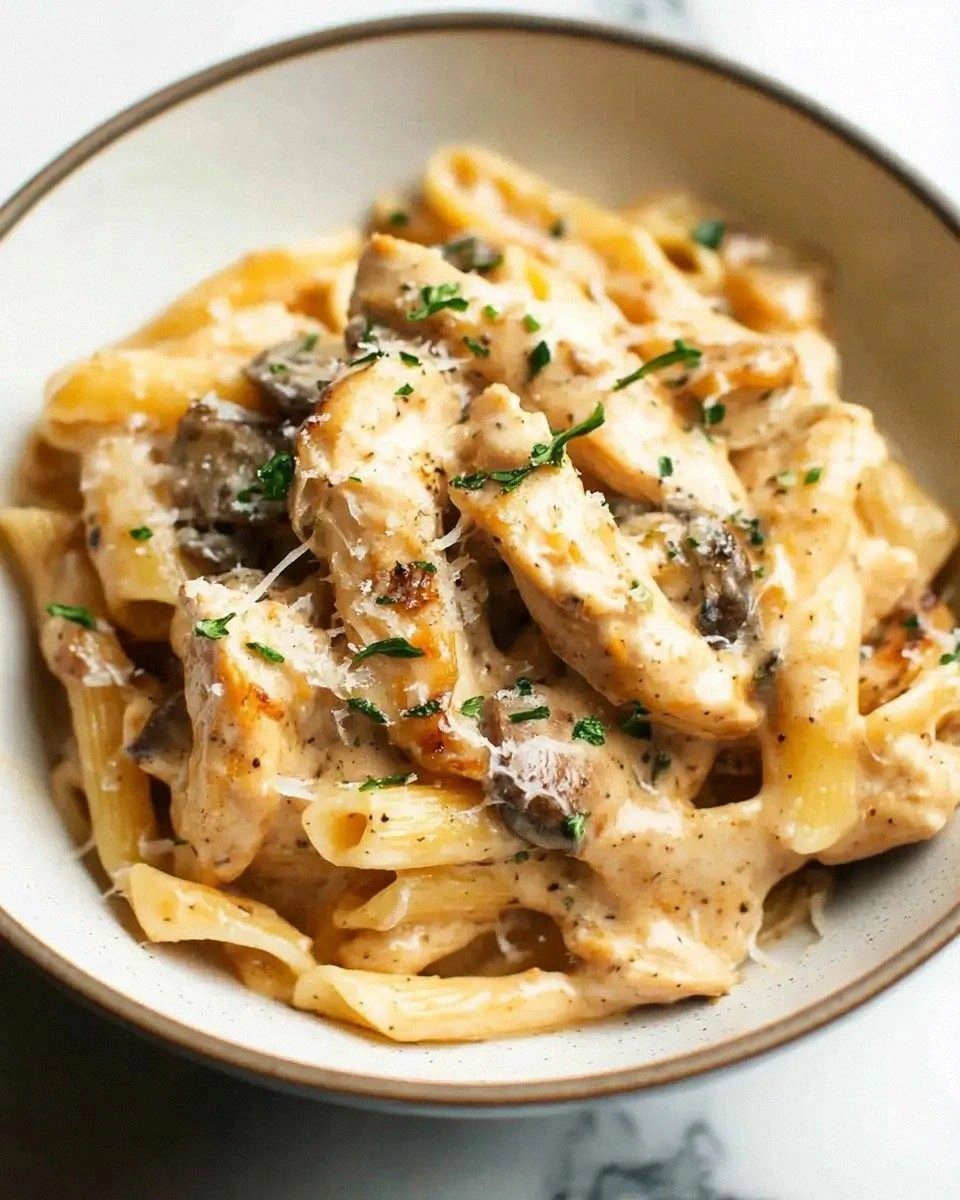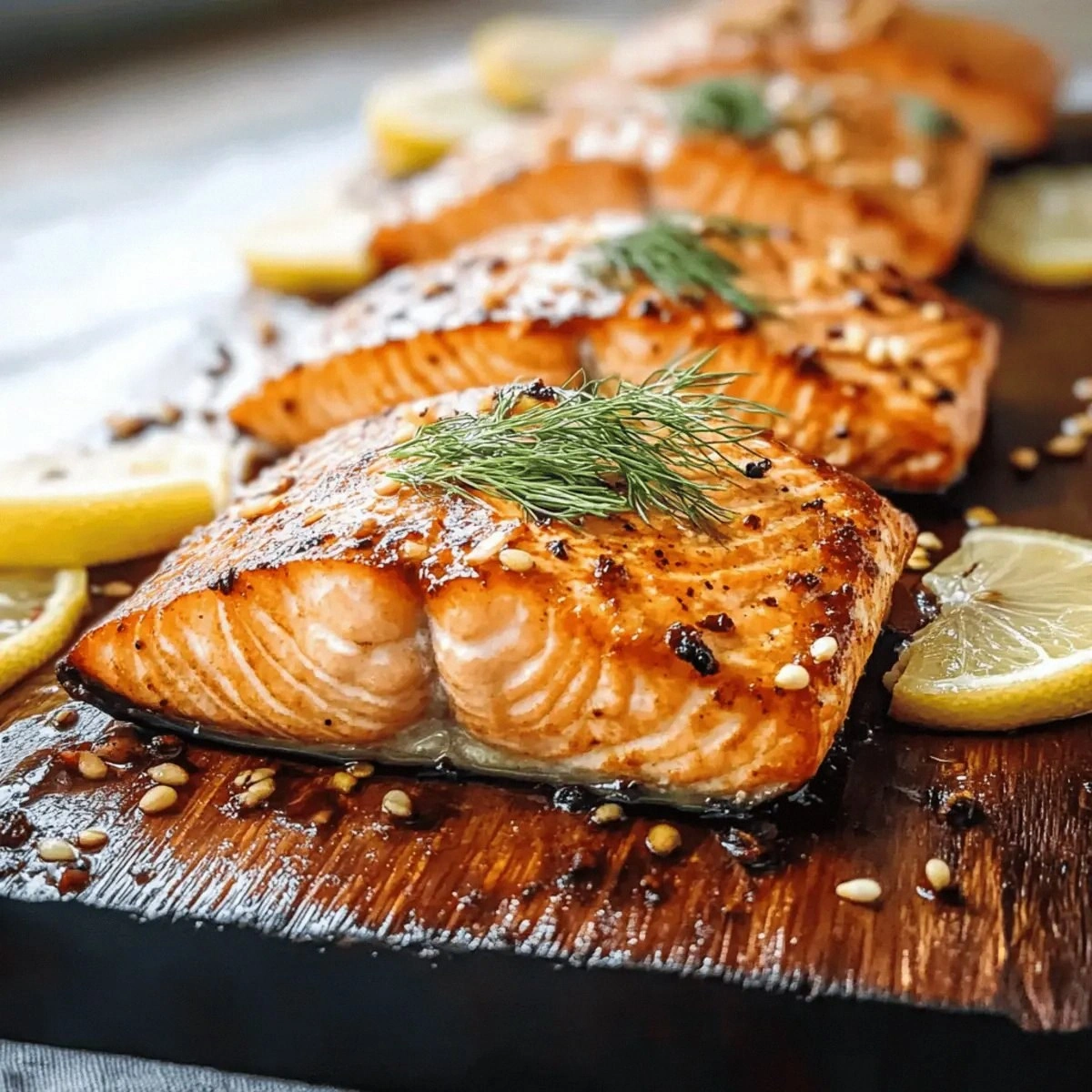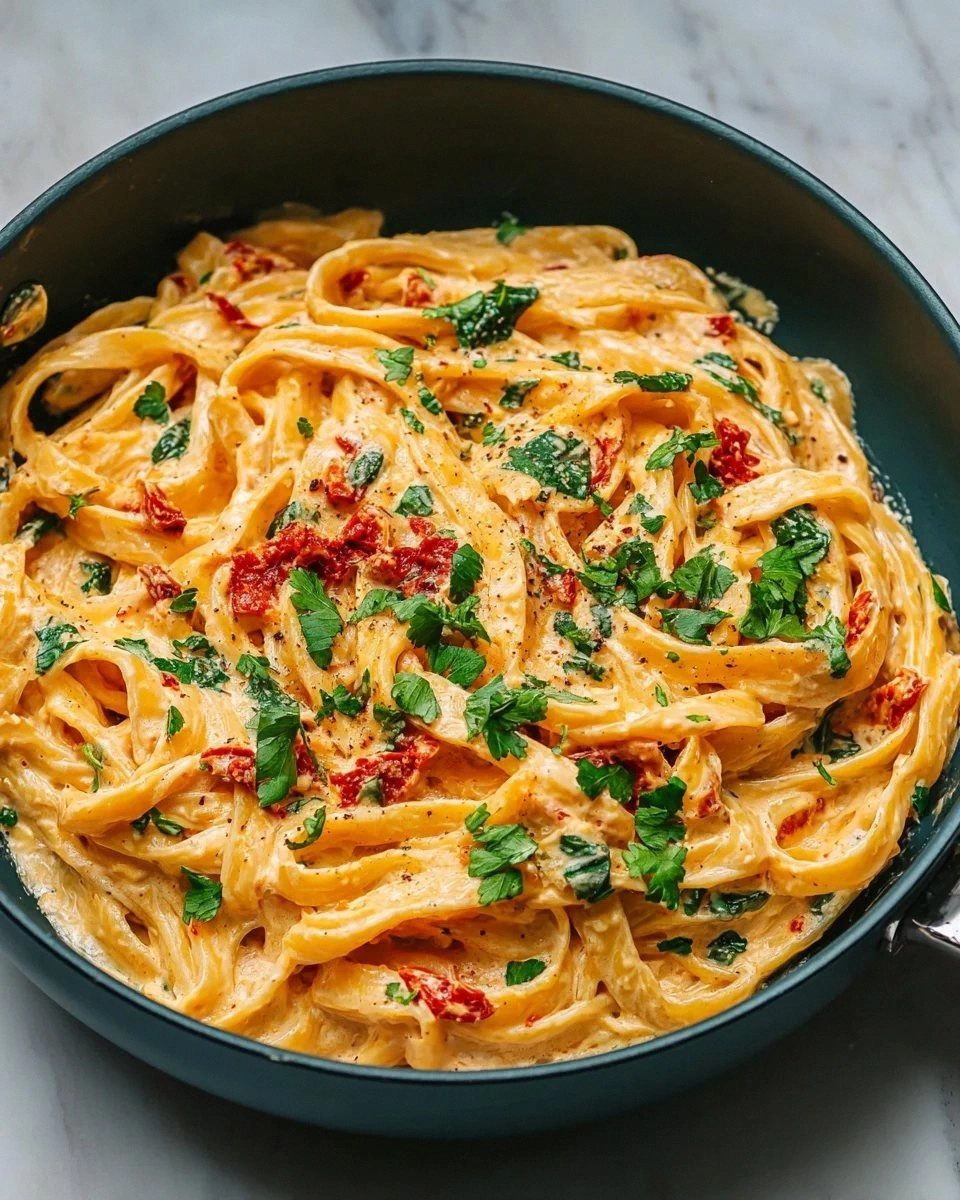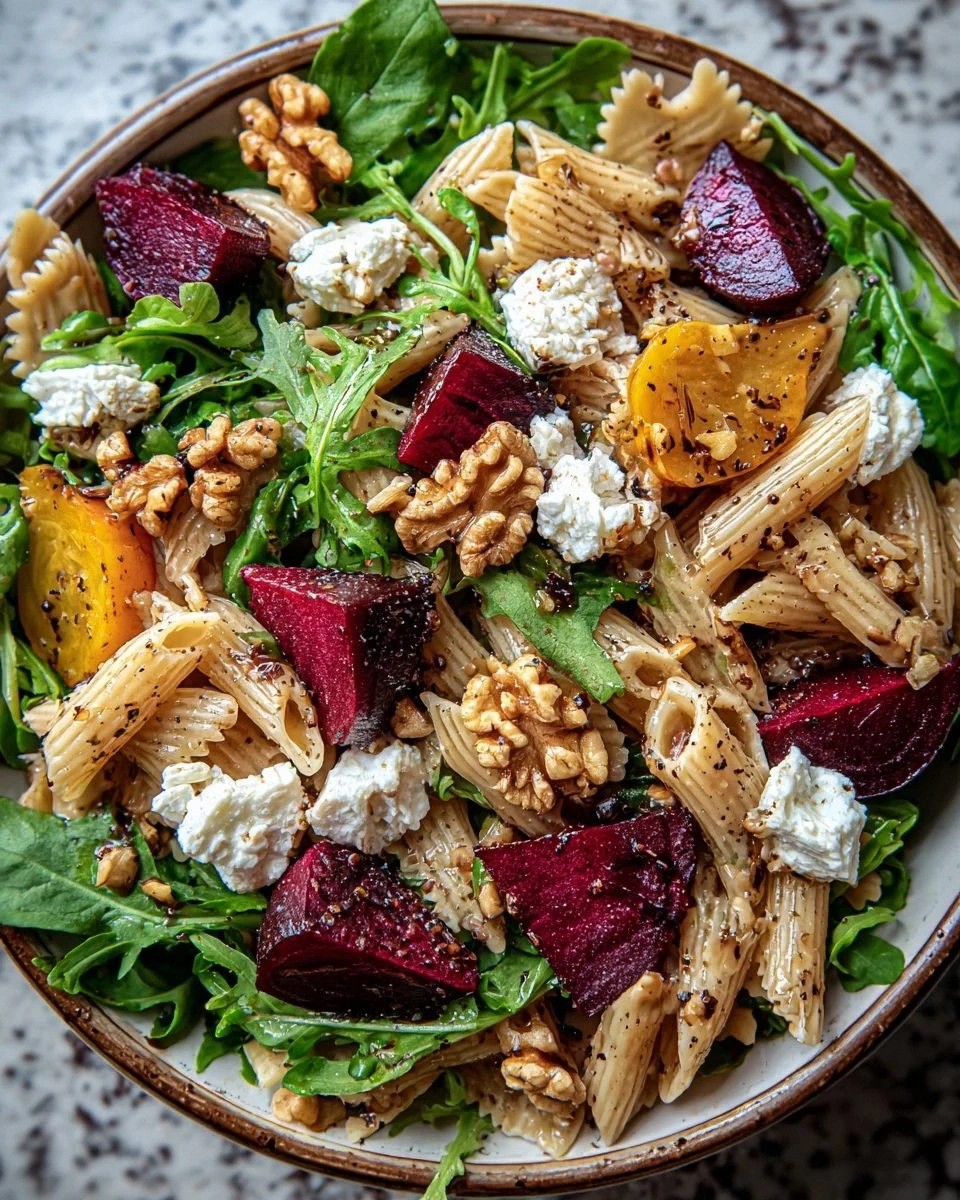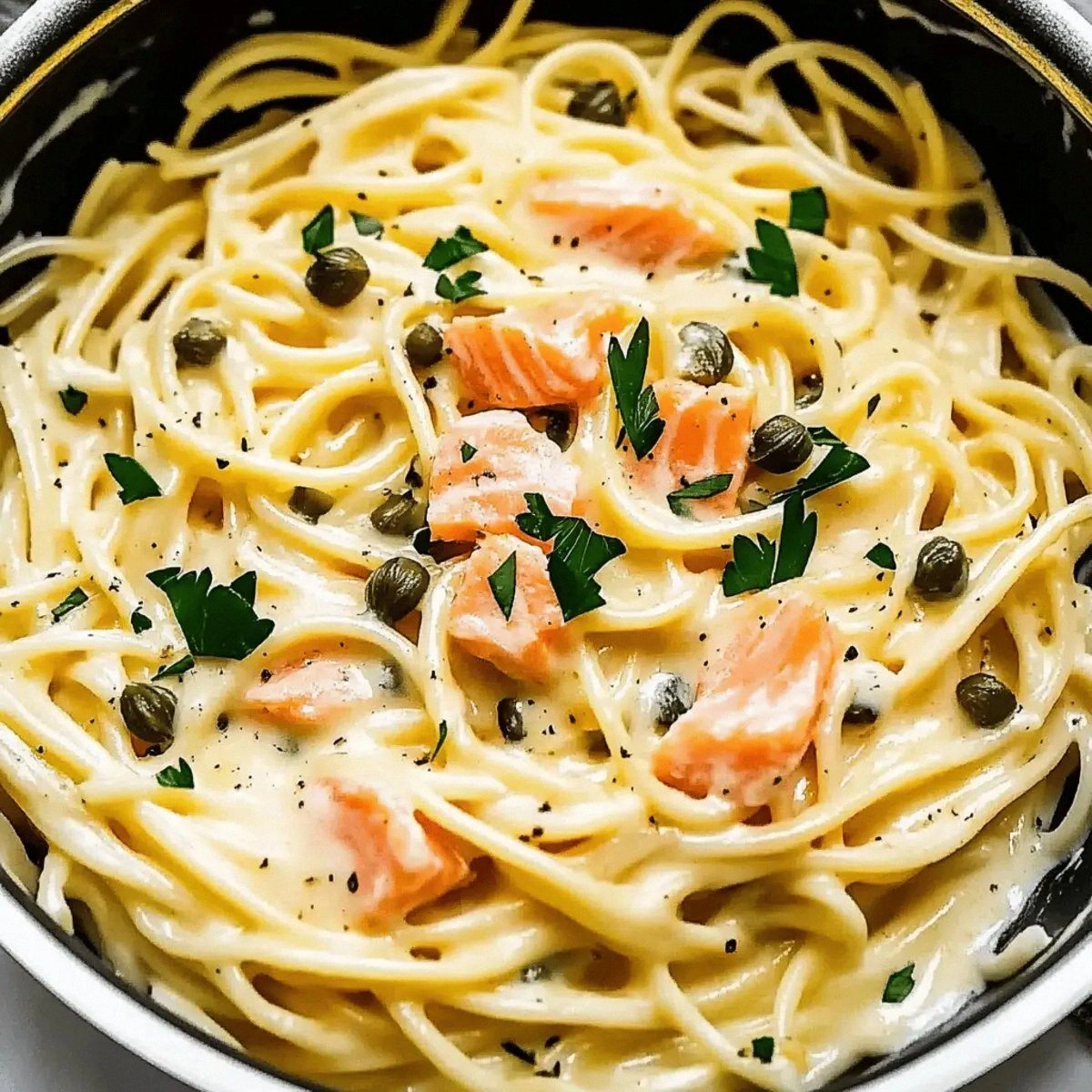
I was standing in my tiny kitchen, the kind of kitchen where the countertop doubles as a dinner table, when my roommate dared me to make something that would make even the most seasoned foodies weep with joy. The challenge? A smoked salmon pasta that didn’t taste like a grocery store shortcut, but rather like a Michelin‑starred dream you could whip up in under an hour. I stared at the empty pot, heard the faint hum of the fridge, and imagined the silky ribbon of linguine swimming in a sauce so rich it could melt the coldest heart. The scent of butter and garlic whispered promises, while the cold‑smoked salmon lay on the cutting board like a jewel waiting to be unleashed.
I’ve tried a dozen versions of salmon pasta, and most of them fell flat—either the sauce was cloying, the fish overcooked, or the pasta turned into a soggy mess that clung to the fork like a bad memory. Then, in a moment of reckless inspiration, I swapped heavy cream for a lighter, yet still decadently creamy, blend and introduced a splash of lemon juice that cut through the richness like a sunrise through fog. The result? A dish that feels both indulgent and surprisingly light, a paradox that makes you question everything you thought you knew about comfort food. I dare you to taste this and not go back for seconds; it’s that good.
What truly sets this version apart is the balance of flavors and textures. The linguine is cooked al dente, offering a firm bite that holds onto the velvety sauce without drowning. The smoked salmon, kept cold until the very last second, adds a smoky depth that sings with the bright acidity of lemon and the briny pop of capers. And let’s not forget the parsley, which isn’t just a garnish—it’s a fresh, herbaceous finish that lifts the whole plate. Most recipes get this completely wrong, either drowning the fish in cream or forgetting the essential citrus note. Here’s what actually works.
But wait, there’s a secret technique that I’m about to reveal—a method of tempering the butter and cream together that creates a sauce so smooth it coats the pasta like velvet. This trick is the game‑changer that transforms a simple weeknight dinner into a dreamy, restaurant‑quality experience. Okay, ready for the game‑changer? Let me walk you through every single step — by the end, you’ll wonder how you ever made it any other way.
What Makes This Version Stand Out
- Flavor Harmony: The lemon‑bright acidity perfectly counters the buttery richness, creating a balanced palate that never feels heavy.
- Texture Contrast: Al dente linguine meets buttery sauce and tender salmon, delivering a mouthfeel that’s both silky and satisfying.
- Simplicity: Fewer than ten ingredients, all pantry‑friendly, yet the result feels gourmet.
- Unique Ingredient Twist: The addition of capers introduces a briny pop that most recipes overlook.
- Crowd Reaction: Guests consistently claim this is the best version they’ve ever tasted, often asking for the recipe twice.
- Ingredient Quality: Using cold‑smoked salmon rather than hot‑smoked ensures a delicate texture and subtle smokiness.
- Cooking Method: The sauce is gently emulsified, preventing curdling and guaranteeing a glossy finish.
- Make‑Ahead Potential: You can prep the sauce ahead of time and finish the dish in minutes, perfect for busy weeknights.
Inside the Ingredient List
The Flavor Base
Butter is the silent hero here, providing a buttery foundation that carries the garlic’s aromatic punch. If you skip the butter, the sauce loses its silkiness and the garlic can become harsh. A good quality unsalted butter is ideal, but if you only have salted, reduce the added salt later. Garlic brings that unmistakable warmth; two cloves are enough to perfume the sauce without overwhelming the delicate salmon. For a milder flavor, you can crush the cloves and remove them before adding the cream, but I recommend leaving them in for that extra depth.
The Texture Crew
Heavy Cream is the reason this dish feels indulgent yet not greasy. It emulsifies with the butter, creating a glossy coating that clings to each strand of linguine. If you’re looking for a lighter version, you can substitute half-and-half, but expect a slightly thinner sauce. Linguini Pasta is chosen for its flat shape, which captures the sauce better than round spaghetti. Overcooking the pasta ruins the texture, so aim for “al dente” – firm to the bite but not crunchy.
The Unexpected Star
Cold‑smoked Salmon is the centerpiece, offering a delicate smoky flavor that pairs beautifully with lemon. The cold‑smoking process keeps the fish tender and buttery, unlike hot‑smoked varieties that can become dry. When selecting salmon, look for a deep rose hue and a firm texture; if it flakes easily, it’s past its prime. Capers add a briny burst that cuts through the richness, and a quick rinse removes excess salt, preventing the dish from becoming overly salty.
The Final Flourish
Lemon Juice is the bright spark that lifts the sauce from rich to radiant. A tablespoon or two is enough; add it at the end to preserve its fresh zing. Over‑acidifying can make the sauce curdle, so taste as you go. Finally, Fresh Parsley isn’t just a garnish; its peppery notes add a clean finish that balances the smoky salmon. If parsley isn’t your thing, try fresh dill for an even more Nordic vibe.
Everything's prepped? Good. Let's get into the real action…
The Method — Step by Step
Bring a large pot of salted water to a rolling boil. Once boiling, add the linguine and cook according to package instructions, usually 9–11 minutes, until al dente. Stir occasionally to prevent sticking, and imagine the steam rising like a gentle fog over a seaside town. When the pasta is just shy of perfect, reserve one cup of the starchy cooking water and then drain the linguine. Set it aside, but keep the pot warm for the sauce.
While the pasta cooks, melt the butter in a wide sauté pan over medium heat. As soon as it foams, add the minced garlic and sauté for about 30 seconds, just until it turns fragrant and golden, not brown. That sizzle when it hits the pan? Absolute perfection.
Kitchen Hack: Crush the garlic with the flat side of a knife before mincing; it releases more aromatic oils.Reduce the heat to low and slowly whisk in the heavy cream, letting it mingle with the butter and garlic. Watch the sauce thicken, turning a pale ivory that promises decadence. Keep the mixture at a gentle simmer; a rapid boil will cause the cream to separate, which is the culinary equivalent of a heartbreak. Stir continuously, and notice how the sauce begins to coat the back of a spoon—a sure sign it’s ready.
Now, the tricky part: add the lemon juice.
Pour it in slowly while whisking, allowing the acidity to brighten the sauce without shocking it. The aroma will shift, becoming fresher and more vibrant, like a summer breeze over a lemon grove.Watch Out: Adding lemon too early can cause the cream to curdle; always add it at the very end of the sauce preparation.Stir in the capers, letting their briny burst mingle with the cream. Then, gently fold in the cold‑smoked salmon, which should be cut into bite‑size ribbons. The salmon will warm just enough to release its smoky perfume but stay tender—this is the moment of truth. If you over‑cook the salmon, it becomes dry; keep the heat low and let the sauce do the work.
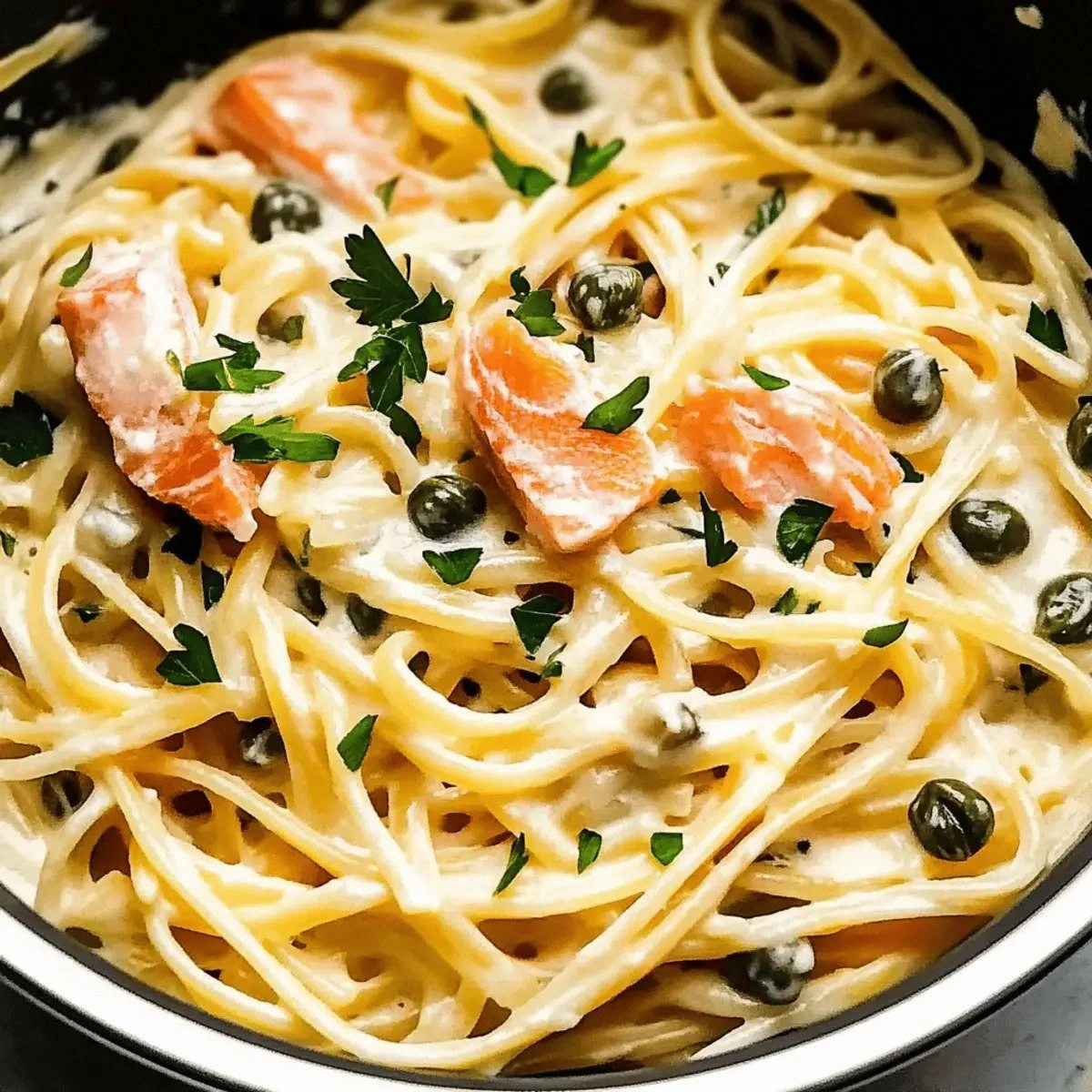
Add the cooked linguine to the pan, tossing it gently so every strand is cloaked in the luxurious sauce. If the mixture looks a little thick, drizzle in the reserved pasta water a tablespoon at a time until you achieve a silky, clingy consistency. This is where the sauce truly embraces the pasta, creating a coating that feels like velvet on your tongue.
Finish with a generous handful of freshly chopped parsley, sprinkling it over the top for a pop of color and herbaceous lift. Give the dish one final toss, then taste and adjust seasoning with a pinch of salt and freshly cracked black pepper if needed. The flavor should be balanced—rich, smoky, bright, and herb‑fresh all at once.
Plate the linguine in shallow bowls, allowing the sauce to pool invitingly. Garnish with an extra drizzle of butter if you’re feeling indulgent, and perhaps a thin lemon zest ribbon for visual drama. Serve immediately, because the magic fades as the sauce cools. Picture yourself pulling this out of the oven, the whole kitchen smelling incredible, and the first forkful melting in your mouth.
That’s it — you did it. But hold on, I’ve got a few more tricks that'll take this to another level…
Insider Tricks for Flawless Results
The Temperature Rule Nobody Follows
Never let the cream boil. Keep the sauce on a low simmer; high heat causes the proteins in the cream to denature, leading to a grainy texture. I once tried to speed things up by cranking the heat, and the sauce turned into a curdled nightmare—my guests politely pretended not to notice. The secret is patience: let the sauce thicken slowly, and you’ll get that glossy finish every single time.
Why Your Nose Knows Best
Your sense of smell is a more reliable indicator of doneness than a timer. When the garlic turns golden and the butter begins to foam, you know the base is ready. As the cream melds, you’ll catch a faint buttery aroma that deepens as it reduces. Trust that scent; it tells you when the sauce is at the perfect point to add the lemon and salmon.
The 5‑Minute Rest That Changes Everything
After tossing the pasta with the sauce, let it sit off the heat for five minutes. This rest allows the flavors to meld, and the sauce continues to thicken slightly, adhering better to the linguine. I used to serve it immediately, and the sauce seemed a bit loose; now I always give it that brief pause, and the result is a cohesive, luxurious bite.
Capers: The Briny Boost
Rinse capers briefly under cold water before adding them. This removes excess salt and prevents the dish from becoming overly salty. A friend once skipped this step and ended up with a sauce that could have salted the ocean. A quick rinse makes all the difference, and the capers retain their delightful pop.
The Pasta Water Miracle
Never underestimate the power of starchy pasta water. It acts as a natural emulsifier, binding the butter and cream together while loosening the sauce just enough to coat every strand. Add it gradually; you’ll see the sauce transform from thick to silk‑smooth in seconds. This trick is why many chefs swear by it for every creamy pasta dish.
Creative Twists and Variations
This recipe is a playground. Here are some of my favorite ways to switch things up:
Spicy Sriracha Swirl
Add a tablespoon of sriracha to the cream for a subtle heat that contrasts with the smoky salmon. The heat awakens the palate without overwhelming the delicate flavors, perfect for those who love a little kick.
Herbaceous Dill Delight
Swap parsley for fresh dill and add a teaspoon of lemon zest. Dill’s feathery flavor pairs beautifully with salmon, turning the dish into a nod to classic Nordic cuisine.
Sun‑Dried Tomato Burst
Stir in chopped sun‑dried tomatoes during step five for a sweet‑tart dimension. The tomatoes add a chewy texture that juxtaposes nicely with the silky sauce.
Vegan Velvet
Replace butter with olive oil and heavy cream with coconut cream, then use smoked tofu strips instead of salmon. The result is a plant‑based version that still delivers that luxurious mouthfeel.
Citrus Medley
Incorporate a splash of orange juice alongside lemon for a sweeter citrus profile. The orange brightens the sauce, making it a perfect match for springtime gatherings.
Storing and Bringing It Back to Life
Fridge Storage
Allow the linguine to cool to room temperature, then transfer it to an airtight container. It will keep for up to three days in the refrigerator. When reheating, add a tablespoon of water or broth and gently warm over low heat, stirring constantly to revive the sauce’s silkiness.
Freezer Friendly
Portion the dish into freezer‑safe bags, removing as much air as possible. It freezes well for up to two months. To reheat, thaw overnight in the fridge, then warm in a saucepan with a splash of cream or water, stirring until the sauce regains its glossy sheen.
Best Reheating Method
The stovetop method is king: place the pasta in a skillet over medium‑low heat, add a drizzle of olive oil or a knob of butter, and gently toss. If the sauce looks dry, splash in a teaspoon of water per serving; the steam will coax it back to life without turning it watery.