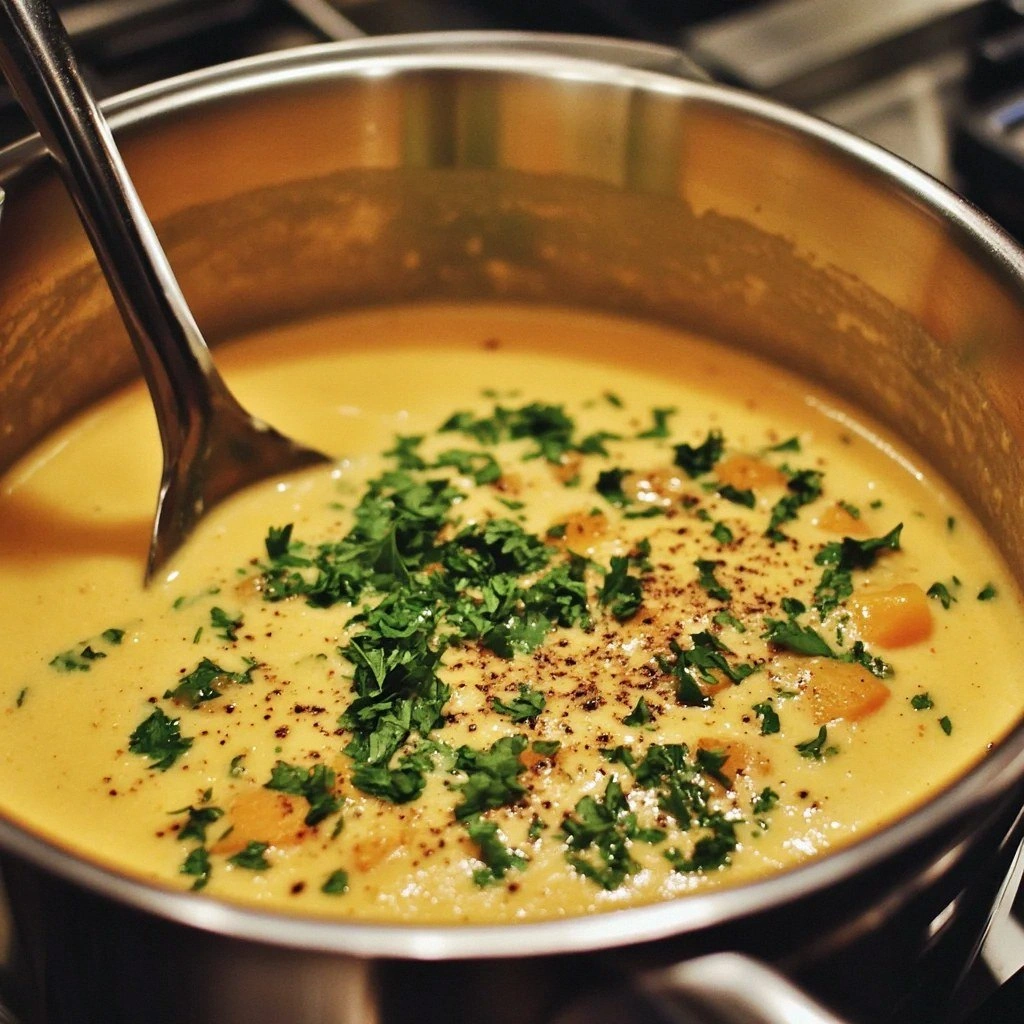
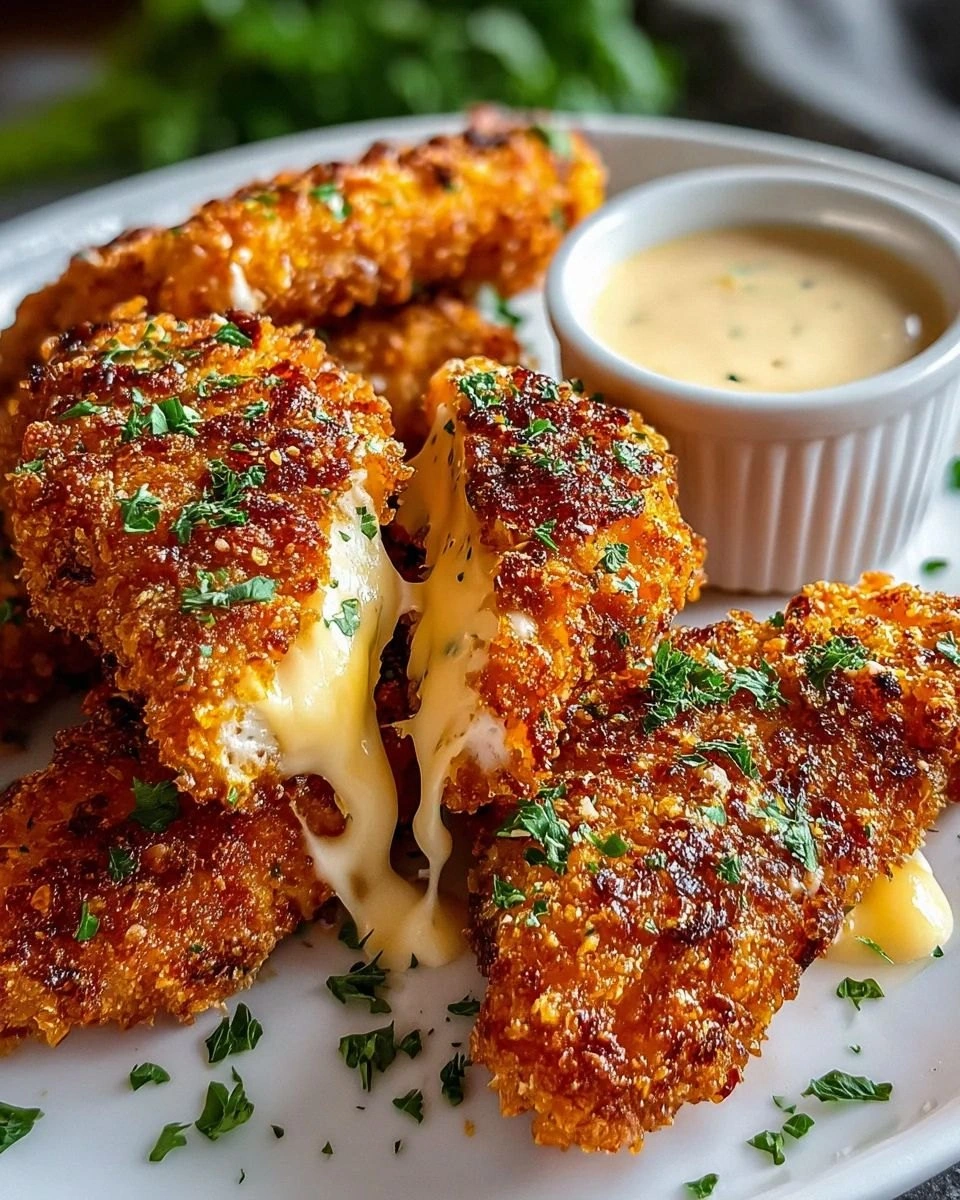
Picture this: it’s a Tuesday night, the pantry is looking like a barren wasteland, and you’ve just watched a sitcom where the protagonist triumphantly whips up a five‑course meal while the camera zooms in on the steam rising like a victorious flag. You, however, are staring at a sad, half‑empty fridge, wondering if you can conjure something that doesn’t involve microwaving a frozen pizza. I dared a friend to a “no‑order‑in” challenge, and the stakes were high—loser had to bring the winner a gallon of ice cream. I said, “Bring it on,” and then I remembered that one time I accidentally burned a batch of garlic‑infused chicken while trying to multitask. That disaster turned into a revelation: the secret was not in the heat, but in the harmony of a single pan where everything sings together. That moment sparked the birth of this Loaded Chicken and Veggie Skillet, the kind of dish that makes you feel like you’ve just unlocked a culinary cheat code.
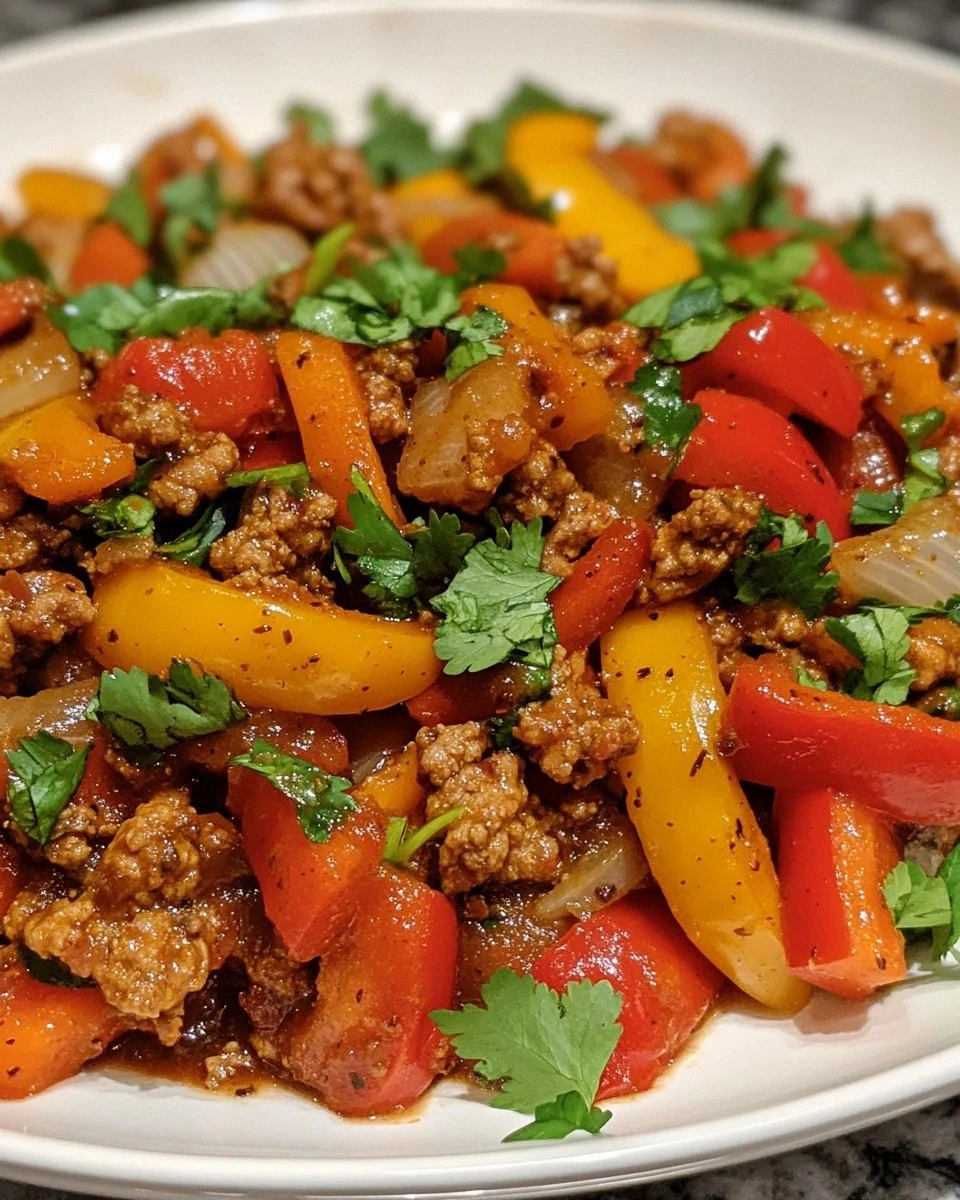
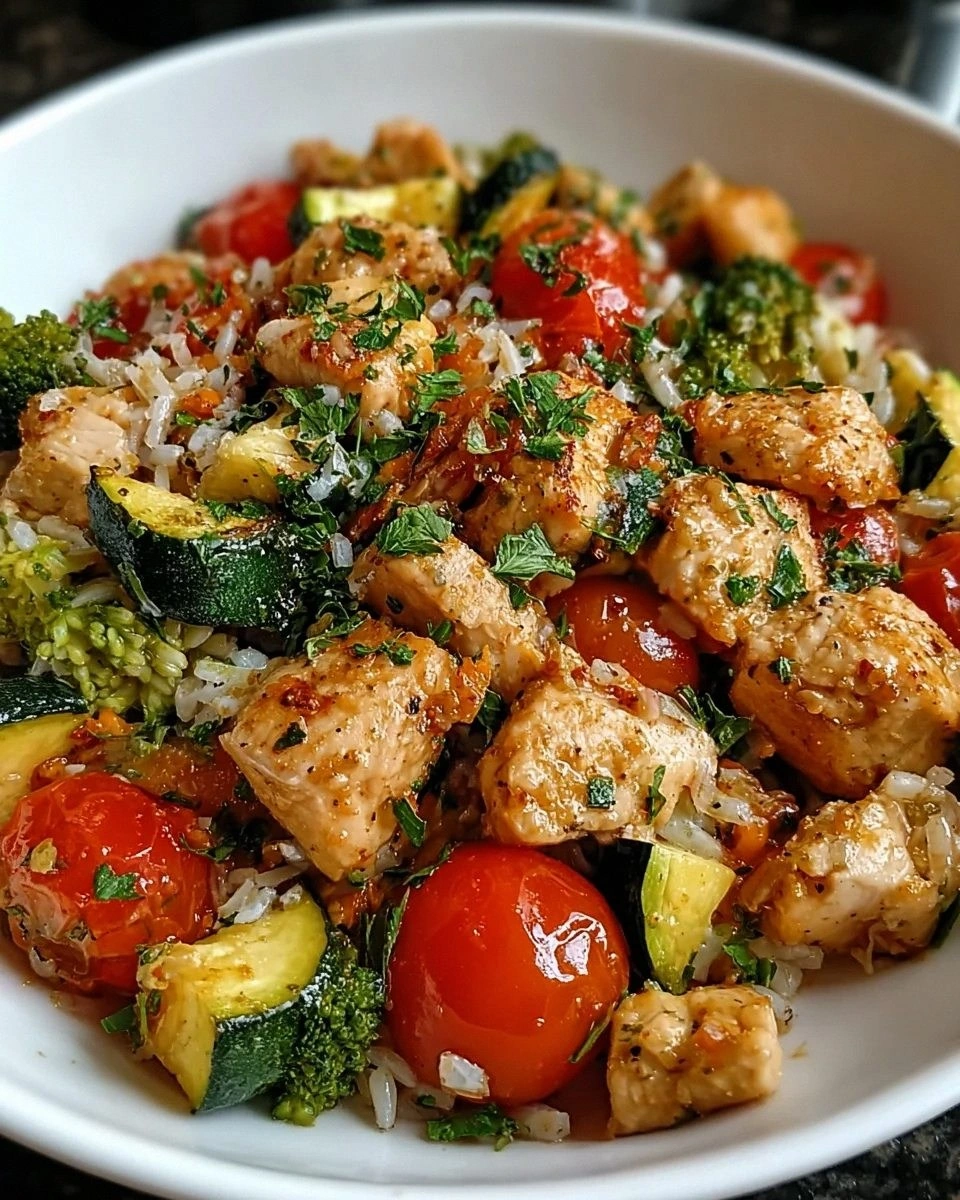
The kitchen quickly filled with the sound of sizzling olive oil hitting a hot skillet, a sound that is practically the soundtrack of a culinary victory. The aroma of garlic and Italian seasoning rose like a fragrant flag, waving a bold “I’m about to make something amazing” banner. The colors—vivid reds of bell pepper, deep greens of broccoli, the sun‑kissed orange of zucchini—looked like a painter’s palette that had decided to jump straight onto the plate. When the chicken pieces started to brown, the edges pulled away from the pan with a satisfying crackle that felt like the soundtrack of a fireworks show, except the fireworks were edible and you could actually eat them.
What makes this version stand out? Most one‑pan meals either drown in soggy veggies or leave the protein dry and bland. I’ve tweaked the technique so the chicken stays juicy, the veggies stay crisp‑tender, and the Parmesan forms a golden, cheesy crust that melts into every bite. I’m going to throw in a surprise ingredient that you won’t see coming—just a splash of lemon juice at the very end to brighten everything up like a spotlight on a stage. This isn’t just another skillet dinner; it’s a flavor orchestra where every instrument knows its part.
Let me walk you through every single step — by the end, you’ll wonder how you ever made it any other way. I dare you to taste this and not go back for seconds. Ready? Let’s dive in, and remember: this next part? Pure magic.
What Makes This Version Stand Out
- Bold Flavor Fusion: The combination of Italian seasoning, garlic, and a splash of lemon creates a layered taste that feels both familiar and exciting, like a favorite song with an unexpected bridge.
- Texture Symphony: Crispy chicken edges, crunchy broccoli, and tender zucchini create a mouthfeel that dances between snap and melt, ensuring each bite is a surprise.
- One‑Pan Simplicity: No pots, no pans, no mountain of dishes—just a single skillet that does it all, saving you time and sanity.
- Cheesy Finish: Grated Parmesan melts into a buttery crust, turning the whole skillet into a golden, gooey masterpiece that looks like it belongs in a restaurant.
- Visual Wow Factor: The rainbow of veggies makes the dish Instagram‑ready, guaranteeing likes, comments, and possibly a dinner invitation.
- Ingredient Quality: Using fresh, crisp vegetables and high‑quality chicken ensures every component shines, proving that good basics trump gimmicks.
- Adaptable & Make‑Ahead Friendly: This skillet reheats beautifully, and you can prep the veggies ahead of time, making weeknight chaos a thing of the past.
- Crowd‑Pleaser: Even the pickiest eaters can’t resist the cheesy, savory goodness, turning any dinner into a celebration.
Inside the Ingredient List
The Flavor Base
Boneless, skinless chicken breast: The star of this dish, packed with protein and easy to cook. It absorbs the seasonings like a sponge, turning every bite into a savory delight. Skipping it would leave the skillet feeling empty, like a story without a protagonist. If you’re not a fan of chicken, try firm tofu or thick‑cut pork tenderloin as a swap.
Olive oil: Perfect for sautéing, it adds healthy fats and a subtle fruitiness that rounds out the garlic and herbs. Using butter would give a richer flavor but could cause the veggies to brown too quickly. Opt for extra‑virgin for the best aroma.
The Texture Crew
Bell pepper: Choose any color you love for sweetness and crunch. Red, yellow, or green all work beautifully, each adding its own hue to the visual symphony. If you miss the crunch, slice them thinly; if you want more sweetness, roast them first.
Zucchini: Adds a mild taste and lovely texture, sliced into half‑moons for even cooking. Overcooking zucchini turns it mushy, so keep an eye on the clock. You can swap it for yellow squash or even sliced eggplant for a heartier bite.
Broccoli florets: These little green trees not only bring vibrant color but also an excellent source of vitamins. They stay crisp if you add them halfway through cooking. If broccoli isn’t your thing, cauliflower makes a great stand‑in.
Cherry tomatoes: Halved, they burst with sweet juice and add a fresh zing to your skillet. Their acidity balances the richness of the chicken and cheese. For a different twist, try grape tomatoes or even canned diced tomatoes.
The Aromatic Boost
Garlic: Minced garlic provides a warm, aromatic flavor that enhances every bite. Too much can become bitter, so keep it moderate. If you’re allergic, try garlic‑infused oil for a milder profile.
Italian seasoning: A delightful blend of herbs that elevates the entire dish to Italian comfort food! It’s the secret behind the “restaurant‑level” taste. Feel free to make your own mix of oregano, basil, thyme, and rosemary for a personalized touch.
The Final Flourish
Salt and black pepper: Essential seasonings to give your chicken and veggies their flavor boost. Season in layers—first the chicken, then the veggies—to build depth.
Grated Parmesan cheese: The final touch, adding a creamy, cheesy flavor that ties everything together. Sprinkle it on at the end so it melts into a golden crust. If you’re dairy‑free, nutritional yeast can mimic the cheesy note.
Fresh parsley: A pop of color and freshness for garnish. It’s like confetti on your plate, adding a bright finish that lifts the whole dish.
Everything's prepped? Good. Let's get into the real action…
The Method — Step by Step
Heat a large, heavy‑bottomed skillet over medium‑high heat and drizzle in 2 tablespoons of olive oil. When the oil shimmers like a tiny lake at sunrise, it’s ready. Add the chicken breasts, seasoned with a pinch of salt and pepper, and let them sizzle. You’ll hear that satisfying “hiss” that says, “We’re about to get tasty.” Cook for about 5‑6 minutes per side, until the exterior turns a deep golden brown and the interior reaches 165°F (75°C). Power transition: Okay, ready for the game‑changer?
Remove the chicken and set it aside on a plate, covering loosely with foil to keep warm. In the same skillet, add the minced garlic and let it dance for about 30 seconds—just until it’s fragrant but not browned.
Kitchen Hack: If the garlic starts to brown too fast, lower the heat slightly; burnt garlic brings bitterness, not brilliance.Throw in the sliced bell pepper, zucchini half‑moons, and broccoli florets. Stir them around, letting each piece get a quick sear—this is where the veggies lock in their crunch. Sprinkle the Italian seasoning over the vegetables, and season with a little more salt and pepper.
Watch Out: Overcrowding the pan will steam the veggies instead of sautéing them; if needed, work in batches.After the veggies have softened for about 4‑5 minutes, add the halved cherry tomatoes. They’ll release a burst of juice that creates a light sauce, coating everything like a glossy veil. Let the mixture cook for another 2 minutes, watching the tomatoes soften but still hold their shape.
Slice the rested chicken into bite‑size strips or cubes—whatever you prefer for texture. Return the chicken to the skillet, nestling it among the veggies. This reunion is the moment of truth; the chicken should be hot, the veggies still bright, and the pan should smell like a Mediterranean garden after rain.
Sprinkle 1/4 cup of grated Parmesan cheese over the entire skillet. As it melts, it creates a golden crust that clings to the chicken and veggies, turning the whole dish into a cheesy masterpiece. Let it sit for a minute, allowing the cheese to set slightly—this is the “cheese‑pull” moment you’ve been waiting for.
Finish with a splash of fresh lemon juice—about 1 tablespoon—and a generous handful of chopped fresh parsley. The lemon brightens the dish, while the parsley adds a fresh, herbaceous pop that feels like confetti on a celebration cake.
Give everything one final toss, then turn off the heat. Let the skillet rest for a couple of minutes; this short rest lets the flavors meld together like a well‑rehearsed choir. Serve straight from the pan, or plate it up with a side of crusty bread to mop up any lingering sauce. And now the fun part: dig in and watch your guests’ faces light up.
Insider Tricks for Flawless Results
The Temperature Rule Nobody Follows
Most home cooks crank the heat up to “as hot as possible” hoping for a quick sear, but that’s a recipe for uneven cooking. Keep the skillet at medium‑high; you’ll get a golden crust on the chicken without burning the veggies. If you notice the oil smoking, drop the temperature a notch—this small adjustment makes the difference between “just right” and “charred disaster.”
Why Your Nose Knows Best
When the garlic hits the oil, your kitchen will fill with a sweet, nutty aroma. If you can’t smell that fragrant note within 30 seconds, the heat is too low. Trust your nose; it’s the most reliable thermometer in the kitchen.
The 5‑Minute Rest That Changes Everything
After cooking, letting the chicken rest for five minutes lets the juices redistribute, preventing a dry bite. This rest also gives the Parmesan a chance to set, forming that coveted crust. Skipping this step is like cutting a cake before it cools—messy and disappointing.
Veggie Timing Tactics
Not all veggies cook at the same rate. Add the broccoli first, then the zucchini, and finally the bell pepper. This layering ensures each piece reaches the perfect al‑dente texture. If you toss everything in at once, you’ll end up with soggy zucchini and undercooked broccoli.
Seasoning in Layers
Season the chicken first, then the vegetables, and finish with a pinch of salt just before serving. This three‑step seasoning builds depth, making the final dish taste like it’s been simmering for hours. Trust me, you’ll taste the difference the moment you take a bite.
Creative Twists and Variations
This recipe is a playground. Here are some of my favorite ways to switch things up:
Spicy Southwest
Swap the Italian seasoning for a blend of cumin, smoked paprika, and chili powder. Add a diced jalapeño with the bell pepper for an extra kick. Top with a dollop of cool sour cream and a sprinkle of cilantro for a fiesta vibe.
Asian‑Inspired
Replace the Italian seasoning with a mix of ginger, garlic, and a splash of soy sauce. Toss in sliced carrots and snap peas instead of broccoli. Finish with a drizzle of sesame oil and toasted sesame seeds for that nutty crunch.
Mediterranean Delight
Use oregano, thyme, and a pinch of smoked salt. Add Kalamata olives and feta cheese instead of Parmesan. A handful of roasted red peppers brings a sweet, smoky depth that pairs beautifully with the lemon finish.
Creamy Coconut Curry
Stir in a tablespoon of red curry paste with the garlic, then splash in half a cup of coconut milk after the veggies are tender. Let it simmer until the sauce thickens, then finish with fresh cilantro. Serve over jasmine rice for a complete meal.
Vegetarian Power‑House
Replace the chicken with firm tofu cubes, pressed and lightly pan‑fried first. Add a handful of chickpeas for extra protein. Use nutritional yeast instead of Parmesan for a cheesy, dairy‑free finish.
Herb‑Infused Quinoa Bowl
Serve the skillet over a bed of fluffy quinoa tossed with chopped mint and lemon zest. The quinoa soaks up the savory juices, turning each bite into a hearty, balanced meal.
Storing and Bringing It Back to Life
Fridge Storage
Allow the skillet to cool to room temperature (no more than 2 hours), then transfer to an airtight container. It will keep fresh for up to 3 days. When reheating, add a splash of water or chicken broth to restore moisture and prevent the veggies from drying out.
Freezer Friendly
Portion the cooled skillet into freezer‑safe bags, removing as much air as possible. It freezes well for up to 2 months. To reheat, thaw overnight in the fridge, then warm in a skillet over medium heat, adding a little liquid to revive the sauce.
Best Reheating Method
The stovetop is king. Heat a non‑stick skillet over medium heat, add a teaspoon of olive oil, and toss the frozen or refrigerated leftovers in. Cover for 2‑3 minutes to steam, then uncover and stir until everything is hot and the cheese regains its melt. The result is almost as fresh as the original.