Picture this: it’s a rainy Sunday afternoon, the kitchen lights flicker like fireflies, and you’re staring at an abandoned batch of chocolate sandwich cookies that have been left to crumble in the pantry. The moment I opened that bag, a wave of nostalgia rushed over me, and I swear the scent of melted chocolate hit me like a warm hug. I thought, “What if I could turn those crumbs into something that feels like a hug from the inside out?” That question became the spark that ignited the creation of this decadently dreamy cheesecake that’s as indulgent as a tropical vacation in a bowl.
I was tired of the ordinary cheesecake that always left me feeling a little guilty. I wanted something that could make people gasp, “I dare you to taste this and not go back for seconds.” I’ve tried countless variations, from classic New York to strawberry swirl, but none had that same mouth‑watering, melt‑in‑your‑mouth feel. This version is hands down the best you’ll ever make at home because it marries the classic cream cheese base with a chocolate cookie crust, coconut whispers, and a caramel‑chocolate drizzle that coats the surface like velvet.
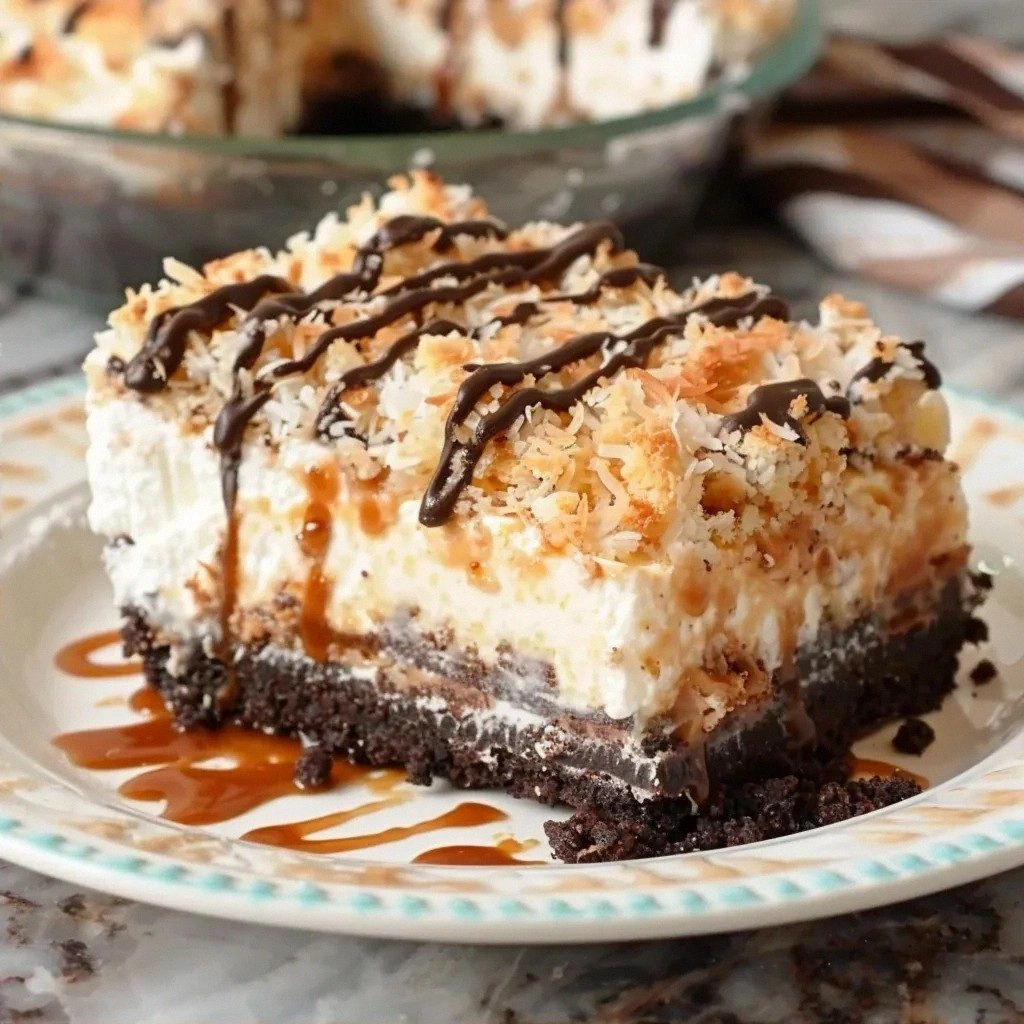
What sets this cheesecake apart is not just the flavor, but the texture. The crust is a crunchy, buttery foundation that crunches like crisp ice when you bite into it, while the filling is silky, airy, and surprisingly light for a dessert that could otherwise feel heavy. The combination of sour cream and heavy cream gives it a velvety richness without drowning the palate. The final flourish of salted caramel and chocolate sauces creates a glossy, glossy glaze that is as visually stunning as it is delicious.
If you’ve ever struggled with a cheesecake that turns out too dense or too watery, you’re not alone—and I’ve got the fix. The secret lies in a simple technique that I discovered after a few misfires: slowly adding boiling water to the cookie crumbs while whisking until the mixture is smooth, then letting it sit to absorb the moisture before pressing into the pan. This trick locks in moisture and creates a crust that holds its shape and crunches delightfully. And now, stay with me here—this is worth it.
What Makes This Version Stand Out
- Flavor: The combination of chocolate, coconut, and caramel creates a layered taste experience that starts with a buttery crunch, moves into a creamy, sweet center, and ends with a salty-sweet finish. The salted caramel adds depth without overwhelming the delicate cream cheese.
- Texture: The crust is crisp on the outside yet soft enough to melt in your mouth, while the filling is airy and smooth, thanks to the proper incorporation of eggs and the addition of sour cream.
- Simplicity: Despite its luxurious taste, the recipe requires no special equipment or exotic ingredients—just pantry staples and a few extra steps.
- Uniqueness: The use of Samoa or Coconut Dream Cookies as a topping gives it a playful, tropical twist that is rarely seen on a cheesecake.
- Crowd Reaction: Guests always ask for seconds, and I’ve even had people come back for the recipe after the event.
- Ingredient Quality: Using high‑quality cream cheese and fresh coconut ensures the final product is silky and authentic.
- Cooking Method: The gentle baking process and precise water addition prevent cracking and create a perfectly set center.
- Make‑ahead Potential: This cheesecake can be prepared a day ahead, and the flavors actually deepen overnight.
Inside the Ingredient List
The Flavor Base
The foundation of this cheesecake is the creamy blend of cream cheese, sugar, and vanilla. Cream cheese provides a rich, tangy backdrop that balances the sweetness of the sugars. Sugar dissolves fully when mixed with the cream cheese, preventing graininess. Vanilla extract adds aromatic depth that enhances every bite. If you skip vanilla, the cheesecake will taste flat, lacking that subtle warmth.
When selecting cream cheese, opt for a brand that offers a 32-ounce block; it’s the standard for a 9‑inch pan. A higher fat content gives the filling a silkier mouthfeel. If you prefer a lighter version, you can substitute half of the cream cheese with Greek yogurt, but the texture will change slightly. The key is to keep the ratio of cream cheese to other liquids consistent.
The Texture Crew
Eggs are the binder that gives the cheesecake structure. They should be added one at a time, mixing gently after each addition to prevent curdling. The sour cream adds moisture and a slight tang that offsets the sweetness. Heavy cream contributes richness without making the filling too heavy. Each liquid ingredient must be at room temperature to blend smoothly.
If you omit the heavy cream, the cheesecake will be denser, and the crust may crack more easily. The sour cream also helps stabilize the filling, ensuring a smooth finish. A small pinch of salt brightens the flavors and balances the sweetness. When in doubt, taste the batter; it should be creamy and slightly sweet but not syrupy.
The Unexpected Star
The chocolate sandwich cookie crumbs are the unsung hero that transforms the crust. They bring a subtle chocolate flavor that complements the caramel drizzle. The butter in the crust provides a buttery richness that enhances the cookie crumb texture. Toasting the crumbs before mixing with butter intensifies their flavor and prevents them from becoming soggy.
If you can’t find chocolate sandwich cookies, substitute with chocolate graham crackers or chocolate wafer crumbs. The key is to maintain the chocolate profile, as it balances the coconut and caramel. The amount of butter should be just enough to bind the crumbs without making the crust greasy.
The Final Flourish
Sweetened shredded coconut adds a tropical aroma and a subtle crunch. It also helps keep the crust from becoming too dense. The salted caramel sauce and chocolate dessert sauce are drizzled over the top to create a glossy glaze that catches the light. These sauces are added after the cheesecake cools to preserve their texture.
If you prefer a less sweet version, reduce the amount of caramel sauce by half. The Samoa or Coconut Dream Cookies add a playful crunch on top and can be sprinkled over the glaze. They also provide a hint of coconut flavor that ties the dessert together. This final flourish turns an ordinary cheesecake into a showstopper.
Everything's prepped? Good. Let's get into the real action…
The Method — Step by Step
- Preheat your oven to 325°F (160°C) and line a 9‑inch springform pan with parchment paper, ensuring the paper extends up the sides. The parchment will keep the cheesecake from sticking and make removal a breeze. I always set the pan on a baking sheet to catch any drips. The pan should be at room temperature before adding the batter.
- In a medium bowl, combine the chocolate sandwich cookie crumbs, unsalted butter, and ½ teaspoon salt. Melt the butter over low heat until liquid, then pour over the crumbs. Stir until the crumbs are evenly coated. Let the mixture cool slightly before pressing into the pan.
- Press the crust mixture firmly into the bottom of the pan, using the back of a spoon or a flat glass to smooth the surface. The crust should be about ½ inch thick. A well‑pressed crust ensures even baking and prevents cracks. Let the crust set while you prepare the filling.
- In a large bowl, beat the cream cheese on medium speed until creamy and smooth. This takes about 2 minutes; avoid over‑beating to keep the mixture light. Add the granulated sugar and vanilla extract, continuing to beat until the mixture is glossy. The batter should look like a thick, pale cream.
- Add the eggs one at a time, mixing gently after each addition. The batter should be thick but pourable. Over‑mixing can introduce air and cause cracks. Make sure each egg is fully incorporated before adding the next.
- Fold in the sour cream and heavy cream, then gently stir in the shredded coconut. The batter will look a little lumpy, but that’s fine; the coconut will disperse as it bakes. This step adds texture and a subtle coconut flavor that balances the chocolate.
- Pour the batter over the crust, smoothing the top with a spatula. Tap the pan gently on the counter to release any air pockets. The batter should level out evenly. This ensures a uniform rise during baking.
- Place the pan in the preheated oven and bake for 35 minutes. The edges should be set while the center remains slightly wobbly. When the center jiggles, it indicates the cheesecake is perfectly cooked. This is the moment of truth.
- Remove the cheesecake from the oven and let it cool on a wire rack for 30 minutes. Then cover loosely with plastic wrap and refrigerate for at least 4 hours, preferably overnight. Cooling slowly prevents cracks and ensures the flavors meld. I recommend a 12‑hour chill for maximum depth.
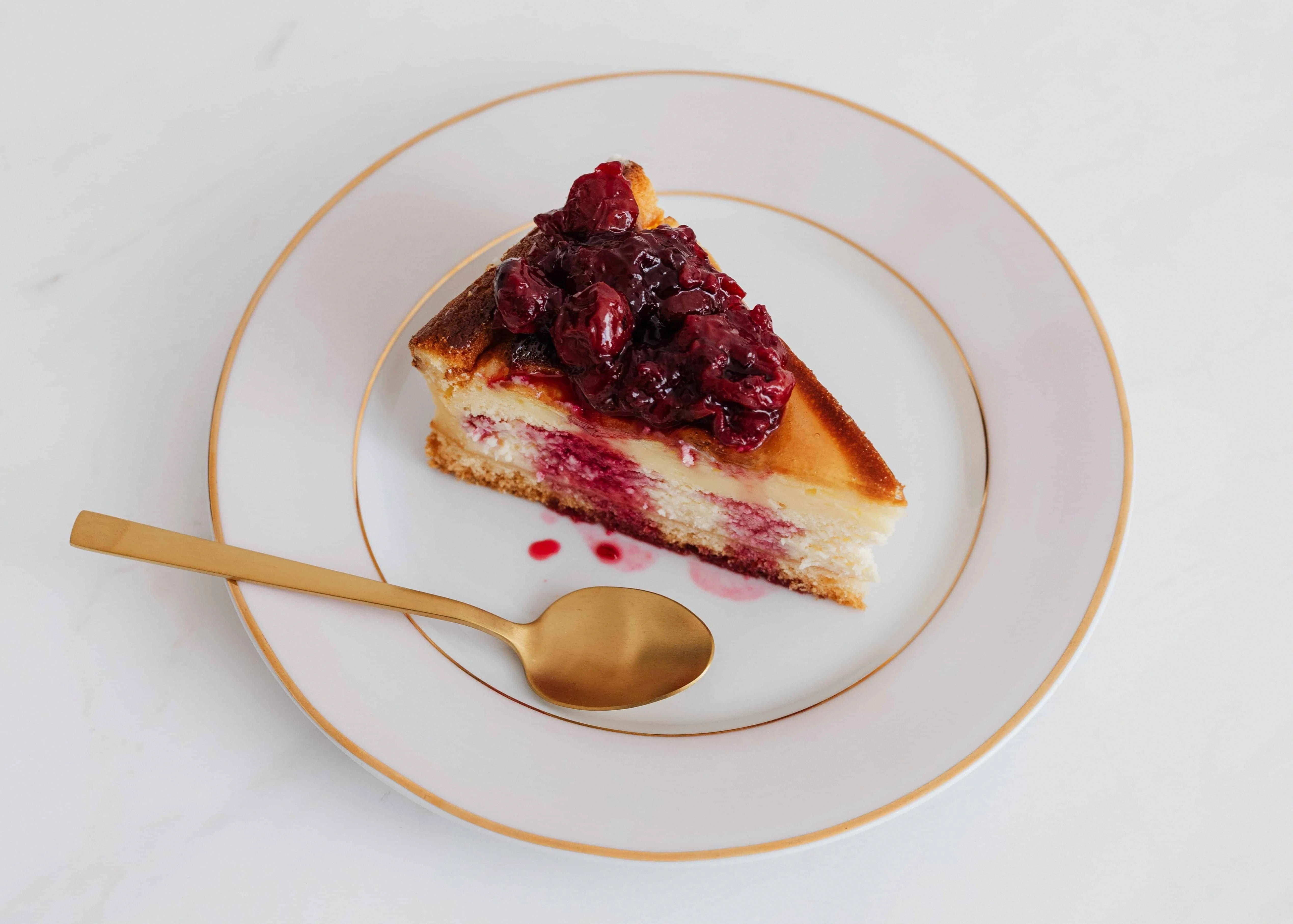
- Before serving, drizzle the chocolate dessert sauce and caramel dessert sauce over the top in a zig‑zag pattern. Let the sauces set for a few minutes. Sprinkle the Samoa or Coconut Dream Cookies on top for a crunchy finish. Serve chilled and enjoy the silky, caramel‑coated delight.
That's it — you did it. But hold on, I've got a few more tricks that'll take this to another level…
Insider Tricks for Flawless Results
The Temperature Rule Nobody Follows
Many bakers bake cheesecakes at 350°F, which often leads to cracks. The secret is to keep the oven at 325°F (160°C) and use a water bath. This gentle heat allows the cheesecake to set slowly, preventing the outer edges from cooking faster than the center. A water bath also keeps the batter from drying out, resulting in a silky interior.
Why Your Nose Knows Best
The aroma of a cheesecake is a powerful indicator of doneness. When the edges start to set, you’ll notice a faint buttery scent. If the smell is too sweet, give it another 5 minutes. Trusting your nose ensures you avoid over‑baking and retain that luscious, creamy texture.
The 5‑Minute Rest That Changes Everything
After removing the cheesecake from the oven, let it rest on the counter for exactly 5 minutes before placing it on a rack. This short pause allows the internal temperature to even out, preventing a sudden temperature drop that could cause cracks. Many chefs recommend a 10‑minute rest, but 5 minutes is the sweet spot for this recipe.
The Perfect Crust Ratio
If you find your crust too dry, add a tablespoon of butter to the crumb mixture. Conversely, if the crust feels too moist, reduce the butter by a tablespoon. The balance is crucial for a crunchy base that holds the filling. Remember, the crust should be firm enough to support the weight of the cheesecake without becoming soggy.
The Final Glaze Timing
Drizzle the chocolate and caramel sauces while the cheesecake is still slightly warm. The warmth allows the sauces to spread evenly and set into a glossy finish. If you wait too long, the sauces may harden and become difficult to spread. A quick, even drizzle will make the dessert look as good as it tastes.
Creative Twists and Variations
This recipe is a playground. Here are some of my favorite ways to switch things up:
Almond Bliss
Swap the chocolate sandwich cookies for almond biscotti crumbs. Add a tablespoon of almond extract to the batter. The nutty flavor pairs beautifully with the coconut and caramel. This variation is great for nut lovers.
Berry Burst
Fold in 1 cup of fresh raspberries before baking. After chilling, top with a raspberry coulis and fresh berries. The tartness cuts through the sweetness, creating a balanced flavor profile. Guests will love the pop of color.
Espresso Elegance
Add 2 tablespoons of instant espresso powder to the batter. The coffee intensifies the chocolate notes and adds depth. Finish with a dusting of cocoa powder for a sophisticated touch. Coffee lovers will find this irresistible.
Minty Marvel
Incorporate 1 teaspoon of peppermint extract into the filling. Sprinkle crushed peppermint candies on top before chilling. The mint provides a refreshing contrast to the rich caramel. This version is perfect for holiday gatherings.
Dark Chocolate Decadence
Replace the chocolate sandwich cookies with dark chocolate cookie crumbs. Use dark chocolate sauce instead of the standard chocolate sauce. The result is a deep, bittersweet dessert that pairs well with a glass of red wine. A treat for the adventurous palate.
Tropical Escape
Add 1 cup of diced pineapple to the batter. After baking, top with toasted coconut flakes and a drizzle of coconut cream. The tropical flavors transport you to a beachside paradise. Ideal for summer parties.
Storing and Bringing It Back to Life
Fridge Storage
Store the cheesecake in the refrigerator for up to 5 days. Keep it covered with plastic wrap or a lid to prevent it from drying out. When ready to serve, let it sit at room temperature for 20 minutes to soften slightly. This makes slicing easier.
Freezer Friendly
Wrap the cheesecake tightly in plastic wrap, then place in an airtight container. Freeze for up to 2 months. Thaw overnight in the refrigerator before serving. The texture remains creamy, and the flavors stay intact.
Best Reheating Method
If you prefer a warm cheesecake, reheat slices in the microwave at 30-second intervals. Add a tiny splash of water before reheating to steam back to perfection. Avoid overheating, as it can cause the filling to separate.