Picture this: it’s a sweltering Saturday in New Orleans, the kind of heat that makes the air feel like a warm blanket, and you’ve just rescued a basket of fresh Gulf shrimp from the market. You’re already dreaming of a buttery, garlicky boil, but then your friend dares you to bring something “real” to the table—something that shouts Louisiana pride louder than a brass band on Bourbon Street. I laughed, I accepted, and I set out on a culinary quest that would end in a kitchen disaster involving a broken blender, a runaway bottle of hot sauce, and a sauce that looked more like a swamp than a condiment. That chaotic moment sparked the birth of the ultimate Zesty Louisiana Remoulade, a sauce that turned my kitchen into a flavor carnival.
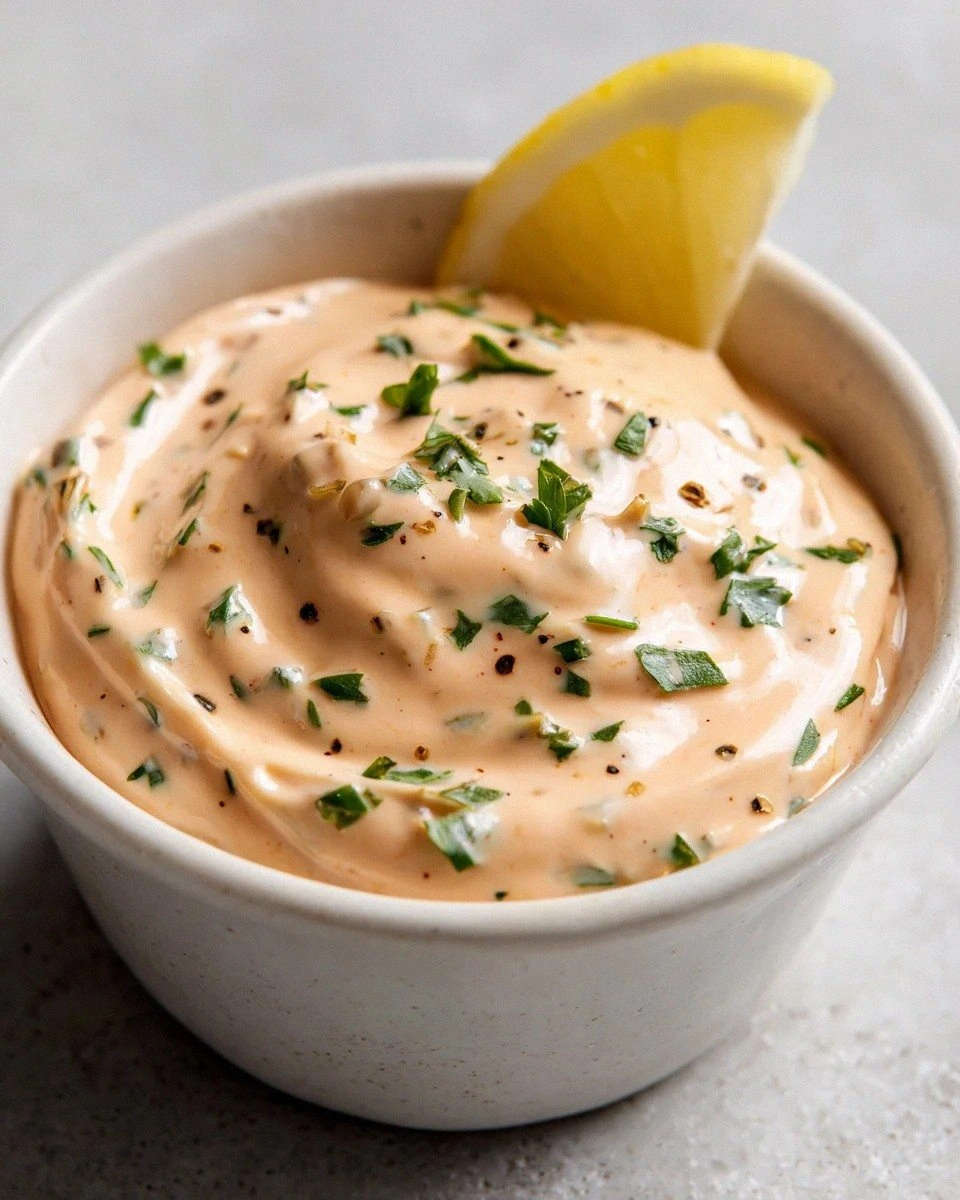
The first whiff of this remoulade hits you like a burst of sunshine through a storm—sharp mustard, tangy lemon, and a whisper of Creole heat that makes your nostrils do a little jazz dance. The texture? Silky smooth, yet speckled with just enough herbaceous crunch to keep it from feeling like a boring mayo blanket. You’ll hear the faint sizzle of the sauce meeting a hot, buttered crust when you spoon it over fried oysters, and you’ll feel the cool creaminess slide across your palate, leaving a lingering, peppery finish that makes you want to lick the spoon clean. It’s the kind of sauce that makes you close your eyes and hear the distant call of a saxophone, even if you’re just standing in your tiny apartment kitchen.
Why does this version stand out from the sea of remoulade recipes littering the internet? Because I threw out the rulebook and went back to the roots—real mayonnaise, whole grain mustard, and a dash of Creole seasoning that’s been aged just right. Most recipes drown their flavors in a sea of ketchup and sugar, but this one balances acidity, heat, and herbaceous depth like a perfectly tuned trumpet. I also added a secret weapon: a splash of Worcestershire sauce that adds umami depth you never saw coming. The result? A sauce that clings to seafood like a second skin, amplifying every briny bite without overwhelming it.
I dare you to taste this and not go back for seconds. Okay, ready for the game-changer? The technique that makes all the difference is whisking the mayo and mustard together over a gentle heat before folding in the cold ingredients—this creates an emulsion that’s richer than anything you’ve tried before. I’ll be honest — I ate half the batch before anyone else got to try it, and the leftovers still tasted like a fresh batch. Let me walk you through every single step — by the end, you’ll wonder how you ever made it any other way.
What Makes This Version Stand Out
- Taste: The perfect marriage of tangy lemon, sharp mustard, and a whisper of Creole heat creates a flavor symphony that sings on every bite of seafood.
- Texture: Silky mayo base meets specks of dried herbs, delivering a creamy yet slightly gritty mouthfeel that keeps the sauce interesting.
- Simplicity: Only eleven ingredients, all pantry staples, mean you can whip this up in under fifteen minutes without a trip to the specialty store.
- Uniqueness: The addition of Worcestershire sauce and whole grain mustard adds depth that most copy‑cat recipes completely miss.
- Crowd Reaction: Guests constantly ask for the recipe, and the sauce becomes the unofficial star of any seafood spread.
- Ingredient Quality: Using real mayonnaise (not the “lite” version) ensures a rich, buttery foundation that cheap substitutes can’t mimic.
- Make‑Ahead Potential: This remoulade actually mellows and improves after a few hours in the fridge, making it perfect for party prep.
- Versatility: Works on shrimp, crab cakes, fried catfish, and even as a zesty sandwich spread—your culinary playground expands instantly.
Inside the Ingredient List
The Flavor Base
First up, real mayonnaise. This isn’t just a filler; it’s the creamy canvas that carries every other flavor. If you skimp on quality, the sauce turns greasy and bland. Look for mayo that lists “egg yolks” near the top of the ingredient list and avoid the “light” versions that replace oil with water. As a swap, you can use a homemade aioli, but that adds an extra step. The whole grain mustard adds a subtle grainy bite and a depth of flavor that yellow mustard can’t touch. Its seeds give the sauce a rustic texture, and if you can’t find whole grain, a Dijon with a pinch of mustard seeds works in a pinch.
The Heat & Tang Crew
Prepared horseradish brings that sharp, sinus‑clearing zing that makes the sauce feel alive. It’s the secret that most store‑bought remoulades skip, leaving them flat. If you’re feeling adventurous, grate fresh horseradish for an even punchier profile. Ketchup adds a mellow sweetness and a hint of tomato acidity, balancing the heat from the horseradish. Don’t overthink it—just a tablespoon does the trick. Lemon juice is the bright, citrusy spark that lifts the entire mixture, preventing it from feeling heavy. Freshly squeezed is essential; bottled juice will introduce unwanted preservatives.
The Herbaceous Layer
Dried parsley and dried snipped chives are the green threads that weave through the sauce, giving it a fresh, garden‑like finish. While fresh herbs are lovely, the dried versions keep the sauce stable for longer storage, and their flavors intensify over time. If you’re a fan of bold herbs, a pinch of dried thyme or oregano can add an extra dimension. All‑purpose Creole seasoning is the spice heart of this sauce, delivering paprika, garlic, onion, and a whisper of cayenne—all the essentials of Louisiana flavor in one spoonful.
The Final Flourish
Minced garlic provides that unmistakable aromatic backbone, while Worcestershire sauce introduces a savory umami depth that makes the sauce feel richer than its simple ingredients suggest. Finally, a pinch of sugar (optional) rounds out the acidity, ensuring the sauce isn’t too sharp. If you’re watching sugar, feel free to skip it; the sauce will still be delightful. Selecting the best real mayonnaise is the single most important decision—look for a brand that uses cage‑free eggs for a cleaner taste and a smoother texture.
Everything's prepped? Good. Let's get into the real action...
The Method — Step by Step
Start by setting a medium‑low saucepan on the stove and fill it with a few inches of water—create a double boiler. Place a heat‑proof bowl on top, making sure the bottom doesn’t touch the water. Add the ⅔ cup real mayonnaise and 4 tablespoons whole grain mustard into the bowl. Whisk gently as the bowl warms; you’ll notice the mixture becoming glossy and slightly looser—this is the emulsification stage that guarantees a silky final texture. This is the moment of truth, and you’ll feel the sauce start to breathe.
Once the mayo‑mustard blend is warm (about 110°F), remove the bowl from the heat. Quickly stir in the 2 tablespoons prepared horseradish and 1 tablespoon ketchup. The horseradish will release a sharp perfume that should make your kitchen smell like a deli on a hot day. The ketchup adds a subtle sweetness that balances the heat. Watch out for the sauce becoming too runny; if it does, let it sit for a minute—the heat will coax it back to a perfect consistency.
Now, stir in the 2 teaspoons lemon juice. The bright acidity will instantly perk up the sauce, and you’ll notice the color lightening just a touch. Follow with 2 teaspoons dried parsley and 2 teaspoons dried snipped chives. The herbs should swirl into the mixture, creating specks of green that look like tiny fireworks. If you prefer a fresher herb note, add a teaspoon of fresh chives at the very end.
Add the 2 teaspoons all‑purpose Creole seasoning. This is where the Louisiana soul truly shines—smell the paprika and garlic mingling, and you’ll feel like you’re standing on a bustling French Market. Sprinkle in the 1 teaspoon minced garlic and the 1 teaspoon Worcestershire sauce. The garlic gives a pungent backbone, while the Worcestershire introduces that deep, umami richness that makes the sauce feel luxurious.
Taste the sauce now. You should detect a balanced tang, a gentle heat, and a creamy mouthfeel that coats the back of a spoon like velvet. If the flavor feels a bit flat, this is the moment to adjust: add a pinch more Creole seasoning for heat, or a dash more lemon juice for brightness. Remember, you’re building layers, so adjust gradually.
If you like a hint of sweetness, stir in the ½ teaspoon sugar (optional). This tiny addition can tame any lingering sharpness and round out the overall profile. Once everything is blended, cover the bowl with plastic wrap and refrigerate for at least 30 minutes. The sauce will thicken slightly and the flavors will meld, creating a depth you can’t achieve by serving immediately.
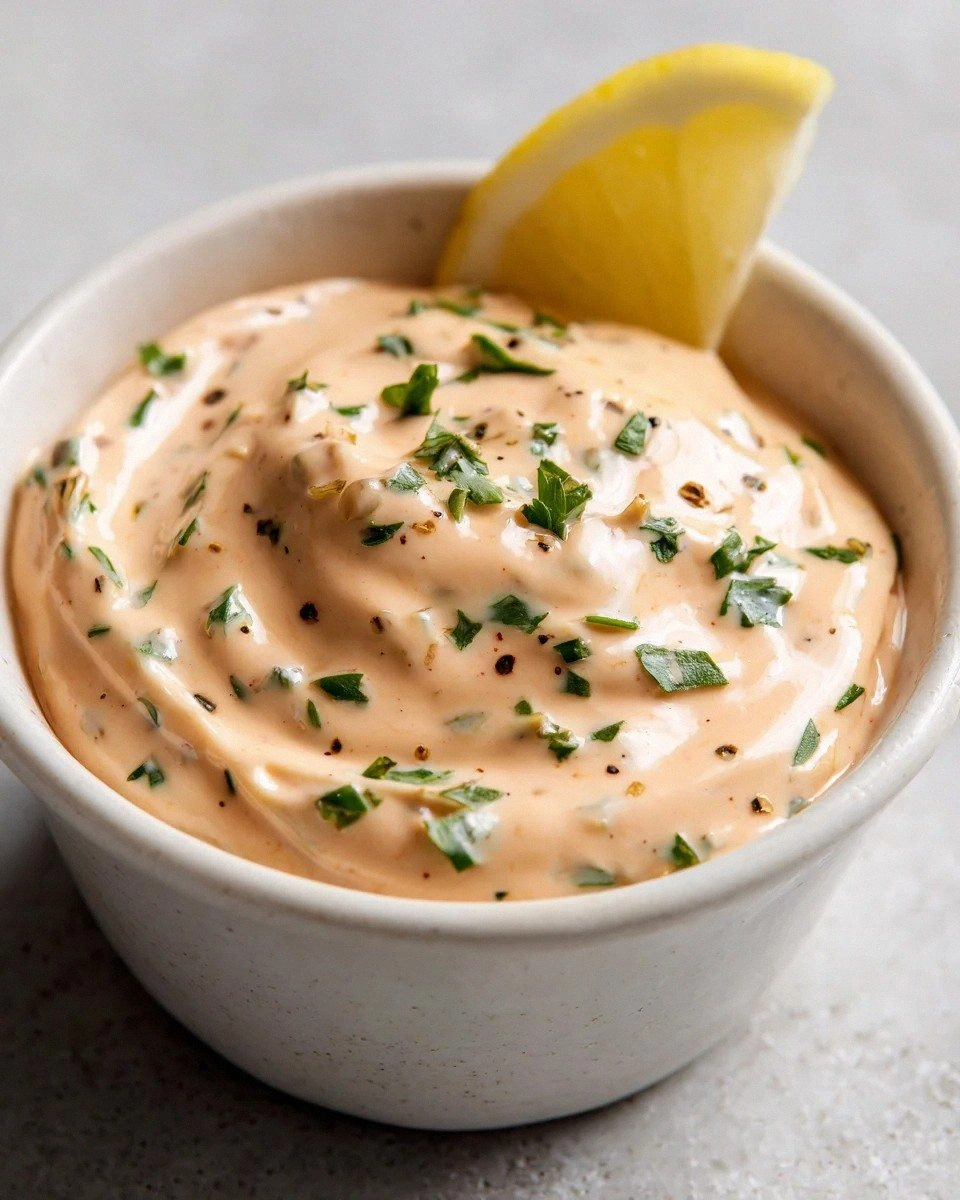
When you’re ready to serve, give the remoulade a quick stir—don’t over‑mix, just enough to bring the settled herbs back into the cream. Spoon it generously over boiled shrimp, drizzle it over fried catfish, or use it as a dip for crispy crab cakes. The sauce should cling to the seafood like a second skin, delivering that perfect balance of heat, tang, and creaminess with every bite.
That’s it — you did it. But hold on, I’ve got a few more tricks that’ll take this to another level, like how to infuse a smoky hint or how to turn leftovers into a gourmet sandwich spread. Stay with me here — this is worth it.
Insider Tricks for Flawless Results
The Temperature Rule Nobody Follows
Never whisk cold mayo over a hot pan; the sudden temperature shock will cause it to split. Instead, gently warm the mayo in a double boiler as described, keeping the temperature just below a simmer. This subtle heat loosens the emulsion, allowing the mustard and other liquids to incorporate without breaking. I once tried the shortcut of heating directly on the stove and ended up with a curdled mess—let’s just say the guests got a very “grainy” sauce that night.
Why Your Nose Knows Best
When you add the lemon juice and Worcestershire sauce, trust your sense of smell more than the clock. If you catch a bright citrus note and a subtle umami aroma, you’re on the right track. The sauce should smell fresh, not fishy or overly acidic. I once over‑lemoned a batch and the scent turned sharp; the result was a sauce that made my guests reach for water between bites. Follow your nose, and you’ll always land in flavor heaven.
The 5‑Minute Rest That Changes Everything
After mixing, let the sauce rest uncovered in the fridge for at least 30 minutes, but a solid 5‑minute rest can already transform the texture. This short pause allows the herbs to hydrate and the flavors to marry. I’ve seen people serve it straight from the bowl, and the result is a sauce that feels a little “raw.” Give it those precious minutes, and you’ll notice the sauce becomes silkier, with the herbs fully blooming.
The Secret Smoke Infusion
If you want a smoky twist, add a few drops of liquid smoke or a pinch of smoked paprika right before the final whisk. The smoke doesn’t overpower; it adds a whisper of char that pairs beautifully with grilled shrimp. One of my friends tried this at a backyard barbecue and claimed it turned the sauce into “the best thing since the invention of the crab cake.”
The “No‑Mess” Transfer Trick
When moving the sauce from the mixing bowl to a serving dish, use a silicone spatula and a squeeze bottle. This prevents drips and ensures every last speck makes it onto the plate. I once tried pouring from a regular ladle and ended up with a mess on the counter—lesson learned: a squeeze bottle keeps the presentation sleek and professional.
Creative Twists and Variations
This recipe is a playground. Here are some of my favorite ways to switch things up:
Cajun Kick
Swap the Creole seasoning for an equal amount of Cajun spice blend and add a dash of hot sauce. The result is a bolder, spicier sauce that pairs perfectly with blackened fish or shrimp po’ boys.
Herb Garden Burst
Replace the dried parsley and chives with fresh cilantro, dill, and a tablespoon of finely chopped basil. This fresh herb medley brightens the sauce, making it ideal for serving with chilled oysters or a summer crab salad.
Sweet Heat
Add a teaspoon of honey and a pinch of cayenne pepper. The honey softens the acidity while the cayenne introduces a lingering heat that’s perfect for fried catfish.
Garlic Lover’s Dream
Double the minced garlic and toss in a teaspoon of roasted garlic puree. This creates a deep, caramelized garlic flavor that works wonders on grilled scallops.
Vegan Version
Swap the real mayonnaise for a plant‑based mayo (made from soy or aquafaba) and replace Worcestershire sauce with a vegan alternative. The flavor profile stays largely the same, and it’s perfect for guests with dietary restrictions.
Storing and Bringing It Back to Life
Fridge Storage
Transfer the sauce to an airtight glass jar and store it in the refrigerator for up to five days. The flavors will deepen, and the texture will stay creamy as long as it’s kept sealed.
Freezer Friendly
Yes, you can freeze it! Portion the sauce into silicone ice cube trays, freeze, then transfer the cubes to a zip‑top bag. It will keep for three months. When you’re ready to use, thaw in the fridge overnight and give it a quick whisk.
Best Reheating Method
If the sauce thickens too much after chilling, place the jar in a bowl of warm water for a few minutes, or stir in a teaspoon of water or lemon juice to loosen it. This gentle re‑hydration revives the silky texture without cooking the sauce.