The moment I opened the fridge, a burnt, soggy casserole from last night still clung to the back of my mind. I was craving something that screamed “fresh” and “sun‑kissed,” yet I wanted the comfort of a one‑pan meal that wouldn’t require a second pot. I dared myself to cook something that would make my taste buds do a double‑take and my guests ask, “What’s the secret?” That’s when the idea of a Mediterranean baked fish, layered with bold spices, bright tomatoes, and olives, hit me like a sudden wave of culinary inspiration.
Picture the kitchen: the air is thick with the aroma of sizzling olive oil, the gentle pop of garlic, and the faint citrus tang of fresh herbs. The light filters through the window, casting a golden glow over the simmering sauce, while the sound of a timer ticking down feels almost meditative. I could almost taste the first bite—flaky white flesh, kissed with paprika, and a buttery finish that melts in your mouth. Every sense is engaged, and you can’t help but feel that this dish will become a staple on your menu.
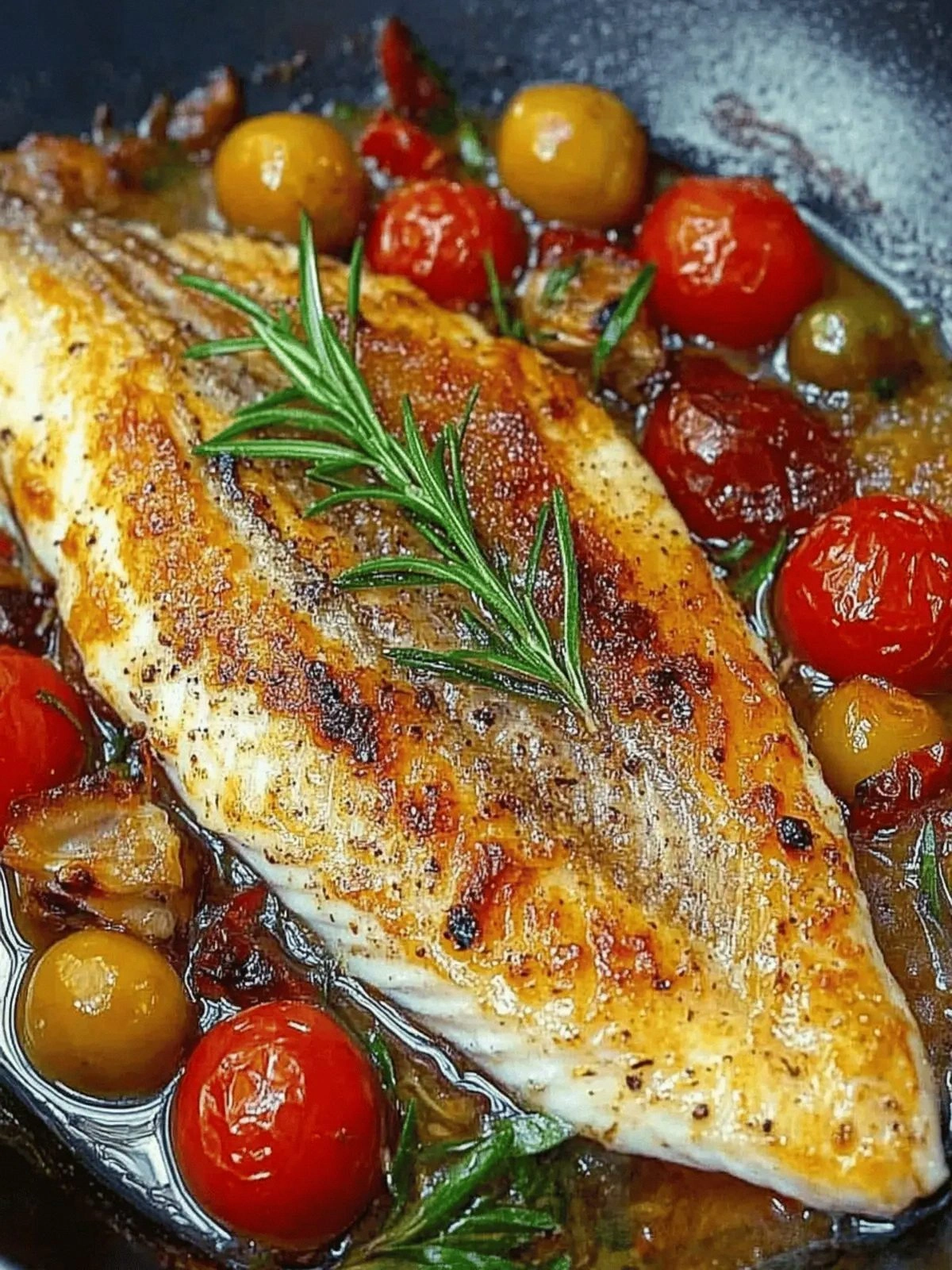
I’m not just telling you about a recipe; I’m offering a full sensory experience. When the fish comes out of the oven, the edges should be just a hint of crispness, like a fine crust that gives way to tender meat. The cherry tomatoes burst into sweet, juicy pockets that complement the savory herbs, while the olives add a briny depth that’s unmistakably Mediterranean. The butter’s glossy sheen is the final flourish that ties everything together into a harmonious plate.
What sets this version apart from countless other baked fish recipes is the careful orchestration of flavors and textures. I’ve added a pinch of Cajun seasoning for a subtle heat that doesn’t overpower, and a splash of water to keep the fillets moist while allowing the sauce to thicken into a silky glaze. The result is a dish that feels both luxurious and approachable—a true crowd‑pleaser for dinner parties or a quick weeknight win.
I dare you to taste this and not go back for seconds. If you’ve ever struggled with a bland fish or a soggy finish, you’re not alone—and I’ve got the fix. Most recipes get this completely wrong by over‑seasoning or under‑cooking the fish, but here, the balance is spot‑on. Picture yourself pulling this out of the oven, the whole kitchen smelling incredible, and feeling the anticipation of that first forkful.
Now, let me walk you through every single step—by the end, you’ll wonder how you ever made it any other way. The trick is simple: let the flavors marry in the oven, and the fish will rise like a golden sunrise. And trust me, the satisfaction you’ll feel when you plate this dish will be worth every minute of prep.
I’ve spent hours tweaking the spice blend, testing different fish varieties, and fine‑tuning the baking time. The result is a dish that delivers on every front: vibrant color, robust aroma, and a melt‑in‑your‑mouth texture that’s simply unforgettable. And because this recipe is so straightforward, you can prepare it in under an hour, giving you more time to enjoy the meal with loved ones.
If you’re ready to elevate your fish game, keep reading. I’ll reveal the secrets that make this recipe stand out from the crowd, share insider tips to avoid common pitfalls, and give you creative twists to keep the dish fresh week after week. Get your apron on, because this is going to be a flavor adventure you won’t want to miss.
What Makes This Version Stand Out
- Flavor Depth: The combination of paprika, Italian seasoning, and a hint of Cajun creates a layered taste profile that’s both comforting and adventurous. Each spice complements the others, ensuring that no single note overpowers the delicate fish.
- Texture Balance: The fish remains moist and flaky, while the tomato‑olive mixture adds a slight crunch and burst of juiciness. The butter glaze gives a silky finish that coats the fillets like a velvety blanket.
- Ease of Prep: All ingredients are pre‑chopped and ready to go, which means you can assemble the dish in minutes. No elaborate marination or complex techniques—just season, bake, and serve.
- Visual Appeal: The vibrant reds of the tomatoes, the deep green of the herbs, and the golden crust of the fish create a plate that looks as good as it tastes. A quick glance tells your guests that they’re in for a treat.
- Ingredient Quality: Using fresh, high‑quality fish and herbs elevates the dish instantly. The olives are brined, not canned, which adds depth and authenticity.
- Versatility: The recipe scales easily, works with multiple fish varieties, and can be paired with couscous, rice, or a simple salad. It’s a one‑pan wonder that adapts to your pantry.
- Time Efficiency: From prep to plate, the total time is just 45 minutes. That’s long enough for the flavors to develop but short enough for a busy weeknight.
- Make‑Ahead Friendly: The dish can be assembled in advance, refrigerated, and baked when you’re ready. This makes it perfect for meal prepping or entertaining on short notice.
- Health Conscious: With lean fish, minimal oil, and plenty of vegetables, this dish is low in fat yet high in protein and essential nutrients.
Inside the Ingredient List
The Flavor Base
The foundation of this dish is the spice blend: paprika, Italian seasoning, Cajun seasoning, and chili flakes. Paprika gives a subtle smokiness, while Italian seasoning adds herbal depth. Cajun seasoning introduces a gentle heat that wakes up the palate, and the chili flakes provide a lingering kick that lingers on the tongue. Together, these spices create a symphony that elevates the fish from plain to unforgettable.
The Texture Crew
Olives and cherry tomatoes are not just garnish; they’re integral to the dish’s mouthfeel. The olives bring briny, chewy bites that contrast with the tender fish, while the cherry tomatoes burst into juicy pockets that add a sweet counterpoint. The butter and a splash of water form a glossy sauce that coats the fillets, ensuring each bite is moist and flavorful. If you skip any of these, the dish loses a layer of complexity.
The Unexpected Star
Fresh herbs—parsley and thyme—add a bright, green note that cuts through the richness of the butter and olive oil. The herbs’ aromatic oils infuse the entire dish, creating a fragrant bouquet that lingers on the plate. If you’re out of fresh herbs, dried ones can work, but use about half the amount to avoid overpowering the dish.
The Final Flourish
Salted butter is the finishing touch that ties everything together. It adds a creamy richness and a subtle saltiness that balances the acidity of the tomatoes and olives. The butter also helps the fish develop a golden crust without drying it out. If you prefer a lighter version, you can replace the butter with a drizzle of high‑quality olive oil.
Everything’s prepped? Good. Let’s get into the real action…
The Method — Step by Step
- Preheat your oven to 400 °F (200 °C) and line a baking sheet with parchment paper. This step ensures the fish stays moist and prevents sticking. The parchment also makes cleanup a breeze.
- Pat the fish fillets dry with paper towels. Removing excess moisture guarantees a crispier crust and helps the spices adhere better to the surface. The drier the fillets, the more the seasonings stick.
- In a small bowl, combine paprika, Italian seasoning, Cajun seasoning, chili flakes, and a pinch of salt. Toss the fillets in the mixture, pressing the spices onto each side. The seasoning should coat the fillets like a fine dusting.
- Place the seasoned fillets on the prepared baking sheet. Arrange them skin‑side down for even cooking. The skin helps retain moisture and adds a subtle flavor.
- Add the cherry tomatoes, olives, minced garlic, and fresh herbs around the fillets. Drizzle the olive oil over the entire dish, ensuring every ingredient gets a coating. This step creates a flavorful, aromatic base that infuses the fish as it bakes.
- Sprinkle the salted butter on top of each fillet. The butter will melt into the sauce, creating a glossy glaze that adds richness. Watch the butter as it browns slightly—it’s a sign that the flavors are coming together.
- Pour the 1/4 cup of water around the fillets, not directly on them. The water steams the fish, keeping it moist while the sauce thickens into a silky coating. This technique prevents the fillets from drying out.
- Transfer the baking sheet to the preheated oven. Bake for 20–25 minutes, or until the fish flakes easily with a fork and the sauce is bubbling. The aroma will fill the kitchen, making you almost forget you’re cooking.
- Remove the fish from the oven and let it rest for 3 minutes. Resting allows the juices to redistribute, ensuring each bite stays moist. It also gives the sauce a chance to thicken slightly.
- Serve the fish immediately, spooning the tomato‑olive sauce over the fillets. Garnish with a sprinkle of fresh parsley for a burst of color and freshness. Pair with couscous or a light salad for a complete meal.
That’s it — you did it. But hold on, I’ve got a few more tricks that’ll take this to another level. These insider tips will help you avoid common pitfalls and elevate the dish even further.
Insider Tricks for Flawless Results
The Temperature Rule Nobody Follows
Many chefs think 400 °F is too hot for fish, but it actually helps develop a beautiful crust while keeping the interior tender. Keep the oven rack at the middle level to ensure even heat distribution. If you’re using a convection oven, reduce the temperature by 25 °F to avoid over‑browning.
Why Your Nose Knows Best
Smelling the dish as it cooks is a reliable indicator of doneness. When the garlic and herbs release their aroma, the fish is almost ready. Trust your senses; the kitchen is the best judge of flavor.
The 5-Minute Rest That Changes Everything
Resting the fish after baking allows the juices to redistribute, preventing a dry bite. It also gives the sauce a chance to thicken slightly, making each forkful richer. Skip this step and you’ll end up with a fish that feels more like a slab than a flaky fillet.
The Secret of Fresh Herbs
Adding herbs at the end of cooking preserves their bright flavor. If you add them too early, they can wilt and lose their punch. Chop them finely and sprinkle them over the finished dish for maximum freshness.
The Butter Balance
Using salted butter adds a subtle saltiness that balances the acidity of the tomatoes and olives. If you’re watching sodium, opt for unsalted butter and add a pinch of sea salt at the end. This ensures the dish remains flavorful without excess sodium.
The Water Trick
The splash of water might seem counterintuitive, but it steams the fish gently, keeping it moist. The water also helps the sauce thicken into a silky glaze that coats the fillets. Without it, the fish can dry out and the sauce may become too thick.
Creative Twists and Variations
Greek-Style Extra
Swap the olives for kalamata olives and add a splash of feta cheese on top before baking. The creamy feta melts into the sauce, creating a tangy, rich finish that’s unmistakably Greek.
Spicy Sriracha Kick
Replace the chili flakes with a tablespoon of Sriracha for a fiery, umami punch. The sauce will take on a deeper, smoky heat that pairs well with the buttery finish.
Herb-Infused Lemon
Add a few thin slices of lemon on top of each fillet before baking. The citrus will steam with the fish, giving a bright, zesty lift that brightens the entire dish.
Pesto Twist
Swap the olive oil with a spoonful of basil pesto. The pesto infuses the fish with a green, herbal flavor that’s fresh and vibrant.
Seafood Medley
Add shrimp or scallops to the baking sheet along with the fish. They’ll cook quickly and add a sweet, briny contrast that makes the dish feel like a full seafood feast.
Vegan Version
Use firm tofu or tempeh instead of fish and bake with the same tomato‑olive sauce. The tofu will absorb the flavors beautifully, creating a plant‑based version that’s just as satisfying.
Storing and Bringing It Back to Life
Fridge Storage
Store leftovers in an airtight container in the refrigerator for up to 3 days. Keep the sauce separate if possible, as the fish can absorb excess moisture and become soggy.
Freezer Friendly
For longer storage, freeze the fish and sauce in separate containers. The fish can be stored for up to 2 months, while the sauce remains good for 1 month. Label the containers with the date to keep track.
Best Reheating Method
Reheat the fish in a preheated oven at 300 °F (150 °C) for 10 minutes, or until warmed through. Add a splash of water or broth before reheating to keep the fish moist. A quick broil for 1 minute can restore a slight crispness to the edges.