Confession time: I once set off my apartment fire alarm trying to make lemon cupcakes from a box mix. There I stood at 2 a.m., waving a dish towel at the shrieking detector, clutching a tray of sad, yellow blobs that tasted like battery acid. I swore off lemon desserts for months. Then summer hit, my neighbor’s lemon tree exploded with fruit, and the smell drifting through my window was so intoxicating it felt like a dare. I got obsessed. I tested twenty-four batches over six weeks, tweaking every variable from zest size to oven rack position. The result? These cloud-soft, sun-bright cupcakes that make people close their eyes after the first bite and say, “Whoa.”
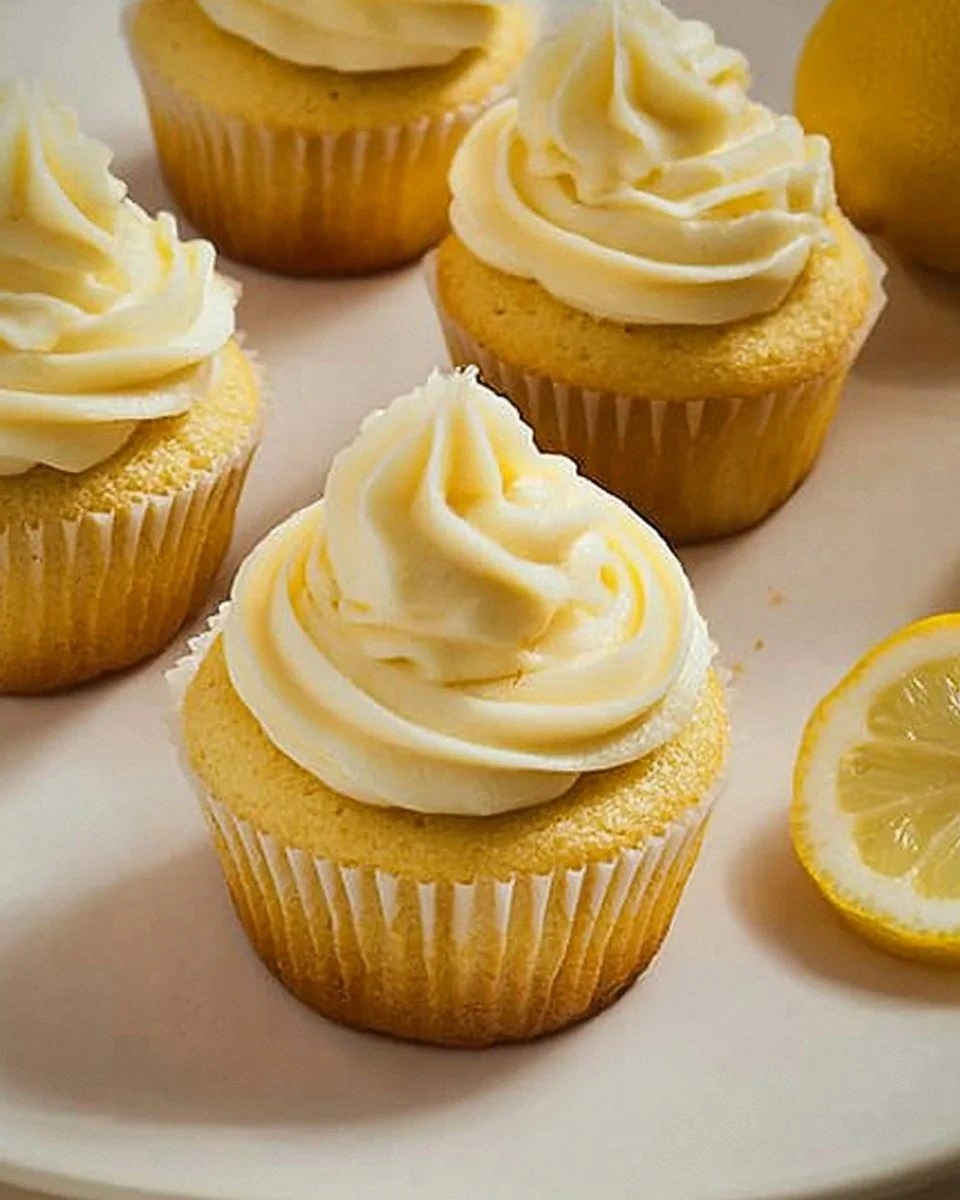
Picture this: you pull the tray from the oven, the kitchen smells like lemonade stand meets vanilla candle, and the tops are domed just enough to catch a swipe of tangy cream-cheese cloud. Tap one lightly; it springs back like a trampoline. Peel back the paper liner—yes, that satisfying little crinkle—and the crumb is so tender it practically sighs. You get a burst of real lemon oil first, then buttery cake, then a whisper of vanilla that lingers longer than your last relationship. I dare you to taste the batter and not go back for “just one more” spoonful. I ate half the batch before my roommate even woke up, and I’m not sorry.
Most recipes get lemon cake completely wrong. They dump in bottled juice, over-bake until the edges turn into yellow cardboard, then mask the dryness with a sugar-bomb glaze that cracks like old paint. Not here. We’re using an obscene amount of fresh zest, a two-part acid system (juice + citric acid) for layered brightness, and a reverse-creaming method that keeps the crumb delicate enough to tear with a fork. Stay with me here—this is worth it. By the time you glaze the last cupcake, you’ll wonder how you ever accepted dry, bland citrus desserts as normal.
Okay, ready for the game-changer? We’re browning half the butter for nutty depth, then whisking in the sugar while it’s still warm so it dissolves on contact. No grainy bits, no greasy mouthfeel. Future pacing: imagine walking into your next potluck, setting down these beauties, and watching the platter empty faster than the wine. Let me walk you through every single step—by the end, you’ll wonder how you ever made it any other way.
What Makes This Version Stand Out
Zest Bomb: We use three full tablespoons of micro-planed lemon zest—yes, tablespoons, not teaspoons—bloomed in warm butter so the citrus oils bloom like perfume in the heat. The result is a cupcake that tastes like you bit into sunrise itself, not some faint whisper of yellow.
Two-Acid Punch: Fresh juice alone isn’t enough. A pinch of citric acid amplifies tang without watering down the batter, while a whisper of cream of tartar stabilizes the crumb so it stays lofty and proud instead of deflating like a tired balloon.
Reverse-Cream Magic: Instead of beating butter and sugar until fluffy (which can toughen cake), we coat the flour in fat first, limiting gluten development. Think of it as slipping a silk robe over every particle so the final texture melts on your tongue like snowflakes.
Brown-Butter Depth: Half the butter gets browned to hazelnut perfection, adding a caramelly backbone that keeps the cupcake from tasting one-note. Your kitchen will smell like a French pastry shop got drunk on lemonade.
Cloud-Frosting Swirl: The frosting starts cold—cold cream cheese, cold bowl, cold whisk—so it whips up lighter than a gossip rumor. A final veil of lemon curd ribboned through means every bite balances sweet, tart, and tangy like a tightrope walker in heels.
Make-Ahead Hero: These cupcakes taste even better the next day, once the zest and butter have had time to mingle and party. Bake on Sunday, frost Monday, devour all week without a hint of dryness.
Alright, let’s break down exactly what goes into this masterpiece...
Inside the Ingredient List
The Flavor Base
First up: unsalted butter, the diva of dairy. We’re browning half of it, so start with a high-fat European-style (82% versus 80%) for deeper flavor. As the milk solids toast, they create nutty compounds that make lemon taste brighter by contrast. Don’t substitute margarine—its higher water content will steam the crumb into a rubbery Frisbee. If dairy is off-limits, refined coconut oil works, but you’ll lose that caramel complexity.
Next, the lemons—Meyer if you can find them, regular Eureka if not. Meyer lemons are floral, slightly sweeter, and their zest carries a whisper of orange blossom. Look for fruit that feels heavy for its size; thin skins mean more oil-rich zest and less pithy bitterness. Give them a gentle flex between your palms before zesting—it bursts the oil capsules and multiplies aroma like olfactory fireworks.
The Texture Crew
Cake flour is the secret handshake here. Its lower protein content (around 7%) keeps crumb tender, but we’re also adding a spoonful of cornstarch to mimic the softness of Japanese bakery cakes. If you only have all-purpose, swap 2 tablespoons per cup with cornstarch and whisk like your life depends on it. Skip the shortcut of dumping in baking mix—those premade blends have chemical aftertaste that screams “grocery store sheet cake.”
Eggs should be room temperature so the yolks emulsify smoothly. Cold yolks can seize the batter, creating little yellow flecks that look like scrambled-egg confetti. Set them in a bowl of warm tap water for five minutes while you measure everything else. Farm-fresh eggs have brighter yolks, which translate into a more golden cake—vanity counts when you’re Instagramming these beauties.
The Unexpected Star
Here’s the curveball: a teaspoon of culinary lavender, ground to dust with a spice grinder. It doesn’t make the cupcakes taste like soap; instead, it gives a fleeting floral note that makes people ask, “What is that?” in the best possible way. If herbs in dessert weird you out, swap for a pinch of cardamom—both play matchmaker with lemon, turning bright into brilliant.
The Final Flourish
Powdered sugar for the frosting should be sifted if you want satin-smooth piping. I’m lazy and blitz it in the food processor for thirty seconds—same result, less wrist workout. A tablespoon of honey in the glaze adds floral complexity and keeps it from crystallizing into a brittle shell. If you want disco-level shine, warm a teaspoon of apricot jam and brush it over the frosted tops; it dries translucent and catches light like lemon-scented glass.
Everything’s prepped? Good. Let’s get into the real action...
The Method — Step by Step
- Start by browning the butter because it needs time to cool. Place 115g (½ cup) in a light-colored saucepan over medium heat. Swirl constantly; the foam will subside, milk solids will turn hazelnut brown, and the smell will make you weak in the knees. Once it smells like toasted nuts and looks like liquid gold, pour into a heat-proof bowl and chill until opaque but still soft, about 20 minutes in the freezer. Don’t skip the chill—hot butter will scramble your eggs faster than you can say “oops.”
- While the butter chills, line a 12-cup muffin tin with paper liners and preheat the oven to 350°F (175°C). Use nonstick spray on the liners’ upper rims; it keeps the crowns from sticking and tearing when you peel later. Position the rack one notch below center so the tops dome evenly instead of peak like Mount Fuji. If you’ve ever struggled with lopsided cupcakes, you’re not alone—and I’ve got the fix.
- In a medium bowl, whisk cake flour, cornstarch, baking powder, salt, and lavender powder. Whisking aerates the dry mix so there are no sneaky lumps that’ll create tunnels in your crumb. Set aside and admire the pale purple freckles—like fairy dust for grown-ups.
- Now for the game-changer: combine the cooled brown butter, remaining 115g of room-temperature butter, and sugar in the bowl of a stand mixer. Paddle on medium for 90 seconds—just until the sugar looks damp and the mixture clings like wet sand. Over-mixing here incorporates too much air, leading to domes that split like fault lines.
- Add eggs one at a time, beating 30 seconds each. You’re building an emulsion, so scrape the bowl religiously. The batter will look satiny and slightly elastic—think yellow silk scarf. Drop in the vanilla and lemon zest; the mixer will turn into a fragrant cloud that smells like summer camp and candy stores had a baby.
- Reduce speed to low and add half the dry ingredients. Stream in the lemon juice and milk mixed together; the acid will react with baking powder for a gentle fizz that lifts the crumb. Finish with the remaining dry mix just until streaks disappear. The batter will be thick but pourable—like Greek yogurt loosened with sunshine.
- Divide evenly using a #16 cookie scoop (about ¼ cup). Tap the tin on the counter twice to pop air bubbles; this prevents cavernous holes that’ll swallow frosting. Slide into the oven and bake 18–20 minutes, rotating halfway. They’re done when the centers spring back lightly and a toothpick comes out with a few moist crumbs—no wet batter, but also no desert-dry spears.
- Cool in the pan 5 minutes—this is the 5-minute rest that changes everything. Steam loosens the edges, so cupcakes release without ripping. Transfer to a rack and let come to room temp before frosting; warm cake will melt your swirl into a sad puddle that looks like lemon soup.
That's it—you did it. But hold on, I've got a few more tricks that'll take this to another level...
Insider Tricks for Flawless Results
The Temperature Rule Nobody Follows
Butter, eggs, and dairy must all flirt at the same temperature. Cold eggs in warm butter break the emulsion, creating greasy pockets that bake into sad little craters. If you forget to plan ahead, submerge cold eggs in 105°F water for five minutes. Your future self will thank you when the crumb bakes up as uniform as a hotel hallway.
Why Your Nose Knows Best
Don’t trust the timer blindly. When the zest and brown butter hit peak harmony, your kitchen will smell like a lemonade stand run by French pastry chefs. That toasty, citrusy aroma is your cue to peek. A friend tried pulling them early because “the timer hadn’t dinged”—they deflated like day-old balloons. Trust your senses; they’ve been evolving for this moment.
The 5-Minute Rest That Changes Everything
I mentioned cooling five minutes in the pan, but let’s zoom in. During this pause, the starches gelatinize fully, so the wrapper peels off cleanly instead of taking half the cake with it. Run a thin knife around any stubborn edges, then invert onto a towel-lined sheet. The towel absorbs condensation, preventing soggy bottoms that taste like wet newspaper.
Creative Twists and Variations
This recipe is a playground. Here are some of my favorite ways to switch things up:
Blueberry Burst Bombs
Fold ¾ cup frozen wild blueberries into the batter last. They bleed purple swirls that look like galaxy paint. Add a pinch of nutmeg to the frosting—it bridges the berry-lemon duet like a seasoned jazz pianist. Kids will swear you bought them from a fancy bakery.
Coconut Vacation
Swap the milk for full-fat coconut milk and sprinkle toasted coconut on top. The tropical vibe makes you feel like you’re biting into a lemon-coconut macaroon while swinging in a hammock. Bonus: the fat in coconut milk keeps them moist for days, perfect for bake-sale marathons.
Prosecco Party
Replace half the juice with chilled prosecco for a tipsy twist. The bubbles lighten the crumb and add a celebratory pop. Pipe frosting high and dust with edible gold—New Year’s Eve in cupcake form. Just don’t serve to toddlers unless you enjoy toddler raves.
Meringue Mountain
Skip the cream cheese and crown each cake with a swirl of Italian meringue torched to campfire perfection. The marshmallowy exterior cracks under your teeth, revealing a tangy lemon center. It’s like s’more meets lemon tart at summer camp.
Storing and Bringing It Back to Life
Fridge Storage
Refrigerate frosted cupcakes in an airtight container with a sheet of parchment between layers. They’ll keep 4 days without drying, thanks to the brown-butter fat cap. Let sit at room temp 20 minutes before serving—cold fat dulls flavor faster than a bad breakup.
Freezer Friendly
Unfrosted cupcakes freeze beautifully for up to 2 months. Wrap each in plastic, then foil, like tiny lemon presents. Thaw overnight in the fridge, then refresh in a 300°F oven for 5 minutes to revive that just-baked aroma. Frost while slightly warm so the swirl adheres like glue.
Best Reheating Method
If you must reheat (say, you like your cake slightly warm), wrap in foil and pop into a 275°F oven for 6 minutes. Add a tiny splash of water to the foil packet; it steams back to perfection without turning rubbery. Microwaves murder texture—avoid like that ex who texts at midnight.