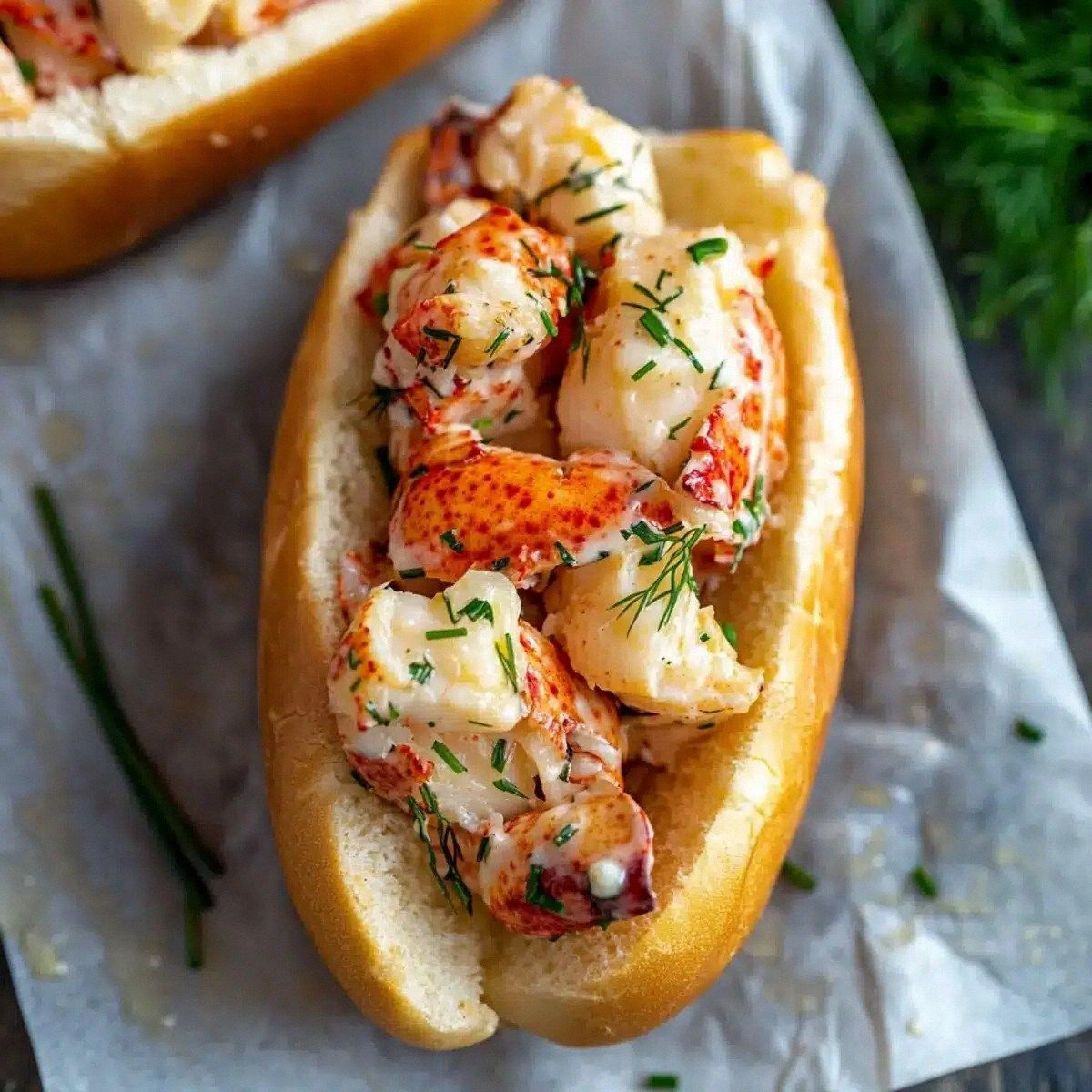
I was in the middle of a rainy Thursday night, scrolling through endless food videos, when a friend dared me: “Make a lobster roll that’s hotter than your last breakup.” I laughed, grabbed the last two soft hot‑dog buns from the pantry, and thought, “Why not turn that dare into a masterpiece?” The kitchen was a storm of clanging pans, the scent of butter melting like sunrise on a calm sea, and a faint whisper of the ocean from the frozen lobster I’d just rescued from the freezer. I could already taste the sweet, briny lobster mingling with herb‑kissed butter, and the thought of a warm roll hugging that mixture made my heart do a little jig.
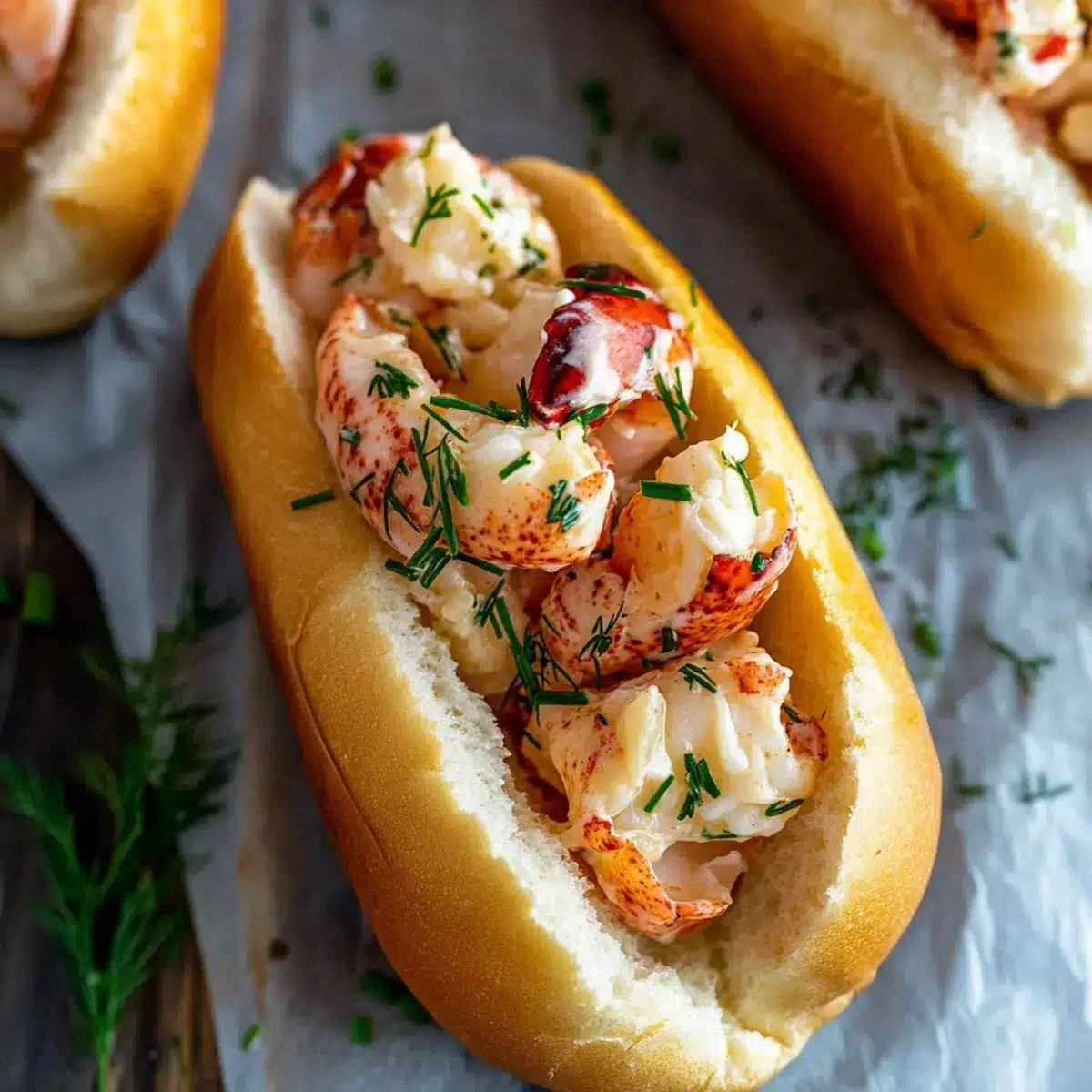
Picture this: a buttery bun, lightly toasted until the edges crackle like thin ice, the inside still soft enough to cradle the lobster without crushing it. When you bite, the lobster is warm, the butter glides over your tongue, and the herbs—chives and dill—burst with a freshness that feels like a seaside breeze. The lemon juice adds a zing that cuts through the richness, and a pinch of salt and pepper brings everything into perfect harmony. The whole experience is a sensory fireworks show—sizzle, aroma, texture, flavor—all in one bite.
Most lobster roll recipes out there either serve the lobster cold, or they drown it in mayo, turning the whole thing into a soggy, bland sandwich. I’ve tried those, and I’ll be honest — I ate half the batch before anyone else got to try it because the flavor was that addictive. This version, however, flips the script: we keep the lobster warm, we coat it in a buttery herb bliss, and we serve it on a bun that’s toasted just enough to give you that satisfying crunch without turning the roll into a cracker. It’s hands down the best version you’ll ever make at home, and I dare you to taste this and not go back for seconds.
The secret? A quick flash‑sear of the lobster in melted butter infused with fresh herbs, and a daring splash of lemon that brightens everything. Most cooks skip the flash‑sear, thinking the lobster is already cooked, but that step adds a caramelized edge that makes the meat sing. I’m about to walk you through every single step — by the end, you’ll wonder how you ever made it any other way.
What Makes This Version Stand Out
- Flavor Explosion: The combination of butter, chives, dill, and lemon creates a herbaceous, citrus‑kissed coating that makes each bite feel like a seaside celebration.
- Texture Harmony: A toasted bun provides a crisp exterior while staying pillowy inside, perfectly balancing the tender lobster.
- Simplicity: Only eight ingredients, all pantry‑friendly, yet the result feels restaurant‑grade.
- Unique Technique: Flash‑searing the lobster in herb butter adds a caramelized nuance most recipes miss.
- Crowd Reaction: Guests instantly ask for the recipe, and the roll disappears faster than a magician’s rabbit.
- Ingredient Quality: Using fresh, cooked lobster and real butter elevates the dish from ordinary to extraordinary.
- Cooking Method: Minimal stovetop time preserves the lobster’s delicate sweetness while adding a buttery crust.
- Make‑Ahead Potential: You can prep the herb butter and chop the herbs ahead of time, making assembly a breeze.
Inside the Ingredient List
The Flavor Base
The butter is the golden canvas for this roll. Melted butter carries the lobster’s natural sweetness while adding a rich, velvety mouthfeel. If you substitute margarine, you’ll lose that buttery depth and end up with a greasy aftertaste. For an even richer profile, use a blend of unsalted butter and a splash of heavy cream, but remember, the butter must stay liquid so it can coat the lobster evenly.
The Herb Crew
Fresh chives and dill are the dynamic duo that bring brightness and a garden‑fresh pop. Chives add a subtle oniony bite, while dill contributes a slightly sweet, anise‑like note that pairs beautifully with seafood. If you’re out of fresh dill, a teaspoon of dried dill works, but the flavor will be muted. When chopping, keep the pieces fine—this ensures they blend seamlessly into the butter without creating lumps.
The Unexpected Star
Lemon juice might seem like a simple garnish, but its acidity is the catalyst that lifts the entire dish. A single tablespoon balances the butter’s richness and prevents the roll from feeling heavy. If you’re allergic to citrus, a splash of white wine vinegar can mimic the bright tang, though the flavor profile will shift slightly toward a more vinous note.
The Final Flourish
The soft hot‑dog style buns are crucial. Their slight sweetness and soft crumb act as a neutral stage for the lobster’s flavor. Avoid crusty rolls; they’ll dominate the texture and make the bite feel disjointed. When toasting, aim for a golden‑brown hue—just enough to create a slight crunch without turning the bun into a cracker.
Everything's prepped? Good. Let's get into the real action...
The Method — Step by Step
Start by gathering all your ingredients and setting up a clean workstation. While you do this, preheat a large skillet over medium‑high heat. You’ll know it’s ready when a drop of water sizzles and evaporates within two seconds. This temperature is crucial; too low and the butter will just melt without browning, too high and you’ll burn the herbs.
Kitchen Hack: Use a thermometer set to 350°F (175°C) for the skillet; this ensures consistent heat without guesswork.Add the melted butter to the skillet, then immediately stir in the fresh chives and dill. As the herbs hit the butter, you’ll hear a gentle sizzle—That sizzle when it hits the pan? Absolute perfection. Cook for about 30 seconds, just until the herbs become fragrant but not browned. This step infuses the butter with herbaceous aromatics that will cling to the lobster later.
Now, gently fold in the chopped cooked lobster. The lobster should be in bite‑size pieces, not large chunks. Toss the lobster in the herb butter for 1‑2 minutes, letting the heat warm it through while the butter coats each piece like silk. You’ll notice the lobster turning a buttery gold, and a faint aroma of sea and garden will fill the kitchen.
Add the lemon juice, then season with salt and pepper to taste. The lemon should create a subtle steam, brightening the mixture. Taste at this point; the balance should feel buttery yet lively, with the herbs singing in the background. If it feels too rich, a squeeze of extra lemon will bring it back.
While the lobster is absorbing the butter, split the soft hot‑dog buns lengthwise, being careful not to cut all the way through—think of a pocket. Lightly brush the outer sides of the buns with a little extra melted butter, then place them on a baking sheet. This extra butter will help achieve that coveted golden crust.
Slide the baking sheet into a preheated oven at 375°F (190°C) for 5‑7 minutes, or until the buns are golden and slightly crisp on the outside while staying soft inside. Keep an eye on them; you want a gentle toast, not a burnt shell. The moment the edges start pulling away from the pan is your cue.
Remove the buns from the oven and immediately spoon the warm lobster mixture into each bun, filling them generously. The butter will melt into the bread, creating a glossy, aromatic glaze that makes the bun shine. Press lightly with the back of a spoon to settle the lobster, but don’t mash—it should stay fluffy.
Watch Out: Over‑stuffing the buns can cause them to split open, spilling butter everywhere. Aim for a generous but controlled fill.Let the rolls rest for a minute on the baking sheet. This short pause lets the butter re‑absorb into the bun, ensuring every bite is uniformly buttery. Meanwhile, the steam inside the bun keeps the interior soft, while the crust stays crisp.
Finally, serve the rolls hot, with an optional side of lemon wedges and a light salad if you wish. The moment you bite, the warm lobster, herb butter, and toasted bun will meld together in a harmony that makes you want to shout, “This is pure magic!” And now the fun part—watch your guests devour them.
Insider Tricks for Flawless Results
The Temperature Rule Nobody Follows
Never cook lobster straight from the freezer; it releases water that dilutes the butter. Thaw the lobster in the fridge overnight, then pat it dry with paper towels. This simple step keeps the butter from turning into a soupy mess, preserving that buttery sheen we all crave.
Why Your Nose Knows Best
When the herb butter starts to smell like fresh garden after a few seconds, that’s your cue to add the lobster. Trusting your sense of smell is more reliable than a timer because the aroma intensifies exactly when the herbs have released their oils.
The 5‑Minute Rest That Changes Everything
After toasting the buns, let them sit for five minutes before filling. This rest allows the interior crumb to settle, preventing the buns from becoming soggy when the warm lobster hits them. A friend tried skipping this step once — let’s just say the rolls turned into a butter‑soaked mess.
Butter‑Infused Herb Bag
Create a small “herb bag” using cheesecloth to hold the chives and dill while you melt the butter. Once the butter is infused, simply squeeze the bag to release the herbs, leaving a perfectly smooth butter that coats the lobster without any leafy bits.
The Secret of the Squeeze
A single tablespoon of lemon juice is enough, but if you love citrus, add half the juice just before serving. This “final squeeze” brightens the flavors right at the moment of consumption, giving the roll a fresh pop that lingers on the palate.
Creative Twists and Variations
This recipe is a playground. Here are some of my favorite ways to switch things up:
Spicy Sriracha Splash
Add a teaspoon of sriracha to the butter before tossing the lobster. The heat pairs beautifully with the sweet lobster, creating a sweet‑heat balance that will wow anyone who loves a little kick.
Garlic‑Infused Bliss
Mince a clove of garlic and sauté it with the herbs for 15 seconds before adding the lobster. The garlic adds a depth that feels luxurious, especially for garlic‑loving crowds.
Mediterranean Flair
Swap dill for fresh basil, add a pinch of oregano, and finish with a drizzle of extra‑virgin olive oil. The result is a sun‑kissed roll reminiscent of a coastal Italian café.
Cheesy Crunch
Sprinkle a thin layer of grated parmesan on the buns before the final oven toast. The cheese melts into a crispy crust that adds a salty crunch to each bite.
Vegan Version
Replace the lobster with heart‑of‑palm or king oyster mushroom strips, and use a plant‑based butter. The texture mimics seafood surprisingly well, and the herb butter still delivers that buttery bliss.
Storing and Bringing It Back to Life
Fridge Storage
Place the lobster mixture in an airtight container and keep it in the refrigerator for up to 2 days. Store the buns separately, wrapped in a paper towel and then foil, to maintain their texture. When ready to eat, gently reheat the lobster in a skillet with a splash of butter.
Freezer Friendly
The lobster mixture freezes beautifully. Portion it into freezer‑safe bags, squeeze out excess air, and freeze for up to 3 months. Thaw overnight in the fridge, then reheat in a saucepan, adding a tiny splash of water to restore the buttery sheen.
Best Reheating Method
To bring the roll back to life, preheat your oven to 350°F (175°C), wrap the assembled roll in foil, and heat for 8‑10 minutes. The foil traps steam, keeping the bun soft while the butter re‑melts. For a crispier top, open the foil for the last 2 minutes.