I burnt dinner three times last week trying to make something that tasted like a hug in a bowl. The first attempt? Gluey pumpkin pasta that clumped together like wet cement. The second? A tomato sauce so acidic it could strip paint. By the third disaster, I was ready to surrender to take-out forever. But then, on a drizzly Thursday that smelled of wet leaves and woodsmoke, I had one of those stubborn, beautiful kitchen moments where failure flips into revelation. I stood at the stove watching butter and olive oil dance together, thinking about how fall flavors should feel like wearing your favorite sweater while someone you love makes you laugh. That night I cracked the code on the silkiest, most soul-warming pasta bake that has since become my signature move whenever the temperature drops below sixty.
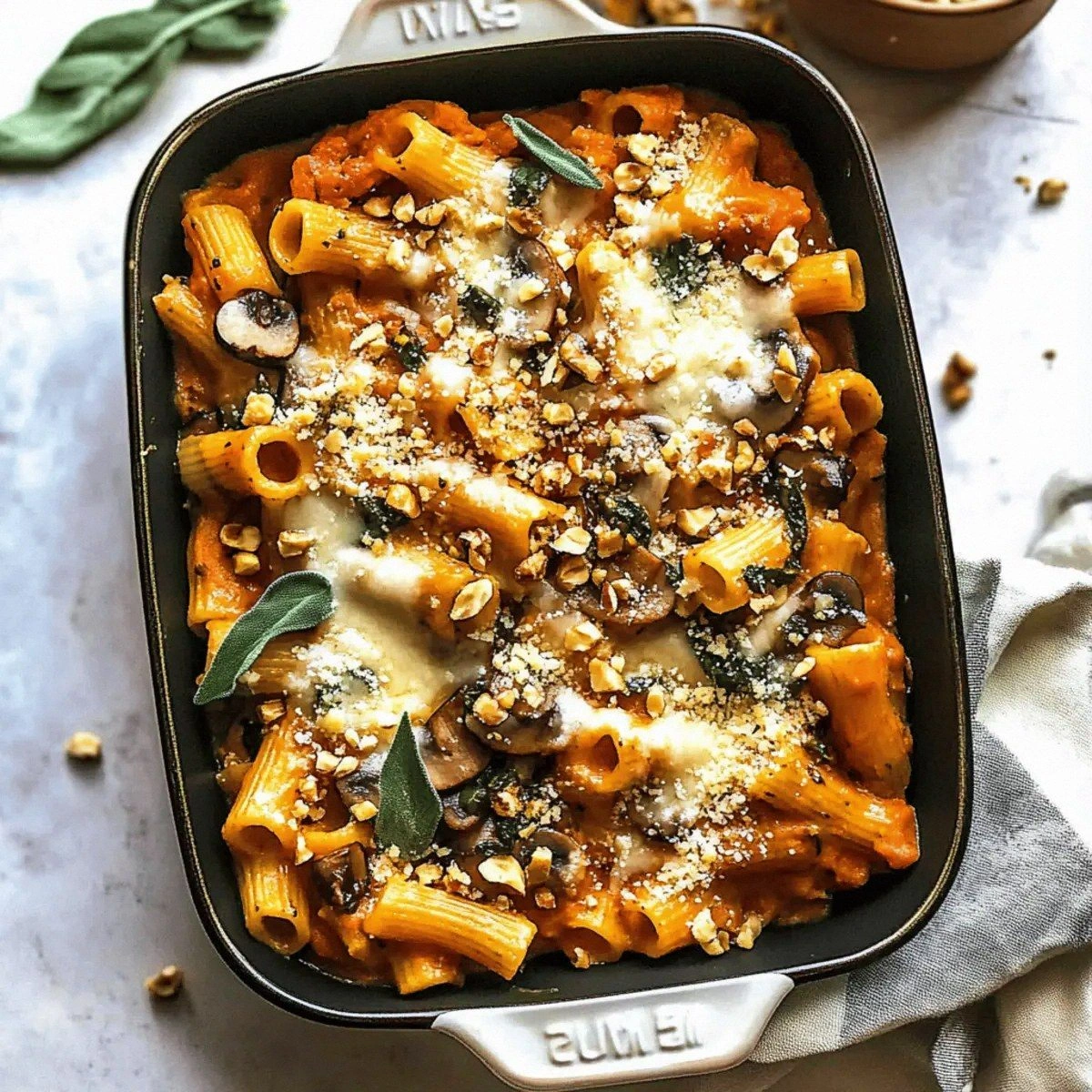
Picture this: bronzed pasta shells rising like tiny mountains from a sunset-orange sauce, edges blistered and crackling, the center bubbling like a jacuzzi for carbs. The smell hits first — tomatoes caramelized into candy-sweet intensity, pumpkin mellowed into velvet, sage perfuming the air like autumn incense. When you drag your spoon across the surface, cheese pulls into stretchy ribbons that snap back with a satisfying smack. The walnuts hidden throughout give surprise crunches, like little edible fireworks. I dare you to taste this and not go back for seconds; I certainly couldn't, and I'll be honest — I ate half the batch before anyone else got to try it. My roommate walked in, took one whiff, and said it smelled like "someone bottled October and baked it," which might be the highest praise my cooking has ever received.
Most recipes get this completely wrong by treating pumpkin like a wallflower instead of the prom queen it deserves to be. They add a timid spoonful and wonder why the dish tastes like sad library paste. Here's what actually works: you roast the tomato paste until it turns brick-red and sticky, creating a flavor so deep it tastes like sundried tomatoes on steroids. Then you whisk in pumpkin so aggressively smooth it becomes indistinguishable from luxury itself. The result coats every ridge of pasta like liquid suede, clinging in a way that makes you close your eyes involuntarily with each bite. Stay with me here — this is worth it, because once you understand this technique, you'll use it on everything from lasagna to mac and cheese.
This isn't just another seasonal recipe cluttering your feed. This is the one you'll make when your in-laws announce they're staying the weekend, when you need to bribe your teenager to study for finals, when you want to turn a Tuesday into a tiny celebration. It feeds a crowd for pennies, reheats like a dream, and makes your kitchen smell like you've been professionally staging it for a magazine shoot. Okay, ready for the game-changer? We're about to build layers of flavor so sneaky and sophisticated that your guests will think you attended culinary school in Tuscany. Let me walk you through every single step — by the end, you'll wonder how you ever made it any other way.
What Makes This Version Stand Out
Pumpkin-Tomato Alchemy: Instead of dumping canned pumpkin into bland tomato sauce, we caramelize tomato paste into smoky sweetness first, then marry it with pumpkin for a depth that tastes like it simmered all day. The result is a sauce that's both bright and earthy, familiar yet completely surprising.
Textural Wonderland: Every forkful delivers creamy sauce, tender pasta, melty cheese, and those addictive crispy edges that shatter like thin ice. The secret? Undercooking the pasta by two minutes so it finishes in the sauce, absorbing all that flavor while maintaining perfect bite.
One-Pot Wonder: Despite tasting like restaurant fare, this entire masterpiece happens in a single skillet and one baking dish. No separate pots for sauce, no colander chaos — just smart layering that keeps dishes minimal and flavor maximal.
Stealth Nutrition: Each serving packs a full cup of vegetables, but the pumpkin disappears so completely that even vegetable-phobic kids devour it. You're basically feeding your family vitamins disguised as comfort food, which feels like a parenting superpower.
Make-Ahead Magic: Assemble it completely, cover tightly, and refrigerate for up to three days. The flavors actually improve as they mingle, making this the ultimate prep-ahead dinner for busy weeks. Future you will high-five present you for this foresight.
Cheese Strategy: Fontina gives that Instagram-worthy stretch, Parmesan brings the umami punch, and the combination creates those crispy cheese lace edges that fight over. Most recipes use mozzarella and call it a day — amateur hour compared to this flavor bomb.
Herb Revolution: Fresh sage gets fried until crispy in butter, creating little flavor grenades throughout. Dried oregano provides background bass notes, while a whisper of nutmeg makes people ask "what's that amazing flavor?" without being able to place it. This is hands down the best version you'll ever make at home.
Inside the Ingredient List
The Flavor Base
The butter and olive oil combo isn't just kitchen snobbery — butter brings rich flavor while olive oil prevents burning, creating the perfect foundation for building sauce. I learned this trick from a Roman grandmother who swore by it for her amatriciana, and she was onto something because everything that touches this fat picks up golden deliciousness. Yellow onion might seem basic, but it's the aromatic backbone that makes your kitchen smell like someone's been cooking with love for hours. When it hits that shimmering fat, it releases sugars that caramelize into complex sweetness, creating flavor layers that taste like you tried way harder than you did.
Garlic is non-negotiable here — those four cloves aren't messing around. They mince so fine they practically dissolve, infusing every bite with that savory depth that makes people close their eyes when they taste it. The crushed red pepper doesn't make this spicy; it provides a gentle warmth that builds slowly, like a cozy fire rather than a bonfire. Skip it and the whole dish falls flat, tasting like it forgot to put on perfume before leaving the house.
The Texture Crew
Cremini mushrooms bring meaty satisfaction without the meat, their earthiness playing beautifully against the sweet pumpkin. Slice them thick enough to stay chunky — nobody wants mushroom confit here. When they hit the hot pan, they'll release their liquid, which seems like a problem until you realize that mushroom juice is pure umami concentrate that seasons the sauce naturally. The key is letting them cook undisturbed so they brown instead of steam; patience here pays off in flavor dividends.
Pasta choice matters more than you'd think. I use shells because they cup the sauce like tiny edible bowls, ensuring every bite has the perfect sauce-to-pasta ratio. But rigatoni or penne work beautifully too — anything with ridges to grab that velvety sauce. Undercook it dramatically; it will finish cooking in the oven, absorbing sauce and becoming infused with flavor instead of just sitting in it.
The Unexpected Star
Pumpkin puree is where most recipes panic and add too little, resulting in sauce that tastes like orange-tinted disappointment. You need the whole can — yes, all fifteen ounces — to achieve that restaurant-quality body that coats your tongue like cashmere. Make sure you get puree, not pie filling; nobody wants their dinner tasting like dessert. The pumpkin doesn't taste like pumpkin here; it tastes like luxury, like someone reduced cream for hours but without any actual cream.
Tomato paste is the secret weapon that transforms pumpkin from sweet to sophisticated. By cooking it until it darkens and sticks to the pan, you're essentially making tomato caramel, concentrating flavors into something that tastes like sundried tomatoes met bacon and had a delicious baby. This step takes five minutes but creates depth that tastes like you simmered sauce all afternoon. Most recipes skip this and wonder why their sauce tastes like cafeteria food.
The Final Flourish
Fresh sage is fall in herb form — piney, slightly minty, with eucalyptus notes that make everything taste like you cooked it in a cabin in Vermont. Chopping it releases oils that perfume your hands for hours, a bonus I consider free aromatherapy. The walnuts aren't just for crunch; they toast in the oven, releasing oils that taste like maple and earth. Make sure they're finely chopped so they distribute evenly rather than creating walnut landmines.
Fontina cheese is the melty champion here — it stretches like mozzarella but tastes like mushrooms and butter had a delicious baby. Parmesan brings the salty, nutty punch that keeps things from getting too rich. Together they create that golden crust that fights break when you serve it, all crispy edges and molten centers. The nutmeg is your secret handshake — just enough to make people ask what's in this without being able to place it.
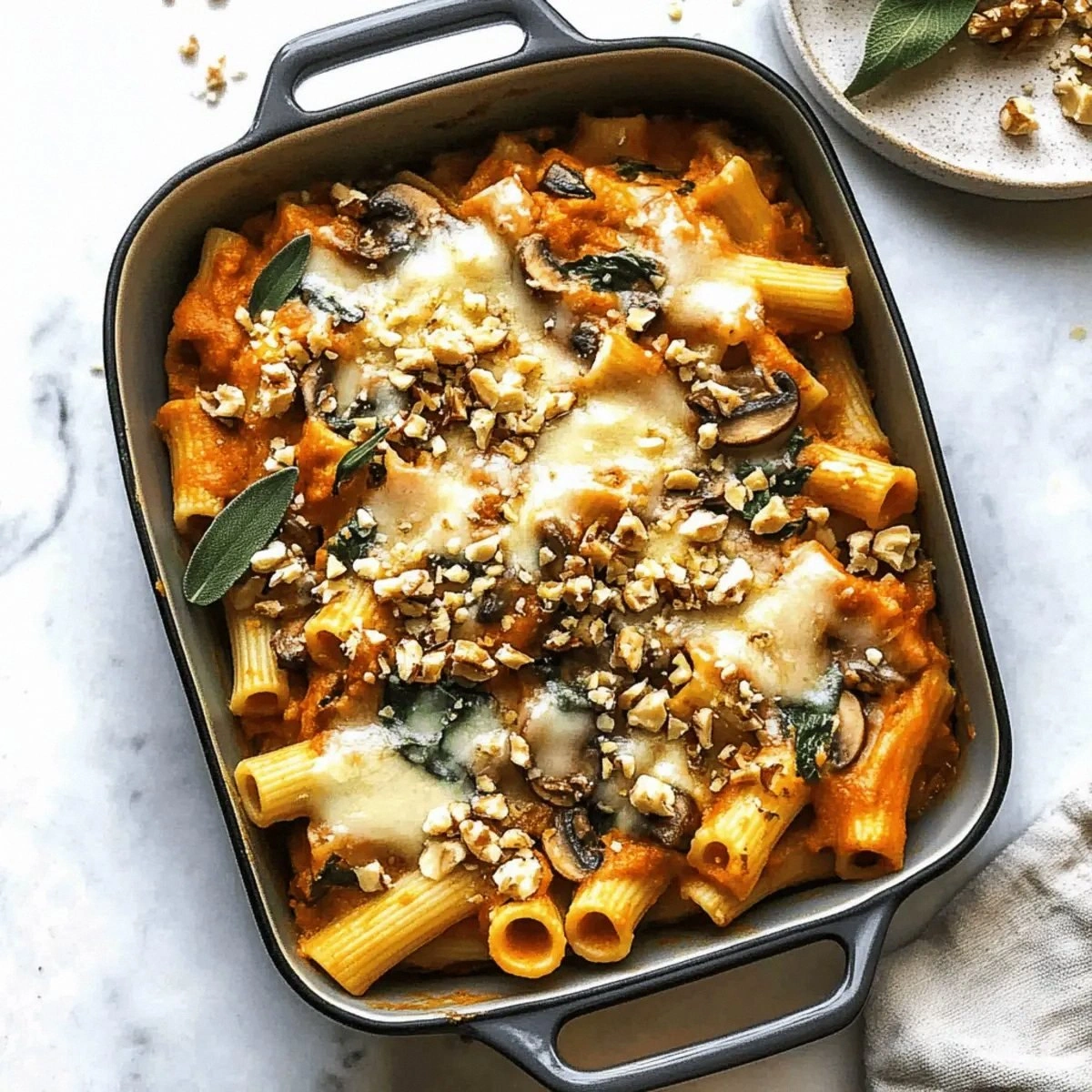
The Method — Step by Step
- Preheat your oven to 375°F and position a rack in the center. This temperature is the sweet spot where cheese bubbles without burning and sauce reduces to perfect consistency. While it heats, bring a large pot of salted water to boil for pasta — make it taste like the sea, because this is your only chance to season the pasta itself. I add a splash of olive oil to prevent sticking, though the pasta purists might come for me. The water should roll like it's got attitude when you add the salt.
- Heat a large oven-safe skillet over medium and add the butter and olive oil. When the butter foams and just starts to smell nutty, toss in the mushrooms in a single layer. Here's the crucial part: don't touch them for three full minutes. I know it's torture, but this lets them develop that gorgeous golden crust instead of steaming into rubbery sadness. When you finally stir, they'll release their liquid — keep cooking until it evaporates and they start sizzling again.
- Add the onion and cook until it turns translucent and starts to brown at the edges, about five minutes. You're looking for that sweet spot where it's soft but still has some bite, because it'll finish cooking in the oven. The smell should make you want to bottle it as perfume called "Responsible Adult" or "I Have My Life Together." If you've ever struggled with this, you're not alone — and I've got the fix: medium heat, patience, and stirring just enough to prevent burning but not so much that they steam.
- Clear a space in the center of the pan and add the tomato paste. Let it cook undisturbed for two minutes — it should darken from bright red to brick red, smelling like sun-dried tomatoes and possibility. Stir it into the vegetables, coating everything in that concentrated tomato goodness. This is the moment of truth where your sauce gets its backbone instead of tasting like watered-down disappointment.
- Add the garlic and red pepper flakes, stirring for just thirty seconds. Garlic burns faster than your ex's new relationship, so keep it moving. The pepper flakes will bloom in the fat, releasing their oils and creating gentle heat that builds slowly. Your kitchen should smell like an Italian grandmother just walked in and approved of your life choices.
- Pour in the vegetable broth and scrape up all those gorgeous brown bits — they're flavor gold. Whisk in the pumpkin puree until smooth, watching it transform from lumpy orange baby food to silky sophistication. Add the oregano, salt, pepper, and nutmeg, then let it simmer gently for five minutes. The sauce should coat a spoon like heavy cream, thick enough to cling but loose enough to seep into every pasta ridge.
- While the sauce simmers, cook your pasta for exactly two minutes less than package directions for al dente. It should still have a firm core — think of it as pre-gaming for the oven. Before draining, ladle out a cup of that starchy pasta water; it's your insurance policy for perfect sauce consistency. Drain the pasta and add it directly to the sauce, stirring to coat every piece in that velvety orange blanket.
- Fold in the spinach and half the fontina, along with one tablespoon of the sage. The spinach will wilt instantly in the hot sauce, and the cheese will create little melty pockets throughout. If the sauce seems thick, add pasta water a splash at a time — it should flow like lava but not be soupy. Taste and adjust seasoning; this is your last chance before it goes into the oven.
- Top with remaining fontina, Parmesan, walnuts, and the rest of the sage. The walnuts will toast as it bakes, creating textural contrast that makes every bite interesting. Slide it into the oven and bake for 20-25 minutes, until the cheese is bubbling and golden brown in spots. The edges should be crispy, the center molten, and your kitchen should smell like you hired a professional caterer.
Insider Tricks for Flawless Results
The Temperature Rule Nobody Follows
Room temperature cheese melts like a dream instead of seizing into rubbery clumps. I set my fontina on the counter while the water boils — thirty minutes makes all the difference between professional-level creaminess and amateur-hour texture. Cold cheese hitting hot sauce creates a greasy mess that no amount of stirring can fix. If you've ever wondered why restaurant cheese pulls into Instagram-worthy strands while yours breaks into oily sadness, this is why. Your future self will thank you for this tiny bit of planning.
Why Your Nose Knows Best
That moment when the garlic hits the pan and perfumes your entire kitchen? That's when you know you're on the right track. If you can't smell it, your heat's too low; if it smells bitter and sharp, you've gone too far. Trust your nose over the timer — every stove is different, and garlic goes from perfect to burnt faster than you can say "takeout." I always stand right over the pan for this step, letting the aroma guide me like some kind of kitchen Yoda.
The 5-Minute Rest That Changes Everything
I know it's torture when everything smells incredible and people are hovering like vultures, but those five minutes of rest are non-negotiable. The sauce thickens, the cheese sets, and the flavors redistribute themselves into perfect harmony. A friend tried skipping this step once — let's just say it didn't end well, with molten cheese burns and a sauce that ran all over the plate like it was trying to escape. Good things come to those who wait, especially when cheese is involved.
The Pasta Water Secret
That cloudy, starchy pasta water is basically liquid gold for creating silky sauces that cling instead of slide. I always save more than I think I'll need — a full cup — because you can add it but you can't take it away. The starch helps emulsify the sauce, creating that restaurant-quality texture that makes people wonder if you secretly trained in Italy. Add it gradually; you want the sauce to coat the pasta, not swim in it like soup.
The Crispy Edge Strategy
For maximum crispy edges, use a wider, shallower dish rather than a deep one. More surface area equals more of those crackly, golden bits that everyone fights over. If you want to be the hero of your dinner party, announce that you're calling dibs on the corner pieces — they're the best part and everyone knows it. The contrast between crispy edges and creamy centers is what elevates this from good to legendary.
Creative Twists and Variations
This recipe is a playground. Here are some of my favorite ways to switch things up:
The Meat Lover's Makeover
Brown half a pound of Italian sausage before the mushrooms, using the rendered fat instead of some of the oil. The fennel in the sausage plays beautifully with the sage, creating that classic fall flavor combination that makes people think you planned this menu months ago. Remove the sausage, proceed with the recipe, then fold it back in with the pasta. Suddenly you've got a hearty meal that satisfies the carnivores while still sneaking in all those vegetables.
The White Wine Weekend
Replace half the vegetable broth with dry white wine for a more sophisticated, grown-up version. The wine adds acidity that brightens the pumpkin and makes the whole dish taste like something you'd eat in a trattoria in the Italian countryside. Add it after the tomato paste has caramelized and let it reduce by half before adding the remaining liquid. Your dinner guests will think you're way fancier than you actually are.
The Vegan Victory
Skip the cheese and instead blend soaked cashews with nutritional yeast, lemon juice, and a splash of the pasta water until creamy. Fold this in with the pasta for richness, then top with a mixture of panko breadcrumbs, chopped walnuts, and fresh herbs for crunch. The result is so satisfying that even cheese lovers won't miss the dairy. I've served this to skeptics who couldn't believe it was vegan.
The Spicy Autumn
Double the red pepper flakes and add a diced chipotle pepper in adobo sauce with the garlic. The smoky heat plays against the sweet pumpkin in a way that's addictive and warming. Top with pepper jack instead of fontina for extra kick. This version is perfect for those crisp days when you want something that'll warm you from the inside out.
The Greens Goddess
Swap the spinach for chopped kale or Swiss chard, adding it earlier so it has time to soften. Stir in some roasted butternut squash cubes for double the autumn flavor and extra texture. The combination of greens and squash makes this feel almost virtuous, like you're eating health food disguised as comfort food. Almost — let's not get carried away here.
The Individual portions
Divide the mixture among greased muffin tins for personal pasta cups that are perfect for parties. They'll cook faster — about 15 minutes — and everyone gets their own crispy edges. Plus, they're adorable, and people lose their minds over individual portions. Serve these at your next gathering and watch your friends try to act casual while secretly plotting to steal the extras.
Storing and Bringing It Back to Life
Fridge Storage
Leftovers keep beautifully in an airtight container for up to four days, though honestly, it's never lasted that long in my house. The flavors actually meld and improve, making day-two pasta bake arguably better than fresh. Store it in shallow containers so it cools quickly and evenly. If you want to preserve those crispy edges, store them separately in a zip-top bag — they make excellent snacks straight from the fridge at midnight when no one's watching.
Freezer Friendly
This freezes like a champion for up to three months. I portion it into individual servings wrapped in foil, creating my own healthy freezer meals for those nights when cooking feels impossible. Thaw overnight in the fridge, then reheat covered at 350°F until hot and bubbly. Add a fresh sprinkle of cheese on top before reheating to revive that just-baked magic. Pro tip: write the date on the foil — future you will appreciate not playing "when did I freeze this?" roulette.
Best Reheating Method
Oven reheating is the way to go for maintaining texture — 350°F covered for 20 minutes, then uncovered for 5-10 to crisp the top. Add a tiny splash of water before reheating — it steams back to perfection, preventing the dreaded dry pasta syndrome. Microwave works in a pinch but cover with a damp paper towel and use 50% power to prevent rubbery cheese. The stovetop method is surprisingly effective: add a splash of broth or water to a pan, add your portion, cover and heat gently, stirring occasionally until warmed through.