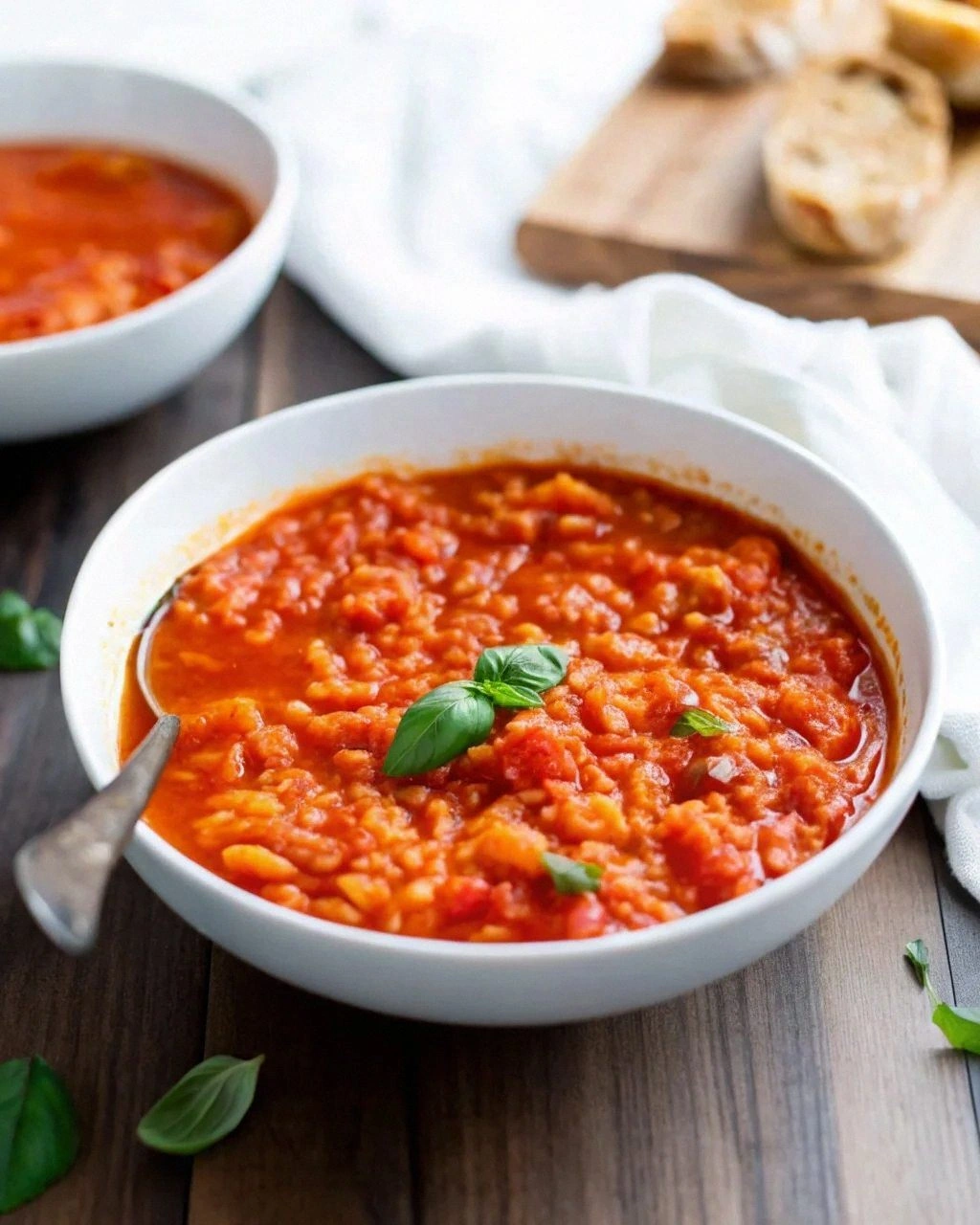
Last Tuesday night, I was standing in my kitchen at 9:47 PM, hair frizzed from the rain, stomach growling loud enough to scare the cat, and absolutely nothing in the fridge except a sad clamshell of cherry tomatoes and half an onion. Takeout was tempting, but my wallet was still recovering from the weekend sushi splurge. So I did what any self-respecting food lover does: I stared at those tomatoes like they owed me money and dared them to become dinner. What happened next was pure kitchen sorcery. Thirty minutes later, I was hunched over a steaming bowl of the most soul-warming, belly-hugging tomato rice soup I'd ever tasted, and I literally burned my tongue because I couldn't wait for it to cool. The crazy part? I'd made tomato soup before, but never like this. This version was silkier, deeper, more complex—like the difference between a cheap motel painting and a Caravaggio. The rice plumped up like tiny pearls of comfort, the tomatoes had caramelized into sweet-tart candy, and the whole thing tasted like someone had distilled the essence of cozy into liquid form. I ate two bowls standing up, then texted three friends demanding they come over immediately. This recipe is that good. Most tomato rice soups are watery, bland afterthoughts—sad cafeteria flashbacks. This one? This is the soup that makes people propose marriage. The secret isn't fancy ingredients or hours of simmering. It's about understanding how to coax maximum flavor from humble components and knowing exactly when to stop cooking. Let me walk you through every single step—by the end, you'll wonder how you ever made it any other way.
I know what you're thinking: "It's just tomato soup with rice thrown in, how special can it be?" Oh, my sweet summer child. That's like saying the Mona Lisa is just paint on canvas. The difference between this tomato rice soup and every other version you've suffered through is the same as the difference between store-bought cookies and your grandmother's fresh-from-the-oven chocolate chip—technically the same category, but existing in entirely different universes of deliciousness. This soup has body, soul, and swagger. It dances on your tongue with bright acidity, then wraps around your ribs with creamy comfort. The rice isn't just filler; it's textural genius, soaking up all that tomato intensity until each grain becomes a tiny flavor bomb. And here's the kicker—it all happens in one pot, with ingredients you probably have right now, in under 45 minutes. If you've ever struggled with thin, watery tomato soup that tastes like watered-down ketchup, you're not alone—and I've got the fix.
Picture yourself pulling this out of the oven (okay, technically off the stove, but stay with me), the whole kitchen smelling like an Italian grandmother's hug. The aroma hits you first—sweet tomatoes, aromatic vegetables, a whisper of herbs, and something deeper, darker, that makes your mouth water before you've even seen the soup. Ladle it into bowls and watch how it coats the spoon like velvet, how the rice suspends perfectly instead of sinking like sad little rocks. The first spoonful is a revelation: bright but not sharp, rich but not heavy, familiar but somehow completely new. I dare you to taste this and not go back for seconds. Actually, I dare you to not eat the entire pot while standing at the stove, "tasting for seasoning" until suddenly you're full. This next part? Pure magic.
What Makes This Version Stand Out
Depth Charge: Most tomato soups taste one-dimensional—like someone opened a can and added water. This version builds layers of flavor by caramelizing the tomatoes until they're almost jammy, creating a sweet-savory base that tastes like summer concentrated into liquid gold. The secret is letting them cook until they start sticking to the pan—those browned bits are pure flavor bombs.
Rice Right: Here's where most recipes mess up—they add rice at the wrong time and end up with either crunchy gravel or mushy paste. The timing matters. We add it after the base is built but before the liquid, letting each grain get coated in that tomato goodness. The result? Perfectly tender rice that still has bite and hasn't turned your soup into baby food.
Texture Play: This isn't just smooth or chunky—it's both and neither. We blend half the soup until it's silkier than a politician's promise, then leave the rest rustic and hearty. You get creamy comfort with satisfying bits to chew, making each spoonful interesting instead of monotonous.
Weeknight Hero: From chopping to serving, this takes 45 minutes max. Most of that is hands-off simmering time when you can fold laundry, help with homework, or just stare out the window contemplating life's mysteries. No fancy techniques, no obscure ingredients, no standing over the stove for hours.
Crowd Magic: Kids love it because it's essentially fancy tomato soup. Adults love it because it's sophisticated enough for company. Vegetarians love it because it's naturally meat-free. Budget-conscious cooks love it because it costs about $1.50 per serving. It's the Switzerland of soups—everyone's happy.
Make-Ahead Champion: This actually improves overnight as the flavors marry and deepen. Make a double batch on Sunday and you've got lunch for days. It reheats like a dream, travels well in thermoses, and freezes beautifully for future you to discover like buried treasure.
Inside the Ingredient List
The Flavor Base
Every great soup starts with aromatics, but we're not doing the standard onion-carrot-celery routine here. We're building something more interesting. The onion gets cooked until it's practically melting—this isn't about texture, it's about creating a sweet, savory foundation that disappears into the final soup. Garlic goes in later because burnt garlic is bitter garlic, and bitter garlic will ruin everything faster than a bad breakup. The tomato paste is crucial—don't skip it or substitute ketchup unless you want to taste disappointment. We're essentially making tomato concentrate concentrate, cooking it until it turns from bright red to deep brick, developing those complex, almost meaty flavors that make people wonder if there's bacon in here (there isn't, but their taste buds don't know that).
The Tomato Stars
Here's where I get opinionated. Use whole canned tomatoes, always. Diced tomatoes are treated with calcium chloride to keep them firm, which means they never break down properly. Whole tomatoes are the VIPs of the canned tomato world—pure, unadulterated, ready to become whatever you need them to be. San Marzano if you're feeling fancy, but honestly, any good quality whole tomatoes will work. The key is crushing them by hand so you control the texture. Some chunks, some puree, all delicious. Fresh tomatoes are only worth it in peak summer when they're so ripe they practically fall apart in your hands. Any other time, canned wins every time. Trust me, I've tested this extensively in the name of science (and dinner).
The Texture Crew
Arborio rice is my choice here, and yes, that's the same rice you use for risotto. It's not just being pretentious—it has the perfect amount of starch to thicken the soup slightly while maintaining individual grains. Long-grain rice turns into sad little sticks, and brown rice takes forever and tastes like health food. If you only have medium-grain, it'll work, but Arborio is worth the extra dollar. The rice should still have bite when the soup's done, not dissolve on contact with your tongue. We're making soup, not gruel. The olive oil matters more than you'd think—use the good stuff for finishing, the everyday stuff for cooking. A final drizzle of grassy, peppery olive oil right before serving adds a brightness that makes all the other flavors sing in harmony.
The Unexpected Star
Here's the curveball: a tiny bit of sugar. Not enough to make it sweet—just enough to balance the acidity and round out the flavors. Taste your tomatoes first; if they're already sweet, skip it. If they're sharp enough to make your mouth pucker, add the sugar. It's like makeup for tomatoes, but the good kind that makes people ask if you're glowing from within. The bay leaf seems optional but isn't—it's adding subtle complexity that people can't quite identify but definitely notice when it's missing. Remove it before blending unless you enjoy the flavor of old tea leaves. And the butter at the end? Non-negotiable. It adds richness and body that takes this from good soup to great soup. Margarine works in a pinch, but you'll taste the difference.
Everything's prepped? Good. Let's get into the real action...
The Method — Step by Step
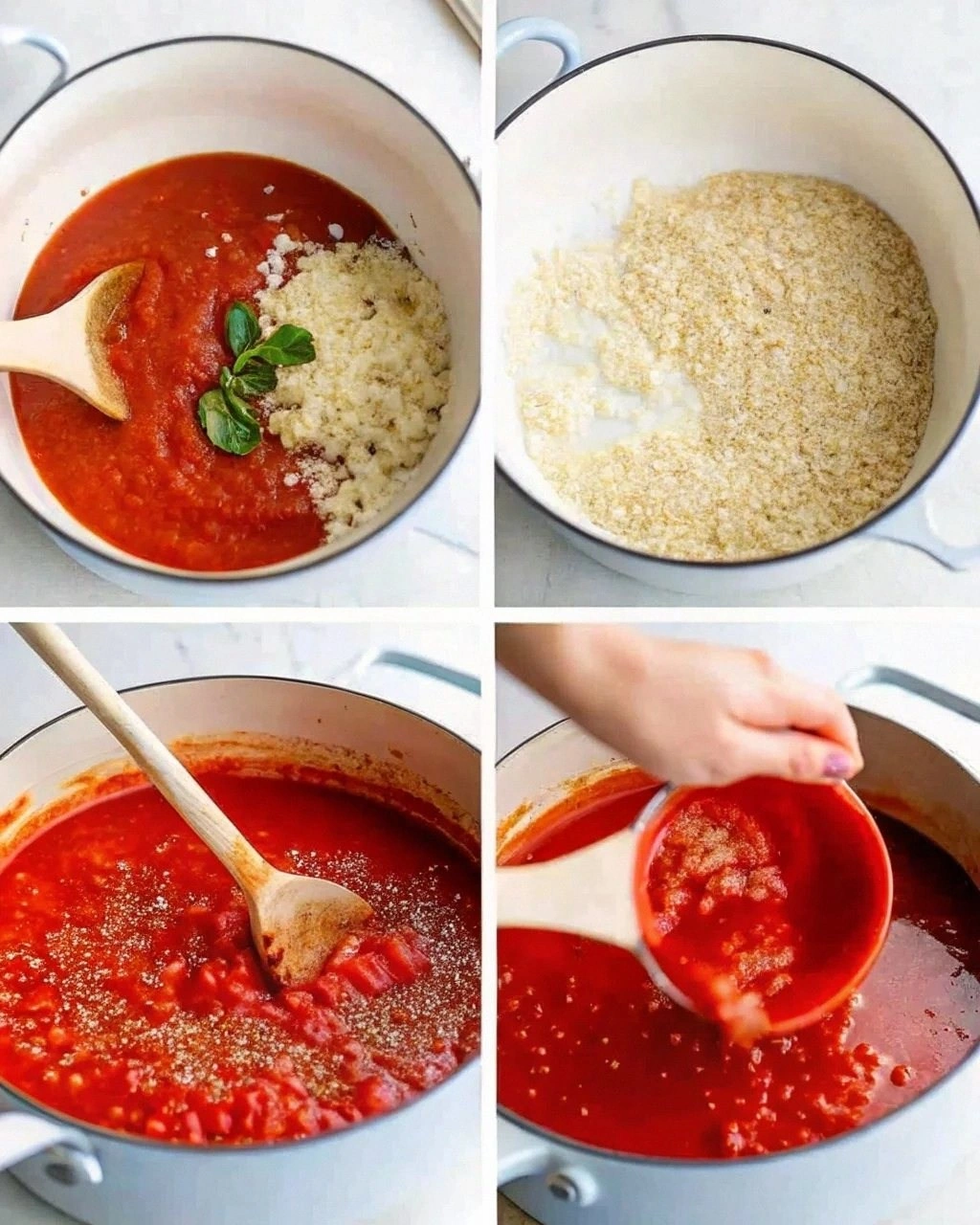
- Heat your heavy-bottomed pot over medium heat. When a drop of water dances across the surface, add the olive oil. It should shimmer immediately but not smoke—if it smokes, you've gone too hot and your soup will taste bitter. Add the chopped onion with a generous pinch of salt. Now here's the key: don't rush this step. Stir occasionally, letting the onion turn translucent, then golden, then start to brown around the edges. This takes about 8-10 minutes, and it's building the flavor foundation that makes the difference between soup that tastes like wet tomatoes and soup that tastes like something crafted by angels. Your kitchen should smell like heaven's kitchen right about now.
- Clear a space in the center of the pot and add the tomato paste. Let it cook, stirring constantly, until it darkens from bright red to deep brick—about 2 minutes. That sizzle when it hits the pan? Absolute perfection. The paste will start to stick slightly and smell intensely tomato-y, almost like sun-dried tomatoes. This step concentrates the flavor and adds that mysterious depth that makes people ask what your secret is. Don't skip it, don't rush it, and definitely don't walk away—tomato paste burns faster than a bad Tinder date.
- Add the garlic and cook for just 30 seconds—until fragrant but not browned. Burnt garlic is bitter garlic, and bitter garlic will haunt your soup like a culinary ghost. Pour in the canned tomatoes with their juice. Now get in there with clean hands and crush them up. Feel free to get therapeutic—those tomatoes aren't going to crush themselves. Leave some chunks for texture, but break down most of it. Add the bay leaf, a good grind of black pepper, and if your tomatoes are particularly acidic, that pinch of sugar. Bring it to a simmer and let it bubble away for 10 minutes. The kitchen should smell like an Italian grandmother's Sunday sauce.
- Time for the rice. Add it directly to the pot and stir for a minute, letting each grain get coated in that tomato goodness. This step ensures the rice cooks evenly and absorbs flavor instead of just boiling in plain water. Pour in the vegetable broth—hot if you have it, cold if you don't. Bring it back to a simmer, then reduce the heat to low. Cover partially and let it cook for 15-18 minutes, stirring occasionally to prevent sticking. The rice should be tender but still have a slight bite, like al dente pasta. Taste a grain—if it's crunchy, give it another 2-3 minutes. If it's mushy, well, lesson learned for next time.
- Remove the bay leaf (trust me, you don't want to blend that). Now for the texture magic: ladle half the soup into a blender and puree until smooth. Be careful—hot liquids expand in blenders. Return the blended portion to the pot and stir. You should have a soup that's creamy but rustic, smooth but with interesting bits. If you like it completely smooth, blend it all. If you like it chunky, blend less. This is your soup, your rules. But the half-and-half method gives you the best of both worlds.
- Stir in the butter until it melts completely. This is the moment of truth—the butter adds richness and body that takes this from good soup to great soup. Taste and adjust seasoning. It might need more salt, a crack of pepper, or if your tomatoes were particularly sweet, a squeeze of lemon for brightness. The soup should coat the back of a spoon but not be as thick as porridge. If it's too thick, add a splash of water or broth. Too thin? Let it simmer uncovered for a few minutes.
- Off the heat, stir in the chopped fresh basil if using. Dried basil is a crime against humanity—don't do it. The fresh stuff adds a brightness that makes everything pop. Serve hot, drizzled with good olive oil and maybe some crusty bread for dunking. That's it—you did it. But hold on, I've got a few more tricks that'll take this to another level...
Insider Tricks for Flawless Results
The Temperature Rule Nobody Follows
Here's the thing that separates good cooks from great ones: understanding heat. Your soup should never boil after the rice goes in. Think gentle bubbles breaking the surface, not a rolling cauldron. High heat breaks the rice grains, releasing too much starch and turning your beautiful soup into something resembling wallpaper paste. Medium-low heat keeps the rice intact while allowing it to absorb flavor. A friend tried rushing this step once—let's just say it didn't end well. She served what can only be described as tomato-flavored concrete. Don't be like Sarah. Respect the simmer.
Why Your Nose Knows Best
Your nose is the most underused kitchen tool. When the onions are properly caramelized, they'll smell sweet and complex, not sharp and oniony. When the tomato paste is ready, it'll smell like concentrated sunshine instead of raw tomato. Trust your nose—it knows when something's burning before your eyes do. If you smell anything bitter or acrid, you've gone too far. Start over. Better to lose five minutes of onions than ruin the entire soup with burnt flavors that no amount of sugar can fix.
The 5-Minute Rest That Changes Everything
After cooking, let the soup rest for five minutes off the heat before serving. This isn't just being fancy—it's science. The rice continues to absorb liquid and the flavors meld and deepen. It's like the difference between a freshly made cocktail and one that's been sitting for a minute—the ingredients get to know each other better. Stir in a final swirl of olive oil right before serving. It adds a glossy finish and fresh flavor that makes the soup taste like it just came from a restaurant kitchen.
The Salt Timing Secret
Don't add all your salt at once. Salt the onions when they go in, then taste and adjust at the end. The tomatoes, broth, and butter all contain different levels of sodium, and you want to balance them, not overwhelm them. Over-salting is the fastest way to ruin soup, and there's no fix except making more soup to dilute it. Better to under-season and adjust than serve something that makes people reach for water between every bite.
The Blender Safety Dance
Hot liquids in blenders are like toddlers on sugar—unpredictable and potentially explosive. Never fill your blender more than halfway with hot soup. Remove the center cap from the lid and cover with a kitchen towel to let steam escape. Start on low speed and gradually increase. Trust me, cleaning tomato soup off your ceiling is not the evening activity you want. I've been there. It's not pretty. Your ceiling will smell like marinara for weeks.
Creative Twists and Variations
This recipe is a playground. Here are some of my favorite ways to switch things up:
Mediterranean Magic
Add a can of white beans and a handful of chopped kale during the last five minutes of cooking. Finish with lemon zest and oregano instead of basil. Suddenly you've got a complete meal that tastes like vacation on the Greek islands. The beans add protein and creaminess, while the kale wilts into tender submission. Top with crumbled feta if you're feeling fancy, or eat it as-is for a lighter version that still satisfies like crazy.
Spicy Spanish-Style
Sauté a chopped Spanish chorizo with the onions for smoky depth. Add a pinch of smoked paprika and a bay leaf, then finish with chopped parsley. The chorizo releases paprika-scented oil that stains everything a gorgeous sunset orange. This version is heartier, perfect for nights when you need something that'll stick to your ribs. Serve with crusty bread and a glass of red wine, and pretend you're in a tiny tapas bar instead of your kitchen.
Creamy Comfort
Stir in a splash of heavy cream at the end for richness that'll make you weak in the knees. Not too much—just enough to round the edges and add luxurious body. This version is what you make when someone's sick, someone's sad, or someone just needs a hug in bowl form. It's like the difference between a handshake and a bear hug—same basic idea, completely different level of comfort.
Roasted Red Pepper Remix
Add a jar of roasted red peppers to the blender with half the soup. They add sweetness and smoky depth that makes the tomatoes taste even more tomato-y. It's like tomato squared, in the best possible way. The red peppers also add vitamin C and make the soup an even more gorgeous color. Kids love this version because it tastes like pizza sauce, but grown-ups love it because it tastes sophisticated.
Seafood Celebration
For an elegant dinner party version, add peeled shrimp during the last 3-4 minutes of cooking. They'll turn pink and curl into perfect little crescents. Finish with fresh parsley and a squeeze of lemon. Suddenly your humble tomato rice soup becomes dinner party worthy. Serve with chilled white wine and watch people assume you spent hours crafting something elaborate when really you just added shrimp to Tuesday night dinner.
Green Goddess Version
Blend in a handful of fresh spinach with the soup for a gorgeous green-flecked version that tastes like health but doesn't feel like punishment. The spinach disappears completely but adds nutrients and a fresh flavor that makes the tomatoes taste brighter. This is how you trick yourself into eating vegetables when you really just want comfort food. It's like hiding vitamins in a hug.
Storing and Bringing It Back to Life
Fridge Storage
This soup keeps beautifully in the refrigerator for up to 5 days, though good luck having it last that long. Store it in an airtight container—glass is best because it won't absorb tomato stains like plastic will. The rice will continue to absorb liquid as it sits, so you'll probably need to add a splash of water or broth when reheating. Don't add too much—you want soup, not tomato water. If it gets too thick, thin it gradually. You can always add more liquid, but you can't take it away.
Freezer Friendly
Freeze in individual portions for emergency comfort food. The rice will get slightly softer after freezing and thawing, but the flavor remains incredible. Use freezer-safe containers and leave an inch of space for expansion. Label with the date—future you will thank present you when you're digging through the freezer at midnight. Thaw overnight in the refrigerator or use the defrost setting on your microwave. Add a splash of water when reheating to bring back the perfect consistency.
Best Reheating Method
Reheat gently on the stove over medium-low heat, stirring occasionally. Add a tiny splash of water or broth to loosen it up. The microwave works in a pinch, but do it in 30-second bursts, stirring between each, to prevent hot spots and explosions. Never reheat more than once—each cycle degrades the texture and flavor. If you've got a small portion, consider eating it cold like a thick gazpacho. It's surprisingly refreshing on hot days and travels well for lunches.