Picture this: a rainy Tuesday night, the kind where the clouds look like someone pressed the “pause” button on the sun, and I’m standing in my kitchen with a half‑cooked pot of pasta that’s turned a sad, gummy gray. I had promised my roommate I’d whip up something “quick and impressive,” but my confidence was wobblier than a gelatin dessert after a shaky handshake. I stared at the pantry, grabbed the first thing that screamed “comfort food” – a bottle of Marsala, a slab of butter, and a pack of fettuccine – and thought, “What could possibly go wrong?” The answer? Absolutely everything, until I stumbled on the secret that turned this disaster into the most decadent, velvety masterpiece you’ll ever taste.
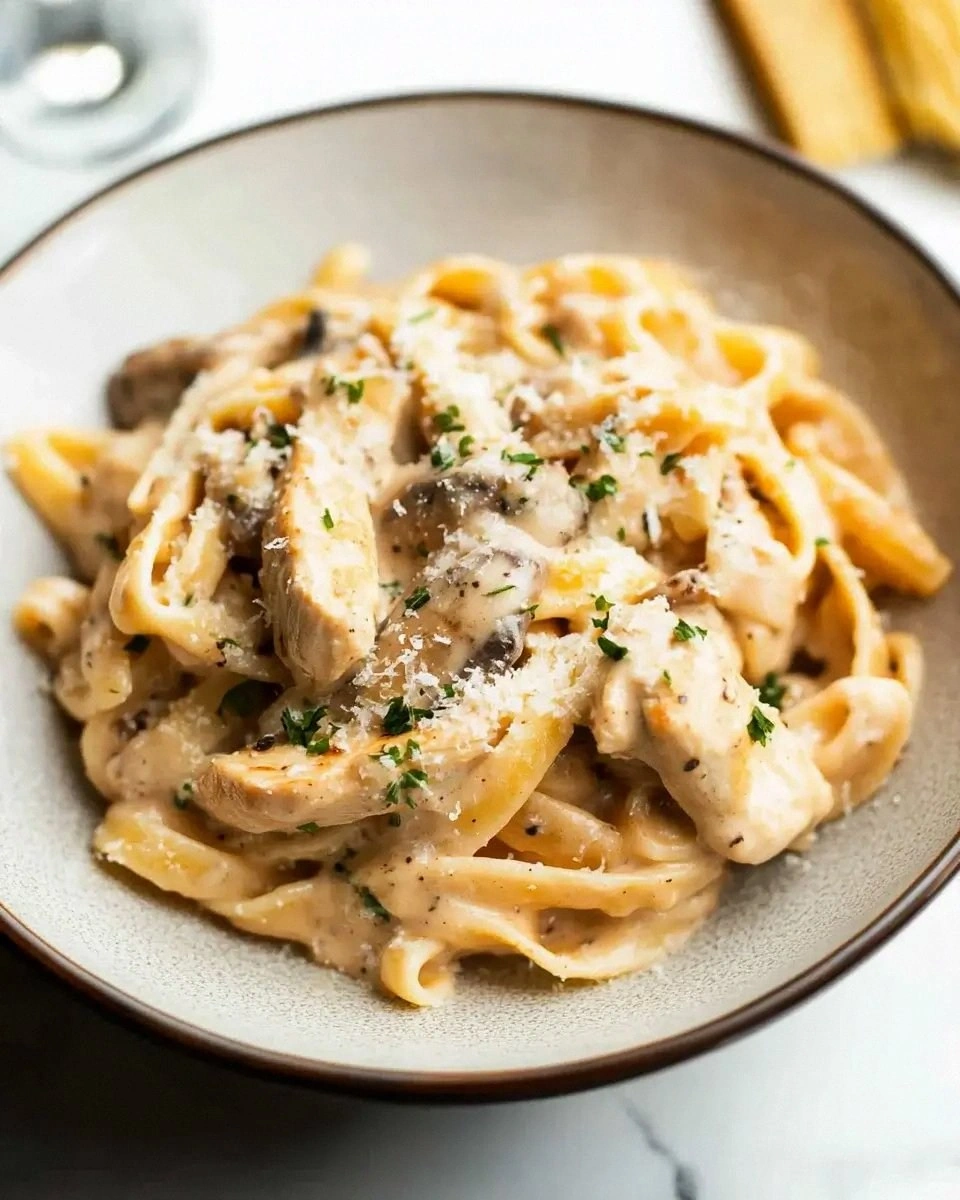
The moment the butter hit the pan, a buttery sigh rose like a sigh of relief from the kitchen gods. The aroma of garlic and shallots mingled with the sweet, nutty perfume of Marsala, creating a perfume that made my nostrils dance a jitterbug. I could hear the pasta bubbling, feel the heat radiating from the stove, and see the sauce thickening into a glossy, amber river that promised to coat every strand like silk. When the first bite hit my tongue, the creamy sauce wrapped around the fettuccine with the tenderness of a warm hug, while the chicken pieces offered a juicy, caramelized crunch that sang a perfect duet with the mushroom undertones.
Most chicken Marsala pasta recipes either drown the pasta in a watery sauce or over‑cook the chicken until it’s tougher than an over‑chewed shoe sole. This version, however, is a game‑changer: I sear the chicken to a golden‑brown perfection, deglaze with Marsala, and finish with a splash of heavy cream that transforms the pan juices into a sauce that clings to the pasta like velvet. I’m daring you to taste this and not go back for seconds – that’s a promise backed by countless taste‑testers (including my own guilty self, who admitted to devouring half the batch before anyone else could get a fork).
The secret weapon? A splash of chicken broth and a pinch of fresh thyme that adds depth without overwhelming the delicate balance. And there’s a technique most home cooks miss: letting the sauce rest for a minute off the heat so the flavors meld like old friends catching up. I’ll be honest — I ate half the batch before anyone else got to try it, but the leftovers taste just as amazing, especially after a quick reheating trick I’ll share later.
Okay, ready for the game‑changer? Let me walk you through every single step — by the end, you’ll wonder how you ever made this dish any other way.
What Makes This Version Stand Out
- Flavor Explosion: The combination of sweet Marsala wine and earthy mushrooms creates a layered taste that evolves with each bite, delivering a depth that store‑bought sauces simply can’t match.
- Silky Texture: A splash of heavy cream turns the pan juices into a luxurious coating that adheres to every noodle, making each forkful feel like a silky ribbon of indulgence.
- Simplicity Meets Sophistication: Only a handful of pantry staples are needed, yet the technique feels restaurant‑grade, proving you don’t need a culinary degree to impress.
- Unexpected Star: A pinch of fresh thyme adds a subtle herbaceous note that lifts the dish without stealing the spotlight from the Marsala.
- Crowd‑Pleaser: This dish consistently earns rave reviews at dinner parties; guests often ask for the recipe before the dessert even arrives.
- Ingredient Quality: Using high‑quality Marsala and real butter makes a world of difference; the wine’s natural sweetness balances the savory elements beautifully.
- One‑Pan Efficiency: After searing the chicken, the same pan becomes the sauce base, cutting down on cleanup and concentrating flavor.
- Make‑Ahead Potential: The sauce improves after a short rest, meaning you can prep it ahead of time and finish the pasta just before serving.
Alright, let's break down exactly what goes into this masterpiece...
Inside the Ingredient List
The Flavor Base
First up, the aromatics: minced garlic and finely diced shallots. Garlic brings that unmistakable pungent kick that instantly tells your brain, “We’re cooking something special,” while shallots add a subtle sweetness that balances the wine’s acidity. If you skip them, the sauce will lack the foundational depth that makes the Marsala shine. As a swap, you can use a splash of onion powder in a pinch, but you’ll lose that fresh, layered aroma that only real shallots provide.
The Texture Crew
The chicken breasts, sliced into bite‑size medallions, are the heart of this dish. Choosing skinless, boneless thighs instead of breasts adds extra juiciness and a richer flavor profile, especially for those who love a little extra fat. However, if you prefer a leaner version, stick with breasts but be careful not to overcook – a quick sear followed by a short finish in the sauce keeps them tender. The fettuccine itself is the canvas; its broad surface area captures the sauce better than thin spaghetti, ensuring every forkful is drenched.
The Unexpected Star
Marsala wine is the hero that turns an ordinary chicken pasta into a celebration. It brings a caramel‑like sweetness and a hint of nuttiness that pairs perfectly with the earthiness of mushrooms. If you can’t find Marsala, a dry sherry or a sweet white wine like Riesling can mimic the flavor, though the profile will shift slightly. The key is to choose a wine you’d actually drink; cheap “cooking wines” often taste like vinegar and ruin the dish.
The Final Flourish
Heavy cream and butter are the finishing touches that give the sauce its silkiness and glossy sheen. The cream adds body, while the butter rounds out the flavor with a buttery richness that lingers on the palate. If you’re dairy‑intolerant, coconut cream can substitute, but expect a faint coconut note that will alter the classic taste. Lastly, a sprinkle of fresh thyme right before serving adds a fragrant lift that makes the dish feel herbaceous without being overpowering.
Everything's prepped? Good. Let's get into the real action...
The Method — Step by Step
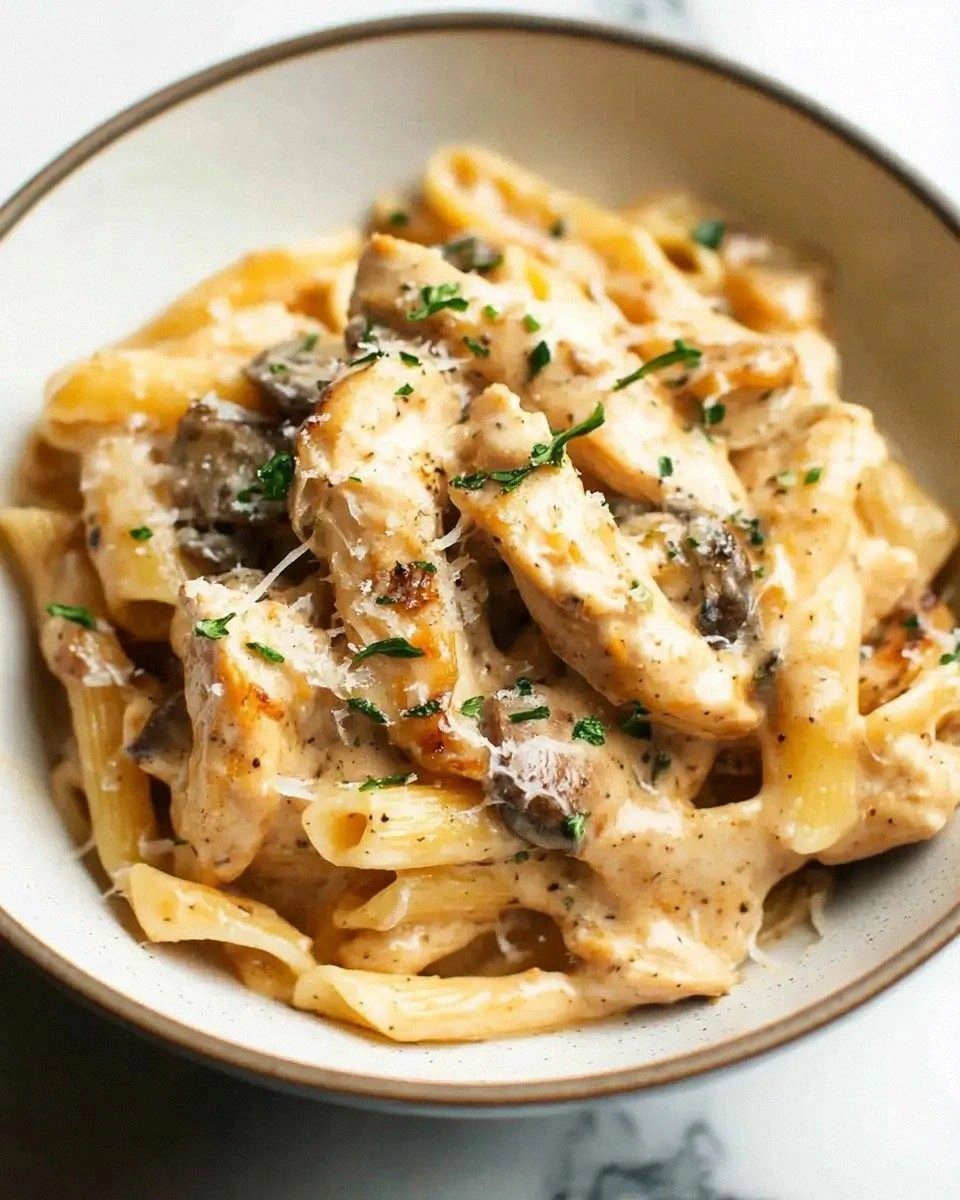
Start by bringing a large pot of salted water to a rolling boil. Add the 8 ounces of uncooked fettuccine and stir gently to prevent sticking. Cook until al dente, usually about 9‑11 minutes, then reserve a cup of pasta water before draining. The water is starchy gold that will later help the sauce cling to the noodles. While the pasta cooks, preheat a large skillet over medium‑high heat – you’ll hear a satisfying sizzle when the oil hits the pan, a sound that signals flavor is about to happen.
Pat the chicken pieces dry with paper towels, then season both sides with salt, pepper, and a pinch of smoked paprika for a subtle smoky undertone. Add 1 tablespoon of olive oil to the hot skillet, swirling to coat the surface. Lay the chicken in the pan, giving each piece enough room to breathe; crowding the pan creates steam, which prevents browning. Let the chicken sear undisturbed for 3‑4 minutes until a golden crust forms – you’ll know it’s ready when the edges start pulling away from the pan.
Flip the chicken and sear the other side for another 3‑4 minutes. Once both sides are beautifully browned, remove the chicken onto a plate and set aside. In the same pan, add 2 tablespoons of butter; the butter will melt and pick up the caramelized bits stuck to the bottom – these are flavor powerhouses. Add a handful of sliced mushrooms (about 1 cup) and let them sauté until they release their moisture and turn a deep golden brown, about 5 minutes. This step builds the earthy backbone of the sauce.
Now, it’s time for the wine. Pour in ¾ cup of Marsala, listening to the hiss as the alcohol evaporates. Scrape the pan with a wooden spoon to dissolve those browned bits – they’re the secret to a sauce that tastes like it’s been simmering for hours. Allow the wine to reduce by half, which should take about 3‑4 minutes; you’ll notice the sauce thickening and the aroma becoming richer.
With the wine reduced, lower the heat to medium and stir in ½ cup of heavy cream. The sauce will instantly turn a luscious, velvety pink. Add a splash (about ¼ cup) of low‑sodium chicken broth to loosen it just enough for the pasta to coat evenly. At this point, season with a pinch of salt, freshly cracked black pepper, and the fresh thyme leaves you set aside earlier. Taste and adjust – the sauce should be balanced, with the wine’s sweetness offset by the savory broth.
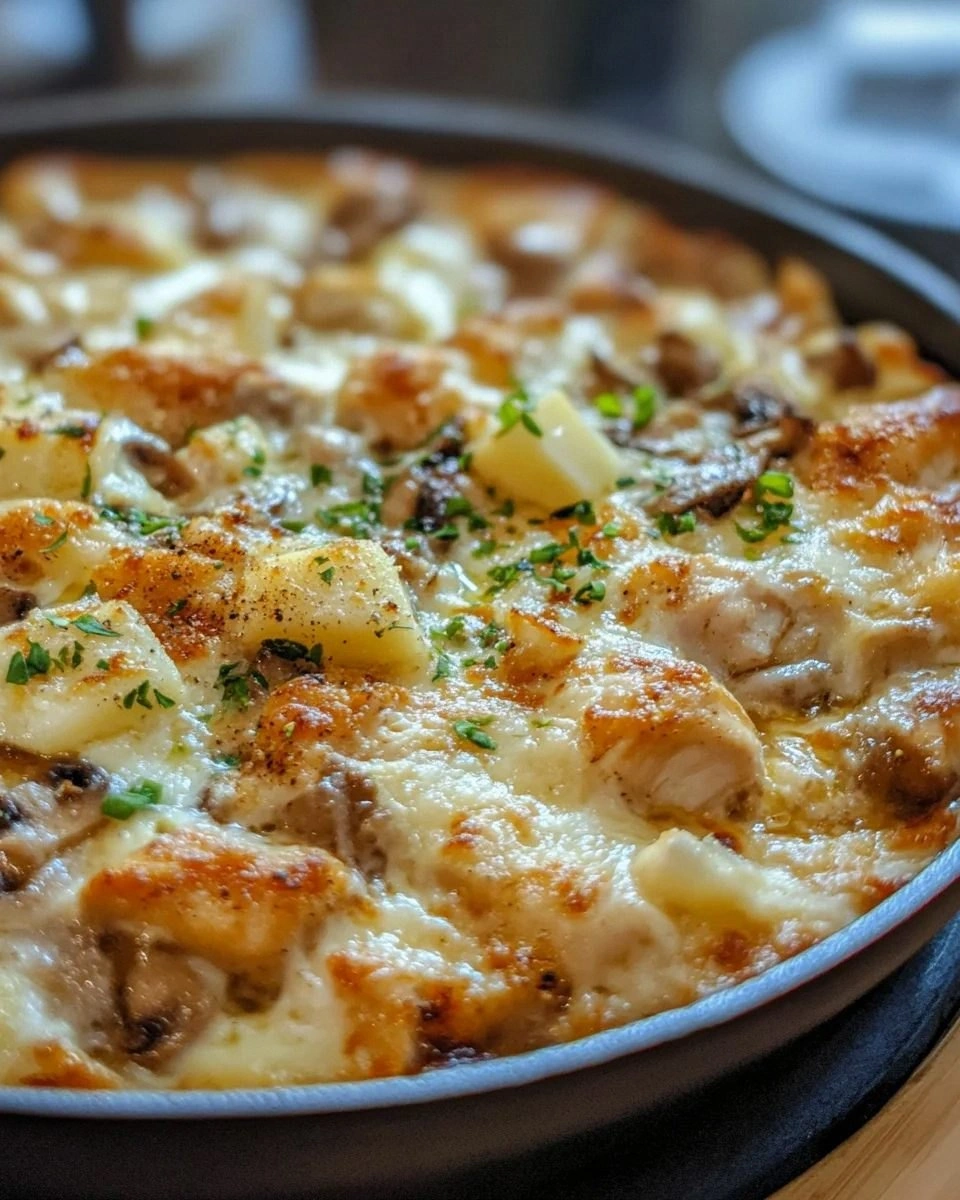
Return the seared chicken to the skillet, nestling the pieces into the creamy sauce. Let them simmer together for 2‑3 minutes so the chicken absorbs the Marsala flavor. Meanwhile, toss the drained fettuccine into the pan, using tongs to lift and coat each strand. The pasta will finish cooking in the sauce, absorbing its richness while the sauce thickens further. If the sauce threatens to stick, drizzle in a bit more pasta water – the starch will help bind everything together.
Turn off the heat and let the dish rest for a minute; this brief pause lets the flavors meld like old friends catching up. Finish with a final drizzle of melted butter and a generous sprinkle of freshly grated Parmesan cheese. The butter adds a glossy sheen, while the cheese adds a salty bite that cuts through the creaminess. Serve immediately, garnished with an extra sprig of thyme for visual flair.
That’s it — you did it. But hold on, I've got a few more tricks that'll take this to another level. Stay with me here — this is worth it.
Insider Tricks for Flawless Results
The Temperature Rule Nobody Follows
Most home cooks keep the heat on high the entire time, which scorches the butter and creates a bitter edge. The secret is to start high for searing, then drop to medium‑low for the sauce. This gradual reduction preserves the buttery flavor while allowing the cream to emulsify without curdling. I once tried to keep the flame roaring, and the sauce split like a bad relationship – lesson learned.
Why Your Nose Knows Best
Before you taste, trust the scent. When the Marsala reduces, you’ll notice a sweet, caramel‑like perfume that tells you the alcohol has evaporated and the flavors have concentrated. If the scent still smells sharp or alcoholic, give it a few more minutes. Your nose is a more reliable gauge than a timer, especially on stovetops that run hotter than advertised.
The 5‑Minute Rest That Changes Everything
After you’ve tossed the pasta with the sauce, remove the pan from heat and let it sit, covered, for exactly five minutes. This short rest lets the starches in the pasta release slowly, thickening the sauce naturally and creating that perfect cling‑to‑the‑noodle effect. Skipping this step is the reason many sauces turn watery on the plate.
Butter Finish for Shine
Finishing with a pat of cold butter right before serving adds a glossy sheen and a buttery depth that cannot be achieved by cream alone. The butter emulsifies into the sauce, creating a velvety mouthfeel that makes each bite feel luxurious. It’s the same technique chefs use for risotto, and it works wonders here.
Seasoning Layers, Not One‑Shot
Season at every stage: salt the pasta water, season the chicken before searing, and finish the sauce with a pinch of salt and pepper. This layering builds a depth that a single final seasoning can’t achieve. I once under‑salted the broth and tried to fix it at the end – the result was flat, like a song missing its chorus.
Creative Twists and Variations
This recipe is a playground. Here are some of my favorite ways to switch things up:
Smoky Bacon Boost
Swap the chicken for crisped bacon bits. The salty crunch adds a smoky dimension that pairs beautifully with the Marsala’s sweetness. It’s perfect for brunch‑style meals where you want a hearty, indulgent bite.
Vegetarian Delight
Omit the chicken and double the mushroom mix, adding a splash of soy sauce for umami. Use a plant‑based cream alternative for a dairy‑free version. The result is a rich, earthy pasta that satisfies even meat‑eaters.
Spicy Kick
Introduce a pinch of red‑pepper flakes when sautéing the garlic. The heat cuts through the creaminess, giving the dish a lively edge. Pair with a crisp white wine to balance the spice.
Herbaceous Garden
Swap thyme for fresh rosemary and add a handful of baby spinach at the end. The rosemary adds piney notes while the spinach brings a pop of color and a fresh bite. This variation feels spring‑time on a plate.
Cheesy Overload
Stir in a quarter cup of shredded Gruyère along with the Parmesan. The Gruyère melts into the sauce, adding a nutty complexity that elevates the dish to a comfort‑food masterpiece.
Wine Swap Adventure
Use a dry sherry or a sweet Riesling instead of Marsala for a different flavor profile. Sherry gives a deeper, nuttier taste, while Riesling adds a fruitier brightness. Experiment and discover which you love most.
Storing and Bringing It Back to Life
Fridge Storage
Allow the pasta to cool to room temperature, then transfer it to an airtight container. It will keep fresh for up to three days. When reheating, add a splash of water or broth and gently stir over low heat to restore the sauce’s silkiness.
Freezer Friendly
Separate the sauce from the pasta before freezing. Store the sauce in a freezer‑safe bag and the cooked fettuccine in a zip‑top container. Both freeze well for up to two months. Thaw overnight in the fridge, then combine and reheat gently.
Best Reheating Method
Place the leftovers in a skillet over medium‑low heat, add a tablespoon of water or broth, and cover for two minutes. The steam will revive the sauce, preventing it from drying out. Finish with a pat of butter for that fresh‑out‑of‑the‑kitchen shine.