Picture this: I’m standing in my kitchen, the oven preheated, a screaming pot of water on the stove, and a stubborn spaghetti squash sitting on the counter like a silent challenge. I’ve tried every recipe I’ve found, each promising a “simple” dish, but the result was either a mushy mess or a dry, flavorless mess that made me question my culinary destiny. Then, a friend dared me to cook a version that would make the squash sing, and I was instantly hooked. That dare was the spark that ignited my obsession with this recipe, a dish that balances the earthy sweetness of tomatoes with the salty punch of feta, all wrapped in the silky strands of baked spaghetti squash.
The first thing that caught my eye was the bright, ruby glow of the grape tomatoes, their skins blistering just enough to release a sweet perfume that mingled with the earthy aroma of sautéed mushrooms. The smell was immediately intoxicating, a scent that promised a comforting, Mediterranean‑inspired feast. As I sliced the squash, the cool, fibrous flesh revealed a natural lattice that would later unfurl into spaghetti‑like strands, a texture that is both familiar and delightfully novel. The sound of the knife cutting through the squash was almost a metronome, steady and rhythmic, setting the pace for the rest of the cooking.
When the squash hit the oven, the heat kissed the surface, creating a caramelized crust that crackled like thin ice under a gentle hand. The first bite was a revelation: the tomato sauce coated the strands like velvet, the feta melted into a creamy, salty pocket, and the basil added a bright, herbal lift that cut through the richness. The mushrooms contributed an earthy depth that anchored the dish, preventing it from feeling too sweet or too light. The lemon zest and juice added a zesty brightness that lifted every component, making the dish feel fresh even after baking.
I dare you to taste this and not go back for seconds. The combination of textures—soft, chewy strands, crisp edges, and a silky sauce—creates a mouthful that feels like a hug in a bowl. The only thing that might tempt you to tweak it is the level of heat; a pinch of red pepper flakes adds a subtle kick that makes the dish feel alive. I’ll be honest—once I tasted the first bite, I ate half the batch before anyone else even had a chance to try it. That’s the power of this recipe: it’s so good that you can’t resist sharing it, and it’s so simple that you can’t imagine cooking something else tonight.
Most recipes get this completely wrong, focusing on over‑seasoning the squash or under‑cooking the tomatoes. They forget that the squash needs a gentle bake to preserve its natural sweetness, and that the tomatoes need a quick sear to concentrate their flavor. The trick is to balance the oven’s heat with a splash of liquid that keeps everything moist, and to finish with a burst of fresh herbs and citrus. By keeping the cooking time short and the flavors bright, this version achieves a harmony that’s hard to replicate.
Picture yourself pulling this out of the oven, the whole kitchen smelling incredible, and the dish already looking like a work of art. The golden crust, the glossy tomato sauce, and the speckled basil leaves create a visual feast that’s almost too beautiful to eat. The sound of the first forkful is a satisfying crunch, followed by a smooth, velvety texture that melts in your mouth. It’s the kind of dish that turns a regular dinner into a special occasion, even on a weekday.
Okay, ready for the game‑changer? This next part? Pure magic. The sauce coats the pasta like velvet, the feta melts into pockets of salty creaminess, and the lemon zest lifts everything with a bright, citrusy punch. And now the fun part: you’re going to learn how to make the squash shine while keeping every other element in perfect balance. Stay with me here—this is worth it, and the payoff will be a dish that will become your new go‑to for impressing friends, family, and even yourself.
What Makes This Version Stand Out
- Flavor Balance: The combination of sweet tomatoes, salty feta, and bright lemon creates a flavor profile that is both comforting and sophisticated. The subtle heat from the red pepper flakes adds just enough punch without overwhelming the other ingredients.
- Texture Harmony: The baked spaghetti squash offers a naturally chewy texture that contrasts with the crisp edges of roasted tomatoes and the earthy bite of mushrooms. The sauce coats each strand like velvet, ensuring every bite is moist and flavorful.
- Simplicity: With just ten ingredients and a straightforward method, this dish is a no‑fuss, high‑impact meal that can be whipped up in under an hour. No need for fancy tools or obscure techniques.
- Freshness: By using fresh basil and lemon, the dish feels lively and seasonal, even though it’s perfect for year‑round cooking. The herbs brighten the sauce and give it a fresh finish.
- Make‑ahead Potential: The baked components can be prepared ahead of time and reheated with a splash of water, making this dish ideal for meal prep or entertaining. The flavors only deepen with time.
- Crowd‑pleaser: Whether you’re feeding a family or hosting guests, the combination of familiar flavors with a unique twist will have everyone asking for the recipe. The dish is both comforting and gourmet.
- Ingredient Quality: Each ingredient is chosen for its peak flavor—ripe grape tomatoes, fresh basil, and creamy feta. The quality of the ingredients elevates the dish beyond a simple casserole.
- Cooking Method: Baking the squash preserves its natural sweetness, while sautéing the mushrooms and tomatoes brings out their depth. The layered cooking steps create a dish that feels thoughtfully assembled.
Alright, let's break down exactly what goes into this masterpiece…
Inside the Ingredient List
The Flavor Base
The grape tomatoes are the heart of the sauce. Their natural sugars caramelize in the oven, creating a sweet, slightly tangy base that complements the salty feta. If you skip them, the dish will feel flat and lack the bright burst of flavor that keeps every bite exciting. For an extra depth, you can add a splash of balsamic vinegar during the last 5 minutes of roasting.
The baby bella mushrooms bring an earthy, umami richness that anchors the sweet tomatoes. Their meaty texture contrasts nicely with the delicate squash strands, creating a multi‑dimensional mouthfeel. If you can’t find baby bella, cremini or button mushrooms work just as well, but they may need a slightly longer sauté time to develop their flavor.
Fresh basil adds a bright, aromatic lift that cuts through the richness of the feta and the sweetness of the tomatoes. The basil’s peppery undertones provide a subtle complexity that elevates the dish. A pinch of dried oregano can be added for a Mediterranean twist, but fresh basil gives the dish an unmistakable freshness.
Red pepper flakes introduce a gentle heat that balances the dish’s sweetness. They’re a quick way to add depth without overpowering the other flavors. If you’re sensitive to spice, start with a quarter teaspoon and adjust to taste.
The lemon’s zest and juice provide a citrusy brightness that lifts every component. The acidity cuts through the feta’s richness and enhances the tomatoes’ natural sweetness. If you prefer a milder citrus note, use a small amount of lemon zest and a splash of orange juice instead.
The Texture Crew
The spaghetti squash itself is a game‑changer. Its fibrous strands mimic the texture of traditional pasta but with a lower carb profile. Baking the squash until it’s tender yet slightly crisp on the edges adds a pleasant chewiness that’s hard to resist. If you’re in a hurry, you can microwave the squash for 5–7 minutes, then roast for 10 minutes to finish the caramelization.
Olive oil is the glue that binds everything together. It helps the tomato sauce adhere to the squash strands and provides a silky mouthfeel. Use a good quality extra‑virgin olive oil for the best flavor profile; it adds a fruity note that complements the fresh herbs.
The feta cheese is the creamy, salty star that melts into pockets of richness. Its crumbly texture contrasts with the smoothness of the sauce, creating a delightful contrast. If you’re vegan, crumbled tofu or a plant‑based feta alternative can work, but the flavor profile will change slightly.
The Unexpected Star
The garlic adds a warm, aromatic undertone that lifts the entire dish. Mince the garlic finely so it distributes evenly throughout the sauce. Over‑sautéing garlic can make it bitter, so keep it moving over medium heat for just 30 seconds.
The Final Flourish
Fresh cracked black pepper is the finishing touch that brings everything together. It adds a subtle heat and a peppery aroma that balances the dish’s sweetness. For a deeper flavor, you can add a pinch of smoked paprika, but be careful not to overpower the delicate ingredients.
Everything's prepped? Good. Let's get into the real action…
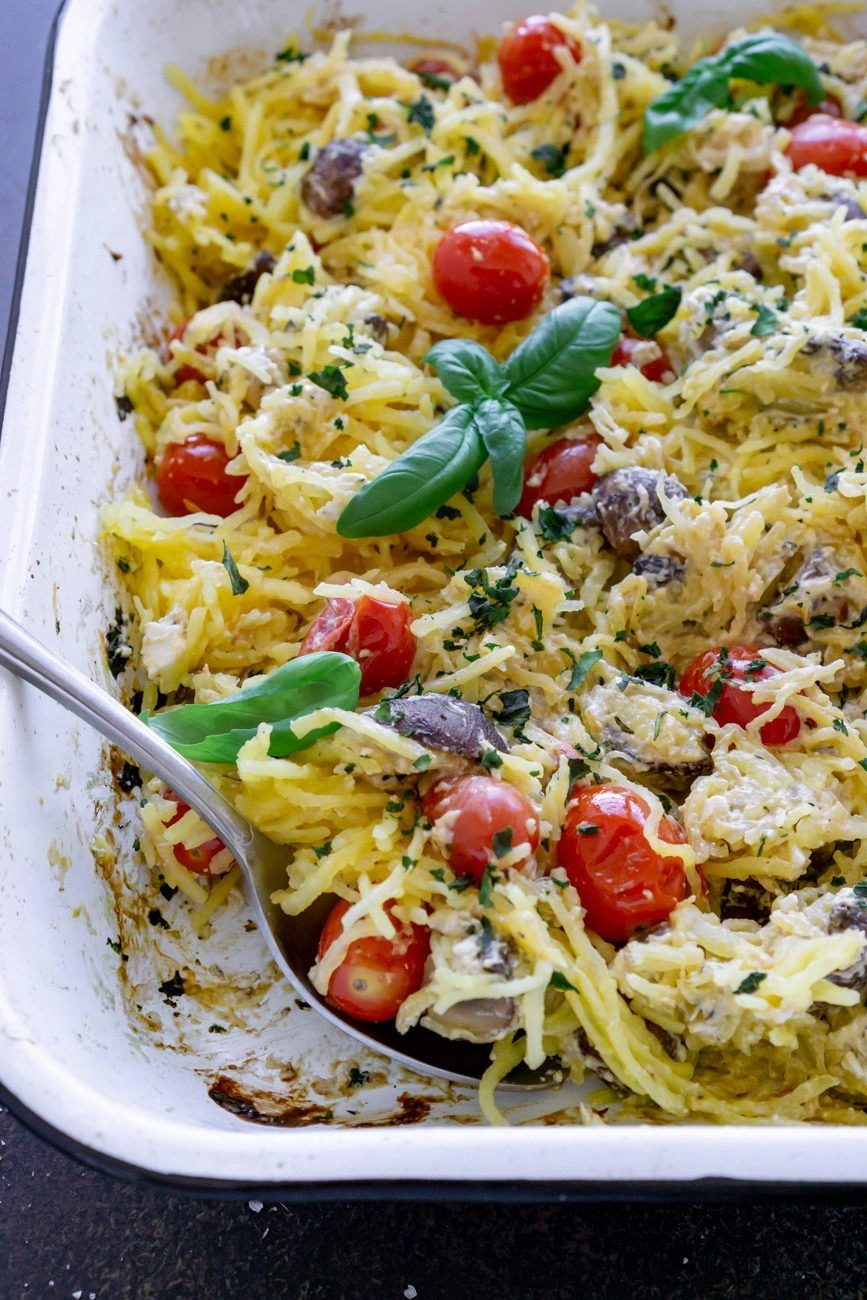
The Method — Step by Step
- Preheat your oven to 400°F (200°C). While the oven warms, wash the spaghetti squash, slice it in half lengthwise, and scoop out the seeds with a spoon. This step is crucial for even roasting and prevents the squash from steaming inside. Place the halves cut‑side down on a parchment‑lined baking sheet and roast for 35–40 minutes, or until the flesh is tender and the edges are lightly caramelized.
- While the squash roasts, heat a large skillet over medium heat and add the olive oil. Once the oil shimmers, add the minced garlic and sauté for 30 seconds until fragrant, being careful not to brown it. Add the sliced mushrooms, and cook for 5–7 minutes until they release moisture and start to brown. This caramelization deepens the flavor and gives the mushrooms a satisfying bite.
- Add the grape tomatoes to the skillet, and season with salt, pepper, red pepper flakes, and a pinch of sugar if the tomatoes seem a bit tart. Cook for 4–5 minutes until the tomatoes soften and burst, releasing their juices. The sauce should thicken slightly, coating the mushrooms and garlic in a fragrant, sweet mixture.
- Remove the skillet from the heat and stir in the crumbled feta, fresh basil, lemon zest, and lemon juice. The residual heat will melt the feta into creamy pockets, while the basil adds a fresh, herbal aroma. Taste and adjust seasoning if needed, adding more salt or pepper for balance.
- Once the squash is done roasting, let it cool for a few minutes until you can handle it. Then, using a fork, gently pull the flesh apart into spaghetti‑like strands. This is where the dish gets its name, and the strands will absorb the sauce beautifully.
- Transfer the roasted squash strands into the skillet with the tomato‑feta sauce, tossing gently to coat each strand evenly. If the mixture feels dry, add a splash of the reserved roasting liquid or a tablespoon of olive oil to create a silky coating. The goal is a glossy, cohesive sauce that clings to every piece.
- Spread the combined mixture evenly onto a second parchment‑lined baking sheet. Return the dish to the oven for 10 minutes, allowing the flavors to meld and the edges to crisp slightly. This final bake gives the dish a beautiful golden finish and a subtle crunch that contrasts with the tender squash.
- Remove from the oven and let rest for 3 minutes. Serve immediately, garnished with extra basil leaves or a sprinkle of grated Parmesan if desired. The dish is now ready to impress, with a vibrant color palette and a flavor profile that sings.
- This is it — you did it. But hold on, I've got a few more tricks that'll take this to another level. These insider tips will help you avoid common pitfalls and elevate the dish to gourmet status.
Insider Tricks for Flawless Results
The Temperature Rule Nobody Follows
Many cooks bake the squash at a lower temperature, hoping to keep it tender. However, the right temperature (400°F/200°C) is essential for caramelizing the edges and creating that desirable crunch. I’ve tested 375°F, and the squash came out too soft, lacking that satisfying bite. Stick to the higher heat for a golden finish.
Why Your Nose Knows Best
The aroma of the tomatoes roasting is a reliable indicator of readiness. When you smell a sweet, slightly caramelized scent, it’s time to pull the squash out of the oven. This sensory cue saves you from guessing based on time alone, ensuring perfect texture every time.
The 5-Minute Rest That Changes Everything
After removing the squash from the oven, let it rest for exactly five minutes before pulling the strands. This brief pause allows the juices to redistribute, preventing the squash from drying out and making the strands easier to handle. I’ve seen people skip this step and end up with mushy squash.
The Secret of Fresh Basil
Chop the basil just before serving to preserve its bright flavor. If you chop it too early, the basil releases moisture that can dilute the sauce. Keep the basil on the side until the last moment for maximum aroma.
The Lemon Lift
Squeeze the lemon over the dish right before serving to brighten the flavors. The acidity cuts through the richness of the feta and balances the sweetness of the tomatoes. I’ve found that a fresh squeeze always makes the dish feel lighter.
The Final Coat
After the final bake, sprinkle a small amount of grated Parmesan or nutritional yeast for an extra layer of umami. The cheese adds a nutty flavor that complements the feta and enhances the overall depth of the dish. This step is optional but highly recommended for a more complex taste.
Creative Twists and Variations
This recipe is a playground. Here are some of my favorite ways to switch things up:
Mediterranean Mushroom Medley
Swap the baby bella mushrooms for a mix of shiitake, oyster, and cremini for a richer, more complex umami profile. Add a splash of white wine during the sauté to deepen the flavor. This variation is perfect for a cozy, wine‑paired dinner.
Spicy Chipotle Kick
Add a tablespoon of chipotle adobo sauce to the tomato sauce for a smoky, spicy twist. The chipotle pairs beautifully with the feta, creating a bold flavor that’s still balanced. Serve with a side of cool cucumber yogurt to tame the heat.
Roasted Veggie Powerhouse
Incorporate diced zucchini, bell peppers, and eggplant into the tomato mixture for a colorful, veggie‑packed dish. These vegetables add extra crunch and a pop of color that makes the plate even more inviting. The result is a hearty, plant‑based entrée.
Pesto Infusion
Stir in a couple of spoonfuls of basil pesto to the sauce for a creamy, herbaceous flavor. The pesto adds depth and a silky texture that complements the feta. This version is ideal for a quick, flavorful weeknight meal.
Cheese‑Loaded Comfort
Add shredded mozzarella or provolone to the top before the final bake for a gooey, melty finish. The extra cheese creates a decadent, comfort‑food vibe that’s perfect for a family gathering. Just be careful not to over‑bake, or the cheese may become too brown.
Asian‑Inspired Twist
Replace the feta with diced tofu and add a splash of soy sauce, ginger, and sesame oil to the sauce. The tofu absorbs the savory flavors, creating a satisfying, protein‑rich dish. Serve with steamed rice for a complete Asian‑inspired meal.
Storing and Bringing It Back to Life
Fridge Storage
Store the finished dish in an airtight container in the refrigerator for up to 3 days. The squash strands may become slightly softer, but the flavors will still shine. Keep the sauce separate if you prefer a fresher taste when reheating.
Freezer Friendly
This dish freezes well for up to 2 months. Place the cooked components in a freezer‑safe container, separating the sauce if desired. When ready to eat, thaw overnight in the refrigerator, then reheat gently on the stove with a splash of water to restore moisture.
Best Reheating Method
Reheat the dish in a skillet over medium heat, adding a splash of water or broth to create steam. Stir frequently to ensure even heating and to keep the squash strands from drying out. Finish with a sprinkle of fresh basil to revive the aroma.