Picture this: you’re in the middle of a bustling week, the fridge is a barren wasteland, and your craving for something comforting and utterly Italian is louder than the traffic outside. You flick on the stove, open the pantry, and the scent of canned tomatoes rises like an invitation. I was standing there, about to order take‑out, when a friend dared me to create a homemade spaghetti marinara that would outshine every restaurant version. The challenge was simple: make a sauce that clings to pasta like velvet, offers a burst of umami with every bite, and can be whipped up in under an hour. I’m not just talking about another pasta recipe; I’m unveiling the ultimate marinara that will change the way you think about spaghetti forever.
From the moment the olive oil glistens in the pan to the first splash of crushed tomatoes, the kitchen fills with a symphony of aromas—garlic sizzling, onions caramelizing, and the faint sweetness of sun‑ripened tomatoes. The sound of the sauce bubbling is a rhythmic promise that flavors are melding. When you finally taste it, the sauce’s acidity cuts through the richness, leaving a lingering warmth that coats your palate without overwhelming it. The texture is silky yet slightly chunky, each piece of tomato and basil dancing in harmony. The finish is bright, with a hint of pepper and a touch of oregano that keeps the dish grounded. And the best part? It’s so simple, yet every step feels like a culinary revelation.
What sets this version apart is that it’s built around a few key principles: ingredient quality, technique, and a touch of daring. I’ve stripped away the unnecessary clutter found in many marinara recipes—no heavy cream, no artificial additives, just pure, honest flavors. The sauce’s depth comes from slow, low‑heat simmering that allows the tomatoes to caramelize gently, releasing their natural sugars. I’ve added a splash of wine to deglaze the pan, which adds a subtle acidity that brightens the entire dish. The final flourish is a handful of fresh basil tossed in at the end, giving the sauce a vibrant green pop that’s as visual as it is flavorful. The result? A sauce that feels indulgent without the heaviness, a pasta that feels light and satisfying, and a meal that can be plated in minutes.
I dare you to taste this and not go back for seconds. If you’ve ever felt that marinara was just a background player, think again. Picture yourself pulling this from the pot, the whole kitchen smelling incredible, a plate of steaming spaghetti waiting to be seasoned with fresh parmesan and a drizzle of olive oil. The next time you’re in the pantry, remember: the best version you’ll ever make at home is right here, ready to be whisked into your life. Let me walk you through every single step—by the end, you’ll wonder how you ever made it any other way.
What Makes This Version Stand Out
- Flavor: The sauce’s brightness comes from fresh tomatoes and a splash of white wine, creating a balanced acidity that elevates every bite.
- Texture: Slow simmering breaks down the tomatoes into silky bits while keeping the occasional chunk of tomato for contrast.
- Simplicity: Only ten ingredients, all pantry staples, plus a few fresh herbs—no need for fancy gadgets or exotic spices.
- Ingredient Quality: Using high‑quality canned tomatoes (San Marzano if possible) and cold‑pressed olive oil makes the difference between good and unforgettable.
- Make‑ahead Potential: The sauce keeps well in the fridge for up to five days and freezes beautifully—just reheat with a splash of water.
- Versatility: It pairs perfectly with spaghetti, but also works with penne, rigatoni, or even as a pizza sauce.
- Crowd Reaction: Friends will rave about how “this is the best marinara” and ask for the recipe before the meal is even served.
- Time Efficiency: From prep to plate, it takes under 45 minutes—ideal for a weekday dinner.
Alright, let’s break down exactly what goes into this masterpiece. And before we dive in, a quick kitchen hack that will save you time and elevate your sauce.
Inside the Ingredient List
The Flavor Base
The foundation of any great marinara is the base: olive oil, garlic, and onion. Olive oil isn’t just a cooking medium; it carries flavor and adds a silky mouthfeel. Garlic, when minced finely, releases allicin, a compound that gives that unmistakable kick. Onion, when sautéed until translucent, develops a natural sweetness that balances the tomatoes’ acidity. If you skip any of these, the sauce feels flat—like a song without its chorus.
Tip: Use extra‑virgin olive oil for a fruity note, but a light olive oil works if you’re watching calories. For garlic, keep the cloves whole and slice thinly if you prefer a milder flavor—just remember to mince them later to release the allicin fully. Onion should be diced into small, even cubes; this ensures they cook evenly and prevent any uneven caramelization.
The Tomato Powerhouse
I’m using a 28‑ounce can of San Marzano tomatoes, crushed by hand for a rustic texture. The tomatoes are the heart of the sauce; they provide the sweet, acidic backbone. Adding a splash of white wine during deglazing pulls up all the browned bits from the pan, infusing the sauce with depth. If you’re on a budget, a good quality canned tomato sauce can work, but the texture will be smoother and slightly less complex.
Why it matters: The natural sugars in San Marzano tomatoes caramelize during the simmer, creating a rich umami profile. Skipping the wine means you lose that subtle acidity that brightens the sauce. If you’re vegan or simply dislike alcohol, you can replace the wine with a tablespoon of balsamic vinegar or a splash of vegetable broth.
The Herb Ensemble
Dried oregano and basil provide the classic Italian herbal punch, while red pepper flakes add a gentle heat that wakes up the palate. Fresh basil, added at the end, offers a burst of green freshness that contrasts the deep red sauce. Salt and pepper are the silent heroes; they enhance every other flavor component.
If you’re a fan of extra heat, double the red pepper flakes. If you prefer a sweeter sauce, add a pinch of sugar to counterbalance the acidity. Remember, herbs are most potent when added early in the cooking process, but fresh basil should always come at the end to preserve its bright flavor.
The Final Flourish
Grated parmesan cheese is the classic finishing touch—its nutty, salty profile rounds out the sauce. A drizzle of high‑quality olive oil right before serving adds a glossy sheen and a final layer of flavor. If you’re looking for a dairy‑free version, substitute the parmesan with nutritional yeast for a cheesy note.
Why it matters: Parmesan adds a creamy texture that balances the acidity, while the olive oil’s sheen makes the dish visually appealing. Skipping this step results in a sauce that feels a bit dry and less polished. For a vegan twist, try a sprinkle of vegan parmesan or a splash of cashew cream.
Everything’s prepped? Good. Let’s get into the real action.
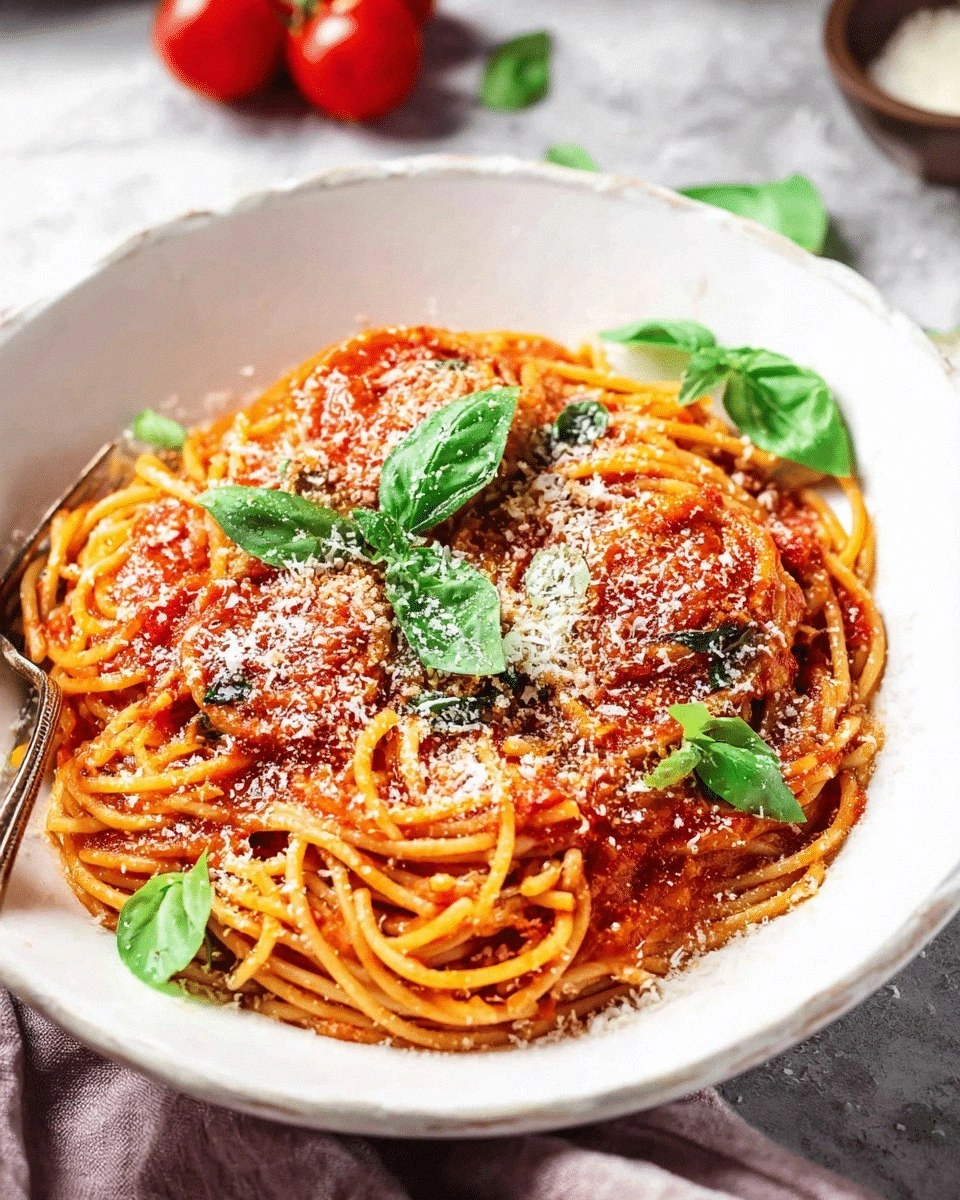
The Method — Step by Step
- Bring a large pot of salted water to a rolling boil. Toss in the spaghetti and cook according to package instructions until al dente—about 9 minutes. Drain, reserving a cup of pasta water, then set aside.
- While the pasta cooks, heat 2 tablespoons of olive oil in a large skillet over medium heat. Add the minced garlic and diced onion; sauté until the onion is translucent and the garlic is fragrant—roughly 4 minutes. The aroma should hint at the upcoming sauce.
- Add the crushed tomatoes and 1/2 cup of tomato sauce to the skillet. Stir to combine, then pour in the splash of white wine. Let the mixture simmer, uncovered, for 10 minutes, allowing the tomatoes to thicken and the flavors to meld.
- Stir in 1 teaspoon each of dried oregano and basil, 1/2 teaspoon of red pepper flakes, and a pinch of salt and pepper. The sauce should smell toasty, with the herbs releasing their oils. Reduce heat to low.
- Let the sauce simmer gently for an additional 15 minutes, stirring occasionally. If it thickens too much, add a splash of reserved pasta water to reach your desired consistency. This is the moment of truth—taste and adjust seasoning.
- Add the cooked spaghetti to the sauce, tossing to coat each strand evenly. If the sauce feels too thick, add a bit more pasta water until it coats the noodles without becoming soupy.
- Remove the skillet from heat. Stir in 1 tablespoon of fresh basil and a drizzle of olive oil. The basil should wilt slightly, releasing its fragrance.
- Serve immediately, topped with grated parmesan. Plate the pasta in a shallow bowl, garnish with extra basil if desired, and enjoy the first bite that will make your taste buds sing.
That’s it— you did it. But hold on, I’ve got a few more tricks that will take this to another level.
Insider Tricks for Flawless Results
The Temperature Rule Nobody Follows
Many cooks think simmering at a high heat is fine, but that can scorch the sauce. Keep the heat low to allow the tomatoes to break down slowly, releasing sugars without burning. If you’re in a hurry, you can increase the heat briefly after adding the tomatoes, but bring it back down immediately to avoid bitterness.
Why Your Nose Knows Best
Trust your nose. As the sauce simmers, the aroma will shift from raw tomatoes to caramelized sweetness. If it smells burnt or metallic, it’s time to lower the heat or stir more vigorously. A well‑seasoned sauce will have a faintly sweet, herbaceous scent that signals perfection.
The 5-Minute Rest That Changes Everything
After you’ve tossed the pasta into the sauce, let it rest for 5 minutes off the heat. This rest period allows the noodles to absorb the sauce’s flavors and the sauce to thicken slightly, creating a harmonious coating that doesn’t cling too heavily.
The Secret Ingredient Swap
If you’re craving a smoky edge, add a pinch of smoked paprika to the sauce. It gives a subtle depth that complements the tomatoes. Alternatively, a splash of balsamic vinegar can replace the wine for a sweeter finish.
The Final Finish
Just before serving, drizzle a small amount of high‑quality extra‑virgin olive oil. The oil’s fruity notes enhance the sauce’s brightness and give the dish a glossy sheen that looks as good as it tastes.
Creative Twists and Variations
This recipe is a playground. Here are some of my favorite ways to switch things up:
The Meat Lover’s Marinara
Add 1 pound of ground beef or Italian sausage, browned before adding the tomatoes. The meat’s fat enriches the sauce, and the savory flavor makes it a hearty family dinner.
The Veggie Boost
Sauté sliced mushrooms, bell peppers, and zucchini with the garlic and onion. The veggies add texture and make the dish more wholesome.
The Creamy Twist
Stir in 1/4 cup of heavy cream or coconut milk at the end for a silky, indulgent sauce that pairs wonderfully with fettuccine.
The Spicy Explosion
Increase the red pepper flakes to 1 teaspoon, or add a dash of crushed red pepper. The heat will dance on the palate, making the dish exciting.
The Pesto Fusion
Swap half the tomato sauce with homemade basil pesto. The result is a dual‑flavor sauce that’s both bright and rich.
Storing and Bringing It Back to Life
Fridge Storage
Store the sauce in an airtight container in the refrigerator for up to five days. Before reheating, give it a good stir and add a splash of water if it’s thickened.
Freezer Friendly
Freeze the sauce in portioned containers for up to three months. Thaw overnight in the fridge and reheat on the stove with a splash of water. The sauce will return to its original texture.
Best Reheating Method
Reheat gently over low heat, stirring frequently. Add a teaspoon of olive oil or a splash of water to restore moisture and prevent the sauce from drying out. Serve with freshly boiled pasta for the best experience.