I was in the middle of a brunch frenzy, juggling eggs, milk, and a stack of stale bread when a friend dared me to turn that disaster into something spectacular. I pulled out the sourdough loaf that had been sitting in the fridge like a forgotten relic, and I thought, why not give it a second life? The idea of a French toast casserole had always sounded good, but this version—rich, custardy, with a crunchy top—felt like a culinary revelation. The aroma that started to fill the kitchen was a heady mix of vanilla, cinnamon, and warm bread, and I could already taste the caramelized edges. If you've ever been tempted to toss stale bread, this is the moment to reconsider. Let me walk you through every single step—by the end, you'll wonder how you ever made it any other way.
Picture this: a loaf of sourdough that has gone from crunchy to a little dry, now being transformed into a custard‑soaked masterpiece that rises like a golden sponge. The first step is to tear the bread into bite‑size pieces, letting each fragment soak up the egg mixture like a sponge in a bath. The resulting texture is a delightful contrast—soft, custardy inside, with a crisp, caramelized crust that shatters like thin ice when you bite into it. I swear, that sizzle when the casserole hits the oven is absolute perfection, and the smell alone can make your mouth water. It’s the kind of aroma that makes you pause, breathe, and feel like you’re in a cozy, sunlit kitchen. And if you’re wondering whether this is just another brunch dish, trust me—it’s a game‑changer.
What makes this version stand out is the deliberate layering of flavors and textures that most recipes either ignore or mishandle. The sourdough’s tang cuts through the sweetness of the custard, creating a balanced bite that feels both comforting and adventurous. I dare you to taste this and not go back for seconds because the finish is silky, the edges are perfectly crisp, and the middle is a creamy dream. Most recipes get this completely wrong by using only milk or by not letting the bread soak long enough, resulting in a dry center. Here, we use a blend of whole milk and heavy cream to ensure every bite is luxurious. Picture yourself pulling this out of the oven, the whole kitchen smelling incredible, and knowing you just made the best version you’ll ever have at home.
I’ll be honest—I ate half the batch before anyone else got to try it, and that’s a confession you’ll laugh at later. The secret to that first bite was the extra pinch of cinnamon and a splash of vanilla that turned the custard into a fragrant, almost aromatic syrup. If you’ve ever struggled with a French toast that turns out soggy or under‑seasoned, you’re not alone—and I’ve got the fix. The trick is to let the bread soak for just enough time to absorb the custard, but not so long that it turns mushy. The result? A casserole that’s both indulgent and forgiving, with a crust that’s crisp enough to satisfy even the most discerning palate. And now the fun part—let’s dive into the ingredients that make this dish sing.
What Makes This Version Stand Out
- Flavor Fusion: The tang of sourdough meets the sweetness of vanilla and maple, creating a complex profile that lingers on the palate.
- Texture Contrast: The custard‑soaked bread swells into a tender center while the top crisps to a golden caramelized finish.
- Ingredient Synergy: Heavy cream and whole milk combine to give depth and richness without overpowering the bread’s natural bite.
- Ease of Prep: No elaborate marinades or overnight soaking—just tear, soak, bake, and serve in under an hour.
- Make‑Ahead Friendly: Assemble the casserole the night before, refrigerate, then bake in the morning for a hands‑off breakfast.
- Crowd‑Pleaser Factor: Whether you’re feeding a family or a brunch crowd, this dish scales up or down effortlessly.
- Visual Appeal: The golden crust glistens like a sunrise, making it Instagram‑worthy even before the first bite.
Inside the Ingredient List
The Flavor Base
Sourdough bread is the backbone of this casserole. Its natural acidity balances the sweetness of the custard and adds a chewy, chewy texture that holds up through baking. Eggs bring richness and structure, while whole milk and heavy cream create a silky custard that coats each crumb. Sugar sweetens the mixture, but a pinch of brown sugar can deepen the caramel notes. Vanilla extract injects a warm, aromatic sweetness that elevates the entire dish. Ground cinnamon adds a spicy warmth that lingers on the tongue, and a pinch of salt sharpens all the flavors. If you skip any of these, the casserole will feel flat or overly sweet.
The Texture Crew
The combination of eggs, milk, and heavy cream is what turns simple bread into a custard‑filled delight. Eggs provide the protein that sets the custard, while milk adds moisture and a silky mouthfeel. Heavy cream boosts the richness, giving the casserole a luxurious mouthfeel that feels indulgent without being greasy. If you’re watching calories, swap heavy cream for half‑and‑half or a lower‑fat milk, but be prepared for a slightly lighter texture. These ingredients work together like a well‑coordinated orchestra, each playing its part to create a harmonious bite.
The Final Flourish
Maple syrup is the finishing touch that turns this casserole into a breakfast masterpiece. Drizzled over the hot custard, it caramelizes slightly, creating a glossy, sweet glaze that complements the cinnamon and vanilla. You can also add a splash of orange zest or a pinch of nutmeg to the custard for an extra layer of flavor. The maple syrup also helps keep the top moist, preventing it from drying out during the final minutes of baking. If you prefer a different sweetener, honey or agave syrup work well, though they will alter the flavor profile slightly.
Everything's prepped? Good. Let's get into the real action.
The Method — Step by Step
- Preheat your oven to 350°F (175°C). Lightly grease a 9×13‑inch baking dish with butter or non‑stick spray. The gentle heat will create a crisp top while keeping the interior moist.
- Tear the sourdough loaf into bite‑size pieces and spread them in an even layer in the prepared dish. The torn pieces should be about 1‑2 inches wide so they soak evenly.
- In a large mixing bowl, whisk together 4 large eggs, 2 cups whole milk, 1 cup heavy cream, 3 tablespoons sugar, 2 teaspoons vanilla extract, 1 teaspoon ground cinnamon, and a pinch of salt until the mixture is smooth and glossy. This custard will coat each crumb and create the luscious interior.
- Pour the custard over the bread, ensuring every piece is soaked. Gently press down with a spatula so the bread absorbs the liquid. Let the mixture rest for 10 minutes; this allows the crumbs to soften and the custard to thicken slightly.
- Spread the soaked bread evenly in the dish, then sprinkle an extra 1/2 teaspoon of ground cinnamon on top for a subtle crunch and extra flavor. The cinnamon will caramelize as it bakes, adding a fragrant aroma.
- Bake in the preheated oven for 30 minutes, or until the edges are set and the top is golden brown. The custard should be firm but still slightly jiggly in the center.
- Let the casserole rest for 10 minutes after removing it from the oven. This resting period allows the custard to set fully, making slicing easier and preventing a mushy texture.
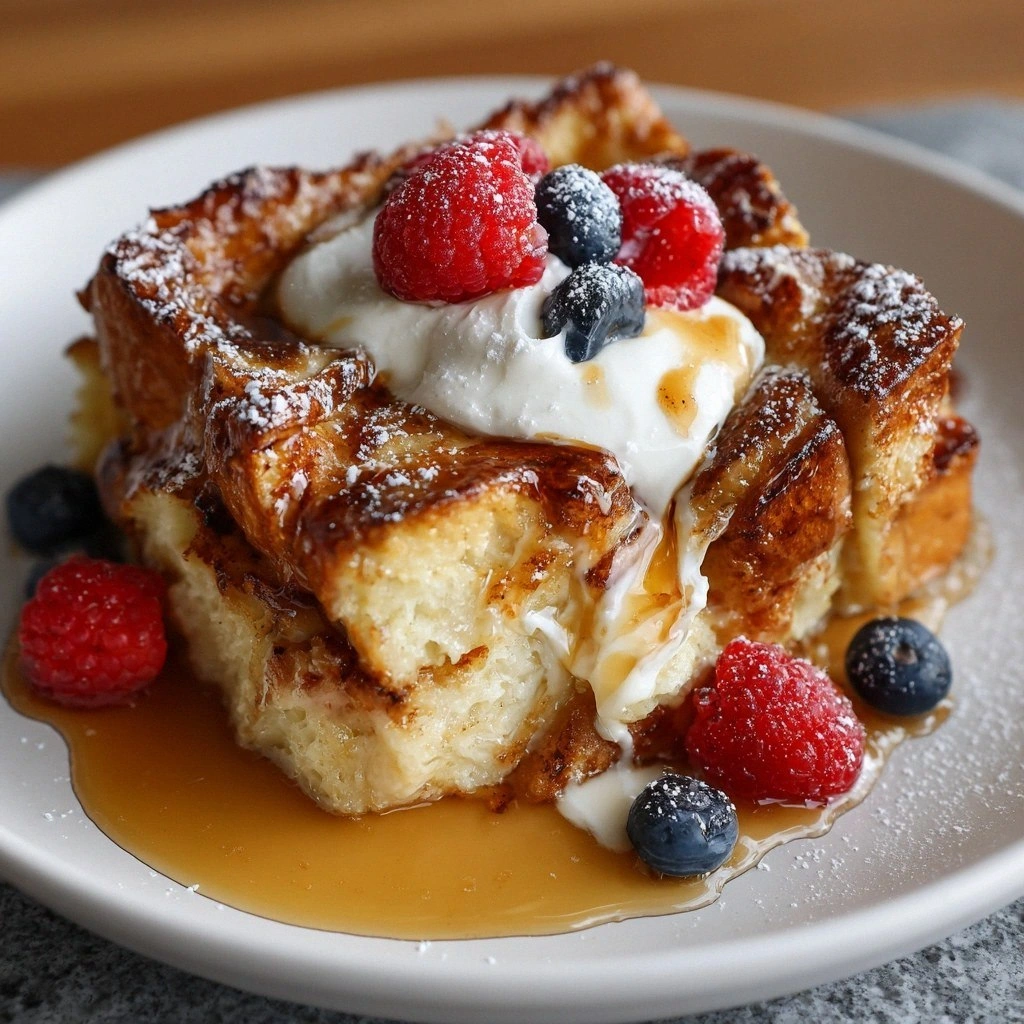
- Drizzle 1 cup of maple syrup over the hot casserole just before serving. The syrup will caramelize slightly, creating a glossy finish that ties all the flavors together.
- Serve warm, optionally topping with whipped cream, fresh berries, or a dusting of powdered sugar. Each bite will deliver a burst of caramelized sweetness, a hint of spice, and a comforting custard core.
That's it — you did it. But hold on, I've got a few more tricks that'll take this to another level.
Insider Tricks for Flawless Results
The Temperature Rule Nobody Follows
Many people bake at a high heat, thinking it will crisp the top faster. In reality, a steady 350°F allows the custard to set evenly while the bread browns without burning. If you’re using a convection oven, lower the temperature by 25°F to avoid over‑browning.
Why Your Nose Knows Best
During baking, keep an eye on the scent. When the aroma shifts from sweet to caramelized, that’s the moment to pull the casserole out. The smell is a reliable indicator that the custard is set and the crust is golden.
The 5-Minute Rest That Changes Everything
Resting the casserole after baking lets the custard finish setting. It also allows the flavors to meld, resulting in a more cohesive bite. If you’re in a rush, skip this step, but the texture will feel a bit loose.
Mixing Cream and Milk for Texture
Using a 50/50 mix of whole milk and heavy cream creates the perfect balance of richness and lightness. Too much cream makes it heavy; too much milk makes it watery. Adjust based on your preference, but the ratio above is the sweet spot.
Using a Dutch Oven for Even Heat
A cast‑iron Dutch oven distributes heat evenly, preventing hot spots that can scorch the custard. If you don’t have one, a heavy‑bottomed baking dish will do the trick.
Adding a Splash of Orange Zest
A teaspoon of finely grated orange zest in the custard adds a bright citrus note that cuts through the richness. It also pairs wonderfully with the maple syrup, creating a layered flavor profile.
Creative Twists and Variations
This recipe is a playground. Here are some of my favorite ways to switch things up:
Berry Bonanza
Add a cup of fresh strawberries, blueberries, or raspberries to the custard mixture before baking. The berries will release juices that mingle with the maple glaze, creating a fruity, colorful casserole.
Nutty Crunch
Stir in a cup of toasted pecans or walnuts into the custard. The nuts add texture and a buttery flavor that pairs beautifully with the cinnamon.
Coconut Cream
Replace half of the heavy cream with coconut milk for a tropical twist. The subtle coconut flavor complements the maple syrup and gives the casserole a silky finish.
Savory Spin
Swap the sugar for 1 tablespoon of grated Parmesan and add a handful of chopped fresh herbs like thyme or rosemary. Serve with a side of sautéed spinach for a brunch that feels both hearty and sophisticated.
Chocolate Drizzle
Drizzle melted dark chocolate over the top after baking for a decadent finish. The chocolate’s bitterness balances the sweetness, creating a complex flavor profile.
Apple Cinnamon
Fold diced apples into the custard before baking, and add an extra ½ teaspoon of ground cinnamon. The apples soften and caramelize, giving the casserole a warm, autumnal feel.
Storing and Bringing It Back to Life
Fridge Storage
Store leftovers in an airtight container in the refrigerator for up to 3 days. When ready to eat, reheat in a 350°F oven for 10 minutes, or microwave on medium for 2 minutes. The custard will stay moist, and the bread will retain its texture.
Freezer Friendly
Assemble the casserole before baking, cover tightly with plastic wrap and foil, and freeze for up to 2 months. When you’re ready, bake directly from frozen at 350°F for 35 minutes, then let rest 10 minutes before serving.
Best Reheating Method
The secret to reheating is adding a splash of water to the dish before placing it in the oven. This creates steam that keeps the custard moist and prevents the top from drying out. Reheat at 350°F for 10 minutes, then drizzle fresh maple syrup for that final touch.