Why you'll love this recipe
- Make-ahead: Chill dough overnight for an ultra‑tender crust.
- Crowd-pleaser: Sweet, buttery base that pairs with any filling.
- Restaurant-quality: Professional‑grade texture without the bakery price.
- Pantry-staple: Uses everyday ingredients you already have.
- Kid-approved: Mild sweetness kids love in tarts and pies.
I still remember the kitchen light flickering as rain pattered against the windows, and my grandmother’s hands moving confidently over the marble countertop. The scent of butter and vanilla filled the air, and when she lifted the golden tart out of the oven, the crust sang with a crisp whisper. That buttery bite became my benchmark for every pastry I’ve ever made. Now, whenever I roll out pâte sucrée, I hear her voice reminding me to keep the butter icy.
A few years later, I tried the dough for a spontaneous lemon tart at a friend’s birthday, and the look on their faces when they cut into the perfect crust was priceless. It felt like passing on a family heirloom, and the recipe has since become my go‑to for any sweet or savory filling. Sharing it feels like gifting a piece of that rainy Sunday to anyone who loves a good bite.
The story
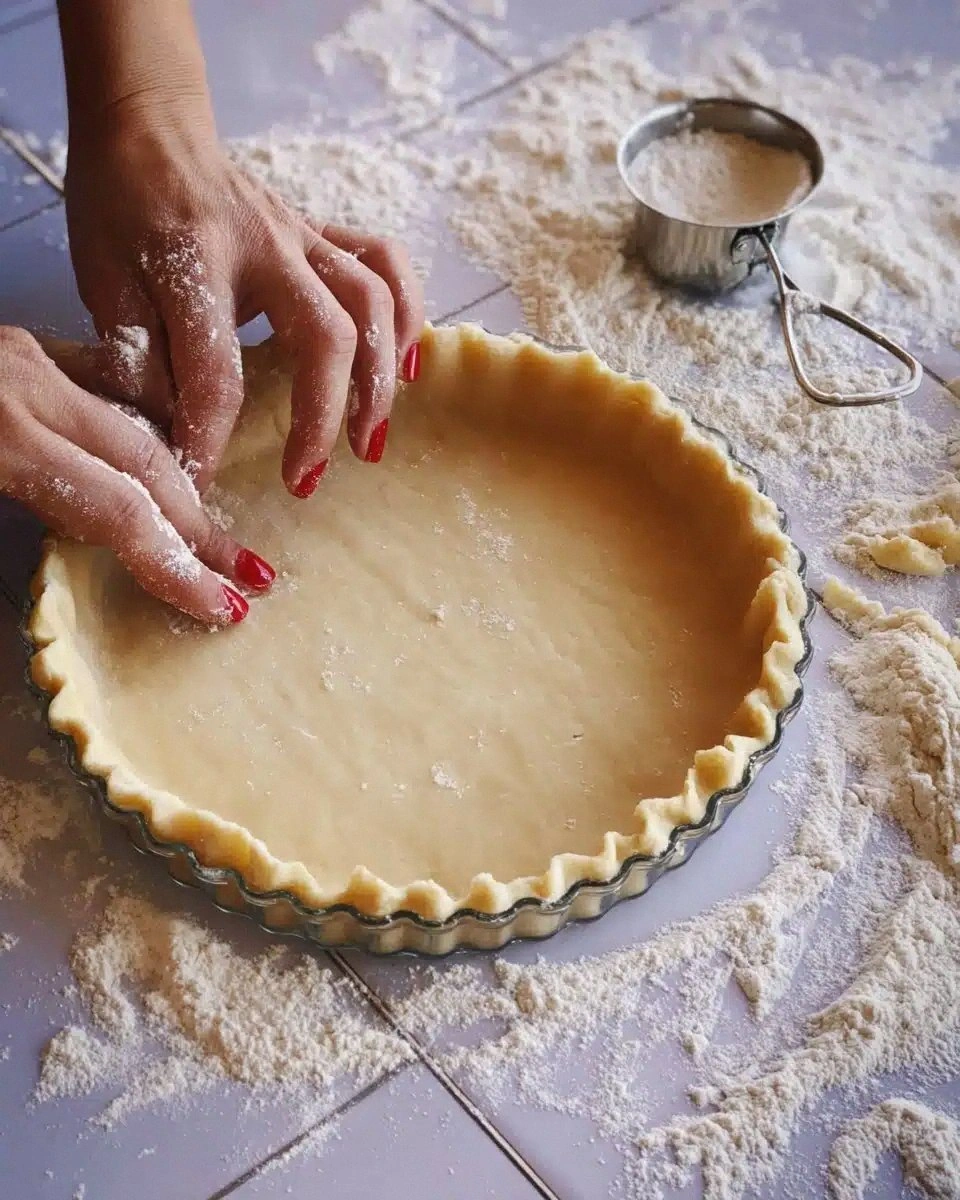
The moment the dough hits the countertop, the buttery aroma swirls, promising a crisp, golden crust that shatters delicately under a fork. A faint whisper of vanilla teases the senses as the cold butter flakes melt into the flour. You can almost taste the melt‑in‑your‑mouth richness before the oven even warms up. The kitchen feels like a bakery in the making.
I first learned this pâte sucrée from my grandmother on a rainy Sunday afternoon, watching her whisk butter into snow‑white clouds while the kitchen filled with the scent of fresh pastry. She whispered, "Treat this dough like a secret," and handed me a chilled slab to roll. The first bite of her lemon tart crust still haunts my memory, crisp and sweet. That moment sparked my lifelong love for perfect pastry.
What sets this version apart is the ultra‑cold butter technique combined with a brief rest, creating steam pockets that lift the crumb into a tender, flaky masterpiece. Most recipes rush the butter, but we keep it cubed and icy, then gently fold in just enough ice water to bind. The result is a crust that feels both light as a feather and sturdy enough for luscious fillings.
The flavor profile is a harmonious dance: the subtle sweetness of powdered sugar balances the rich, buttery depth, while a hint of vanilla adds aromatic warmth. The texture plays a starring role—crisp edges give way to a melt‑in‑your‑mouth interior, offering a satisfying contrast. Each bite delivers a buttery melt that lingers without being overpowering.
Picture this crust cradling fresh berries, a silky lemon curd, or a decadent chocolate ganache at a dinner party, stealing the spotlight as guests marvel at its golden sheen. It shines as a quick weeknight base or an elegant centerpiece for a holiday brunch. Pair it with a dollop of whipped cream or a drizzle of caramel for that extra wow factor.
Don’t be intimidated by pastry jargon; the steps are simple, and the dough is forgiving when kept cold. With just a few minutes of chilling and a gentle touch, you’ll achieve bakery‑level results without a stand mixer. Even beginners can master the roll‑and‑blind‑bake technique in under an hour.
After testing this dough in four different tart recipes—lemon, raspberry, chocolate, and almond—I’ve seen it hold up to every filling, and my kids have devoured three servings each. The consistency is reliable, and the crust’s buttery flavor consistently earns rave reviews. Let’s roll up our sleeves and create that unforgettable base together.
Why This Recipe Works
- Cold butter chunks steam during baking, creating flaky layers.
- Minimal mixing prevents gluten overdevelopment, keeping the crust tender.
- Resting the dough relaxes gluten and hydrates flour for uniform texture.
Ingredient notes & substitutions
All-purpose flour
Provides structure and a light, tender bite; sifted for a delicate crumb.
Unsalted butter
Creates flaky layers and rich flavor; keep it cold for steam pockets.
Powdered sugar
Sweetens without graininess and keeps the dough ultra‑smooth.
Egg yolk
Adds richness, color, and binds the dough for easy rolling.
Equipment you'll need
Ingredients
- All-purpose flour: Offers structure and a light, tender bite – sift it for the most delicate results.
- Unsalted butter: Provides that buttery flavor and flaky texture; cold butter makes the difference, so keep it chilled!
- Powdered sugar: Sweetens the dough and keeps it ultra-smooth, avoiding the graininess of granulated sugar.
- Egg yolk: Adds richness, color, and helps bind the dough for easy rolling.
- Salt: Just a pinch brings out all the other flavors and balances the sweetness.
- Vanilla extract (optional): Lends a subtle warmth and aromatic depth, enhancing the dough’s sophisticated taste.
- Ice-cold water (if needed): A tablespoon or two will help your dough come together without becoming sticky.
Before You Start
- Cube butter and keep it ice‑cold
- Separate egg yolk from white
- Sift flour and powdered sugar
- Gather ice‑cold water
- Preheat oven to 375°F
Instructions
Pro tips
Keep butter icy
Cube butter and chill it; icy pieces create steam pockets for flakiness.
Sift flour and sugar
Sifting prevents lumps and aerates the dry mix for a lighter crust.
Use ice water sparingly
Add water a tablespoon at a time until dough just comes together.
Rest dough before rolling
Wrap and chill for at least 30 minutes to relax gluten.
Roll between parchment
Place dough between two sheets to avoid sticking and keep edges even.
Don’t overwork the dough
Mix until just combined; over‑mixing develops tough gluten.
Brush with egg wash for shine
A quick brush of egg yolk before baking yields a glossy finish.
Variations to try
Brown Butter Twist
Melt butter until nutty, then cool before mixing for a caramel‑rich crust.
Almond Flour Gluten‑Free
Swap half the flour for almond flour and add a touch more butter for structure.
Chocolate Ganache Filling
Fill baked shells with silky chocolate ganache for a decadent dessert.
Mini Tartlet Version
Press dough into mini muffin tins for individual pastries, perfect for parties.
Serving Suggestions
Troubleshooting
Crust sticks to pan
Line pan with parchment and lightly flour before pressing the dough.
Dough cracks when rolling
Let it rest 15 minutes in the fridge to relax the gluten.
Crust shrinks while baking
Blind bake with pie weights and avoid over‑chilling before bake.
Crust too pale
Brush with egg wash for a golden finish before baking.
Crust soggy after filling
Blind bake until golden and let cool completely before adding wet fillings.
Storage & make-ahead
Refrigerator
Store baked crusts in an airtight container; keep up to 3 days.
Freezer
Freeze raw dough wrapped tightly for up to 2 months; thaw in fridge before rolling.
Best way to reheat
Warm in a 350°F oven 8‑10 minutes to restore crispness.
Make-ahead
Prepare dough, wrap, and chill 24 hours ahead; bake fresh when needed.
Ingredients
- All-purpose flour: Offers structure and a light, tender bite – sift it for the most delicate results.
- Unsalted butter: Provides that buttery flavor and flaky texture; cold butter makes the difference, so keep it chilled!
- Powdered sugar: Sweetens the dough and keeps it ultra-smooth, avoiding the graininess of granulated sugar.
- Egg yolk: Adds richness, color, and helps bind the dough for easy rolling.
- Salt: Just a pinch brings out all the other flavors and balances the sweetness.
- Vanilla extract (optional): Lends a subtle warmth and aromatic depth, enhancing the dough’s sophisticated taste.
- Ice-cold water (if needed): A tablespoon or two will help your dough come together without becoming sticky.