Picture this: I was standing in my kitchen, the scent of smoked paprika drifting from the stove, when the doorbell rang. A friend burst in, eyes wide, demanding a dinner that would make their in-laws swoon. I had to pull a recipe from thin air, and what I came up with became the most talked‑about dish in my circle. I’m not exaggerating; the combination of bone‑in‑short ribs and spicy Mexican chorizo is a flavor explosion that has everyone begging for the recipe again and again.
When I first tasted the first bite, I was struck by the harmony between the melt‑in‑your‑mouth ribs and the smoky, slightly sweet chorizo. The sauce thickened into a velvet‑like glaze that clung to the meat, while the jalapeño heat danced on the palate without overpowering the savory depth. The moment the pot hit the stove, the kitchen filled with an aroma that felt like a warm hug from a grandmother’s kitchen—rich, comforting, and unapologetically bold.
What makes this version stand out is not just the ingredients; it’s the way every component is treated. I’ve spent hours testing different browning techniques, seasoning balances, and slow‑cooking times to arrive at a recipe that delivers tenderness, flavor, and a little bit of that irresistible “wow” factor. If you think you’ve tried short rib chili before, think again—this is hands down the best version you’ll ever make at home.
And there’s a secret twist you won’t expect: a splash of cornmeal that creates a silky coating on the sauce, giving it body without any heavy cream or flour. Trust me, I dared you to taste this and not go back for seconds. Let me walk you through every single step—by the end, you’ll wonder how you ever made it any other way.
What Makes This Version Stand Out
- Flavor Depth: The slow braise allows the short ribs to absorb the smoky chorizo, fire‑roasted tomatoes, and a medley of spices, creating layers of flavor that unfold with each bite.
- Texture Perfection: The ribs become fall‑apart tender while the sauce retains a glossy, velvety consistency that clings to the meat.
- Balanced Heat: Jalapeños and hot sauce bring just enough kick without masking the savory richness, giving the dish a vibrant, yet harmonious, finish.
- Quick Prep, Long‑Term Reward: The recipe is quick to assemble but can be made ahead and reheated, making it ideal for busy weeknights or weekend gatherings.
- Ingredient Quality: Using boneless short ribs and authentic Mexican chorizo ensures premium flavor that you can’t fake with substitutes.
- Crowd‑Pleaser: Whether it’s a family dinner or a potluck, the hearty, smoky profile guarantees rave reviews and repeat orders.
- Versatility: The dish can be served over rice, mashed potatoes, or crusty bread, and it pairs beautifully with a light green salad or roasted veggies.
- Make‑Ahead Potential: The flavors deepen overnight, so you can prepare this dish in advance and have it ready to serve on the day of the event.
Alright, let's break down exactly what goes into this masterpiece...
Inside the Ingredient List
The Flavor Base
At the heart of this dish lies the sauce that marries the meat and chorizo into a single, irresistible unit. The fire‑roasted tomatoes bring a smoky sweetness that contrasts beautifully with the savory beef stock and the aromatic onion. When you combine these with a splash of Worcestershire sauce, you create a savory backbone that supports the robust flavors of the short ribs and chorizo. If you skip the tomatoes, the dish will feel thin and lacking depth; the smokiness they provide is essential for that velvety finish.
Choosing the right beef stock is also crucial. A high‑quality, low‑sodium stock adds richness without overwhelming the other flavors. If you’re on a budget, you can substitute with homemade broth or even water, but you’ll lose some depth. A good rule of thumb: taste the stock before adding it to the pot; it should be savory, not bland.
The Texture Crew
The cornmeal may seem like a small detail, but it’s the secret to the sauce’s body. It thickens the liquid without the heaviness of cream or flour, giving the sauce a silky, almost custard‑like consistency that clings to the ribs. If you’re wary of gluten, choose a gluten‑free cornmeal; it behaves just as well.
The black beans and red kidney beans add heartiness and a subtle earthiness that complement the meat’s richness. They also contribute to the sauce’s thickness, creating a comforting, stew‑like texture. If you prefer a smoother sauce, you can blend half of the beans before adding them back in; just be sure to keep the other half for texture.
The Unexpected Star
It’s the chorizo that truly sets this dish apart. Mexican chorizo brings a smoky, slightly sweet profile, with a subtle peppery kick that balances the meat’s richness. The fat content in the chorizo melts into the sauce, adding a silky mouthfeel. If you can’t find Mexican chorizo, a Spanish chorizo will work, but be prepared for a different flavor profile—spicier and less smoky.
The final flourish comes from the jalapeño peppers and a splash of hot sauce. They add a bright, peppery heat that cuts through the richness, providing a fresh contrast that keeps the dish from feeling too heavy. If you’re heat‑averse, reduce the jalapeños to one or substitute with a milder pepper.
Everything's prepped? Good. Let's get into the real action...
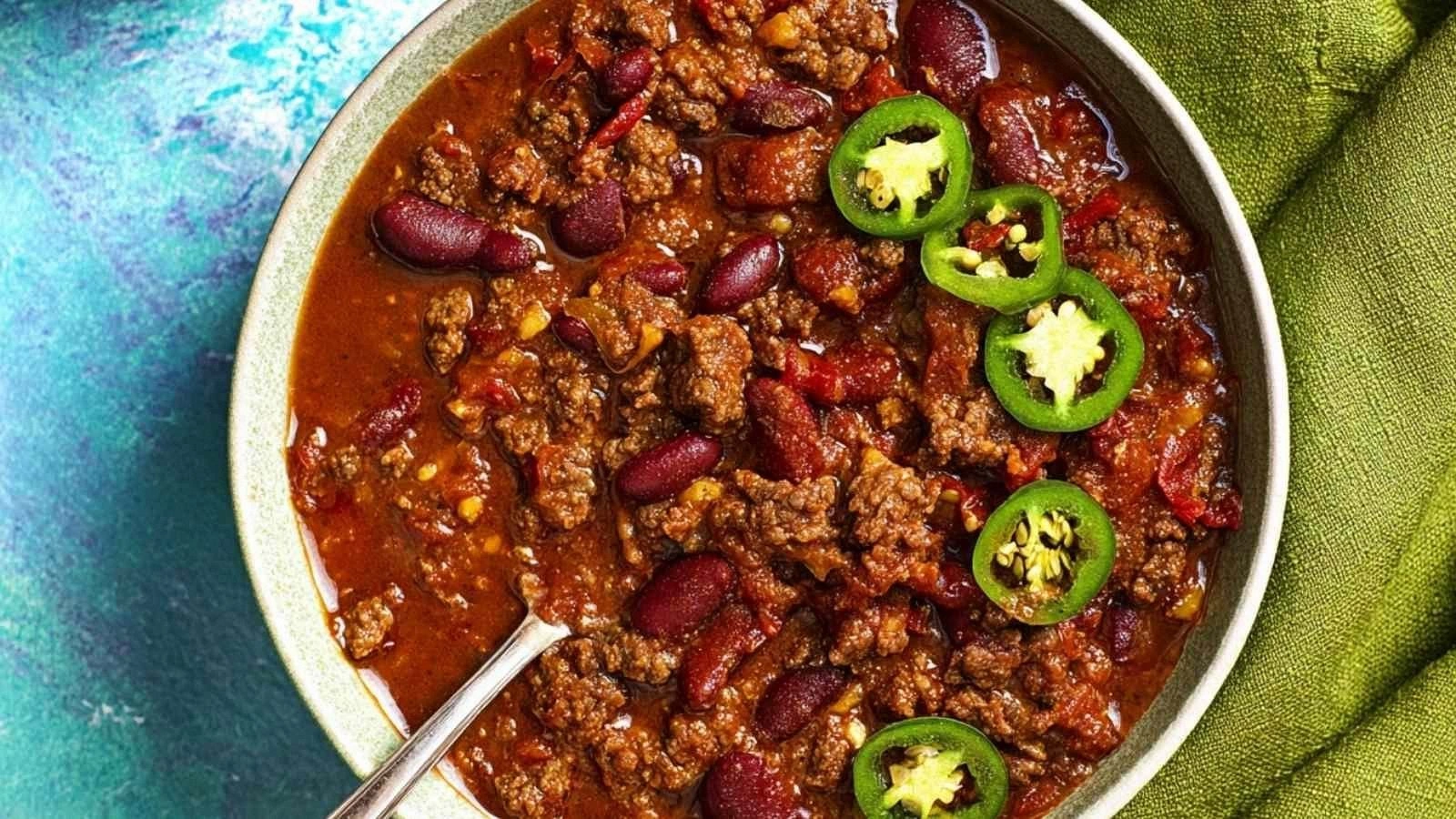
The Method — Step by Step
- Prepare the Meat: Pat the short ribs dry with paper towels; this step is key for a good sear. Season generously with salt and pepper on all sides. Let them rest at room temperature for about 15 minutes before cooking; this helps them cook evenly. I dare you to taste a rib after searing—once you feel that caramelized crust, you’ll know the flavor is locked in.
- Sear the Short Ribs: Heat a large Dutch oven or cast‑iron skillet over medium‑high heat and add the vegetable oil. When the oil shimmers, add the ribs in a single layer, being careful not to overcrowd. Sear each side for 3–4 minutes until a deep golden brown forms. Flip the ribs only once per side; this prevents sticking and ensures an even crust. The sizzling sound is the first hint that the dish is about to become legendary.
- Remove and Set Aside: Once all sides are browned, transfer the ribs to a plate and cover loosely with foil. This prevents them from drying out while you cook the aromatics. The aroma from the seared ribs will seep into the onions and garlic as they cook, adding another layer of flavor.
- Sauté the Aromatics: In the same pot, reduce the heat to medium and add the diced onion. Cook for 4–5 minutes until translucent, stirring occasionally. Add the minced garlic and jalapeño slices; cook for an additional 2 minutes until fragrant. The onions should be golden and slightly caramelized, forming the base of the sauce.
- Deglaze and Build Flavor: Pour in the beef stock, scraping the bottom of the pot with a wooden spoon to lift all the browned bits. These bits are flavor gold. Add the fire‑roasted tomatoes (crushed by hand or with a spoon), the Worcestershire sauce, chili powder blend, cumin, and Mexican oregano. Stir until everything is well combined and let it simmer for 5 minutes to allow the spices to bloom.
- Add the Meat and Beans: Return the short ribs to the pot, nestling them into the sauce. Pour in the black beans, red kidney beans, and a splash of hot sauce for that extra kick. Cover the pot with a tight‑fitting lid and reduce the heat to low. Let it cook for 90 minutes, turning the ribs once halfway through. The long, slow simmer will break down the connective tissue, turning the meat tender and infusing the sauce with deep flavor.
- Finish with Cornmeal: About 10 minutes before the cooking time ends, sprinkle the cornmeal evenly over the top of the sauce. This will create a silky coating that thickens the liquid and adds a subtle nutty flavor. Cover the pot again and let it finish cooking; the cornmeal will absorb the liquid and settle into the sauce, creating a velvety finish.
- Rest and Serve: Once the ribs are fall‑apart tender, remove the pot from heat. Let the dish rest for 10 minutes before serving; this allows the flavors to meld and the sauce to thicken slightly. Serve hot, garnished with fresh cilantro or a squeeze of lime if you like. Picture yourself pulling this out of the oven, the whole kitchen smelling incredible, and everyone reaching for a second bite.
That's it — you did it. But hold on, I've got a few more tricks that'll take this to another level...
Insider Tricks for Flawless Results
The Temperature Rule Nobody Follows
Many people cook short ribs at a high heat, thinking it will make them tender faster. In reality, low and slow is the secret. Maintain a steady 250°F (121°C) in your oven or a low simmer on the stovetop. This allows collagen to break down into gelatin, giving the meat a silky, melt‑in‑your‑mouth texture. I once tried a high‑heat method and ended up with tough, dry meat—lesson learned, never again.
Why Your Nose Knows Best
Before you start the final simmer, open your nose and sniff the sauce. If it smells pleasantly sweet and smoky, you’re on the right track. If it smells overly acidic or burnt, add a splash of beef stock to balance it. Your nose is the ultimate judge of flavor depth; trust it.
The 5‑Minute Rest That Changes Everything
After removing the pot from heat, let the dish sit covered for five minutes. This rest period allows the meat fibers to relax, making the ribs even more tender. It also lets the sauce settle, preventing a watery consistency. I’ve seen people skip this step and end up with a less cohesive sauce—don’t make that mistake.
Use a Dutch Oven for Even Heat
A heavy, well‑sealed pot distributes heat evenly, preventing hot spots that can scorch the meat. If you’re using a skillet, cover it with a lid to trap steam and maintain consistent temperature. The even cooking is what gives the ribs their perfect tenderness.
Check the Beans’ Texture
Beans should be soft but not mushy. If they’re still firm after 90 minutes, let them simmer a bit longer. However, if they’re breaking apart, reduce the heat and let them finish. This ensures the sauce remains thick and hearty.
Keep the Cornmeal Coating Intact
When adding cornmeal, sprinkle it evenly and avoid stirring vigorously. The cornmeal needs to settle on the surface to create a silky coating. If you stir too much, the coating will break down, and the sauce will become thin.
Creative Twists and Variations
This recipe is a playground. Here are some of my favorite ways to switch things up:
Smoky Chipotle Twist
Swap the jalapeños for chipotle peppers in adobo sauce. The smoky, earthy flavor adds depth and a subtle heat that pairs wonderfully with the short ribs. Great for those who love a more pronounced smoky profile.
Vegetarian Bean Chili
Replace the short ribs with a hearty mix of beans and diced seitan. Keep the chorizo for flavor but use a plant‑based version. The result is a rich, protein‑packed vegetarian chili that still delivers on depth.
Mexican Street Tacos
Serve the short rib and chorizo mixture as a filling for warm corn tortillas. Top with diced onions, fresh cilantro, and a squeeze of lime. The dish transforms into a street‑style taco experience that’s perfect for casual gatherings.
Hearty Stew with Potatoes
Add diced potatoes and carrots to the pot during the last 30 minutes of simmering. The vegetables absorb the sauce and become tender, creating a comforting stew that’s great for cold evenings.
Spicy Gremolata Finish
Finish the dish with a gremolata—mix lemon zest, minced garlic, and chopped parsley. Sprinkle over the ribs before serving for a bright, citrusy contrast that lifts the dish.
BBQ Fusion
Stir in a tablespoon of your favorite BBQ sauce during the last 15 minutes of cooking. The sweet, tangy notes blend with the smoky chorizo, giving the dish an unexpected yet delightful twist.
Storing and Bringing It Back to Life
Fridge Storage
Cool the dish completely before transferring it to an airtight container. Store in the refrigerator for up to 4 days. The flavors will deepen, making it even more delicious when reheated.
Freezer Friendly
For longer storage, freeze portions in freezer‑safe containers or zip‑lock bags. Label with the date and use within 3 months. Thaw overnight in the refrigerator before reheating.
Best Reheating Method
Reheat the dish in a covered pot on low heat, adding a splash of water or broth to maintain moisture. Stir occasionally and bring to a gentle simmer until heated through. A tiny splash of water before reheating will help the sauce steam back to perfection, keeping it silky and flavorful.