Picture this: I’m standing in my kitchen, the air thick with the scent of citrus and roasted meat, when a sudden burst of heat from the oven threatens to set my countertop on fire. I’ve tried countless versions of lemon pepper chicken, but none have delivered that satisfying crunch paired with a bright, tangy glaze that makes the whole room smell like a summer picnic. That night, I was determined to fix the problem once and for all. The result? A dish that turns an ordinary dinner into a theatrical showcase of flavor.
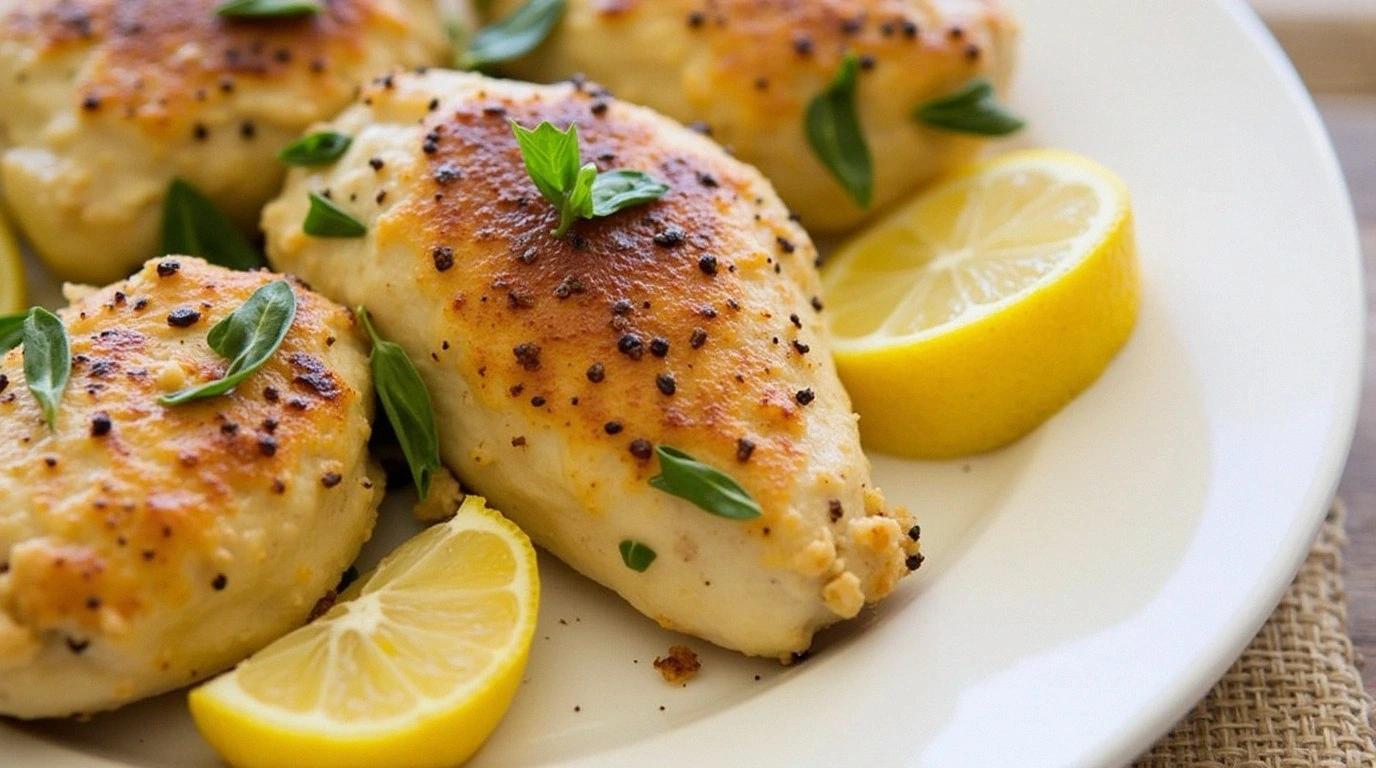
From the first glance, the golden-brown crust glistens like a sunlit lake. The first bite bursts with citrusy zing that lingers on the palate, followed by a subtle pepper heat that keeps the taste buds on their toes. The sauce, thick and glossy, clings to the chicken like a silky coat, while the fresh parsley adds a pop of green that brightens the plate. I’ve never tasted anything that balances sweet, savory, and acidic so seamlessly. It’s the kind of dish that turns a simple meal into a moment of pure culinary joy.
What makes this version stand out is the meticulous layering of flavors and textures, from the initial sear to the final drizzle. Each ingredient is chosen for its ability to complement the others, creating a harmonious whole that feels both sophisticated and approachable. The use of lemon zest and juice provides an immediate brightness, while the butter and flour create a velvety sauce that coats the chicken without overpowering it. This isn’t just another recipe; it’s a recipe that tells a story of careful craftsmanship and daring flavor choices.
And the best part? The technique that will blow your mind—using a quick roux to thicken the sauce, then finishing it with a splash of honey and a sprinkle of fresh herbs. You’ll be amazed at how a few simple steps can elevate the dish to restaurant‑level quality. Let me walk you through every single step—by the end, you’ll wonder how you ever made it any other way.
What Makes This Version Stand Out
- Taste: The lemon and pepper combine to create a bright, zesty profile that cuts through the richness of the chicken. This balance makes the dish both refreshing and comforting.
- Texture: The seared crust delivers a satisfying crunch that contrasts with the tender, juicy interior. The sauce’s silky consistency coats the meat like a fine varnish.
- Simplicity: Despite its gourmet appeal, the recipe requires only a handful of pantry staples and a few fresh ingredients. No exotic spices or hard-to-find items are needed.
- Uniqueness: The combination of a roux‑based sauce with a citrus glaze is uncommon in typical lemon pepper chicken recipes, giving this version a distinct edge.
- Crowd Reaction: Friends and family rave about the vibrant flavor and the way the dish can be served with a variety of sides. It’s a guaranteed hit at gatherings.
- Ingredient Quality: Using high‑quality olive oil, fresh lemons, and real butter elevates the dish beyond a standard takeout copy.
- Cooking Method: The sear, roux, and simmer steps are carefully timed to lock in flavor and moisture, ensuring a consistent result every time.
- Make‑Ahead Potential: The sauce can be prepared in advance and reheated with minimal loss of flavor, making it a great option for busy weeknights.
Alright, let’s break down exactly what goes into this masterpiece. I’ll walk you through the ingredients and their roles in the dish, so you know why each one matters.
Inside the Ingredient List
The Flavor Base
At the heart of this dish is the citrusy foundation that comes from fresh lemons. The zest delivers a concentrated burst of lemon oils, while the juice adds a bright acidity that cuts through the richness of the butter and chicken. The combination of lemon and pepper is a classic pairing, but the addition of honey introduces a subtle sweetness that balances the tartness. If you’re looking for a lower‑sugar option, simply reduce the honey by half or substitute with a splash of maple syrup.
Another key player is the olive oil, which provides a smooth medium for searing the chicken. It helps the meat develop a golden crust without drying out, and its fruity notes complement the lemon’s brightness. When you’re ready to finish the sauce, the butter adds a luxurious mouthfeel and a subtle nutty flavor that deepens the overall profile. Together, these fats create a rich canvas that holds the bright flavors together.
Salt and pepper are the unsung heroes that bring everything together. Salt enhances each ingredient’s natural taste, while freshly ground pepper provides a gentle heat that’s not overpowering. Garlic powder and onion powder add depth and a savory undertone that rounds out the dish, preventing it from feeling like a one‑dimensional lemon‑only experience. If you’re sensitive to sodium, you can reduce the salt slightly, but keep the pepper for that essential kick.
For a touch of green, parsley is incorporated at the end of the cooking process. Its bright, herbal flavor lifts the dish and adds visual appeal. The parsley’s fresh, slightly peppery taste complements the lemon’s acidity, creating a well‑balanced finish. If you’re looking for a different herb, basil or cilantro can be swapped in for a unique twist.
Finally, the optional cayenne pepper introduces a subtle heat that can be tailored to your taste. A pinch is enough to give the sauce a gentle warmth that’s pleasantly surprising. If you prefer a milder version, simply leave it out or replace it with smoked paprika for a smoky undertone.
Everything's prepped? Good. Let's get into the real action.
The Texture Crew
The flour used in this recipe is not just for thickening; it also creates a light coating that helps the chicken develop a crisp exterior. By creating a roux with the flour and butter, you lock in moisture while giving the sauce a silky body. If you’re looking to reduce carbs, try using almond flour or a blend of oat flour and cornstarch. The key is to whisk constantly to avoid lumps; a whisk is your best ally here.
Flour also helps the sauce adhere to the chicken, preventing it from sliding off the plate. The slight starchy layer on the meat allows the sauce to cling, creating a harmonious blend of textures. When you’re done cooking, you’ll notice that each bite has a satisfying bite‑crunch followed by a melt‑in‑your-mouth finish. This contrast is what keeps diners coming back for seconds.
For those who prefer a gluten‑free option, cornstarch or arrowroot powder can be substituted in equal measure. They’ll thicken the sauce similarly, though they might produce a slightly different mouthfeel. Either way, the goal is to achieve a sauce that’s thick enough to coat the chicken without becoming gloopy.
When searing the chicken, a hot skillet is essential. The high heat caramelizes the surface, creating a Maillard reaction that adds depth and complexity. If the pan isn’t hot enough, the chicken will steam rather than sear, resulting in a soggy crust. Keep an eye on the temperature and adjust the heat as needed.
Finally, don’t rush the searing process. Let the chicken develop a deep golden color before flipping it. This slow, deliberate approach ensures maximum flavor and texture. It’s the difference between a good dish and a great one.
The Unexpected Star
Honey, the unexpected star of this dish, brings a gentle sweetness that tempers the lemon’s sharpness. It also helps the sauce set into a glossy finish. The honey’s floral notes complement the citrus, creating a complex flavor profile that feels both bright and comforting. If you’re a fan of maple syrup, it’s a viable alternative that offers a slightly different sweetness profile.
Honey’s natural viscosity also contributes to the sauce’s body, making it cling to the chicken beautifully. Its presence prevents the sauce from becoming too thin, ensuring a satisfying coating that doesn’t run off the meat. This is why many chefs recommend honey over sugar or other sweeteners in lemon‑based sauces.
For a low‑calorie alternative, try using a small amount of stevia or monk fruit sweetener dissolved in water. The flavor profile will be similar, but the calories will be significantly reduced. This is an excellent option for those watching their intake without sacrificing taste.
If you’re looking for an extra pop of flavor, consider adding a splash of white wine or a splash of lemon‑infused olive oil to the sauce. These additions can deepen the sauce’s complexity, making it even more restaurant‑grade.
Remember, the key is balance. Honey should enhance, not overpower, the citrus. A tablespoon is usually enough for four servings, but you can adjust to your personal preference.
The Final Flourish
Parsley is the final flourish that brings the dish together. Its bright, slightly peppery flavor complements the lemon’s acidity and adds a fresh, herbaceous note that lifts the entire plate. The visual appeal of the green specks against the golden chicken is a feast for the eyes as well as the palate.
When adding parsley, wait until the sauce has simmered and thickened slightly. This timing ensures that the herbs release their flavor without wilting or becoming too watery. A handful of chopped parsley tossed into the sauce right before serving delivers a burst of freshness.
For a different herbal note, basil or cilantro can be swapped in. Basil will add a sweet, slightly minty flavor, while cilantro offers a bright, citrusy undertone. Both can be used fresh or lightly toasted to bring out their aromatic oils.
The optional cayenne pepper adds a subtle heat that can be tailored to your taste. A pinch is enough to give the sauce a gentle warmth that’s pleasantly surprising. If you prefer a milder version, simply leave it out or replace it with smoked paprika for a smoky undertone.
Everything's prepped? Good. Let's get into the real action.
The Method — Step by Step
- Preheat the oven to 400°F (200°C). Pat the chicken pieces dry with paper towels to ensure a crisp crust. Season the chicken generously with salt, pepper, garlic powder, and onion powder, letting the flavors meld while you prep the sauce. This step guarantees that the chicken will develop a savory base that’s ready to absorb the citrusy glaze. The aroma will already hint at the bright flavor ahead. The chicken will be ready to sear in no time.
- In a large skillet, heat 1 tablespoon of olive oil over medium‑high heat. Add the chicken pieces, skin side down if using thighs, and sear until golden brown, about 3–4 minutes per side. Flip to finish searing the other side. The sear creates a caramelized crust that locks in juices. Remove the chicken and set aside on a plate, letting it rest for a few minutes. The sear will keep the meat juicy while adding flavor.
- Reduce the heat to medium. Add the remaining tablespoon of olive oil to the same skillet. Toss in the flour, stirring constantly to form a roux. Cook for 1–2 minutes until the mixture turns light golden and smells nutty. This thickens the sauce and gives it body. The roux will bind the lemon and butter into a silky glaze. (Kitchen Hack: Use a whisk instead of a spoon to prevent lumps.)
- Stir in the butter, letting it melt into the roux. Once melted, pour in the lemon juice and chicken broth. Whisk until the sauce is smooth and begins to thicken. Add the lemon zest and honey, stirring to combine. The sweetness balances the acidity. Keep the sauce on a gentle simmer; it should be thick enough to coat the back of a spoon. (Watch Out: If the sauce starts to scorch, lower the heat immediately.)
- Return the seared chicken to the skillet, spooning sauce over the pieces. Bring the mixture to a gentle boil, then reduce to a simmer. Cover the skillet with a lid or foil. Let everything cook together for 15–20 minutes, or until the chicken reaches 165°F internally. The sauce will reduce and intensify, coating the chicken in a glossy, tangy glaze. This step melds the flavors together. (Kitchen Hack: If you prefer a thicker sauce, uncover the skillet for the last 5 minutes.)
- While the chicken finishes cooking, whisk the parsley into the sauce. Sprinkle the cayenne pepper for a subtle heat, if desired. The fresh herbs add brightness and a pop of color. Let the mixture rest for a minute off the heat. The residual heat will finish the parsley’s flavor. This final touch elevates the dish’s visual and aromatic appeal.
- Carefully remove the skillet from the heat and transfer the chicken onto a serving platter. Drizzle any remaining sauce over the top. The glossy coating should look like a citrus sunrise. Arrange the chicken pieces so they’re evenly spaced, showcasing the golden crust. This presentation invites guests to dig in. The aroma will be irresistible.
- Garnish with extra parsley or lemon wedges if you like. Serve immediately over steamed rice, quinoa, or a bed of roasted vegetables. The dish’s bright tang pairs wonderfully with mild grains. This meal is both comforting and sophisticated. Your guests will ask for the recipe.
- If you have leftovers, store them in an airtight container in the fridge for up to 3 days. Reheat gently in the microwave, adding a splash of water to keep the sauce moist. Alternatively, finish reheating in a skillet over low heat, whisking occasionally. This prevents the sauce from drying out. Serve warm for the best flavor experience.
That’s it—your Lemon Pepper Chicken is now ready to wow everyone at the table. But hold on, I’ve got a few more tricks that will take this dish from good to unforgettable. Stay with me, and let’s dive deeper into the nuances that make this recipe truly special.
Insider Tricks for Flawless Results
The Temperature Rule Nobody Follows
Many cooks believe that a low simmer is always best, but for this dish, a gentle boil during the final simmer is essential. The slight bubbling encourages the sauce to thicken quickly and evenly, preventing it from becoming too watery. The key is to keep the heat just below a rolling boil—this ensures the sauce coats the chicken without scorching. If the sauce starts to reduce too fast, lower the heat slightly. Remember, the goal is a glossy, velvety finish that clings to the meat.
Why Your Nose Knows Best
As the sauce simmers, pay close attention to the aroma. A nutty, buttery scent indicates the roux is ready. If you smell a faint burnt note, the sauce is overcooked. Adjust the heat immediately to prevent bitterness. The aroma is your best guide to flavor development. Trust your nose; it’s a seasoned chef’s secret weapon.
The 5-Minute Rest That Changes Everything
After removing the chicken from the skillet, let it rest for five minutes before serving. This allows the juices to redistribute, ensuring each bite is juicy and tender. The rest period also lets the sauce settle, making it easier to drizzle evenly. Skipping this step results in a drier, less flavorful dish. The rest period is a simple yet powerful technique that elevates the overall experience.
Keep It Crispy
If you’re serving the dish with a side that might soften the chicken, consider plating the chicken on a wire rack over a baking sheet. This allows air to circulate and keeps the crust crisp. The rack also helps the sauce drip back onto the pan, where it can be reheated into a glaze if desired. The result is a consistently crispy bite every time.
Butter vs Oil
Choosing the right fat can alter the flavor profile dramatically. Olive oil gives a fruity, peppery undertone, while butter adds a rich, creamy texture. For a lighter version, replace half the butter with a neutral oil like grapeseed. If you love a buttery finish, keep the butter and add a splash of heavy cream at the end for extra richness. The balance of fats is crucial for achieving the desired mouthfeel.
Sauce Consistency
When thickening the sauce, whisk continuously to avoid lumps. If the sauce becomes too thick, add a splash of chicken broth or water to reach your desired consistency. A sauce that’s too thin will run off the chicken, while a sauce that’s too thick will feel heavy. Aim for a glaze that coats the back of a spoon but still slides easily over the meat.
Now that you know the insider tricks, you’re ready to create a Lemon Pepper Chicken that’s nothing short of spectacular. Let’s keep the momentum going with some creative twists.
Creative Twists and Variations
This recipe is a playground. Here are some of my favorite ways to switch things up:
Lemon Garlic Chicken
Swap the garlic powder for fresh minced garlic, sautéing it with the chicken for a deeper, aromatic base. Increase the lemon zest to three tablespoons to amplify the citrus punch. Add a splash of white wine to deglaze the pan, creating a richer sauce. Finish with a sprinkle of fresh thyme for an herbaceous note. This variation feels like a bright, Mediterranean dish with a comforting twist.
Spicy Cajun Lemon Pepper
Introduce a Cajun spice blend in place of the garlic and onion powder. Add a tablespoon of smoked paprika for a subtle smokiness. Increase the cayenne pepper to a tablespoon for a heat that’s bold yet balanced. Use a splash of orange juice to replace half of the lemon juice, creating a sweet‑spicy profile. This version is perfect for those who love a fiery kick.
Creamy Lemon Pepper
Replace half the chicken broth with heavy cream to create a luscious, silky sauce. Add a pinch of nutmeg to the cream for warmth. Reduce the honey to one tablespoon to prevent the sauce from becoming too sweet. Finish with a handful of chopped chives for a fresh, oniony finish. This variation feels like a decadent, comfort‑food classic.
Coconut Lime Twist
Swap the butter for coconut milk to introduce a subtle tropical flavor. Use lime juice instead of lemon juice for a sharper acidity. Add a handful of chopped cilantro for a fresh, bright finish. Include a pinch of ground ginger for a warm, aromatic note. This version feels like a refreshing, exotic take on the classic.
Mediterranean Herb Blend
Replace the parsley with a mix of oregano, basil, and thyme. Use a splash of extra virgin olive oil for a richer flavor. Add a teaspoon of dried rosemary for an earthy depth. Finish with a drizzle of balsamic glaze for a sweet, tangy finish. This variation feels like a hearty, herb‑laden dish that’s perfect for a Mediterranean-inspired dinner.
Asian‑Inspired Soy Lemon
Swap the lemon juice for a mixture of rice vinegar and soy sauce. Add a teaspoon of sesame oil for a nutty aroma. Sprinkle toasted sesame seeds over the finished dish for crunch. Include a handful of sliced green onions for freshness. This variation feels like a bright, umami‑rich dish that pairs well with rice or noodles.
With these variations, you can keep the dish fresh and exciting for every occasion. Feel free to experiment and make the recipe your own.
Storing and Bringing It Back to Life
Fridge Storage
Store leftovers in an airtight container for up to three days in the refrigerator. The sauce will thicken as it cools, so add a splash of water or broth when reheating to restore its silky texture. Keep the chicken separate from the sauce if you plan to reheat them individually. This ensures the chicken stays moist and the sauce remains flavorful. Label the container with the date to keep track of freshness.
Freezer Friendly
For longer storage, freeze the chicken and sauce separately in freezer‑safe containers. The sauce can be frozen for up to two months, while the chicken stays best for up to one month. When ready to serve, thaw overnight in the refrigerator. Reheat both components gently on the stovetop, adding a splash of water to the sauce to keep it from drying out. This method preserves the dish’s integrity and flavor.
Best Reheating Method
Reheat the chicken and sauce together in a skillet over low heat, whisking occasionally to prevent sticking. Alternatively, microwave the chicken and sauce separately, then combine in a skillet for a few minutes to meld the flavors. Avoid reheating in the oven, as it can dry out the chicken. The goal is to warm the dish evenly while maintaining its moisture and glaze.
By following these storage tips, you can enjoy the same incredible flavor even days after the initial cooking. This dish is as practical as it is delicious.