Picture this: I’m standing in my kitchen, a half‑baked batch of store‑bought strawberry‑rhubarb crumble cooling on the counter, when the timer dings and a faint, burnt‑sugar smell wafts through the air. My friend had dared me to create a paleo‑friendly version that would actually make my grandma swoon, and I was already three steps into a culinary disaster involving soggy fruit and a topping that crumbled like dry sand. I stared at the mess, inhaled the sweet‑tart perfume of strawberries and the sharp zing of rhubarb, and thought, “If I can’t fix this, at least I can reinvent it.” That moment sparked the obsession that turned a simple after‑dinner snack into the ultimate paleo strawberry rhubarb crisp you’re about to read.
The first bite of this crisp is a symphony: the fruit base bursts with the bright, sun‑kissed flavor of ripe strawberries while the rhubarb adds a tangy snap that cuts through the sweetness like a cool breeze on a hot day. Then, the topping—an almond‑flour‑coconut‑oil crumble—crackles under your fork, releasing buttery, nutty aromas that cling to the air like a warm hug. The contrast between the juicy, slightly tart filling and the golden, crunchy crown is what makes this dessert feel like a celebration in every spoonful. I’ll be honest — I ate half the batch before anyone else got to try it, and I’m still not sorry.
Most paleo crisp recipes get the texture wrong: they’re either soggy in the middle or the topping turns into a dense, greasy slab. I’ve cracked the code by using a precise blend of almond and coconut flours, a drizzle of honey for caramelized depth, and a secret dash of vanilla that ties everything together. The result? A crisp that holds its shape, stays crisp after cooling, and can survive a reheating session without turning into a mushy mess. I dare you to taste this and not go back for seconds; the flavor balance is so spot‑on you’ll wonder why you ever settled for anything less.
Let me walk you through every single step — by the end, you’ll wonder how you ever made it any other way. Okay, ready for the game‑changer? This next part? Pure magic. We’ll start with the fruit, then move on to the topping that will make your kitchen smell like a bakery on a spring morning. Stay with me here — this is worth it.
What Makes This Version Stand Out
- Flavor Fusion: The sweet strawberries and tart rhubarb create a natural balance that needs no added sugar beyond a drizzle of honey.
- Texture Triumph: A crunchy almond‑coconut crumble stays crisp for hours, thanks to the perfect flour ratio and a touch of melted coconut oil.
- Simplicity: Only ten pantry staples are required, and each step is straightforward enough for a beginner yet satisfying for a seasoned baker.
- Ingredient Integrity: Every component is paleo‑approved, gluten‑free, and free from refined sugars, making it friendly for most dietary restrictions.
- Crowd‑Pleaser: Even the most skeptical non‑paleo eaters rave about the depth of flavor; it’s the kind of dessert that sparks conversation.
- Make‑Ahead Potential: Assemble the crisp the night before, refrigerate, and bake fresh in the morning for a stress‑free brunch.
- Seasonal Flexibility: While strawberries shine in early summer, you can swap in blueberries or cherries for year‑round enjoyment.
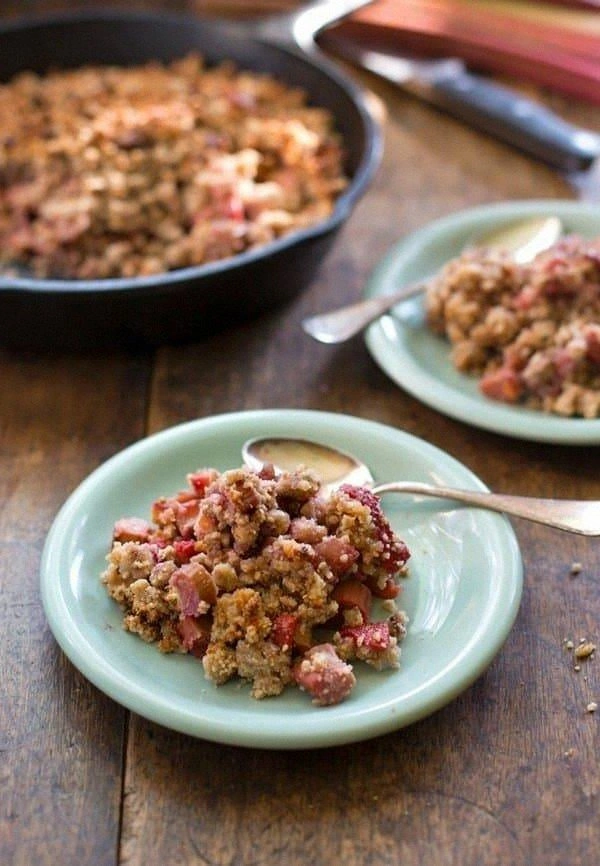
- Visual Appeal: The bright ruby‑red fruit peeking through the golden crumble looks stunning on any serving platter.
Inside the Ingredient List
The Flavor Base
Strawberries (3 cups, hulled and halved): Fresh strawberries bring natural sweetness and a juicy texture that forms the heart of the crisp. If you pick berries that are too soft, the filling can turn watery, so aim for firm, bright red berries. A good rule of thumb is to give them a quick rinse, pat dry, and slice just before mixing with the rhubarb.
Rhubarb (2 cups, chopped): Rhubarb’s tartness cuts through the sweetness of the strawberries, preventing the dessert from becoming cloying. Its fibrous stalks also add a subtle crunch that contrasts beautifully with the smooth fruit. When selecting rhubarb, look for crisp, deep‑red stalks; avoid any that feel limp or have brown spots.
Maple Syrup (2 tbsp): A drizzle of pure maple syrup adds a caramel note without overwhelming the natural fruit flavors. It also helps the fruit caramelize slightly during baking, creating those coveted golden edges. If you’re allergic to maple, a splash of agave nectar works just as well.
Vanilla Extract (1 tsp): This is the secret whisper that ties the whole filling together, adding warmth and depth. Even a modest amount makes the fruit sing, and it’s the kind of detail that separates a good crisp from a great one. Use pure vanilla extract for the cleanest flavor profile.
The Texture Crew
Almond Flour (2 cups): Almond flour provides a buttery base for the crumble while keeping it paleo‑friendly. Its fine texture ensures the topping spreads evenly without forming clumps. If you’re concerned about the nutty flavor, you can substitute with hazelnut flour for a richer taste.
Coconut Flour (½ cup): Coconut flour absorbs excess moisture from the fruit, preventing a soggy bottom, and adds a subtle coconut aroma. It’s incredibly absorbent, so a little goes a long way; too much can make the topping dry, which is why the ratio with almond flour is crucial.
Pecans (½ cup, chopped): The chopped pecans introduce a crunchy, buttery bite that complements the almond flour’s softness. Toast them lightly to unlock their natural oils and deepen the flavor. If pecans aren’t your thing, walnuts or macadamia nuts make excellent alternatives.
Coconut Oil (¼ cup, melted): Melted coconut oil binds the dry ingredients together, creating a cohesive crumble that browns beautifully. It also adds a faint coconut scent that pairs perfectly with the fruit. For a dairy‑free twist, you can use avocado oil, though the flavor will shift slightly.
The Unexpected Star
Honey (¼ cup): Honey is the natural sweetener that keeps the crisp paleo‑compliant while delivering a caramelized finish on the topping. Its viscosity helps the crumble adhere to the fruit without becoming soggy. If you prefer a lower glycemic index, swap half the honey for monk fruit sweetener.
Ground Cinnamon (1 tsp) & Nutmeg (¼ tsp): These warm spices elevate the fruit’s brightness, adding depth that lingers on the palate. Cinnamon brings a familiar comfort, while nutmeg adds a whisper of earthiness. Toast the spices briefly in the skillet before adding them to the topping for a more pronounced aroma.
Sea Salt (¼ tsp): A pinch of sea salt amplifies the sweetness and balances the tartness of the rhubarb. It also enhances the nutty flavor of the almond and pecan mixture. Don’t skimp—salt is the silent hero of any dessert.
Everything's prepped? Good. Let’s get into the real action…
The Method — Step by Step
-
Preheat your oven to 350°F (175°C) and lightly grease a 9‑inch square baking dish with coconut oil. This temperature is the sweet spot that allows the fruit to soften while the topping browns without burning. As the oven warms, you’ll hear the faint hum of the fan—trust that sound; it means your kitchen is about to get fragrant.
-
In a large mixing bowl, combine the strawberries, rhubarb, maple syrup, and vanilla extract. Toss gently until the fruit is evenly coated; the syrup should cling like a light glaze. Let the mixture sit for five minutes so the juices start to mingle—this is the moment your kitchen starts smelling like a farmer’s market in full bloom.
-
While the fruit rests, whisk together almond flour, coconut flour, ground cinnamon, nutmeg, and sea salt in a separate bowl. This dry blend is the foundation of your crumble, and the spices should release a warm, inviting aroma as you stir.
Kitchen Hack: If your almond flour seems a bit clumpy, pulse it in a food processor for a few seconds to achieve a finer, more uniform texture. -
Add the melted coconut oil and honey to the dry mixture, stirring until a crumbly dough forms. The mixture should clump together when pressed between your fingers—if it feels too dry, drizzle in a teaspoon of warm water. This is the moment of truth: the topping will either be airy or dense, and you’ve just set the stage for airy perfection.
-
Spread the fruit mixture evenly in the prepared baking dish, then sprinkle the crumble over the top, ensuring full coverage. The crumble should sit like a blanket, with a few gaps where the fruit can peek through. Watch Out: If you press the crumble too firmly, it will melt into the fruit and lose its signature crunch.
Watch Out: Over‑baking can turn the almond‑coconut topping bitter; keep an eye on the edges after 20 minutes. -
Place the dish in the oven and bake for 30‑35 minutes, or until the topping is golden‑brown and the fruit is bubbling at the edges. You’ll know it’s ready when the aroma fills the house like a sweet, buttery perfume and the edges start pulling away from the pan.
-
Remove the crisp from the oven and let it rest for 10 minutes. This short cooling period allows the juices to thicken slightly, preventing a runny bottom when you serve. During this time, the crumble will firm up, creating that perfect contrast between soft fruit and crunchy topping.
-
Serve warm, optionally topped with a dollop of coconut‑whipped cream or a splash of extra honey for those who love extra sweetness. The steam rising from each spoonful is a visual cue that you’ve nailed the texture balance. I dare you to take a bite and not smile—trust me, it’s impossible.
That's it — you did it. But hold on, I've got a few more tricks that'll take this to another level…
Insider Tricks for Flawless Results
The Temperature Rule Nobody Follows
Never underestimate the power of a consistent oven temperature. If your oven runs hot, the topping will burn before the fruit softens; if it’s too cool, the crumble stays soggy. I always preheat for at least 15 minutes and use an oven thermometer to verify accuracy. A quick tip: rotate the pan halfway through baking to ensure even browning.
Why Your Nose Knows Best
Trust the scent cues more than the clock. When the topping starts to emit a nutty, caramel fragrance, that’s your signal it’s nearing perfection. The moment the smell shifts to a slightly burnt note, pull the crisp out immediately. This sensory approach saved me from many a ruined batch.
The 5‑Minute Rest That Changes Everything
Allowing the crisp to rest for exactly five minutes after baking lets the juices thicken, preventing a soggy bottom. During this brief pause, the crumble sets, and the flavors meld, creating a more harmonious bite. Skipping this step is the fastest way to a disappointing texture.
Adding a Crunch Boost
For those who love an extra crunch, toss a handful of toasted almond slivers into the topping just before baking. The slivers create tiny, caramelized shards that crackle like fireworks when you bite. My friend tried this once and declared it “the best thing since sliced bread.”
Freezing Without Losing Texture
If you plan to freeze leftovers, cool the crisp completely, then wrap tightly in foil before placing in a freezer bag. When reheating, add a splash of water to the pan; the steam revives the crumble’s crispness. I’ve frozen dozens of portions and each reheated batch feels freshly baked.
Creative Twists and Variations
This recipe is a playground. Here are some of my favorite ways to switch things up:
Berry Medley Madness
Swap half the strawberries for blueberries and the other half for blackberries. The darker berries add a richer color and a subtle earthiness that pairs beautifully with the rhubarb’s tartness. Great for a fall‑time twist when blueberries are at their peak.
Spiced Orange Zing
Add the zest of one orange and a pinch of ground ginger to the fruit mixture. The citrus brightens the flavor profile, while ginger introduces a gentle heat that balances the sweet‑tart base. Perfect for holiday gatherings where you want a hint of warmth.
Nutty Coconut Dream
Replace pecans with shredded coconut and a drizzle of coconut cream on top before serving. This creates a tropical vibe, making the crisp feel like a beach‑side dessert. The extra coconut amplifies the aroma and adds a chewy texture.
Chocolate Paleo Delight
Stir in ¼ cup of cacao nibs into the crumble and sprinkle a few dark chocolate shards on top before baking. The bittersweet chocolate complements the fruit’s acidity, delivering a sophisticated flavor combo. Ideal for a romantic dinner dessert.
Savory Sweet Fusion
Mix a teaspoon of finely grated fresh ginger into the fruit and add a pinch of sea salt to the crumble. The ginger adds a zing that makes the sweet less cloying, while the extra salt accentuates the nutty notes. This version works well as a brunch side dish alongside eggs.
Storing and Bringing It Back to Life
Fridge Storage
Allow the crisp to cool completely, then cover tightly with plastic wrap or a reusable silicone lid. It will stay fresh in the refrigerator for up to three days. When you’re ready to serve, reheat a single portion in a pre‑heated 300°F oven for 10 minutes, and the topping will regain its crunch.
Freezer Friendly
Portion the cooled crisp into individual serving trays, wrap each piece in foil, and place them in a freezer‑safe bag. It freezes beautifully for up to two months. To revive, bake straight from frozen at 350°F for 20‑25 minutes, adding a splash of water to the pan to generate steam.
Best Reheating Method
The secret to reheating without sogginess is a brief stint in a hot oven combined with a drizzle of water. Place the serving on a baking sheet, sprinkle a teaspoon of water around the edges, and bake for 8‑10 minutes. The steam loosens any dried crust, while the oven restores the golden hue.