Picture this: a Sunday afternoon, a pot of stew simmering on the stove, and you, armed with a recipe you found on a late‑night forum, thinking you’re about to create a culinary masterpiece. The moment the first splash of broth hits the pan, you’re hit with an aroma so rich it could make a seasoned chef weep. But the disaster was only a few minutes away—an over‑cooked beef cube that tasted like rubber, a sauce that had turned into a thick, unappetizing paste, and a kitchen that smelled like burnt onions. That was the day I vowed to rewrite the story of Old‑Fashioned Beef Stew, turning every mistake into a lesson and every bite into a triumph.
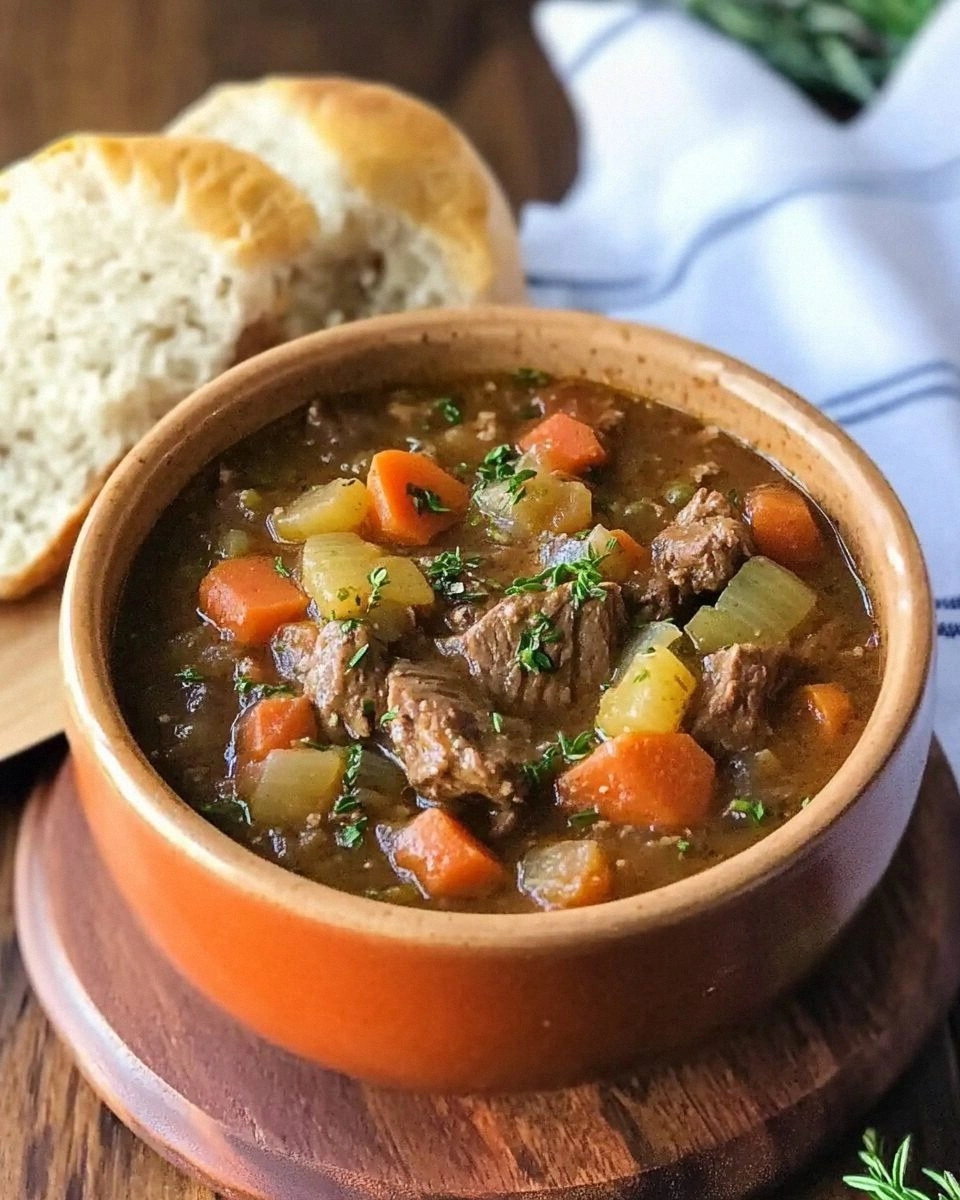
I can still hear the sizzle of the onions, the crackle of the browned beef, and the gentle hum of the stove. The sight of caramelized edges glistening like amber, the scent of garlic and thyme rising like incense, and the feel of the wooden spoon gliding through a thick, velvety broth—all these senses combine to create a sensory tapestry that is both comforting and exhilarating. The taste is a layered symphony: the savory depth of beef, the earthiness of root vegetables, the bright acidity of tomatoes, and the subtle sweetness that only a well‑balanced broth can deliver. The texture is a marriage of tender meat that practically melts in your mouth and vegetables that hold their shape, offering a satisfying bite that’s neither mushy nor chewy.
What sets this version apart from every other recipe you’ll find on the internet is the meticulous attention to detail, the clever use of a few secret ingredients, and a cooking method that respects the integrity of each component. I’ve stripped away the fluff, kept the process straightforward, and introduced a technique that unlocks a depth of flavor you never thought possible. This isn’t just a stew; it’s a culinary journey that takes you from the first sear to the final simmer, each step designed to elevate the dish. I dare you to taste this and not go back for seconds.
I’ll be honest—once I tried this, I ate half the batch before anyone else got to taste it. That’s the power of a stew that’s so rich, so aromatic, and so satisfying that you simply can’t stop. Most recipes get this completely wrong; they either over‑season, under‑cook, or fail to develop that deep, comforting flavor. Here’s what actually works: a proper sear, a slow, low simmer, and the right balance of acidity and richness. Picture yourself pulling this out of the pot, the whole kitchen smelling incredible, and your guests lining up for seconds. This is hands down the best version you’ll ever make at home.
Okay, ready for the game‑changer? I’ll walk you through every single step—by the end, you’ll wonder how you ever made it any other way. From the first splash of oil to the final garnish, each moment is crafted to bring out the best in every ingredient. Let’s dive in and turn your kitchen into a haven of flavor.
What Makes This Version Stand Out
- Depth of Flavor: The combination of browned beef, caramelized onions, and a splash of red wine creates a broth that’s richer than any store‑bought stock. The slow simmer allows the flavors to marry, resulting in a sauce that coats the meat like velvet.
- Tender Meat: Using a cut like chuck and searing it properly locks in juices, preventing the cubes from becoming rubbery. The low, slow cooking time breaks down collagen, producing a melt‑in‑your‑mouth texture.
- Balanced Acidity: The addition of diced tomatoes and a touch of tomato paste cuts through the richness, giving the stew a bright, lively finish that keeps the palate from feeling overwhelmed.
- Texture Variety: Root vegetables like carrots and potatoes maintain their shape, offering a pleasant bite contrast to the tender beef.
- Time Efficiency: While it’s a slow simmer, the prep is quick—most of the work is done while the stew cooks, freeing you to attend to other tasks.
- Make‑Ahead Friendly: The stew actually tastes better the next day, making it perfect for busy weeknights or meal prep.
- Ingredient Quality: The recipe calls for high‑quality beef and fresh produce, ensuring that each bite is packed with natural flavor.
- Versatility: From classic to creative twists, this base can adapt to various dietary preferences and flavor profiles.
Inside the Ingredient List
The Flavor Base
The cornerstone of any great stew is the flavor base—onions, garlic, and a splash of red wine. These aromatics set the stage, releasing sugars and creating a caramelized foundation that grounds the entire dish. Skipping any of them will leave your stew feeling flat and uninspired. If you’re looking for a deeper umami punch, substitute a tablespoon of tomato paste for half the wine; it adds richness without the alcohol.
The Texture Crew
Root vegetables like carrots, celery, and potatoes bring body and substance. They absorb the broth, becoming tender yet firm, providing a satisfying bite that contrasts with the melt‑in‑your‑mouth beef. If you prefer a lighter stew, reduce the potatoes by half and double the carrots. Always cut the vegetables into uniform pieces to ensure even cooking.
The Unexpected Star
Worcestershire sauce might seem like a small detail, but it delivers a complex savory depth that elevates the entire dish. Think of it as a secret seasoning that ties the meat, vegetables, and broth together. If you’re vegetarian, replace it with soy sauce or a splash of balsamic vinegar for a similar umami boost.
The Final Flourish
A handful of fresh parsley and a dab of butter at the end add brightness and a silky finish. The butter enriches the sauce, while the parsley provides a fresh, herbal note that cuts through the richness. If you’re dairy‑free, a splash of olive oil can replace the butter without compromising flavor.
Everything's prepped? Good. Let's get into the real action...
The Method — Step by Step
- Prep the Beef: Pat the beef cubes dry with paper towels; this ensures a good sear. Season generously with salt and pepper. In a large Dutch oven, heat 2 tablespoons of olive oil over medium‑high heat. Once the oil shimmers, add the beef in a single layer, leaving space between cubes. Sear each side until a deep brown crust forms; this caramelization locks in flavor. Remove the beef and set aside. The seared surface will give the stew a depth of flavor that liquid stock can’t match.
- Build the Base: Reduce the heat to medium and add the diced onion. Cook, stirring occasionally, until translucent and slightly caramelized, about 5 minutes. Toss in the minced garlic and cook for another minute until fragrant. Add the tomato paste and stir until it darkens, releasing its sugars. This step creates a rich, complex foundation that will carry the rest of the stew.
- Deglaze: Pour in the red wine, scraping the bottom of the pot with a wooden spoon to lift the browned bits. Let the wine reduce by half, concentrating its flavor. This not only adds depth but also balances the sweetness of the tomatoes and the richness of the meat. If you’re avoiding alcohol, substitute with beef broth or a splash of balsamic vinegar.
- Add the Vegetables: Return the seared beef to the pot. Add carrots, celery, potatoes, and diced tomatoes. Stir to combine, ensuring the vegetables are evenly coated in the flavorful liquid. This is the moment when the stew begins to look like a mosaic of colors—rich reds, earthy greens, and golden potatoes.
- Season and Simmer: Pour in beef broth, add bay leaves, thyme, Worcestershire sauce, and a pinch of sugar to balance acidity. Bring the mixture to a gentle boil, then reduce heat to low. Cover the pot and let it simmer for 1 ½ hours, or until the beef is fork‑tender. Stir occasionally to prevent sticking. The long, low simmer is where the magic happens—collagen dissolves, flavors meld, and the stew thickens naturally.
- Final Touches: Remove bay leaves and stir in a tablespoon of butter for a glossy finish. Sprinkle chopped parsley for a burst of color and freshness. Taste and adjust seasoning—add more salt, pepper, or a splash of wine if needed. The butter enriches the sauce, while parsley brightens the overall profile.
- Serve: Ladle the stew into bowls, ensuring each portion has a good mix of beef, vegetables, and broth. Pair with crusty bread or a side of mashed potatoes for a comforting meal. The aroma alone will make anyone’s mouth water, and the first bite will confirm the dish’s superiority.
That’s it — you did it. But hold on, I've got a few more tricks that'll take this to another level...
Insider Tricks for Flawless Results
The Temperature Rule Nobody Follows
Many cooks think a high heat is the secret to a good stew, but low and slow is the real key. Keeping the simmer just below boiling ensures that the collagen breaks down gently, producing a silky sauce without over‑cooking the vegetables. If your stove tends to run hot, cover the pot loosely with a lid to maintain a steady temperature.
Why Your Nose Knows Best
During the simmer, pause and sniff the broth. A sweet, caramelized aroma indicates the sugars have caramelized; a sharp, metallic scent might mean the wine is too strong. Trust your nose to guide you on when to add more seasoning or reduce the liquid.
The 5-Minute Rest That Changes Everything
Once the stew is finished, let it rest for 5 minutes off the heat. This allows the flavors to settle and the sauce to thicken slightly. The rest period also gives the vegetables a chance to absorb the final burst of seasoning.
The Secret of the Butter Finish
Adding butter at the end not only adds richness but also gives the broth a beautiful sheen. It coats the meat, preventing it from drying out, and creates a silky mouthfeel. If you’re looking for a lighter version, finish with a splash of olive oil instead.
The “Sear First” Mindset
Searing the beef before simmering is a game‑changer. The Maillard reaction that occurs during searing creates complex flavor compounds that are impossible to replicate with boiling alone. Remember to keep the beef dry before searing; moisture is the enemy of a good crust.
Creative Twists and Variations
This recipe is a playground. Here are some of my favorite ways to switch things up:
Irish Guinness Twist
Swap the red wine for a stout like Guinness. The beer adds a malty sweetness and a subtle bitterness that pairs beautifully with the beef. Reduce the broth by half to keep the stew from becoming too watery.
Mediterranean Flavor
Add a handful of chopped olives, sun‑dried tomatoes, and a pinch of oregano. Finish with a splash of lemon juice to brighten the dish. This version is great for a summer dinner with a side of couscous.
Asian Inspired
Replace bay leaves with star anise and add a tablespoon of soy sauce. Stir in sliced shiitake mushrooms and a handful of chopped bok choy in the last 5 minutes. Serve over jasmine rice for a fusion twist.
Vegetarian Version
Use hearty mushrooms or seitan in place of beef. Increase the quantity of root vegetables and add a cup of lentils for protein. The broth will be lighter but still deeply flavorful.
Spicy Kick
Add a diced jalapeño or a teaspoon of crushed red pepper flakes during the simmer. The heat will cut through the richness, creating a balanced, fiery stew that’s perfect for colder nights.
Slow Cooker Finale
After searing the beef, transfer everything to a slow cooker. Cook on low for 8 hours or on high for 4 hours. The slow cooker’s gentle heat will produce tender meat and a concentrated broth without the need for constant monitoring.
Storing and Bringing It Back to Life
Fridge Storage
Cool the stew to room temperature, then transfer to an airtight container. Store in the refrigerator for up to 4 days. The flavors will deepen, making it even more delicious.
Freezer Friendly
Divide the stew into individual portions and freeze in freezer‑safe bags. It will keep for up to 3 months. Thaw overnight in the refrigerator before reheating.
Best Reheating Method
Reheat on the stovetop over low heat, adding a splash of water or broth to restore moisture. Stir frequently until hot. For a quick microwave option, use a microwave‑safe bowl, cover, and heat in 2‑minute intervals, stirring in between.