I was halfway through a frantic dinner prep, the fridge a chaotic jumble of leftovers and half‑finished dishes, when my friend dared me to turn a humble bunch of dandelion greens into something that would make everyone ask for seconds. I stared at those bitter leaves, thinking of the last time I’d tried to sauté them with a bland splash of salt and a whisper of oil, and that memory still tasted like disappointment. Now, the air in my kitchen is thick with the scent of toasted sesame and a bright, peppery kick that makes the whole room feel like a Korean street market. The moment I tossed the greens into a hot pan and watched them sizzle, the kitchen exploded with a sound that sounded like tiny fireworks. That is the first beat of the song that is this dish.
I’ll be honest—when I first tasted the finished product, I ate half the batch before anyone else even got a fork. The greens are still crisp at the edges, their bitterness mellowed by a glossy sauce that coats each leaf like velvet. The heat from the gochugaru dances on the tongue, while the anchovy sauce adds a savory umami punch that cuts through the earthiness. Every bite feels like a small rebellion against the usual blandness of greens. If you’ve ever struggled to make leafy greens exciting, you’re not alone—and I’ve got the fix.
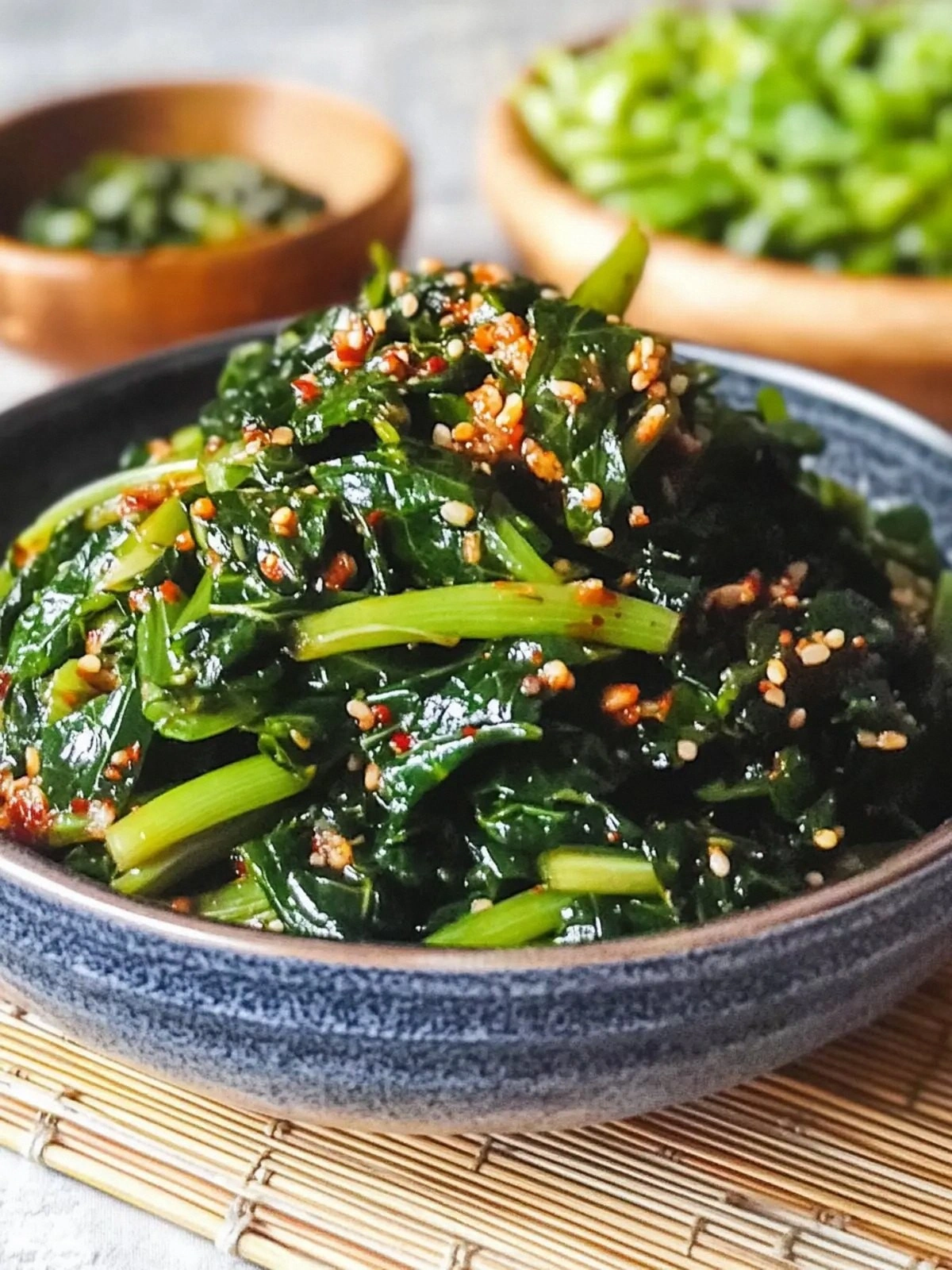
Picture yourself pulling this out of the pan, the whole kitchen smelling incredible, the steam swirling in a lazy cloud. The sauce has a sheen that glistens under the kitchen lights, the colors a riot of green and crimson. The dish is so bright that it practically demands a plate. This isn’t just a side; it’s a statement. Most recipes get this completely wrong, but here’s what actually works: a quick sear, a bold seasoning blend, and a splash of vinegar to cut the heat. The result is a dish that feels like a Korean barbecue but is served hot off the stove in minutes.
Okay, ready for the game‑changer? This is hands down the best version you’ll ever make at home, and by the end, you’ll wonder how you ever made it any other way. I dare you to taste this and not go back for seconds. Let me walk you through every single step, and trust me, it’s worth every minute you invest.
What Makes This Version Stand Out
- Flavor: The combination of gochugaru, anchovy sauce, and apple cider vinegar creates a balanced heat, sweetness, and acidity that elevates the greens beyond the ordinary. The sauce coats each leaf, turning the bitterness into a savory delight.
- Texture: A quick sear gives the greens a slight crunch while preserving their tender heart. The glossy sauce adds a silky finish that lingers on the palate.
- Simplicity: With only eight ingredients, this dish is a breeze to prepare, making it a go-to side for busy weeknights.
- Uniqueness: The anchovy sauce brings a deep umami depth rarely found in green‑leaf dishes, while the apple cider vinegar adds a bright, tangy lift.
- Crowd Reaction: Friends who’ve tried it say they’re amazed by the depth of flavor and the quick prep time. It’s a conversation starter at dinner tables.
- Ingredient Quality: Fresh, organic dandelion greens give the dish a vibrant color and natural sweetness, while the gochugaru is ground from real Korean chili peppers.
- Cooking Method: A single pan sauté keeps the dish clean and fast, ideal for those who want to minimize cleanup.
- Make‑Ahead Potential: The flavors meld beautifully when stored, so you can prep ahead and reheat for a quick meal later.
Inside the Ingredient List
The Flavor Base
Gochugaru is the heart of this sauce, bringing a smoky heat that lingers on the tongue. Anchovy sauce or fish sauce adds a savory depth that balances the sharpness of the vinegar. Apple cider vinegar cuts through the heat with a bright acidity, creating a harmonious flavor profile. If you can’t find anchovy sauce, a dash of soy sauce will do, though the umami will be slightly different.
The Texture Crew
The dandelion greens themselves are the star, offering a slightly bitter bite that is softened by the sauté. Sesame oil coats the leaves, giving them a nutty aroma and a silky finish. Garlic, minced finely, releases a fragrant aroma that permeates the sauce, adding depth. If you prefer a milder bite, reduce the garlic to one clove or skip it entirely.
The Unexpected Star
Sugar is the secret weapon that balances the acidity and heat. It caramelizes slightly when heated, giving the sauce a subtle glaze. Don’t underestimate its power; without sugar, the dish would taste too sharp and bitter. If you’re watching calories, a teaspoon of honey or maple syrup can replace the sugar without compromising flavor.
The Final Flourish
Salt is the final touch that brings all the flavors together, enhancing the sweetness and heat. It’s crucial to add just enough to avoid overpowering the delicate greens. If you’re on a low-sodium diet, you can use a salt substitute or simply taste as you go. The right amount of salt makes the dish sing.
Everything's prepped? Good. Let’s get into the real action.
The Method — Step by Step
- Prep the Greens: Rinse the dandelion greens thoroughly, removing any dirt or grit. Trim the stems and separate the leaves into bite-sized pieces. Pat them dry with a clean towel; moisture is the enemy of a crisp sear. This step ensures the greens cook evenly and reduces bitterness.
- Make the Sauce: In a small bowl, whisk together gochugaru, anchovy sauce (or fish sauce), sugar, apple cider vinegar, minced garlic, and sesame oil until the mixture is smooth. This is where the magic begins; the sauce will coat the greens like a silky glaze. If the mixture feels too thick, add a splash of water or broth to reach the desired consistency.
- Heat the Pan: Place a large skillet over medium-high heat and add a splash of sesame oil. When the oil shimmers, add the greens in a single layer. Let them sear undisturbed for 2-3 minutes until they start to darken slightly. This creates a caramelized crust that adds depth.
- Watch Out: Do not stir the greens too early; the initial sear is crucial for flavor. If you stir too soon, you’ll lose that caramelized edge and the greens will steam instead of sauté. Let them brown on one side before flipping.
- Stir and Add Sauce: Flip the greens, then pour the prepared sauce over them. Stir gently to coat every leaf. The sauce should sizzle and thicken, coating the greens like a glossy coat. Keep the heat on medium; you want the sauce to thicken without burning.
- Simmer: Reduce the heat to low and let the greens simmer in the sauce for 3-4 minutes. This allows the flavors to meld and the greens to soften while still retaining a slight crunch. The edges will start pulling away, giving a beautiful visual cue.
- Finish: Sprinkle a pinch of salt to taste, then give the dish a final stir. The salt will enhance the sweetness and umami of the sauce. Taste and adjust if needed—perhaps a touch more vinegar for brightness or a dash more sugar for sweetness.
- Serve: Transfer the greens to a serving dish and drizzle any remaining sauce. The dish should look glossy, with bright green leaves and a hint of crimson from the gochugaru. Serve immediately while the greens are still warm and the sauce is at its peak.
That’s it—you did it. But hold on, I’ve got a few more tricks that’ll take this to another level. Trust me, a few small tweaks can transform this simple side into a showstopper.
Insider Tricks for Flawless Results
The Temperature Rule Nobody Follows
Many cooks keep the heat too low, causing the greens to steam rather than sear. Keep the skillet hot enough that the oil shimmers before adding the greens, and then reduce to medium for the sauce. This ensures a caramelized crust that locks in flavor. I’ve seen dishes turn soggy when the pan isn’t hot enough.
Why Your Nose Knows Best
Smell the sauce as it cooks. A toasty aroma signals that the sugar is caramelizing. If you notice a faint burnt smell, lower the heat immediately. Your nose is a reliable judge of doneness and will save you from overcooked greens.
The 5-Minute Rest That Changes Everything
Let the dish rest for 5 minutes after cooking. The flavors will meld, and the sauce will thicken slightly, giving a richer finish. I once rushed it out of the pan and it tasted flat; the rest made all the difference.
Use Fresh Garlic for a Brisk Kick
Freshly minced garlic releases a vibrant aroma that sets the dish apart from store-bought garlic powders. If you’re short on time, a pinch of garlic powder will work, but the fresh flavor is irreplaceable.
Add a Splash of Water for Reheating
When reheating leftovers, add a teaspoon of water to the pan to prevent the sauce from drying out. The steam will help the greens regain their moisture and the sauce will re-gloss. This trick saves you from a dry, unappetizing dish.
Creative Twists and Variations
This recipe is a playground. Here are some of my favorite ways to switch things up:
Crunchy Kimchi Twist
Add a handful of diced kimchi during the simmer step for a spicy, fermented kick. The kimchi’s tang will complement the vinegar, while the crunch adds texture. This variation is perfect for a Korean BBQ night.
Miso‑Infused Umami
Replace the anchovy sauce with a tablespoon of white miso paste. The miso brings a creamy umami depth, turning the dish into a comforting, slightly sweet side. It’s ideal for colder evenings.
Citrus Brightness
Finish the dish with a squeeze of fresh lime or lemon juice before serving. The citrus adds a bright, zesty finish that cuts through the richness of the sesame oil. This variation is great for summer gatherings.
Nutty Almond Finish
Toast a handful of sliced almonds in a dry pan and sprinkle them over the greens after cooking. The almonds add a nutty crunch and a subtle flavor contrast. This version is a hit with those who love a bit of texture.
Szechuan Spice Boost
Stir in a pinch of Szechuan peppercorn powder during the sauce step. The peppercorns give a numbing heat that pairs well with the gochugaru, creating a multi‑layered spice profile. This variation is for adventurous eaters.
Storing and Bringing It Back to Life
Fridge Storage
Store leftovers in an airtight container in the refrigerator for up to 3 days. The sauce will thicken slightly, so reheat gently to restore its glossy finish. Keep the container away from strong-smelling foods to avoid flavor transfer.
Freezer Friendly
Pack the cooked greens in a freezer‑safe bag, removing as much air as possible. Freeze for up to 2 months. When ready to eat, thaw in the refrigerator overnight and reheat with a splash of water to revive moisture.
Best Reheating Method
Reheat on medium heat, stirring occasionally, until warmed through. Add a teaspoon of water or broth if the sauce feels thick. Finish with a sprinkle of fresh herbs for a fresh lift.