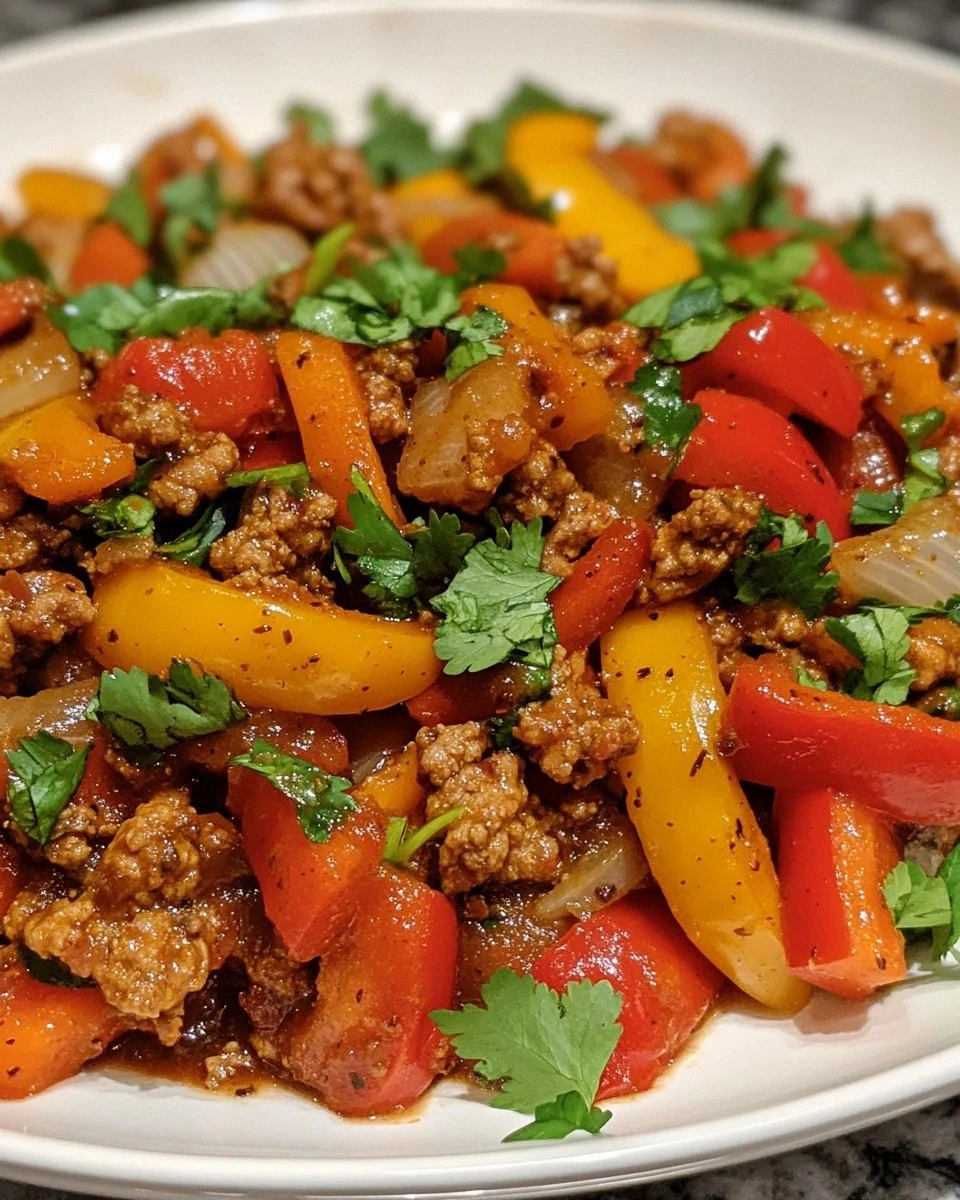
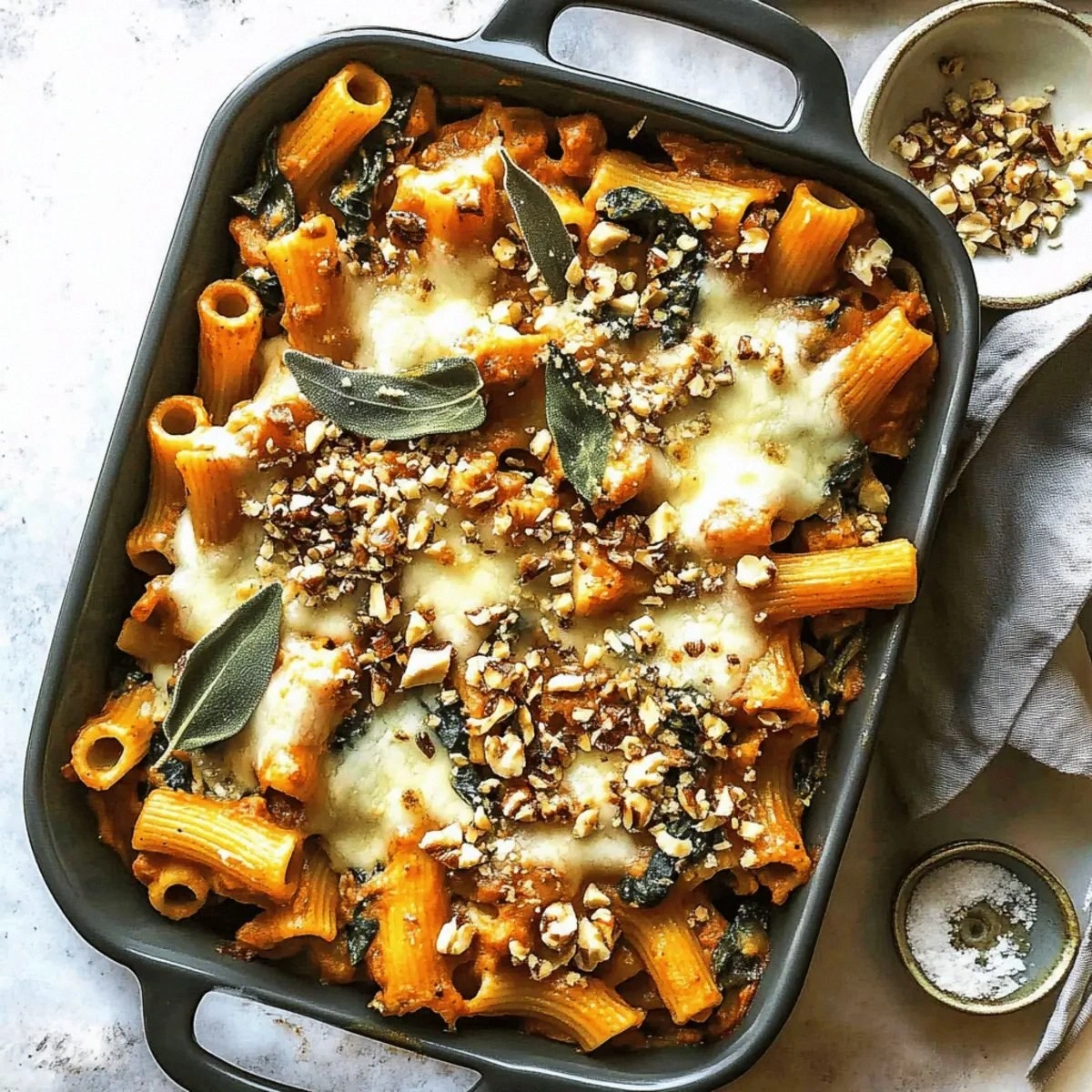
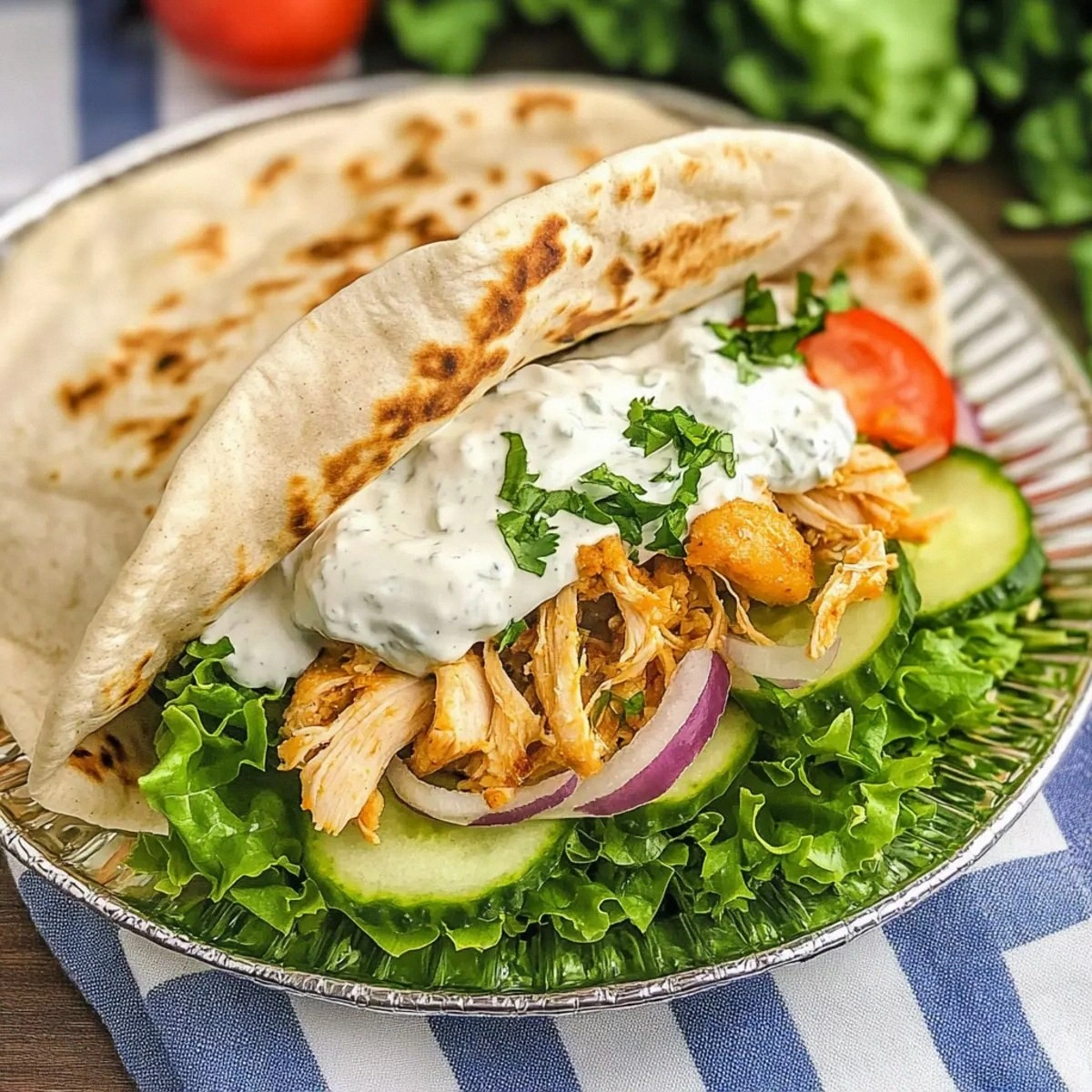
I remember the night I tried to make a gyro at home and ended up with a salad that could have won a Michelin star. The kitchen was a mess of olive oil splatters, a half‑roasted chicken that smelled like victory, and a bowl of greens that looked like a field of emerald dreams. I was staring at the pot, wondering if the chicken would stay juicy, when my phone buzzed with a text from a friend: “Do you even know how to make a gyro?” That was the spark that turned a simple lunch into an obsession. The moment the chicken hit the pan, the sizzle sounded like applause, and the aroma of oregano and lemon hit my nose like a warm hug.
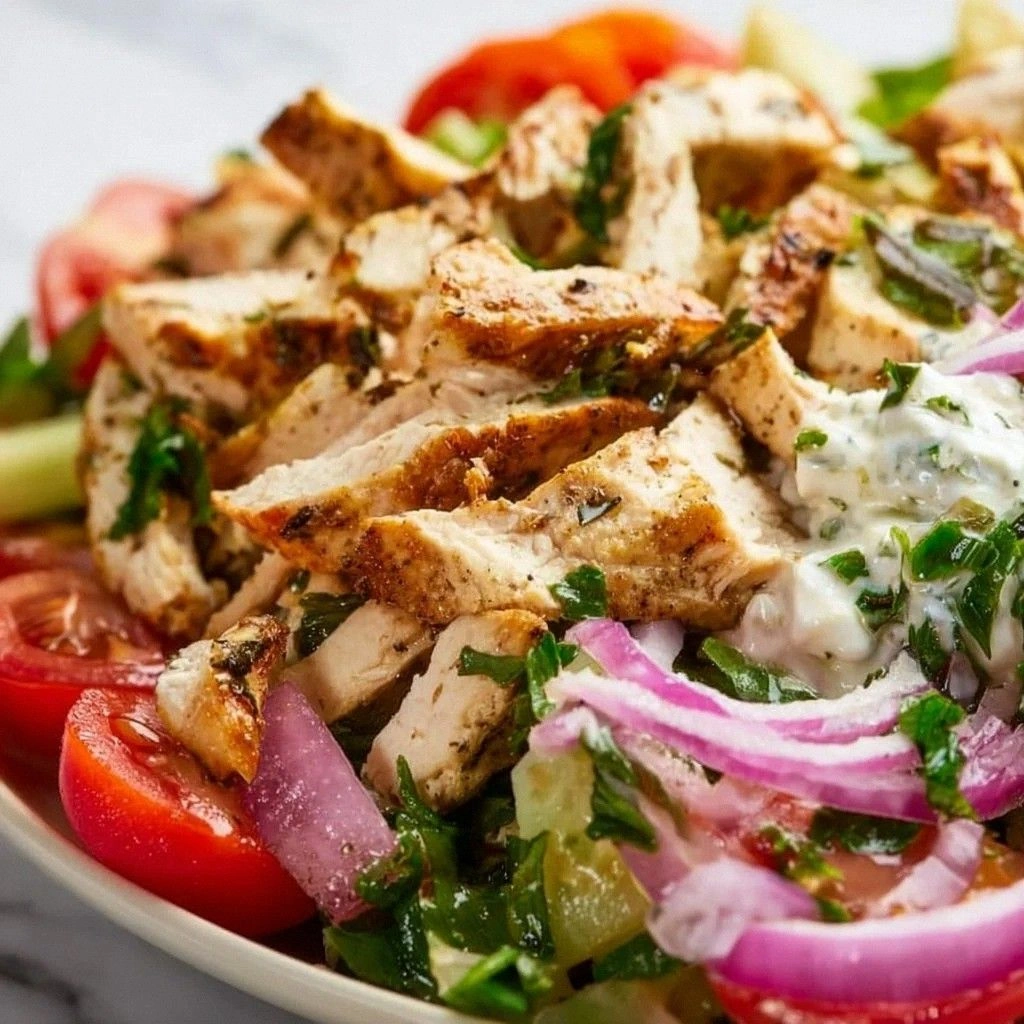
Picture this: a bowl of mixed greens that glistens with a drizzle of homemade tzatziki, a scatter of cherry tomatoes that burst with sweet juice, and a handful of Kalamata olives that add a salty punch. The chicken, sliced thin, is coated in a garlic‑yogurt sauce that clings to each bite like velvet. Every bite is a harmony of textures—crunchy cucumber, silky feta, and the subtle bite of red onion that brightens the palate. I dare you to taste this and not go back for seconds; the flavor is so complete that it feels like a full meal in a single bite.
What makes this version stand out is that it’s not just a salad; it’s a Greek feast that respects tradition while embracing modern convenience. I use leftover rotisserie chicken to save time, but you can grill it for a smoky twist that turns the dish into a showstopper. The tzatziki is made fresh with a touch of honey for balance, and the feta is crumbled to melt into the greens. The result is a dish that feels indulgent yet light, making it perfect for any meal of the day. This is hands down the best version you'll ever make at home, and I promise you’ll wonder how you ever settled for anything else.
If you’ve ever struggled with assembling a gyro salad that feels authentic, you’re not alone. I’ve seen many recipes that miss the punch of oregano, or use pre‑made dressings that taste flat. That’s why I’m excited to share a technique that brings everything together: a quick pan‑sear that caramelizes the chicken, a homemade tzatziki that’s silky smooth, and a finishing touch of lemon‑olive oil that brightens every bite. Stay with me here—this is worth it. Let me walk you through every single step, and by the end, you’ll wonder how you ever made it any other way.
What Makes This Version Stand Out
- Authenticity: Every ingredient is chosen to honor the classic gyro flavor profile, from oregano to Kalamata olives. The sauce is homemade, not store‑bought, ensuring depth and freshness.
- Texture: The contrast between crispy cucumber, juicy tomatoes, and creamy feta creates a sensory experience that feels both indulgent and refreshing.
- Speed: Using leftover chicken or a rotisserie cut cuts prep time dramatically, making this a perfect weeknight option.
- Versatility: The salad can be served as a light lunch, a hearty dinner, or a side dish that pairs beautifully with grilled meats.
- Make‑ahead Potential: The dressing holds for up to 48 hours, and the salad can be assembled a day ahead without losing crunch.
- Healthful: Packed with protein, healthy fats, and a rainbow of vegetables, it’s a balanced meal that satisfies without the guilt.
- Crowd‑pleaser: The bright colors and bold flavors make it a hit at potlucks, picnics, and family dinners alike.
- Presentation: The vibrant greens and colorful toppings create a dish that looks as good as it tastes.
Alright, let's break down exactly what goes into this masterpiece...
Inside the Ingredient List
The Flavor Base
The tzatziki is the heart of this salad. It’s made with Greek yogurt, grated cucumber, minced garlic, fresh dill, lemon juice, and a pinch of salt. The yogurt provides creaminess, while the lemon cuts through the richness, giving the dressing a bright, tangy finish. If you skip the dill, the sauce will taste flat; dill brings that unmistakable Greek aroma that ties the dish together. For a vegan version, swap the yogurt for coconut or cashew cream, but keep the lemon for acidity.
The Texture Crew
Mixed greens are the canvas of this salad. Whether you choose arugula for peppery heat, spinach for a milder bite, or romaine for crunch, the greens must be fresh and crisp. I recommend tossing the greens with a splash of olive oil and lemon before adding toppings to prevent wilting. The cucumber adds a refreshing crunch that balances the softness of the feta; if you prefer a milder cucumber, use an English variety with fewer seeds. The red onion, thinly sliced, brings a sharp bite that is mellowed by soaking in cold water for 10 minutes if you’re sensitive to its intensity.
The Unexpected Star
Kalamata olives are more than just a garnish; they deliver a briny depth that lingers on the palate. Pitted and sliced, they add a chewy texture that contrasts with the creamy feta. If you’re not a fan of olives, green olives or capers can be used, but the flavor profile will shift slightly toward a sharper, more peppery note. The olives are best added after the salad is assembled to maintain their bright color and texture.
The Final Flourish
Feta cheese is the crowning glory. Crumbled feta melts into the greens, creating pockets of salty richness that melt in the mouth. If you’re vegan, try a plant‑based feta alternative or omit it entirely; the salad remains delicious. The amount of feta is flexible—use about ½ cup for 4 servings, but feel free to adjust to taste. A final squeeze of lemon over the salad just before serving brightens the entire dish.
Everything's prepped? Good. Let's get into the real action...
The Method — Step by Step
- Heat a large skillet over medium‑high heat. Add a splash of olive oil and let it shimmer. Place the sliced chicken in the pan, ensuring the pieces are spread out in a single layer. This step caramelizes the edges, giving the chicken a slightly crisp exterior while keeping the inside moist. When the first side is golden brown, flip the pieces; the aroma should be intoxicating.
- While the chicken sears, prepare the tzatziki. In a bowl, combine Greek yogurt, grated cucumber (squeeze out excess water), minced garlic, chopped dill, lemon juice, and a pinch of salt. Whisk until smooth. The sauce should be thick enough to coat the back of a spoon without dripping. This is the moment of truth—if the sauce is too thin, it won’t cling to the greens.
- When the chicken is done, remove it from the skillet and let it rest for a minute. This rest period allows the juices to redistribute, keeping the meat tender. While it rests, toss the mixed greens with a light drizzle of olive oil and a squeeze of lemon. The oil prevents wilting, and the lemon adds a bright zing that complements the feta.
- Add the sliced cucumber, halved cherry tomatoes, thinly sliced red onion, and sliced Kalamata olives to the bowl of greens. Toss gently, ensuring each element is evenly distributed. The onion should be balanced—enough to provide bite, but not overpowering.
- Fold in the rested chicken, allowing it to mingle with the greens and vegetables. The heat from the chicken will slightly warm the greens, creating a pleasant contrast. Add the crumbled feta on top, letting the cheese melt into the salad’s crevices.
- Pour the tzatziki over the salad. Use a spoon to drizzle the sauce in a circular pattern, ensuring each bite receives a generous coating. The dressing should coat the greens, not drown them. The final touch is a final squeeze of fresh lemon over the entire dish.
- Give the salad one last gentle toss, then plate it in a bowl or on a platter. The presentation should be vibrant, with a burst of color from the tomatoes and olives. Serve immediately, or keep in the fridge for up to 24 hours if you prefer a chilled salad.
- Enjoy the symphony of flavors and textures—each bite delivers a burst of citrus, a hint of garlic, and a creamy feta finish. The result is a dish that feels like a Greek street food experience, yet is refined enough for any dinner plate.
That's it — you did it. But hold on, I've got a few more tricks that'll take this to another level...
Insider Tricks for Flawless Results
The Temperature Rule Nobody Follows
Many chefs think that higher heat is always better, but when it comes to chicken for salads, a moderate heat ensures tenderness. Cook the chicken over medium‑high until just browned, then lower the flame to finish. This prevents the exterior from burning while the interior remains juicy. I’ve seen salads ruined by over‑seared chicken that tastes like rubber; keep the heat controlled and you’ll avoid that fate.
Why Your Nose Knows Best
Trust your senses. The chicken should emit a savory aroma, the tzatziki should smell like fresh dill and lemon, and the greens should have a bright, green scent. If any component feels off, pause and adjust. I once added too much lemon, and the salad tasted like a citrus bomb—just a lesson in balancing flavors.
The 5-Minute Rest That Changes Everything
Letting the chicken rest for five minutes after searing is a game‑changer. It allows the juices to redistribute, preventing them from spilling onto the pan. The result is a moist, flavorful bite that lingers on the palate. Skip this step and you’ll get a dry, disappointing experience.
The Secret of the Perfect Crunch
Cucumber and red onion are the crunch providers. Slice them thinly and let them sit in cold water for a few minutes; this removes bitterness and keeps them crisp even after the salad sits. The trick is to drain them well—any excess water will make the greens soggy.
The One Ingredient That Elevates
Kalamata olives are the flavor anchor. Their briny, slightly sweet profile is essential for that authentic Greek kick. If you can’t find them, look for high‑quality green olives or even a splash of olive brine; the saltiness will still deliver.
Creative Twists and Variations
This recipe is a playground. Here are some of my favorite ways to switch things up:
Mediterranean Grain Bowl
Swap the mixed greens for cooked quinoa or farro. Add roasted eggplant and a sprinkle of za'atar. The result is a hearty, grain‑based bowl that’s filling yet light.
Spicy Sriracha Gyro
Stir a teaspoon of sriracha into the tzatziki for a fiery kick. Pair with a drizzle of honey to balance the heat. This version is perfect for spice lovers.
Vegan Feta Alternative
Use crumbled tofu seasoned with nutritional yeast, lemon zest, and a pinch of turmeric for color. The tofu mimics the texture of feta while keeping the dish plant‑based.
Pita Crouton Crunch
Cube pita bread, toss with olive oil, oregano, and bake until golden. Add these croutons to the salad for a Mediterranean crunch that rivals traditional croutons.
Summer Berry Twist
Replace the cherry tomatoes with fresh strawberries, and add a handful of arugula for peppery bite. Sweetness and spice combine for a unique summer salad.
Low‑Carb Version
Omit the quinoa or grains, and increase the amount of mixed greens. Add avocado slices for healthy fats and a creamy texture.
Storing and Bringing It Back to Life
Fridge Storage
Store the salad in an airtight container for up to 24 hours. Keep the dressing separate until ready to serve to maintain crunch. The greens will stay fresh if refrigerated promptly.
Freezer Friendly
The salad itself doesn’t freeze well due to the greens, but the tzatziki can be frozen in a small container for up to 3 months. Thaw in the fridge and stir before using.
Best Reheating Method
If you have a cold salad, warm it gently in a skillet over low heat for 2 minutes. Add a splash of water to create steam, then toss with the dressing. The salad will regain its freshness and flavor.