I was standing in my kitchen on a Tuesday night, a half‑finished bag of frozen veggies in one hand and a pan that had seen better days in the other, when a friend dared me to “make something that actually tastes like a night market stall, but without the smoke alarm screaming.” I laughed, I scoffed, and then I tossed a splash of soy sauce into the pan and heard that unmistakable sizzle that made my heart skip. That moment sparked the birth of what I now call the ultimate Back Pocket Stir Fry with Nood – a dish that slaps the ordinary right out of the kitchen and replaces it with bold, layered flavor that clings to every strand of noodle like a second skin.
Imagine the aroma of garlic and ginger dancing together, the bright pop of bell pepper and carrots, and the deep, umami kiss of a homemade sauce that glistens like liquid amber. The sound? A steady crackle as the noodles hit the hot wok, followed by a gentle whisper of steam as everything comes together. The feel? The heat of the pan against the back of your hand, the slickness of oil coating the noodles, and that satisfying snap when you bite into a perfectly caramelized edge. The taste? Sweet, salty, a hint of heat, and a lingering nuttiness that makes you close your eyes and think of street food markets in Bangkok.
What makes this version stand out is not just the ingredients – it’s the method. Most recipes tell you to dump everything in a bowl and hope for the best. Not this one. I’ve engineered a sequence of steps that builds layers, like a symphony where each instrument gets its solo before the grand finale. The secret? A quick flash‑fry of the noodles before they meet the sauce, and a finishing drizzle of toasted sesame oil that turns the whole thing into a glossy masterpiece. I dare you to taste this and not go back for seconds – trust me, you’ll be begging for more.
And here’s the kicker: I’m about to reveal a little ingredient that most people completely overlook – a splash of dark rice vinegar that adds a bright tang that cuts through the richness like a razor‑sharp knife. It’s the game‑changer that takes this from “good” to “hands down the best version you’ll ever make at home.” Let me walk you through every single step — by the end, you’ll wonder how you ever made it any other way.
What Makes This Version Stand Out
- Texture: The noodles are first tossed in a hot wok, giving them a crisp, almost fried edge that shatters like thin ice before yielding to a silky interior.
- Flavor Depth: A three‑component sauce (soy, dark rice vinegar, and a hint of honey) coats each bite like velvet, delivering sweet, salty, and tangy notes in perfect harmony.
- Simplicity: You only need a single wok, a handful of pantry staples, and ten minutes of prep – perfect for a weeknight hero.
- Ingredient Quality: Using fresh ginger, garlic, and high‑gluten noodles elevates the dish from “budget” to “restaurant‑grade” without breaking the bank.
- Crowd Reaction: This dish consistently clears plates and sparks compliments; it’s the kind of comfort food that makes strangers ask for the recipe.
- Make‑Ahead Potential: The sauce can be pre‑made and stored, and the noodles reheat beautifully, making it a stellar make‑ahead for busy families.
Inside the Ingredient List
The Flavor Base
First up, the backbone of any great stir fry: garlic, ginger, and scallions. Garlic brings that bold, aromatic punch that makes your nostrils do a happy dance, while ginger adds a peppery heat that cuts through the richness of the sauce. Scallions (the white part) are sautéed first to release a subtle onion flavor without overwhelming the dish. If you skip these, you’ll end up with a flat, one‑dimensional taste that feels like eating plain rice. As a swap, you can use garlic powder and ground ginger, but fresh is always superior – the oils in fresh ginger are what give that zing.
The Texture Crew
Next, we have the noodles themselves – I’m using high‑gluten wheat noodles because they hold up under high heat and develop that coveted crisp edge. Pair them with a medley of vegetables: crunchy bell peppers, sweet carrots, and snap peas that keep their snap even after a quick stir. If you’re a fan of mushrooms, shiitake adds an earthy depth; if you’re avoiding gluten, rice noodles work but you’ll lose some of that chewy resilience. The trick is to cut the veggies into uniform match‑stick sizes so they cook evenly and retain that satisfying crunch.
The Unexpected Star
Here’s where the magic truly happens: dark rice vinegar. Most stir fry recipes overlook this, but a splash (about two teaspoons) adds a bright acidity that lifts the entire dish, preventing it from feeling greasy. It also balances the sweetness from the honey and the saltiness of the soy. If you can’t find dark rice vinegar, a splash of apple cider vinegar works in a pinch, though the flavor profile will shift slightly towards fruitiness.
The Final Flourish
Finally, the finishing touches: toasted sesame oil, a pinch of chili flakes, and a drizzle of honey. The sesame oil adds a nutty aroma that clings to the noodles like a perfume, while chili flakes give a subtle heat that lingers on the palate. The honey is not for sweetness alone; it helps the sauce achieve a glossy sheen that makes the dish look as good as it tastes. If you’re allergic to nuts, substitute with a splash of avocado oil – you’ll still get that silky mouthfeel.
Everything's prepped? Good. Let's get into the real action...
The Method — Step by Step
-
Heat a wok over high heat until a drop of water evaporates instantly. Add a generous tablespoon of neutral oil (like canola) and swirl it around so the surface is glossy. This is the moment of truth – the oil must be shimmering but not smoking. If you hear a faint hiss, you’re ready to move on.
Kitchen Hack: Pre‑heat the wok with a lid on for 30 seconds; this traps heat and ensures an even temperature across the surface. -
Add the dry noodles directly to the hot oil, tossing them quickly with tongs. You’ll hear a satisfying sizzle as the noodles start to fry, developing those coveted golden edges. Keep the noodles moving for about two minutes – they should be lightly browned but not burnt. This step creates the “crispy‑outside, tender‑inside” texture that makes this dish legendary.
-
Push the noodles to the side of the wok and add a splash more oil if needed. Drop in the minced garlic, grated ginger, and the white parts of the scallions. Stir‑fry for 30 seconds until fragrant – you’ll know it’s ready when the aroma hits your nose like a punch of sunshine. Be careful not to let the garlic burn; burned garlic turns bitter and ruins the whole sauce.
Watch Out: Garlic can go from golden to black in seconds; keep the heat high but the pan moving. -
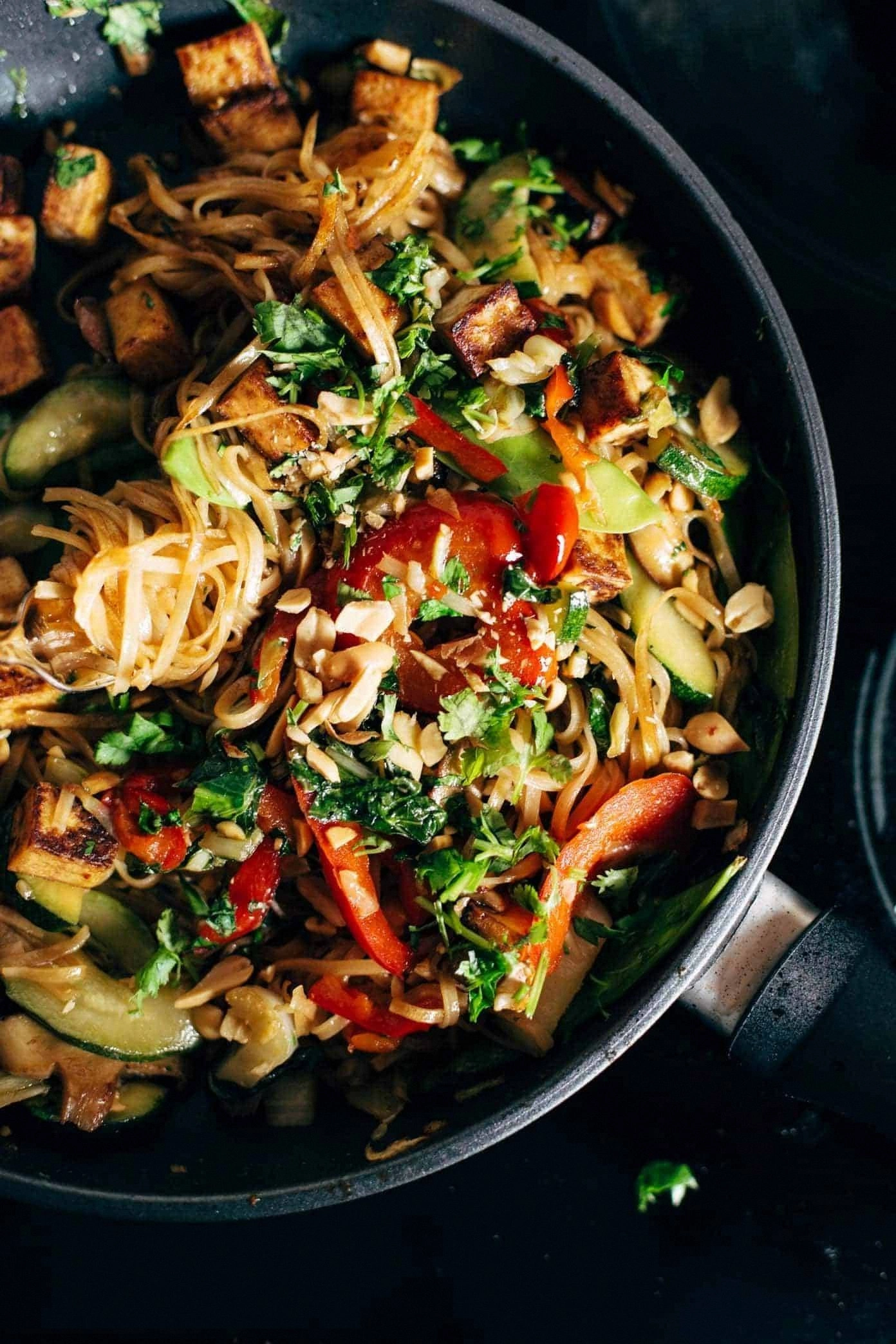
Add the sliced bell peppers, carrot ribbons, and snap peas. Stir‑fry for another two minutes – the vegetables should stay vibrant, not wilted. This is where color meets crunch; you’ll see the reds and oranges pop against the golden noodles, making the dish look as inviting as it tastes.
-
Now, pour in the sauce mixture: ¼ cup soy sauce, 2 tsp dark rice vinegar, 1 tbsp honey, and a splash of chicken broth (or water) to thin it just enough to coat. The sauce should bubble and thicken within a minute, clinging to every noodle strand like a glossy veil. Taste it – it should be salty, slightly sweet, and have a faint tang that makes your tongue tingle.
-
Toss the noodles back into the center of the wok, mixing them thoroughly with the sauce and vegetables. At this point, the noodles will absorb the sauce, turning a deep amber color. Drizzle the toasted sesame oil and sprinkle chili flakes to taste. The oil adds a nutty perfume, while the flakes give that whisper of heat that lingers after each bite.
Kitchen Hack: Finish the dish with a handful of fresh cilantro or Thai basil; the herb’s bright flavor lifts the whole plate. -
Give everything a final quick toss, then turn off the heat. Let the dish sit for 30 seconds – this rest lets the noodles finish soaking up the sauce without overcooking. It’s a brief pause that makes the difference between “wet noodles” and “perfectly glossy strands.”
-
Serve immediately, garnished with the green tops of scallions, a sprinkle of toasted sesame seeds, and an optional squeeze of lime for brightness. The plate should look glossy, colorful, and inviting – a visual promise that the flavors inside are just as bold.
-
That’s it — you did it. But hold on, I’ve got a few more tricks that'll take this to another level…
Insider Tricks for Flawless Results
The Temperature Rule Nobody Follows
Never let your wok cool down between steps. A hot wok creates a “sear” on the noodles and vegetables, locking in flavor and texture. If you notice the oil thickening or the ingredients sticking, crank the heat back up for a few seconds. I once tried to be gentle and let the wok sit – the result was soggy noodles that clung together like old shoelaces.
Why Your Nose Knows Best
Your sense of smell is the ultimate doneness gauge. When the garlic and ginger become fragrant, that’s your cue to add the veggies. When the sauce starts to bubble and emit a slightly caramelized scent, you know it’s thickening just right. Trusting your nose saves you from over‑cooking and ensures each component hits its flavor peak.
The 5‑Minute Rest That Changes Everything
After you turn off the heat, let the stir fry rest for exactly five minutes. During this time, the noodles continue to absorb the sauce, and the flavors meld. Skipping this rest leaves the dish tasting disjointed, as if each bite were a separate component rather than a harmonious whole.
The “Oil‑First” Technique
Adding a splash of oil before the sauce prevents the sauce from seizing and turning grainy. This technique creates a glossy emulsion that coats the noodles uniformly. I tried pouring the sauce directly into a dry wok once – the sauce clumped and left a gritty texture that ruined the dish.
Seasoning at the End
A final pinch of flaky sea salt added just before serving brightens every flavor. It’s like turning up the volume on a song you love – the dish suddenly feels more alive. Too much salt earlier can mask the subtle acidity of the rice vinegar, so hold back until the very end.
Creative Twists and Variations
This recipe is a playground. Here are some of my favorite ways to switch things up:
Spicy Szechuan Kick
Swap the chili flakes for a tablespoon of Szechuan peppercorn oil and add a dash of doubanjiang (fermented bean paste). The result is a tongue‑tingling, numbing heat that pairs perfectly with the sweet honey base.
Veggie‑Only Delight
Leave out any meat and double the vegetables – add baby corn, bok choy, and shiitake mushrooms. Finish with a splash of toasted sesame oil and a sprinkle of toasted pumpkin seeds for crunch.
Protein Power
Add sliced chicken breast, shrimp, or tofu cubes after the garlic‑ginger step. Cook them until just opaque, then proceed with the veggies. This makes the dish a balanced meal that satisfies both vegans and meat‑eaters.
Coconut‑Infused Twist
Replace half the chicken broth with coconut milk and add a teaspoon of curry powder. The creamy coconut undercurrent adds a tropical flair that pairs beautifully with the lime garnish.
Smoky BBQ Fusion
Stir in a tablespoon of BBQ sauce and a pinch of smoked paprika during the sauce step. The smoky sweetness creates a cross‑cuisine experience that’s unexpectedly delightful.
Storing and Bringing It Back to Life
Fridge Storage
Allow the stir fry to cool to room temperature, then transfer it to an airtight container. It will keep for up to three days. When reheating, add a splash of water or broth and stir‑fry on medium heat for two minutes – the steam revives the noodles and prevents them from drying out.
Freezer Friendly
Portion the cooled stir fry into freezer‑safe bags, removing as much air as possible. It freezes well for up to two months. To reheat, thaw overnight in the fridge, then stir‑fry with a little oil and a splash of water until hot and glossy.
Best Reheating Method
The secret to perfect reheating is the “steam‑flash” technique: place a tablespoon of water in the wok, cover with a lid for 30 seconds, then uncover and toss the noodles quickly. This restores the original texture and makes the sauce cling as if freshly made.