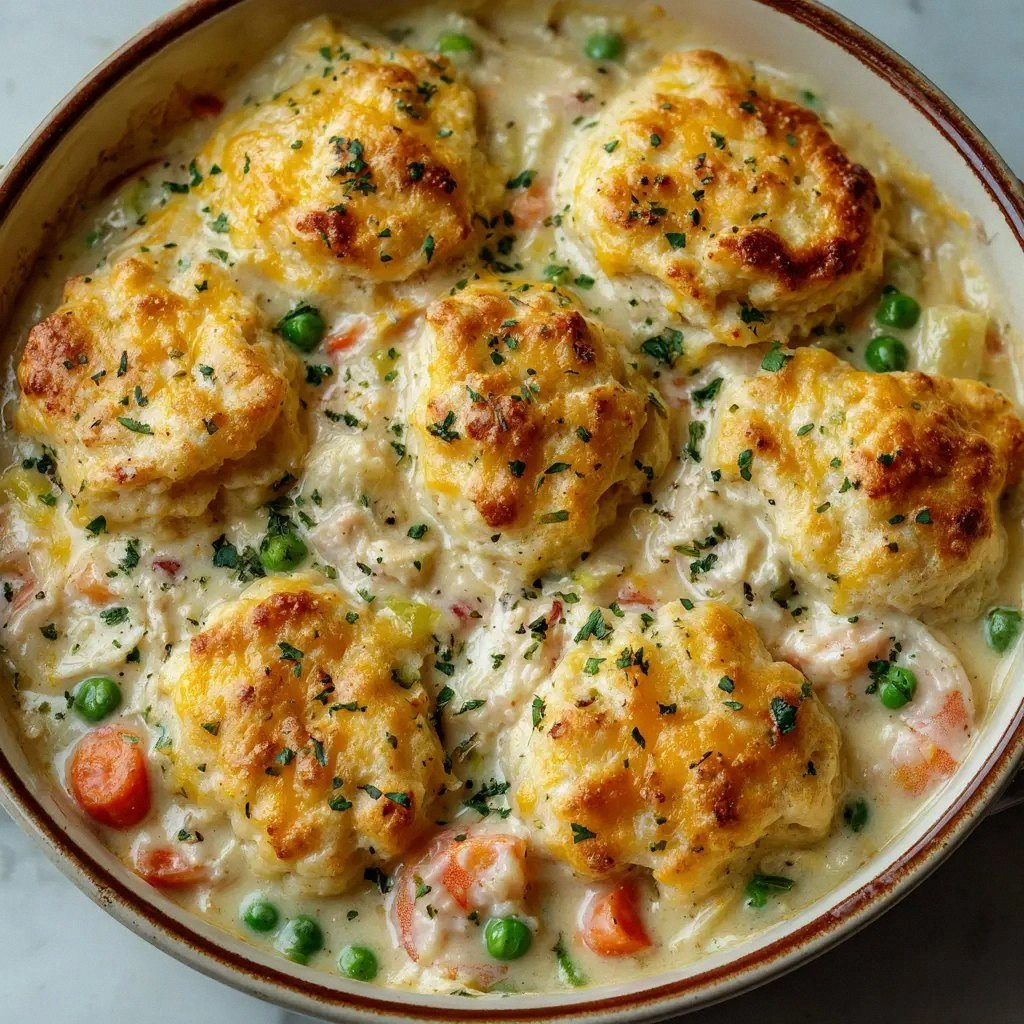
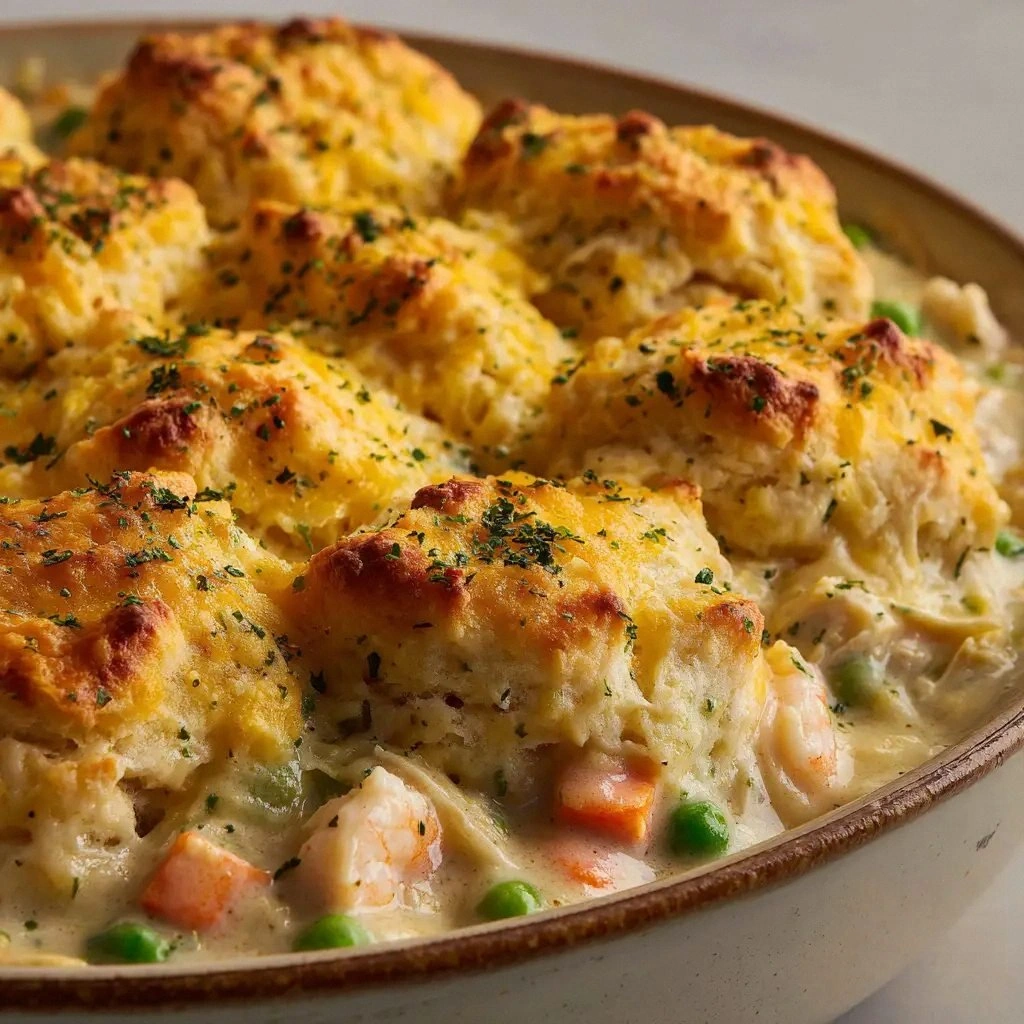
Picture this: it’s a rainy Thursday, the kitchen lights flicker, and the pantry feels like a treasure chest. I was staring at a half‑cooked shrimp stir‑fry that had turned into a soggy, flavorless mess, and my friend dared me to whip up something that would make the whole house smell like a seaside festival. I grabbed my apron, because honestly, I’m not a fan of bland, and I knew the answer was a rustic seafood pot pie that sings. This isn’t just a pie; it’s a symphony of textures—crispy crust, velvety sauce, and a seafood medley that practically jumps out of the bowl.
From the moment I sliced the onions, the kitchen filled with a caramelized aroma that made my mouth water. The green peas popped with a bright pop, the carrots added a subtle sweetness, and the shrimp and crab gave a briny whisper that promised depth. The butter sizzled, the flour thickened into a roux that smelled like toasted bread, and the stock poured in, turning the mixture into a silky, golden broth. Each ingredient felt like a character in a play, and the whole dish was a stage where flavors danced. I could hear the clink of the ladle, see the steam rise, and taste the anticipation.
What makes this version stand out is the meticulous layering of flavors and the bold use of a buttery crust that’s flaky like a pastry dream. I’m not just cooking; I’m crafting an experience that will have your friends begging for the recipe. I dare you to taste this and not go back for seconds—though, I’m not sure that’s possible. The sauce coats the seafood like velvet, the crust crackles like thin ice, and the parsley finish gives a fresh, herbaceous lift that cuts through the richness. By the end of this post, you’ll wonder how you ever made it any other way.
Let me walk you through every single step—by the end, you’ll wonder how you ever made it any other way. I’ll share the secrets, the hacks, the pitfalls, and the moments of pure culinary joy that make this dish unforgettable. If you’ve ever struggled with a pot pie that turns out soggy or overcooked, you’re not alone—and I’ve got the fix. Picture yourself pulling this out of the oven, the whole kitchen smelling incredible, and the crust golden and crisp. Okay, ready for the game‑changer? Let’s dive in.
What Makes This Version Stand Out
- Flavor: The blend of shrimp, crab, peas, and carrots creates a symphony that balances sweet, savory, and briny notes. This harmony is achieved through precise timing and layering of ingredients.
- Texture: A buttery, flaky crust that contrasts with a silky, velvety sauce. The crust is light enough to crackle without becoming soggy.
- Ingredient Quality: Fresh, high‑quality seafood is the cornerstone; it elevates the dish beyond ordinary pot pies.
- Make‑ahead Potential: The pie can be assembled ahead of time and baked later, making it perfect for entertaining or meal prep.
- Visual Appeal: The golden crust and glossy sauce make it Instagram‑worthy while still feeling home‑cooked.
- Ease of Execution: Despite the gourmet flavor profile, the steps are straightforward and beginner‑friendly.
- Audience Impact: Guests rave about the unexpected depth of flavor; it’s a conversation starter at dinner tables.
- Seasonality: While it’s a general recipe, the use of fresh seafood makes it feel like a seasonal celebration whenever the market is good.
Alright, let’s break down exactly what goes into this masterpiece…
Inside the Ingredient List
The Flavor Base
Onion and garlic are the aromatic backbone, sautéed until translucent and fragrant. They provide the first layer of savory depth that anchors the seafood. If you skip them, the dish loses its foundational umami, turning the sauce into a bland, watery mix. A good tip: use a pinch of sea salt while sautéing to bring out the sweetness in the onions.
Stock is the liquid that carries the flavors together. I use a light seafood stock that’s not overpowering, allowing the shrimp and crab to shine. If you use a heavy, salted stock, the pie can become cloyingly salty. For a richer taste, consider adding a splash of white wine to the stock during simmering.
Heavy cream adds body and a subtle sweetness that balances the briny seafood. The cream’s fat content helps create a silky sauce that clings to the crust. If you’re looking for a lighter version, swap half the cream for milk or a low‑fat alternative, but the texture will be noticeably less luxurious.
The Texture Crew
Fresh shrimp provide a tender, juicy bite that melts in your mouth. I recommend thawing them in cold water for 30 minutes to keep the texture firm. If you use pre‑cooked shrimp, the texture may become rubbery, especially if overcooked. A quick blanch before adding them to the sauce can help maintain firmness.
Crab meat is the star that delivers a delicate, sweet flavor. I use lump crab meat for its generous chunks and natural sweetness. If you can’t find lump crab, a mix of claw and body meat works, but you’ll lose some of that luxurious bite. Keep the crab chilled until you’re ready to mix to preserve its fresh texture.
Frozen peas and diced carrots add pops of color and sweetness. Thaw the peas just before use to avoid excess moisture that could make the sauce watery. Carrots bring a subtle earthiness that balances the bright flavors of the seafood.
The Unexpected Star
The crust is where the magic happens. A combination of all‑purpose flour, baking powder, cold butter, and a touch of milk creates a flaky, golden pastry that’s surprisingly light. The cold butter is essential; it creates steam pockets that puff the crust during baking. If you use room‑temperature butter, the crust will be dense and less flaky.
Cheddar cheese adds a savory, melty layer that melts into the crust, giving it a golden, cheesy finish. The cheese also adds a subtle sharpness that cuts through the richness of the sauce. If you’re dairy‑intolerant, consider a lactose‑free cheddar or a blend of nut cheeses for a similar effect.
The Final Flourish
Parsley flakes provide a fresh, herbal brightness that lifts the entire dish. They’re added at the end to preserve their color and flavor. If you prefer a milder herb, try chives or dill instead. A pinch of smoked paprika can add a subtle depth of flavor without overpowering the seafood.
Everything’s prepped? Good. Let’s get into the real action…
The Method — Step by Step
- Heat a large skillet over medium heat and melt 0.25 cup of butter. Add diced onion and minced garlic; sauté until the onion turns translucent and releases a sweet fragrance. This is the moment of truth—if the onions brown, the sauce will taste bitter. Keep the heat moderate to avoid burning.
- Stir in 0.25 cup of all‑purpose flour to create a roux. Cook for 2 minutes, whisking constantly, until the mixture turns a light golden color. The roux thickens the sauce and eliminates raw flour flavor. Watch the color; it should resemble toasted bread, not burnt.
- Pour in 1.5 cups of seafood stock slowly while whisking to prevent lumps. Bring the mixture to a gentle simmer; it should thicken into a velvety sauce. If it’s too thick, add a splash of milk; if too thin, let it reduce further.
- Add 1 cup of heavy cream, 1 cup of diced carrots, 1 cup of frozen peas, and 0.5 cup of chopped onion. Stir until the vegetables are tender and the sauce is smooth. This is where the colors start to pop, and the kitchen smells like a coastal sunrise.
- Fold in 1 lb of raw shrimp and 8 oz of lump crab meat. Season with 1 tsp of kosher salt and 1 tsp of dried parsley flakes. Cook for 3-4 minutes until the shrimp turn pink and the crab warms through. Be careful not to overcook; the seafood should remain tender.
- In a separate bowl, whisk together 2 cups of all‑purpose flour, 1 tbsp of baking powder, and 0.5 cup of cold unsalted butter cut into small cubes. Toss until the mixture resembles coarse crumbs. This dry mixture will form the base of the crust.
- Pour the seafood mixture into a greased pie dish. Sprinkle 1 cup of shredded yellow cheddar cheese evenly over the top. The cheese will melt into the crust, creating a golden, bubbly layer.
- Top with the dry crumb mixture, pressing it down gently to cover the cheese layer. Drizzle 2 tbsp of melted butter over the crust to encourage browning. Bake in a preheated oven at 375°F (190°C) for 30 minutes, or until the crust is golden brown and the filling is bubbling.
- Let the pie rest for 10 minutes before slicing. This resting period allows the sauce to set, making it easier to serve. The crust will firm up slightly, ensuring a clean bite each time.
- Serve hot with a side of crusty bread or a simple green salad. The contrast of the buttery crust with a fresh salad balances the richness beautifully. Enjoy the applause from your guests as they dig in.
That's it — you did it. But hold on, I've got a few more tricks that'll take this to another level…
Insider Tricks for Flawless Results
The Temperature Rule Nobody Follows
Many chefs bake at a high temperature, but this recipe thrives at a moderate 375°F (190°C). The moderate heat allows the crust to brown evenly while keeping the filling from drying out. If you bake too hot, the crust will burn before the interior is fully cooked. I’ve seen this happen in a few of my early attempts; the crust was blackened, and the seafood was under‑cooked.
Why Your Nose Knows Best
Trust your nose to tell you when the crust is perfectly browned. The scent of toasted butter and melted cheese indicates the right moment. If you’re unsure, look for a deep golden hue. A good rule of thumb: the crust should feel firm but still have a slight give when pressed lightly.
The 5‑Minute Rest That Changes Everything
After baking, let the pie rest for at least five minutes. This allows the sauce to thicken and the crust to set, ensuring clean slices. During this brief pause, the flavors meld, and the pie’s texture improves dramatically. Skipping this step often results in a runny center.
Use Fresh Seafood for the Best Flavor
Fresh shrimp and crab carry a bright, briny taste that canned versions lack. When selecting seafood, look for firm flesh that doesn’t smell overly “fishy.” If you’re buying frozen, choose a reputable brand that offers a “flash‑frozen” option to preserve freshness.
Keep the Crust Flaky
Cold butter is essential for a flaky crust. If you can’t find cold butter, chill the dough in the fridge for 30 minutes before baking. This step helps create steam pockets that puff the crust during baking.
Creative Twists and Variations
This recipe is a playground. Here are some of my favorite ways to switch things up:
Smoky Chipotle Variation
Add a tablespoon of chipotle in adobo sauce to the sauce for a smoky heat that pairs beautifully with the seafood. The smoky undertone adds depth, making the dish feel like a midnight campfire meal. Perfect for a cozy gathering.
Herb‑Infused Crust
Incorporate fresh rosemary, thyme, and a pinch of garlic powder into the crust crumbs. The herbs infuse the crust with aromatic flavors that complement the seafood. Use dried herbs for a subtler note.
Vegan Version
Swap the shrimp and crab for sautéed mushrooms and chickpeas. Use a plant‑based milk and vegan cheddar to keep the dish creamy. This version delivers a hearty, umami‑rich flavor profile.
Low‑Carb Alternative
Replace the all‑purpose flour with almond flour in the crust, and reduce the amount of cheese to 0.5 cup. The crust remains flaky, and the dish stays lower in carbs while still delivering that buttery richness.
Breakfast Twist
Serve the pot pie in individual ramekins with a side of scrambled eggs. The savory, creamy filling pairs wonderfully with the fluffy eggs, creating a comforting breakfast.
Cheese Swap
Use smoked gouda or Gruyère instead of cheddar for a deeper, caramelized flavor. The cheese melts beautifully, adding a luxurious, slightly sweet finish.
Storing and Bringing It Back to Life
Fridge Storage
Store leftovers in an airtight container for up to 3 days. Keep the crust separate if possible to avoid sogginess. Reheat in the oven at 350°F for 10 minutes to restore crispness.
Freezer Friendly
Freeze the assembled pie (before baking) for up to 3 months. Thaw overnight in the refrigerator, then bake at 375°F for 35 minutes. The crust may be slightly softer but remains delicious.
Best Reheating Method
To reheat, preheat the oven to 350°F. Place the pie on a baking sheet and cover loosely with foil to prevent the crust from burning. Add a splash of water to the bottom of the pan to create steam, preserving moisture and restoring the sauce’s silkiness.