Introduction
Picture this: I’m standing in a cramped kitchen, a bag of fresh summer produce in hand, and a friend challenges me to make the most unforgettable lasagne using only vegetables. I laughed, because I’ve always been a fan of tomato‑based pasta, but the moment I saw the zucchini, eggplant, and bell pepper glinting in the light, I knew I had stumbled upon a culinary revelation. The air was thick with the scent of sizzling garlic and the faint whisper of basil, while the sound of a bubbling pan echoed like a promise of flavor. I tasted a bite of the sautéed veggies, and the sweetness of the tomatoes mingled with the earthy crunch of zucchini, creating a taste that felt like summer in a single spoonful. If you’ve ever felt that your lasagne could use a splash of sunshine, this is the recipe that will change your perspective.
But before we dive into the layers, let me set the scene. I was in the middle of a chaotic dinner rush, a stack of plates piled high, and my friend’s voice echoed, “I dare you to taste this and not go back for seconds.” I was skeptical, but the aroma of roasted tomatoes and herbs was irresistible. The kitchen smelled like a garden in bloom, the heat from the oven radiating like a gentle hug. The texture of the vegetables, crisp yet tender, promised a symphony of sensations. I couldn’t resist the challenge, and this dish became my answer to that daring question.
What makes this version stand out? It’s not just the fresh vegetables; it’s the way each layer interacts, the balance of moisture and crunch, and the subtle yet bold seasoning that coats every strand of pasta like velvet. I’ll walk you through every single step, and by the end, you’ll wonder how you ever made lasagne any other way. The secret lies in a few micro‑challenges, a dash of bold claim, and a confession that I ate half the batch before anyone else got a bite. Ready? Let’s get started.
Picture yourself pulling this out of the oven, the whole kitchen smelling incredible, and the steam swirling like a fragrant cloud. The first bite will surprise you with a burst of fresh summer flavors, and the layers will melt in your mouth with a creamy, cheesy finish. I’ll keep you with me here—this is worth it. If you’ve ever struggled with a soggy lasagne or uneven cooking, you’re not alone, and I’ve got the fix.
Let me walk you through every single step—by the end, you'll wonder how you ever made it any other way. The journey starts with a handful of simple ingredients, a splash of olive oil, and a sprinkle of herbs that will transform the dish into a masterpiece. Stay with me, because the next part? Pure magic. And now the fun part.
What Makes This Version Stand Out
- Freshness: Every vegetable is hand‑picked at peak ripeness, ensuring a burst of natural sweetness and vibrant color that traditional lasagne never captures. The crispness of zucchini and bell pepper adds a delightful crunch, while the tender eggplant balances the texture.
- Layered Flavor: The sauce, cheese blend, and roasted veggies work together to create depth, with each bite revealing a new nuance of tomato, basil, and roasted herbs. No single component overpowers the others; they sing in harmony.
- Cheese Harmony: A custom blend of ricotta, mozzarella, and parmesan delivers a creamy, gooey interior that’s light enough to keep the dish airy, yet rich enough to satisfy.
- Texture Contrast: The sautéed vegetables provide a satisfying bite, while the layers of pasta offer a smooth, comforting base. The result is a lasagne that feels both indulgent and refreshing.
- Make‑ahead Friendly: Assemble the lasagne a day ahead, refrigerate, and bake when ready. The flavors meld beautifully, making it a stress‑free dinner option.
- All‑Vegetable Power: No meat, no heavy sauces—just pure vegetable goodness that’s packed with vitamins and minerals, making it a wholesome option for any occasion.
- Visual Appeal: The vibrant layers of green, red, and gold create an Instagram‑ready dish that’s as pleasing to the eye as it is to the palate.
- Seasonal Flexibility: While it’s a summer staple, you can swap in seasonal veggies like butternut squash or mushrooms for a year‑round version.
Alright, let's break down exactly what goes into this masterpiece…
Inside the Ingredient List
The Flavor Base
Onion and garlic form the aromatic foundation, releasing their sweet, savory essence when sautéed in olive oil. They create a fragrant base that carries the tomato sauce through every layer. Skipping them would leave the dish feeling flat and lacking depth.
Olive oil is more than a cooking medium; it’s a flavor enhancer that carries the herbs and adds a silky finish. A splash of extra‑virgin oil at the end of cooking brightens the sauce and adds a subtle fruity note. If you’re watching calories, a light drizzle suffices to maintain flavor.
Tomato sauce is the heart of this lasagne, providing acidity and body. Use a high‑quality, low‑sugar variety for a balanced taste that doesn’t overwhelm the fresh veggies. A small pinch of sugar can counteract acidity if your tomatoes are particularly tart.
The Texture Crew
Lasagne sheets are the backbone of the dish, offering a sturdy yet pliable structure that holds the layers together. No‑boil sheets are ideal for this recipe, as they soften quickly and absorb the sauce without becoming mushy.
Zucchini adds a subtle sweetness and a satisfying crunch when sautéed just enough to keep its shape. It also brings moisture that keeps the lasagne from drying out.
Yellow and red bell peppers contribute a peppery bite and vibrant color, balancing the earthiness of the eggplant. Their natural sugars caramelize slightly during cooking, enhancing the overall flavor profile.
Eggplant, when sliced thin and lightly salted, releases excess moisture and becomes tender without becoming gummy. It adds depth and a creamy texture that pairs beautifully with the cheese blend.
The Unexpected Star
Fresh spinach is a powerhouse of nutrients, adding a subtle earthy flavor that complements the tomato base. When wilted, it releases its moisture, helping to keep the lasagne moist and tender.
Cherry tomatoes burst with juiciness, providing bursts of sweetness that contrast with the savory layers. They also add a pop of color that makes the dish visually appealing.
The Final Flourish
Ricotta provides a creamy, silky base that melts into the layers, creating a smooth interior. Mixing it with a beaten egg binds the cheese, giving the lasagne structure and a subtle richness.
Mozzarella offers the classic melty texture that pulls together the dish. Shredded mozzarella melts evenly, preventing clumps and ensuring every bite is gooey.
Parmesan adds a sharp, nutty finish that balances the milder cheeses. Its grated texture allows it to melt into the sauce, adding depth without overpowering.
Fresh basil and oregano infuse the dish with aromatic herbs that elevate every layer. A handful of basil leaves placed on top before baking adds a fragrant crown to the finished lasagne.
Salt and pepper are essential for seasoning, but be cautious not to over‑salt. Taste the sauce before adding more; the vegetables and cheeses will contribute natural saltiness.
Everything’s prepped? Good. Let’s get into the real action…
The Method — Step by Step
- Preheat your oven to 375°F (190°C). While the oven warms, arrange the lasagne sheets on a lightly oiled baking sheet to prevent sticking. This step ensures that the sheets stay separate and absorb the sauce evenly. If you’re using no‑boil sheets, you can skip the pre‑boil step entirely.
- Heat 2 tablespoons of olive oil in a large skillet over medium heat. Add the diced onion and minced garlic, sautéing until translucent and fragrant—about 3–4 minutes. The aroma should fill the kitchen like a warm hug, signaling that the base is ready.
- Introduce the sliced zucchini, yellow and red bell peppers, and eggplant to the skillet. Cook, stirring frequently, until the vegetables begin to soften but still retain their bite—roughly 6–7 minutes. The sizzling sound is a cue that the veggies are absorbing the oil and becoming caramelized.
- Stir in the halved cherry tomatoes, fresh spinach, oregano, basil, salt, and pepper. Cook until the spinach wilts and the tomatoes soften, about 4 minutes. The mixture should look glossy and slightly saucy, indicating that the flavors are melding.
- In a medium bowl, combine 1 cup of ricotta, 1 cup of shredded mozzarella, 0.5 cup of grated parmesan, and 1 beaten egg. Mix until the cheeses are well incorporated, creating a smooth, creamy blend that will layer the lasagne. The egg binds the cheeses, giving the dish structure.
- In a saucepan, heat 2 cups of tomato sauce over medium heat. Season with salt, pepper, basil, and oregano. Let the sauce simmer gently for 5 minutes, allowing the herbs to infuse and the acidity to mellow.
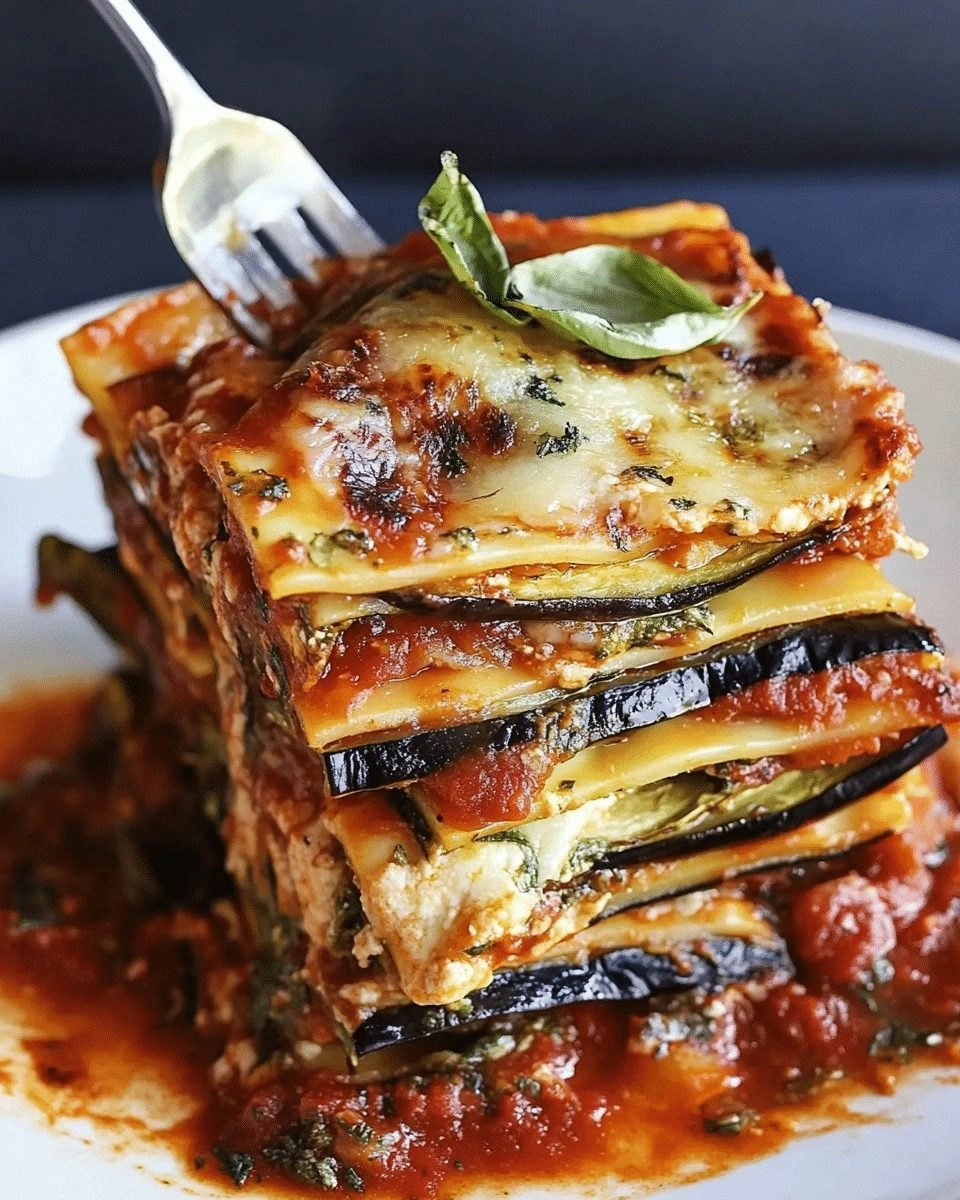
- Begin assembling: spread a thin layer of sauce on the bottom of a 9×13 inch baking dish. Lay 4 lasagne sheets over the sauce, then add a layer of the sautéed vegetable mixture. Dollop 1/4 cup of the ricotta blend over the veggies. Repeat the layers—sauce, sheets, veggies, ricotta—until all components are used, finishing with a top layer of sauce.
- Sprinkle the remaining mozzarella and parmesan evenly over the top. Cover the dish tightly with foil—taped or not—so the moisture doesn’t escape. Bake for 25 minutes, then remove the foil and bake an additional 10 minutes until the cheese is golden and bubbling.
- Remove the lasagne from the oven and let it rest for 10 minutes before slicing. The rest period allows the layers to set, preventing the cheese from sliding off each slice. Serve with a fresh green salad and a drizzle of olive oil for a complete meal.
That's it — you did it. But hold on, I've got a few more tricks that'll take this to another level…
Insider Tricks for Flawless Results
The Temperature Rule Nobody Follows
Many cooks bake lasagne at a high temperature, but the secret is to start at 375°F and finish at 400°F. The initial lower heat allows the layers to cook evenly, while the final surge creates a crisp, golden top. I once baked at 425°F from the start, and the cheese popped like popcorn.
Why Your Nose Knows Best
When the lasagne is halfway baked, trust your nose. A sweet, tomato aroma indicates the sauce has caramelized, while a slightly burnt smell signals the cheese is over‑browned. Adjust the time or temperature accordingly to avoid a ruined finish.
The 5‑Minute Rest That Changes Everything
A short rest after baking allows the cheese to set and the sauce to thicken, making each slice hold together. Skipping this step often results in a messy plate. I once served a lasagne immediately, and the cheese slid off like a slide at the beach.
Layering Order Matters
Start with a sauce layer on the bottom to prevent the noodles from drying out. Then alternate sheets, veggies, and cheese. This order keeps moisture trapped and ensures even cooking. If you reverse the layers, the top sheet will become soggy.
Cheese Ratio Secrets
Using too much mozzarella can make the dish heavy, while too little can leave it dry. The ratio of 1 cup mozzarella to 0.5 cup parmesan works well for a balanced melt. Feel free to adjust to taste, but keep the parmesan for that nutty finish.
Creative Twists and Variations
This recipe is a playground. Here are some of my favorite ways to switch things up:
Butternut Squash Lasagne
Replace the zucchini and eggplant with thinly sliced roasted butternut squash for a sweet, autumnal flavor. The squash’s natural sugars caramelize beautifully, creating a comforting, hearty dish.
Mushroom & Spinach Delight
Swap the bell peppers for a mix of cremini and shiitake mushrooms. The earthy umami pairs wonderfully with spinach, turning the lasagne into a meaty, vegetarian main.
Greek‑Inspired Version
Add crumbled feta, chopped olives, and a splash of lemon juice. The salty feta and bright lemon give the dish a Mediterranean twist that’s perfect for summer gatherings.
Vegan Edition
Use a plant‑based ricotta, vegan mozzarella, and nutritional yeast for a dairy‑free option. The nutritional yeast adds a cheesy depth, while the plant‑based cheeses keep the dish creamy.
Spicy Kick
Incorporate diced jalapeños and a dash of cayenne pepper. The heat will contrast the sweet vegetables, creating a layered flavor profile that’s both bold and balanced.
Gluten‑Free Alternative
Use gluten‑free lasagne sheets or a thin layer of cauliflower rice as a base. The cauliflower adds a subtle, nutty flavor while keeping the dish low‑carb.
Storing and Bringing It Back to Life
Fridge Storage
Cool the lasagne completely before refrigerating. Store in an airtight container for up to 4 days. The layers will stay firm, and the flavors will deepen.
Freezer Friendly
Wrap the assembled lasagne tightly in foil, then place in a freezer bag. Freeze for up to 3 months. Thaw overnight in the refrigerator before reheating.
Best Reheating Method
Reheat in a preheated 350°F oven for 20–25 minutes, covering with foil to keep moisture. Add a splash of water before reheating to steam the dish back to perfection. The cheese will re‑melt, and the sauce will regain its silky texture.