I still remember the night I almost burned down the kitchen because I tried to make a quick dinner after a long work shift. I had a craving that was louder than the sizzling pan and louder than my own stubbornness: a bowl of something savory, protein‑rich, and comforting. I opened the fridge, stared at the lone bag of ground turkey, and thought, “If this is going to be a disaster, let it be a masterpiece.” That single decision to turn a simple pantry item into a flavor explosion changed the game for me.
Picture this: a skillet that’s already hot, a splash of olive oil that glistens like a calm lake, and the aroma of onions dancing in the air. The first sizzle as the ground turkey hits the pan is a cue that something good is about to happen. The sound is like a promise, the scent of garlic powder and crushed red pepper flakes swirling together, and the heat feels like a gentle hug. By the time the spinach starts to wilt, the kitchen smells like a Mediterranean summer afternoon, and the taste will be a blend of smoky salsa, creamy cottage cheese, and that subtle kick of heat. It’s the kind of dish that makes you say, “I dare you to taste this and not go back for seconds.”
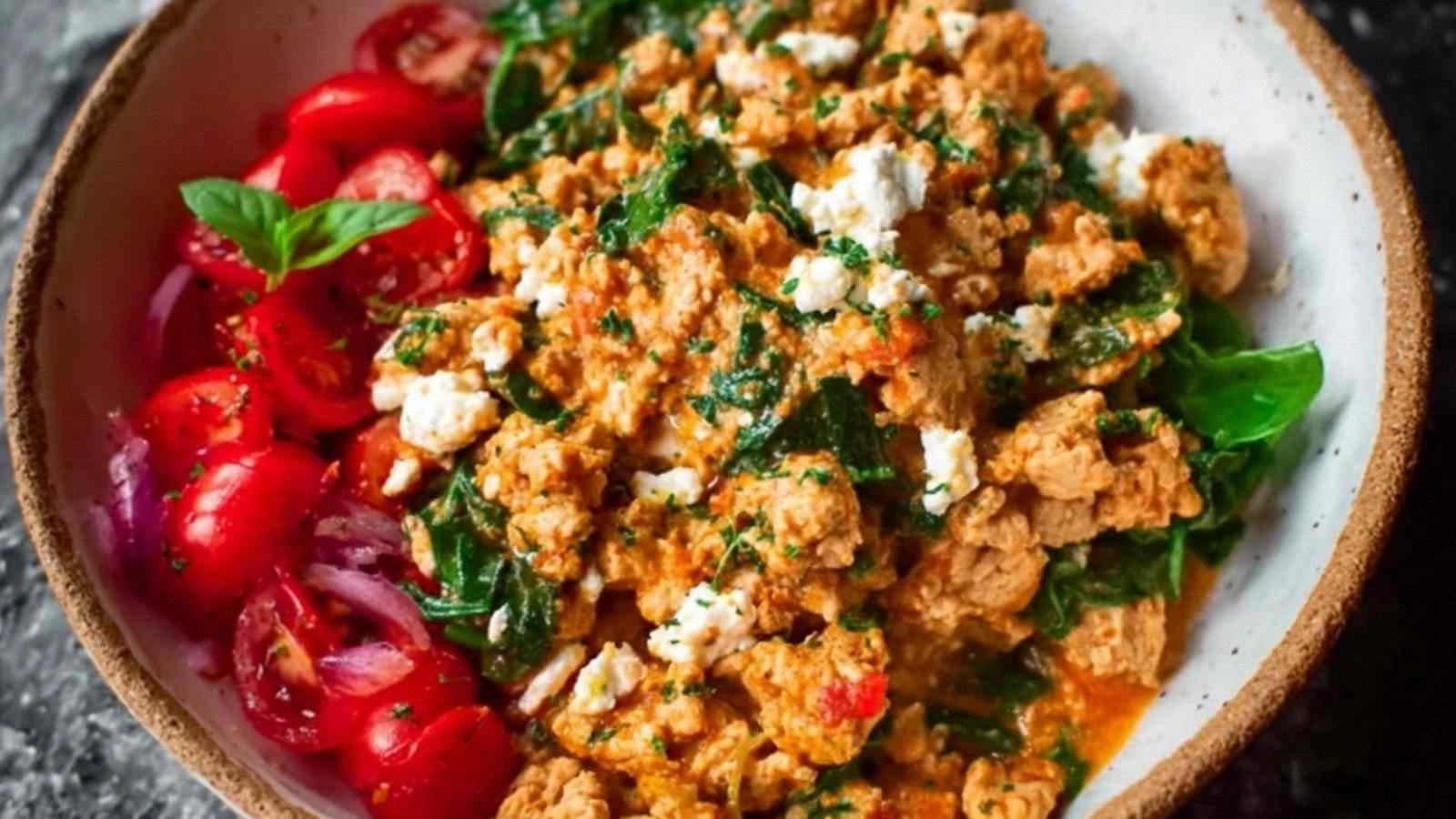
What sets this version apart isn’t just the ingredients; it’s the way they’re orchestrated. I’ve taken the classic turkey bowl and elevated it with fresh spinach for a green punch, cottage cheese for that silky texture, and a homemade salsa base that’s both vibrant and deep. The Worcestershire sauce adds a layer of umami that you don’t get from store‑bought mixes, while the butter brings a luxurious mouthfeel. Every bite feels like a comforting hug wrapped in a spicy, savory blanket. Trust me, this is hands down the best version you’ll ever make at home.
I’ll be honest — I ate half the batch before anyone else got to try it, and the second round was a no‑question win. Most recipes get this completely wrong by over‑cooking the turkey or using a bland salsa, but here everything works in harmony. The balance of heat, creaminess, and freshness is precise, and the final result is a bowl that’s as satisfying as it is simple. Picture yourself pulling this out of the skillet, the whole kitchen smelling incredible, and your family or friends’ eyes widening in anticipation.
Okay, ready for the game‑changer? Let me walk you through every single step — by the end, you’ll wonder how you ever made it any other way.
What Makes This Version Stand Out
- Flavor Depth: The combination of hot salsa, Worcestershire sauce, and a touch of butter creates a layered taste that’s both spicy and comforting. The salsa’s acidity cuts through the richness, while the butter adds a silky finish.
- Texture Play: Ground turkey remains juicy yet tender, spinach offers a slight bite, and cottage cheese melts into a creamy coating that clings to every bite.
- Ingredient Quality: Using fresh spinach and real cottage cheese rather than processed substitutes elevates the dish’s nutritional profile and flavor.
- Ease of Prep: All steps can be done in a single skillet, making cleanup a breeze and the cooking time short.
- Make‑Ahead Friendly: The flavors meld even better the next day, so you can prepare this in bulk and reheat for busy evenings.
- Versatility: The base can be dressed up with different proteins or turned into a vegetarian version by swapping turkey for lentils.
- Audience Appeal: From kids who love the mild heat to adults craving a protein-packed meal, this dish satisfies all palates.
- Visual Appeal: The bright green spinach and red salsa create a vibrant, Instagram‑worthy bowl that looks as good as it tastes.
Alright, let's break down exactly what goes into this masterpiece...
Inside the Ingredient List
The Flavor Base
The hot salsa isn’t just a sidekick; it’s the heart of this dish, providing a bright, tangy backdrop that balances the richness of the turkey and the cottage cheese. Its heat comes from fresh chilies and tomatoes, creating a depth that a jarred version often lacks. If you skip it, the dish loses its signature zing, turning into a bland turkey stew. A good swap is a homemade salsa made with roasted peppers for a smoky twist.
Worcestershire sauce is the secret umami booster. It adds a savory depth that elevates the turkey’s flavor profile. Without it, the dish feels flat. If you’re vegan, try tamari or soy sauce as a substitute, though the flavor will shift slightly.
Butter adds a velvety richness that melts into the salsa, creating a silky coating on the turkey. Skipping the butter will make the dish less indulgent, but you can use olive oil instead for a lighter version.
The Texture Crew
Ground turkey is the protein backbone. It’s leaner than beef, so it stays moist when cooked properly. Overcooking can dry it out; keep the heat moderate and stir frequently. If you want a different protein, ground chicken or turkey breast works similarly.
Cottage cheese brings a creamy, slightly tangy element that coats the turkey and spinach. It also adds a boost of calcium and protein. If you prefer a smoother texture, blend the cottage cheese before adding it to the skillet.
Spinach is the green hero, offering vitamins and a slight earthiness. It wilts quickly, so add it toward the end to preserve its bright color and nutrients. A swap could be kale or Swiss chard for a heartier bite.
Onion adds a sweet, caramelized flavor when sautéed. Using a mix of white and yellow onions can deepen the sweetness. If you’re allergic, finely diced carrots or celery can provide a similar crunch.
The Unexpected Star
Crushed red pepper flakes give a subtle heat that’s not overpowering. They’re a great way to control spice levels; add more for a fiery kick or less for a milder taste. The dried oregano and basil add aromatic warmth, reminiscent of a Mediterranean garden. If you’re out of dried herbs, fresh ones will work, but use half the amount to avoid bitterness.
Garlic powder and garlic salt provide a quick, uniform garlic flavor without the need for mincing. They’re pantry staples that blend seamlessly into the sauce. If you have fresh garlic, a few cloves minced will give a fresher bite.
The Final Flourish
Extra virgin olive oil is the cooking medium that keeps everything from sticking and adds a fruity undertone. Use a high‑quality oil for the best flavor. If you’re watching sodium, reduce the amount of Worcestershire and salt.
Salt and pepper are the final seasoning touch. They’re added at the end to fine‑tune the flavor profile. Over‑salting earlier can cause the dish to taste flat, so keep them to taste.
Everything’s prepped? Good. Let’s get into the real action...
The Method — Step by Step
- Heat the extra virgin olive oil in a large, heavy‑bottom skillet over medium‑high heat until it shimmers. This quick pre‑heat ensures the oil is hot enough to sear the turkey without sticking. The first sizzle is a promise that the flavor journey is about to begin.
- Add the diced onion, stirring until it turns translucent and releases a sweet aroma. Sauté for about 2 minutes; the onion should be soft but still hold a slight bite. This step builds a savory base that grounds the dish.
- Introduce the ground turkey, breaking it apart with a wooden spoon. Cook until it turns a golden brown, about 5–7 minutes. Keep the heat steady—too high and you’ll burn the edges; too low and the turkey will steam instead of brown.
- Stir in the garlic powder, garlic salt, crushed red pepper flakes, dried oregano, and dried basil. Let the spices toast for 30 seconds, releasing their essential oils. The aroma at this point is intoxicating, hinting at the depth to come. Kitchen Hack: Use a splatter guard or a lid partially covering the skillet to keep hot oil from flying, keeping your stove clean.
- Pour in the hot salsa and Worcestershire sauce, then add the butter. Stir until the butter melts completely and the mixture coats the turkey. The sauce should be glossy and slightly thick, like a well‑balanced gravy.
- Add the fresh spinach, letting it wilt into the sauce. The spinach should shrink to a dark, glossy green, releasing a subtle earthy note. Stir constantly to prevent the spinach from sticking to the pan.
- Reduce the heat to medium and pour in the cottage cheese, stirring until it melts into the sauce and creates a creamy, silky coating. This is the moment of truth—if the cheese doesn’t melt, the sauce will be lumpy. Watch Out: If the sauce starts to boil, lower the heat immediately; a rolling boil will cause the cheese to separate and become rubbery.
- Taste the mixture and season with salt and pepper to your preference. The flavors should be balanced—savory, slightly sweet, and just enough heat to keep your palate engaged.
- Serve hot, spooning the creamy mixture over a bed of cooked rice, quinoa, or crusty bread. Garnish with fresh herbs or a sprinkle of extra cheese if desired. The final presentation is a vibrant bowl that looks as good as it tastes.
That's it — you did it. But hold on, I've got a few more tricks that'll take this to another level...
Insider Tricks for Flawless Results
The Temperature Rule Nobody Follows
Keep the skillet at a steady medium heat. A sudden spike can cause the turkey to brown too quickly and dry out. If the pan gets too hot, add a splash of water to re‑balance the temperature and keep the meat juicy.
Why Your Nose Knows Best
Your nose is the best judge of doneness. When the turkey starts to smell nutty and the salsa is fragrant, it’s a sign the flavors are melding. Trust that cue over a timer.
The 5-Minute Rest That Changes Everything
After removing the skillet from heat, let the mixture rest for 5 minutes. This allows the flavors to settle, and the residual heat will finish cooking the spinach and turkey. The rest period also lets the cottage cheese thicken slightly, giving the dish a silkier mouthfeel.
Avoiding the “Sour” Spinach
Spinach can become bitter if overcooked. Add it toward the end of cooking, just until wilted. If you’re using frozen spinach, thaw it fully and squeeze out excess water before adding.
The Secret to a Creamy Finish
If the sauce feels thin, add a tablespoon of plain Greek yogurt or a splash of milk to thicken it without losing the tang. Stir in slowly and monitor the consistency.
The One Ingredient That Saves the Day
A dash of balsamic vinegar at the end brightens the dish and balances the richness. A few drops can transform a good bowl into a great one, giving it a subtle acidity that lifts the entire flavor profile.
Creative Twists and Variations
This recipe is a playground. Here are some of my favorite ways to switch things up:
Mediterranean Medley
Swap the hot salsa for a roasted red pepper sauce and add chopped kalamata olives. The result is a briny, smoky dish that pairs beautifully with pita bread.
Spicy Cajun Kick
Replace the crushed red pepper flakes with Cajun seasoning and add a splash of hot sauce. This version is bold, smoky, and perfect for those who love a fiery bite.
Vegan Version
Use plant‑based ground turkey or lentils, substitute coconut cream for cottage cheese, and omit the Worcestershire sauce. The dish remains hearty and satisfying.
Breakfast Bowl
Serve the mixture over a bed of scrambled eggs or a poached egg, and sprinkle with chives. It’s a protein‑packed breakfast that keeps you full until lunch.
Gluten‑Free Delight
Serve over cauliflower rice or quinoa instead of regular rice. The texture changes, but the flavor stays intact.
Cheese‑Loaded Variation
Add shredded cheddar or mozzarella during the final stir. The melted cheese adds a gooey layer that makes the dish extra indulgent.
Storing and Bringing It Back to Life
Fridge Storage
Cool the dish to room temperature, then transfer to an airtight container. Store in the refrigerator for up to 3 days. The flavors will deepen, making it even more delicious.
Freezer Friendly
Divide the bowl into individual portions and freeze for up to 2 months. Thaw overnight in the fridge before reheating. The cottage cheese may separate slightly, but a quick stir will restore creaminess.
Best Reheating Method
Reheat in a skillet over medium heat, adding a splash of water or milk to keep it moist. Stir until the mixture is heated through and the cheese is fully melted. The added liquid prevents the dish from drying out.