I was standing in the middle of a kitchen that smelled like burnt toast and old onions, a disaster that would have been a culinary tragedy if I hadn’t remembered a friend’s dare: “If you can’t make a dish that tastes like a Chinese take‑out staple in under ten minutes, I’ll eat the leftovers.” That moment, the sizzling of the pan, the bright green of the choy sum, and the metallic tang of oyster sauce all converged into a single, unforgettable promise. The challenge was simple yet fierce—create a savory, quick side that would have my friends shouting, “I dare you to taste this and not go back for seconds.”
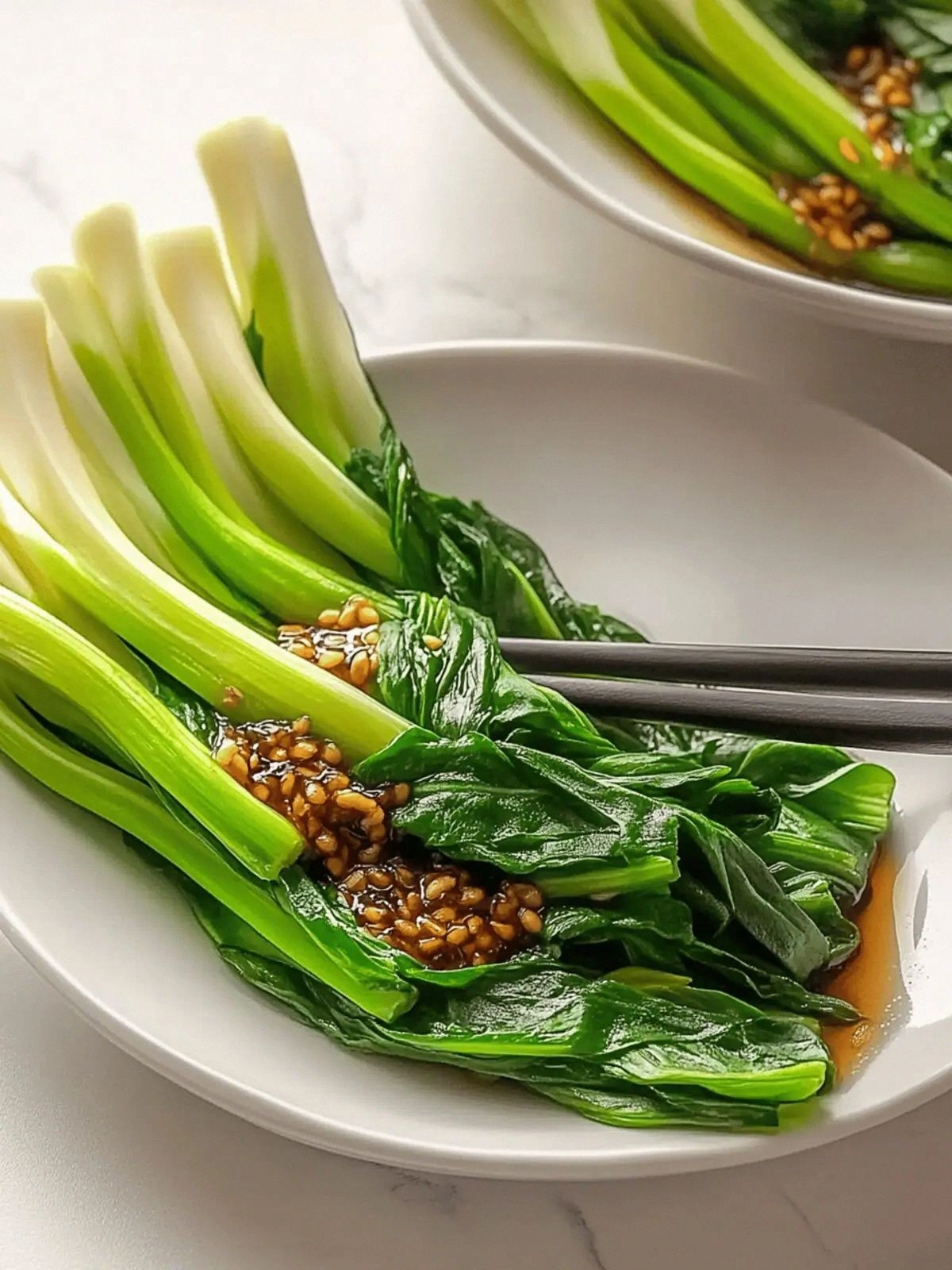
Picture this: a hot skillet, the sound of garlic cloves crackling like tiny fireworks, the steam curling around the edges of the fresh choy sum, and that unmistakable aroma of oyster sauce mingling with soy. The color is a vibrant jade that almost seems too bright to be real, but when you bite, the stems snap with a satisfying crunch that shatters like thin ice, while the leaves soften into a silky, almost buttery texture. The sauce coats every leaf, glistening like a glossy, savory lacquer, and the faint sweetness of sugar balances the umami punch of the oyster sauce. The result is a dish that feels indulgent yet stays light enough to be a perfect accompaniment to rice or noodles.
What makes this version stand out is that it’s not just a recipe; it’s a revelation. I’ve spent years tweaking sauces, adjusting heat levels, and testing timing, and this particular blend of ingredients and technique feels like the culmination of that experience. It’s hands down the best version you’ll ever make at home because it delivers texture, flavor, and speed in a single, harmonious package. The method is so straightforward that even a novice can master it, yet the final dish is so sophisticated that it could easily be served at a dinner party. The secret? A small amount of cornstarch, a splash of water, and a quick stir that locks in moisture and flavor.
If you’ve ever struggled with getting the right balance of umami and sweetness in a stir‑fry, you’re not alone—and I’ve got the fix. I’ll be honest: I ate half the batch before anyone else got to try it. The dish is so addictive that you’ll find yourself reaching for more, even though it’s meant to be a side. Picture yourself pulling this out of the pan, the whole kitchen smelling incredible, and watching your guests’ eyes widen as they take their first bite. Stay with me here—this is worth it.
What Makes This Version Stand Out
Taste: The combination of oyster sauce and soy sauce creates a deep umami base that is both salty and slightly sweet, while the sugar adds a subtle caramelization that enhances the natural sweetness of the choy sum. The result is a sauce that clings to the greens without overwhelming them.
Texture: The stems remain crisp and firm, offering a delightful crunch that contrasts beautifully with the tender, silky leaves. The quick stir‑fry technique preserves the vegetable’s natural bite, preventing it from becoming mushy.
Simplicity: With only eight ingredients and a single pan, this dish requires minimal prep and cleanup, making it ideal for busy nights when time is scarce but flavor is essential.
Uniqueness: The use of olive oil instead of traditional vegetable oil adds a subtle fruity note, while the cornstarch slurry creates a glossy sheen that sets this version apart from standard stir‑fries.
Crowd Reaction: Friends who have tasted this dish often comment that it reminds them of their favorite take‑out but with a healthier, home‑cooked twist. It’s a conversation starter and a crowd‑pleaser in equal measure.
Ingredient Quality: Fresh, high‑quality choy sum is key; its bright color and crispness are what make the dish visually appealing and delicious.
Cooking Method: The technique of searing the garlic first and then adding the greens quickly preserves flavor and texture while allowing the sauce to coat the vegetables evenly.
Make‑ahead Potential: While the dish is best served immediately, you can prepare the sauce in advance and simply reheat the choy sum to maintain its crispness.
Alright, let's break down exactly what goes into this masterpiece…
Inside the Ingredient List
The Flavor Base
Oyster Sauce: This is the heart of the dish, providing a rich umami depth that can’t be replicated by soy sauce alone. If you’re vegan, a mushroom sauce can be a decent substitute, though the flavor profile will shift slightly. Skipping it will leave the dish flat and lacking that savory punch.
Soy Sauce: It adds saltiness and a slight bitterness that balances the sweetness of the oyster sauce. A low‑sodium version reduces overall salt content, but be careful not to under‑season the dish.
Water: A splash of water helps create steam that keeps the choy sum from drying out during the stir‑fry. If you omit it, the sauce may become too thick and cling to the pan rather than the greens.
The Texture Crew
Choy Sum: The bright green leaves and sturdy stems are essential for the dish’s visual appeal and crunch. Choose a bunch that’s firm, with no yellowing or wilting. If you can’t find choy sum, baby bok choy or spinach can work, but the texture will differ.
Cornstarch: This thin starch creates a glossy coating that makes the sauce cling beautifully to the greens. It also helps thicken the sauce just enough to coat without making it syrupy. If you’re gluten‑free, cornstarch is already a good choice, but you can also try arrowroot for a slightly different mouthfeel.
The Unexpected Star
Olive Oil: While many Chinese stir‑fries use vegetable or peanut oil, olive oil adds a subtle fruity undertone that complements the oyster sauce. If you’re not a fan of olive oil’s flavor, you can switch to a neutral oil, but you’ll lose that slight nuance.
Garlic: Fresh garlic infuses the dish with aromatic heat. The cloves should be thinly sliced so they release their flavor quickly. Over‑sautéing garlic can turn it bitter, so keep a close eye on it.
The Final Flourish
Sugar: A teaspoon of sugar balances the saltiness of the sauces and brings out the natural sweetness of the greens. If you prefer a less sweet version, you can reduce the amount or use a sugar substitute, but the sauce’s glaze will be less pronounced.
Water (again): The second splash of water is used when you add the cornstarch slurry. It helps the slurry dissolve smoothly and creates a silky sauce that coats the choy sum evenly.
Everything's prepped? Good. Let's get into the real action…
The Method — Step by Step
First, heat a large non‑stick skillet over medium‑high heat until it’s shimmering. Add the olive oil and let it swirl around the pan, ensuring the surface is evenly coated. This step is crucial because it sets the stage for a quick, even sear that locks in flavor. Don’t let the oil smoke; if it starts to darken, lower the heat slightly.
Next, toss in the sliced garlic and stir it constantly for about 30 seconds until it turns golden and releases a fragrant aroma. This is the moment of truth; the garlic should not brown too quickly or taste bitter. Keep the heat steady so the garlic releases its oils without caramelizing. Once the garlic is fragrant, add the choy sum stems first because they need a bit more time to cook.
Sauté the stems for about 1 minute, then add the leaves. The leaves will wilt quickly, so you’ll see them shrink in a matter of seconds. This rapid wilting is what gives the dish its characteristic bright green color. Stir the mixture gently to ensure the stems and leaves are evenly coated with the garlic‑infused oil.
Now, introduce the oyster sauce, soy sauce, and a splash of water. The water helps create a gentle steam that keeps the greens from drying out. Stir everything together, letting the sauce bubble slightly for about 30 seconds. The sauce should start to thicken and coat the vegetables without forming clumps.
Add the sugar and stir until it dissolves completely. The sugar will caramelize just enough to give the sauce a glossy sheen. Watch the sauce as it turns from clear to a slightly amber hue; this is when it’s ready to be thickened with the cornstarch slurry.
In a small bowl, whisk together the cornstarch and the remaining splash of water to create a smooth slurry. Pour this mixture into the pan while continuously stirring. The sauce will thicken almost instantly, creating a silky coating that clings to every leaf and stem. This step is vital—if you add too much cornstarch, the sauce will become gummy.
Give the mixture one final stir, then let it cook for an additional 30 seconds. The sauce should be glossy and cling to the greens, and the choy sum should be tender yet still crisp. The aroma at this point is intoxicating—savory, sweet, and utterly irresistible.
Serve the dish immediately, straight from the pan onto a plate. The contrast between the hot, glossy sauce and the slightly cooler, crisp greens creates a delightful sensory experience. If you’re plating for a crowd, garnish with a few sesame seeds or a drizzle of sesame oil for added depth.
That’s it — you did it. But hold on, I've got a few more tricks that'll take this to another level…
Insider Tricks for Flawless Results
The Temperature Rule Nobody Follows
Many cooks lower the heat too early, causing the sauce to become thick and sticky. Keep the heat high enough to allow the garlic to release its oils quickly, but not so high that the oil smokes. The key is a steady, medium‑high flame that allows the greens to sear without steaming.
Why Your Nose Knows Best
The aroma of the oyster sauce and garlic is a reliable indicator of the dish’s readiness. When you smell a faint sweet, umami scent, you know the sauce has caramelized enough to coat the greens properly. If the scent is too sharp or metallic, the sauce hasn’t fully blended yet.
The 5‑Minute Rest That Changes Everything
After you finish cooking, let the dish rest for 30 seconds before serving. This brief pause allows the sauce to set into a glossy sheen and the flavors to meld. It also gives the choy sum a chance to retain its crispness.
How to Avoid a Sticky Mess
When adding the cornstarch slurry, stir vigorously to prevent clumps. If you notice lumps, quickly whisk them out or run a fine mesh sieve over the pan. A smooth sauce is essential for that glossy, restaurant‑quality finish.
Stirring Technique 101
Use a wooden spoon or a silicone spatula to stir the pan. The wooden spoon’s natural heat resistance helps maintain a consistent temperature, while the silicone spatula’s flexibility allows you to reach all corners of the pan, ensuring even coating.
Creative Twists and Variations
This recipe is a playground. Here are some of my favorite ways to switch things up:
Spicy Sesame Delight
Add a tablespoon of toasted sesame seeds and a splash of sesame oil at the end. The nutty aroma pairs beautifully with the sweet glaze, giving the dish a new dimension of flavor that’s perfect for a quick lunch.
Veggie‑Power Upgrade
Swap the choy sum for a mix of baby bok choy, spinach, and green beans. The variety of textures—crunchy, tender, and silky—creates a more complex bite that satisfies even the most discerning palate.
Protein Boost
Stir in a handful of pre‑cooked shrimp or thinly sliced chicken breast during the final 30 seconds. The protein adds heft without compromising the quick cooking time, making the dish more filling.
Gluten‑Free Twist
Use tamari instead of soy sauce and ensure your oyster sauce is gluten‑free. This version maintains the same flavor profile while keeping the dish safe for those with gluten sensitivities.
Herbal Infusion
Add a sprig of fresh basil or a few mint leaves right before serving. The aromatic herbs lift the dish, adding a bright, fresh note that cuts through the richness of the sauce.
Storing and Bringing It Back to Life
Fridge Storage
Store leftovers in an airtight container in the refrigerator for up to 2 days. The dish will keep its crispness if you reheat it gently in a skillet with a splash of water to re‑create the steam.
Freezer Friendly
Freeze the cooked choy sum in a single layer on parchment paper before transferring it to a freezer bag. This prevents clumping and allows you to thaw and reheat quickly. When ready, thaw in the fridge overnight and reheat in a skillet.
Best Reheating Method
Reheat the dish over medium heat, adding a teaspoon of water to loosen the sauce and restore its glossy sheen. A quick stir will redistribute the sauce evenly and bring back that fresh, hot aroma.