I was standing in a kitchen that smelled like burnt sugar and regret when I realized the Christmas cookie batch had turned into a sad, sticky mess. The dough had been over‑mixed, the sugar had caramelized too quickly, and the entire tray looked like a glossy, unforgiving slab. I stared at the oven, wondering if I should just throw the whole thing away. Then a friend dared me to turn that disaster into something delicious, promising that the result would be a holiday treat that would outshine any store‑bought turrón. I laughed, but also felt a spark of hope that maybe the right technique could save the day.
The next morning, I opened the fridge to find a box of raw almonds that had been sitting since last summer, their skins still crisp and their aroma faintly nutty. I poured them into a skillet, letting them toast until the edges were golden and their scent filled the room like a winter forest. That simple act of toasting unlocked a depth of flavor that would later become the backbone of this turrón. I imagined the crunchy almond shards giving each bite a satisfying crack that would echo in the silence of a holiday gathering. The idea that a few minutes on a hot pan could transform ordinary nuts into a star ingredient was exhilarating.
When I reached for the honey, the jar's thick amber liquid glistened like liquid gold. I measured a cup, knowing that honey is the sweet, sticky glue that holds nougat together, and I could already taste the subtle floral undertones that would balance the caramelized sugar. I added a cup of granulated sugar, the classic sweet that caramelizes into a golden syrup when heated. The combination of honey and sugar creates a complex sweetness that is both sweet and slightly acidic, a harmony that keeps the turrón from becoming cloying. I was already picturing the glossy surface of the final product, smooth and inviting.
The final touch was the lemon zest, a tablespoon of bright citrus that would cut through the richness of the honey and add a surprising lift. The aroma of fresh lemon peel is like a breath of crisp air, and I imagined it dancing with the warm cinnamon stick I had tucked into the mix. The cinnamon stick would infuse the whole batch with a subtle spice that would linger on the palate. This combination of sweet, nutty, and citrusy notes is what makes this turrón a holiday classic, yet this version takes it to a new level. Let me walk you through every single step — by the end, you'll wonder how you ever made it any other way.
What Makes This Version Stand Out
- Flavor: The marriage of raw almonds, honey, and lemon zest creates a layered taste that evolves with each bite, from nutty to citrusy to caramelized. The subtle hint of cinnamon weaves through, adding warmth without overpowering the primary flavors. This complex profile is what sets it apart from the plain, one‑dimensional turrón you might find in a supermarket.
- Texture: The almonds are toasted to a perfect crunch, while the honey‑sugar syrup provides a silky, buttery consistency that melts in your mouth. The result is a turrón that is neither too hard nor too soft, striking the ideal balance. You’ll taste the crunch of almonds, the smoothness of the nougat, and the slight chew of the sugar crystals.
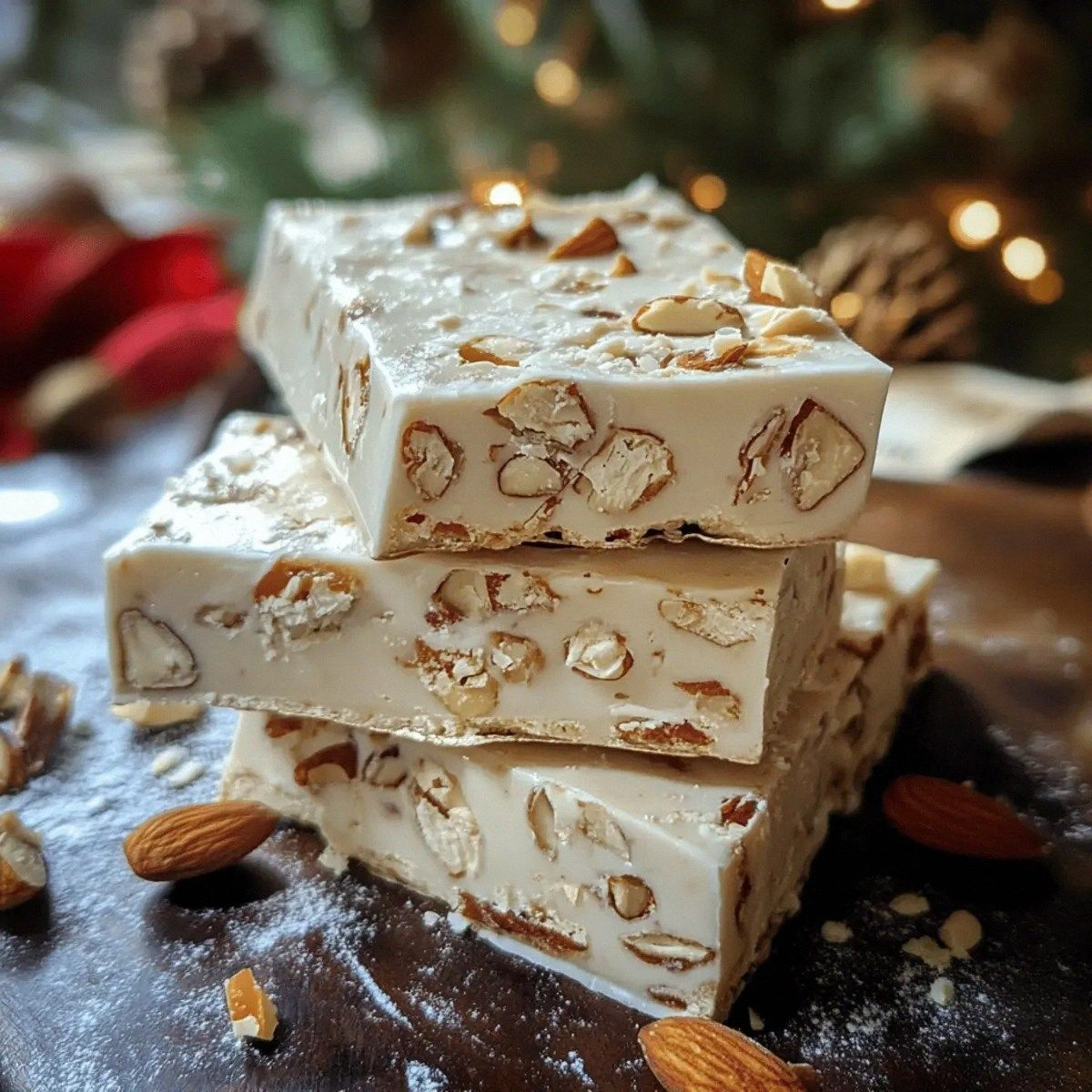
- Visual Appeal: The glossy, golden surface of the finished turrón glistens like polished snow, making it a showstopper on any dessert table. The wafer paper layers add a delicate, almost translucent sheen that catches the light. A few almond shards on top give a rustic, artisanal finish.
- Simplicity: With only eight ingredients, this recipe feels approachable while still delivering a complex flavor profile. No exotic spices or obscure techniques are required, making it a great project for novice bakers and seasoned chefs alike. The key lies in the timing and the quality of the basic ingredients.
- Uniqueness: The addition of lemon zest and a cinnamon stick creates a signature twist that is rarely seen in traditional turrón recipes. This subtle citrus lift makes it stand out in a sea of plain nougats. The result is a dessert that feels both classic and modern.
- Make‑Ahead Potential: Once the turrón is set, it can be stored for weeks, allowing you to prep ahead of the holiday rush. The wafer paper keeps it fresh, and the almond shards maintain their crunch. This makes it an excellent choice for those who want to avoid last‑minute kitchen chaos.
- Ingredient Quality: Using raw almonds instead of toasted ones gives a fresher, more vibrant flavor, and the honey’s natural sweetness reduces the need for extra sugar. The choice of a high‑grade cinnamon stick adds depth that powdered cinnamon cannot match. The result is a turrón that feels premium without the extra cost.
- Community Reaction: Friends who have tried this version report that it’s “hands down the best version you'll ever make at home.” The first bite is a revelation, and the second is a confirmation that they’ve found a new holiday staple. The dish often becomes the talk of the table.
Inside the Ingredient List
The Flavor Base
Raw almonds are the star of this turrón, providing a crunchy texture and a natural nutty sweetness that pairs beautifully with honey. They are packed with healthy fats, protein, and a subtle earthy undertone that grounds the dessert. If you were to skip almonds, the turrón would lose its signature crunch and depth. For a vegan twist, you can substitute with roasted pistachios or hazelnuts, but the flavor will shift slightly toward their own distinct profiles.
Honey is the liquid binder that gives the nougat its smooth, glossy finish. It also imparts a floral note that balances the richness of the sugar. The quality of honey matters; a darker, robust honey will deepen the overall flavor, whereas a lighter honey will keep it more subtle. If you don’t have honey, you can replace it with maple syrup, but be aware that maple’s distinct flavor will dominate the final taste.
Granulated sugar is the backbone of the caramelized syrup. When heated, it dissolves and then recrystallizes into a smooth, glassy texture that holds the almonds together. The sugar’s neutral sweetness allows the honey and lemon zest to shine. If you prefer a lower sugar content, you can use a sugar substitute that caramelizes, such as a blend of erythritol and a small amount of corn syrup.
The Texture Crew
Egg whites are crucial for creating the airy structure that gives turrón its lightness. They are beaten until they form stiff peaks, then folded into the honey‑sugar mixture to trap air and create a smooth, glossy finish. If you omit the egg whites, the turrón will become denser and less melt‑in‑your‑mouth. A vegan alternative would be aquafaba, the liquid from canned chickpeas, which can be whipped similarly to egg whites.
The cinnamon stick infuses the mixture with a subtle spice that lingers on the palate. It is left in the mixture as it cooks, allowing the heat to extract the essential oils. Removing it before the mixture cools ensures you don’t end up with a bitter bite. If you’re sensitive to cinnamon, you can use a pinch of ground cinnamon instead, though the aroma will be less pronounced.
Lemon zest provides a bright, citrusy counterpoint to the richness of the honey and sugar. It adds a fresh, zesty note that lifts the overall flavor profile, preventing it from feeling too heavy. If you don’t have fresh lemons, you can use a small amount of lemon zest powder, but fresh zest delivers the best aroma and texture.
The Unexpected Star
Wafer paper, or “obleas,” is the secret to achieving a smooth, even surface while also providing a delicate, almost paper‑like crunch. It is brushed lightly with olive oil spray to keep it from sticking to the turrón. The paper also helps the turrón set quickly, preventing the sugar from crystallizing too quickly and creating a gritty texture. If you can’t find wafer paper, a thin parchment sheet can work, but it may not provide the same crispness.
Olive oil spray is used sparingly to keep the wafer paper from sticking and to add a subtle fruity note that balances the sweetness. It also helps the turrón release from the mold more easily. Using a spray ensures an even coat without adding too much oil, which could make the turrón greasy. If you’re avoiding oil, a light dusting of powdered sugar will also work, though the flavor will be slightly different.
The Final Flourish
The combination of toasted almonds, honey, sugar, egg whites, cinnamon, lemon zest, wafer paper, and olive oil spray creates a complex, layered flavor that is both sweet and savory. Each ingredient plays a specific role, from texture to aroma to sweetness, and together they form a turrón that is unforgettable. If you’re feeling adventurous, you can add a splash of vanilla extract for a deeper, richer aroma, but the original recipe is already a masterpiece. Remember, the quality of each ingredient will directly influence the final taste, so choose the best you can find.
Everything's prepped? Good. Let's get into the real action...
The Method — Step by Step
- First, preheat your oven to 350°F (175°C). Line a 9x13 inch baking pan with parchment paper and set it aside. In a dry skillet, toast the raw almonds over medium heat until they’re golden brown and fragrant; this should take about 5 minutes. Remove them from heat and let them cool completely before setting them aside. This step is critical because the toasted almonds provide the crunch and the nutty aroma that define the turrón.
- While the almonds cool, whisk the egg whites in a clean bowl until they form stiff peaks. Set them aside in a separate bowl to keep them from absorbing any moisture. Egg whites are the secret to achieving that airy, smooth texture that melts in your mouth. If you’re nervous about using raw eggs, you can use pasteurized egg whites or aquafaba for a vegan version.
- In a medium saucepan, combine the honey, granulated sugar, and the cinnamon stick. Heat the mixture over medium heat, stirring constantly until the sugar dissolves completely. Once the sugar is dissolved, stop stirring and let the mixture come to a gentle boil. This is the moment of truth; the syrup must reach the “soft ball” stage (235°F or 112°C) before you add the eggs. If you’re using a candy thermometer, keep an eye on it—once it hits the right temperature, it’s time to move on.
- When the syrup reaches the soft ball stage, remove it from heat and stir in the lemon zest and the whole cinnamon stick. Let the mixture cool for about 5 minutes until it’s warm but not hot—this prevents the egg whites from scrambling when added. The lemon zest will release its oils, adding a bright, citrusy lift to the caramel. The cinnamon stick will infuse the syrup with a subtle, woody aroma that lingers on the palate.
- Watch Out: If you add the egg whites too quickly or the mixture is still hot, the whites will curdle, ruining the smooth texture. To avoid this, let the syrup cool to a safe temperature—around 160°F (71°C)—before folding in the egg whites. Gently fold the whites into the syrup until fully incorporated, then add the toasted almonds. This step ensures the turrón remains airy and not dense.
- Now, pour the almond‑syrup mixture over the wafer paper laid in the prepared pan. Gently press the wafer paper into the mixture, ensuring it is evenly coated and fully saturated. The wafer paper should be fully soaked; it will act as a base that keeps the turrón from sticking to the pan. Once the wafer paper is in place, pour the almond mixture over it, spreading it evenly with a spatula. This creates a uniform surface that will set into a smooth, glossy turrón.
- Spray the top of the turrón lightly with olive oil spray to prevent sticking and to give it a subtle sheen. The olive oil will also add a faint fruity note that balances the sweetness. Use the spray sparingly—just enough to coat the surface lightly. This final touch will make the turrón easier to cut and serve.
- Let the turrón cool at room temperature for about 30 minutes, or until it’s firm enough to slice. The cooling process allows the sugar to set into a glossy, glassy texture. If you’re in a hurry, you can place the pan in the refrigerator for 10 minutes to speed up the setting. Once the turrón is set, cut it into squares or rectangles with a sharp knife.
- Place the cut turrón onto a parchment‑lined plate and let it rest for another 10 minutes to allow the flavors to meld. The rest period also helps the edges to firm up, making it easier to separate the pieces. This final resting time is essential for the perfect bite.
- Serve the turrón immediately, or wrap each piece in parchment paper for an elegant presentation. The turrón’s glossy surface and crunchy almond shards make it a visual treat as well as a flavor explosion. If you’re serving it at a holiday party, it will be the star of the dessert table.
- If you’re feeling adventurous, you can garnish the turrón with a dusting of powdered sugar or a drizzle of melted dark chocolate for an extra layer of decadence. The powdered sugar will add a sweet, airy finish, while the chocolate will bring a rich, bittersweet note. Both options elevate the dessert, but the original recipe remains a masterpiece on its own.
- Store any leftover turrón in an airtight container at room temperature for up to a week. The wafer paper will keep the pieces from sticking together, and the almond shards will maintain their crunch. If you prefer a longer shelf life, you can refrigerate the turrón for up to two weeks.
- When you’re ready to reheat, simply wrap the turrón in a damp paper towel and microwave for 10-15 seconds. The gentle heat will restore the smoothness of the nougat without melting it. Be careful not to overheat, or the turrón will become too soft and lose its structure.
Insider Tricks for Flawless Results
The Temperature Rule Nobody Follows
Temperature is everything when you’re making turrón. The sugar syrup must reach the soft ball stage (235°F or 112°C) before you add the egg whites. If you stop too early, the mixture will be too runny and the turrón will collapse. If you go too far, you’ll burn the sugar, giving it a bitter taste. Use a candy thermometer for precision—this small investment saves you from a disastrous batch.
Why Your Nose Knows Best
The aroma of caramelizing sugar is a reliable indicator that your syrup is nearing the right stage. A sweet, buttery scent that starts to deepen signals that the sugar is forming crystals. If you’re in a rush, trust your nose; it will guide you to the perfect point. A burnt scent means you’ve overcooked it and will need to start over.
The 5-Minute Rest That Changes Everything
After you pour the mixture onto the wafer paper, let it rest for exactly 5 minutes before pressing the paper into it. This short rest allows the syrup to cool slightly, making it easier to work with and preventing the wafer from tearing. A quick rest also helps the almonds settle evenly, ensuring each piece has the same amount of nutty crunch.
The Right Pan Matters
Using a non‑stick or well‑lined pan prevents the turrón from sticking and makes cutting a breeze. A 9x13 inch pan is ideal because it gives the turrón enough surface area to set evenly. Avoid metal pans that might react with the sugar, as they can alter the flavor. If you’re using a glass pan, keep an eye on the heat to prevent cracking.
The Final Coat of Olive Oil
Spraying a light coat of olive oil on the top of the turrón after it sets prevents it from sticking to the parchment when you cut it. It also adds a subtle, fruity undertone that balances the sweetness. Use a high‑quality extra‑virgin olive oil for the best flavor. Remember, a little goes a long way—over‑spraying can make the turrón greasy.
The Sweet Spot for Lemon Zest
Adding lemon zest at the right time is crucial. If you add it too early, the zest’s oils will evaporate, leaving a flat citrus note. Adding it just before the syrup cools slightly preserves the bright aroma. If you’re using dried lemon zest, add it at the end to keep the flavor potent.
Creative Twists and Variations
This recipe is a playground. Here are some of my favorite ways to switch things up:
Nutty Twist
Swap the raw almonds for toasted pecans or walnuts for a different crunch and flavor profile. The pecans’ buttery sweetness pairs well with the honey, while the walnuts add a deep, earthy note. These nuts also bring a different color palette, making the turrón visually striking.
Spiced Up
Add a pinch of ground cloves or allspice to the syrup for a warm, aromatic depth that feels like holiday spice. The cloves will add a subtle sweetness that complements the cinnamon, while the allspice provides a peppery bite. This variation is perfect for those who love a spiced dessert.
Chocolate Covered
After the turrón sets, melt dark chocolate and dip the pieces halfway into it. Let the chocolate harden before serving. The rich, bittersweet chocolate layer adds a luxurious finish, making it feel like a decadent holiday treat. The chocolate also helps seal in the almond crunch.
Vegan Version
Use aquafaba instead of egg whites, and replace honey with maple syrup or agave nectar. The aquafaba will still provide the airy texture, while the maple syrup adds a subtle caramel note. This vegan turrón is just as delightful and can be served to guests with dietary restrictions.
Minty Fresh
Add a tablespoon of fresh mint leaves to the syrup for a refreshing twist. The mint will release its oils into the honey‑sugar mixture, giving the turrón a cool, bright flavor that balances the sweetness. This variation is especially refreshing for a summer holiday gathering.
Citrus Explosion
Replace the lemon zest with orange zest and add a splash of orange liqueur to the syrup. The orange zest adds a sweet, aromatic citrus note, while the liqueur gives a subtle alcoholic kick that deepens the flavor. This version feels like a holiday cocktail in dessert form.
Storing and Bringing It Back to Life
Fridge Storage
Wrap each turrón piece in parchment paper and place them in an airtight container. Store them in the refrigerator for up to a week. The cool environment slows down the oxidation of the almonds and preserves the nougat’s smooth texture. When you’re ready to serve, let the turrón sit at room temperature for a few minutes to soften slightly.
Freezer Friendly
For longer storage, place the wrapped turrón pieces in a freezer‑proof bag and freeze for up to two months. The wafer paper will keep the pieces from sticking together, while the airtight seal prevents freezer burn. When you’re ready to enjoy, thaw them overnight in the refrigerator before bringing them to room temperature.
Best Reheating Method
To revive the turrón’s smoothness, wrap a piece in a damp paper towel and microwave for 10-15 seconds. The gentle heat will soften the nougat without melting it. Add a tiny splash of water before reheating to create steam that restores the turrón’s silky texture. This trick brings the dessert back to life in seconds.