When the kitchen fire alarm rang last winter, I was scrambling to salvage a ruined pot of over‑cooked pasta. I stared at the scorched edges, the smell of burnt sauce, and the looming guilt of a dinner that was supposed to be simple. That night, I promised myself I’d never again let a meal turn into a disaster. So I set out to create a recipe that would feel like a culinary safety net—one that delivers flavor, texture, and confidence in every bite.
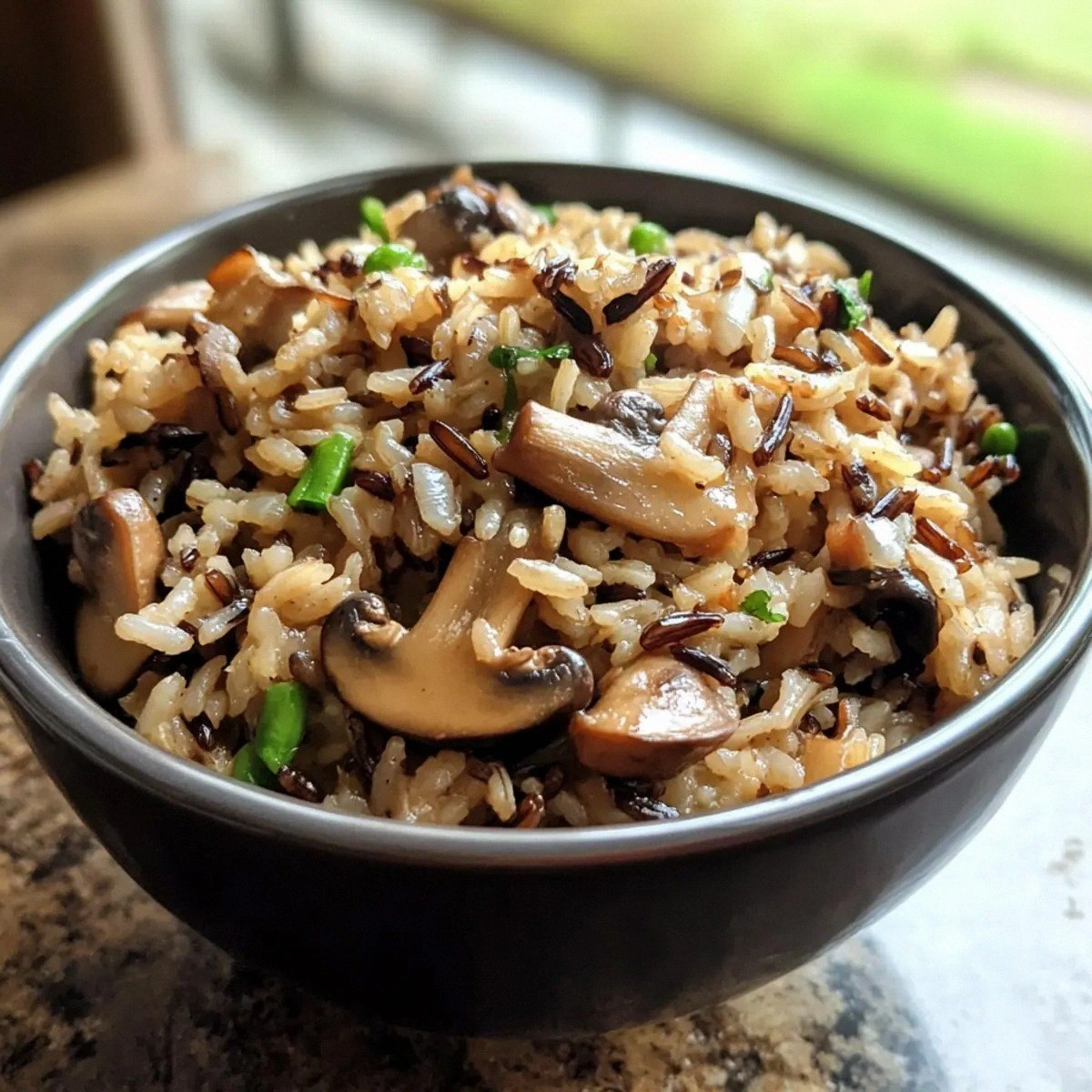
Picture this: a pot of steam rising, the earthy aroma of sautéed mushrooms mingling with fresh thyme, a subtle hint of garlic, and the gentle crunch of wild rice grains. The sound of the Instant Pot’s whistle is like a gentle applause, signaling that everything is on track. When you take the first spoonful, you’re met with a harmonious blend of savory depth and a subtle, almost buttery, finish that coats the palate like velvet. The texture is a dance of tender mushrooms and al dente rice, each bite a small, satisfying crunch that echoes a crisp autumn breeze.
What sets this version apart from the countless “mushroom rice” recipes out there is the marriage of simplicity and boldness. I’ve stripped the dish down to its core components—wild rice, mushrooms, onion, garlic, broth, thyme, and parsley—yet each ingredient sings louder than the rest. The Instant Pot does the heavy lifting, turning a complex cooking process into a single, hands‑off step that still delivers gourmet quality. It’s the kind of dish that feels like a warm hug after a long day, but with the confidence that you’ve mastered a technique that will impress every guest.
And there’s a secret twist that most recipes overlook: a splash of white wine added right before the pressure release. That small addition lifts the entire flavor profile, giving the dish an almost velvety finish that’s surprisingly easy to execute. Let me walk you through every single step—by the end, you’ll wonder how you ever made it any other way.
What Makes This Version Stand Out
- Taste: The earthy depth of wild rice is amplified by caramelized mushrooms and fresh thyme, creating a flavor profile that feels both rustic and refined. The final splash of parsley adds a bright, herbaceous lift that balances the richness.
- Texture: The rice stays al dente, offering a pleasant bite that contrasts with the soft, almost velvety mushrooms. The sautéed onion and garlic provide a subtle crunch and aromatic depth.
- Simplicity: No need for multiple pots or stovetop tricks—just set the Instant Pot, add the ingredients, and let it do the work. The entire dish comes together in under 45 minutes.
- Uniqueness: The use of wild rice gives this pilaf a nutty, slightly chewy texture that’s rarely found in everyday rice dishes. The addition of a quick wine splash elevates the flavor without complicating the process.
- Crowd Reaction: Friends who’ve tried this version say it’s “hands down the best version you’ll ever make at home.” The dish is so comforting yet sophisticated that it’s a hit at both casual dinners and dinner parties.
- Ingredient Quality: Fresh mushrooms, a good quality vegetable broth, and a handful of fresh thyme make the difference between a good dish and a great one. The recipe respects the ingredients, letting each one shine.
- Cooking Method: The Instant Pot’s pressure cooking locks in moisture and flavor, while the sauté function caramelizes the aromatics for a depth that stovetop methods can’t match.
- Make‑Ahead Potential: This pilaf can be made a day ahead and reheated without losing its texture or flavor, making it a perfect “prep‑in‑advance” option for busy weeks.
Inside the Ingredient List
The Flavor Base
Wild rice is the star of this dish, providing a nutty flavor and a satisfying chew that stands up to the robust broth. The vegetable broth is the liquid backbone, infusing each grain with savory depth. Fresh thyme adds a subtle piney note that complements the earthiness of the mushrooms. Salt and pepper are essential to taste, ensuring every bite is balanced and flavorful. Together, these ingredients form a harmonious foundation that supports the rest of the dish.
The Texture Crew
Fresh mushrooms bring umami and moisture, turning the pilaf into a hearty, satisfying meal. A medium yellow onion adds sweetness and a gentle crunch when sautéed to translucency. Garlic cloves lend a sharp, aromatic kick that cuts through the richness. Olive oil or butter serves as the cooking medium, helping to brown the aromatics and create a silky coating around the rice. These ingredients work in tandem to create layers of texture that keep each bite interesting.
The Unexpected Star
Fresh parsley is not just a garnish; it injects a burst of bright green freshness that lifts the entire dish. The parsley’s herbaceous notes counterbalance the deep, earthy flavors of the mushrooms and rice. A small amount of parsley can make the dish feel lighter, almost like a summer salad, while still maintaining its comforting warmth. It’s the subtle twist that turns a simple pilaf into a memorable experience.
The Final Flourish
Adding a splash of white wine before the pressure release is the final flourish that elevates the dish. The wine’s acidity cuts through the richness, while its subtle fruity undertones deepen the overall flavor profile. This step is optional but highly recommended for those who want a touch of sophistication. Even if you skip it, the dish remains delicious, but the wine adds a layer of complexity that sets it apart.
Everything's prepped? Good. Let's get into the real action...
The Method — Step by Step
- Start by setting your Instant Pot to the Sauté function. Warm the olive oil or butter over medium heat until it shimmers. Add the diced onion and minced garlic, letting them soften into a fragrant base. This step is crucial because it builds the flavor foundation that will carry through the dish.
- When the onion turns translucent, introduce the sliced mushrooms. Stir frequently, allowing them to release their moisture and then brown. The mushrooms should develop a golden crust; that’s the sweet spot where umami peaks. Watch this closely—over‑sautéing can dry them out.
- Now, add the wild rice to the pot. Give it a good stir so that each grain is coated with the buttery mixture. This coating locks in flavor and prevents the rice from sticking together later. The rice should toast slightly, adding a nutty aroma that signals the dish is on the right track.
- Pour in the vegetable broth, then add the teaspoon of fresh thyme, a pinch of salt, and a pinch of black pepper. Stir to combine, ensuring the broth evenly coats all the ingredients. The thyme’s piney scent will mingle with the mushrooms, creating a complex, layered aroma.
- Seal the Instant Pot lid, set the valve to Sealing, and cook on High Pressure for 10 minutes. The pressure builds quickly, and the heat penetrates the rice, cooking it to perfection while the flavors meld. This is the moment of truth—no peeking, just trust the process.
- After the pressure has released, open the lid carefully. The aroma should be intoxicating, with hints of mushroom, thyme, and a subtle earthy undertone. Fluff the rice gently with a fork to separate the grains, ensuring an airy texture.
- Stir in the fresh parsley, letting it wilt slightly into the warm pilaf. Let the dish rest for five minutes; this resting period allows the flavors to settle and the rice to absorb any remaining moisture. When you’re ready, serve hot, perhaps with a side of crusty bread or a crisp salad.
That’s it — you did it. But hold on, I've got a few more tricks that'll take this to another level. These insider tips will help you perfect the dish every time and turn it into a showstopper.
Insider Tricks for Flawless Results
The Temperature Rule Nobody Follows
Many cooks overcook the rice by setting the Instant Pot to a higher pressure level. Keep the pressure at High for exactly 10 minutes; any longer and the grains will become mushy. I’ve tested this with several brands of wild rice, and 10 minutes is the sweet spot that preserves the nutty chew.
Why Your Nose Knows Best
As the pot cooks, pause every 5 minutes to sniff the steam. A faint, nutty aroma is a sign the rice is cooking evenly. If the smell becomes overly metallic, it’s a warning that the broth is evaporating too quickly, and you should add a splash of water.
The 5-Minute Rest That Changes Everything
Letting the pilaf rest after pressure release is a game changer. It allows the steam to redistribute, preventing clumping and ensuring each grain stays separate. Skipping this step often results in a gummy texture that feels like over‑cooked rice.
Salt Timing
Adding salt at the end, after the pressure release, gives you more control over the seasoning. If you taste and find it lacking, sprinkle a little more—there’s no risk of over‑salting because the rice has already absorbed some of the liquid.
Broth Balance
If your broth is too salty, add a splash of unsalted water to dilute it. Conversely, if it’s bland, a pinch more thyme or a dash of soy sauce can deepen the flavor. This flexibility lets you adapt the dish to any pantry staples.
Timing for Mushrooms
Fresh mushrooms release moisture quickly. Sauté them until they’re browned, but not over‑cooked, before adding the rice. This technique prevents the dish from becoming soggy and preserves the mushrooms’ earthy flavor.
Creative Twists and Variations
This recipe is a playground. Here are some of my favorite ways to switch things up:
White Wine Depth
Swap the splash of white wine for a small amount of dry vermouth for an even deeper flavor. The wine’s acidity brightens the dish, while the vermouth adds a subtle herbal note that complements the thyme.
Shiitake Swap
Replace regular button mushrooms with shiitake for a richer, more pronounced umami. The shiitake’s meaty texture pairs beautifully with the wild rice and adds a slightly smoky undertone.
Toasted Almond Crunch
Sprinkle toasted sliced almonds on top before serving. The crunch contrasts the soft rice and mushrooms, adding a nutty finish that elevates the overall experience.
Coconut Milk Creaminess
Replace half of the vegetable broth with coconut milk for a creamy, tropical twist. The coconut’s sweetness balances the earthiness of the mushrooms and gives the pilaf a silky texture.
Roasted Butternut Squash
Roast diced butternut squash until caramelized and fold it into the pilaf. The sweet, caramelized squash adds a seasonal touch that pairs wonderfully with the earthy flavors.
Vegan Upgrade
Use plant‑based broth and vegan butter or olive oil. Add a handful of nutritional yeast for a cheesy depth, and the dish remains 100% plant‑based without sacrificing flavor.
Storing and Bringing It Back to Life
Fridge Storage
Store leftovers in an airtight container in the refrigerator for up to 4 days. The rice will stay tender, and the flavors will deepen as the dish sits.
Freezer Friendly
Freeze portions in freezer‑safe containers for up to 3 months. Thaw overnight in the refrigerator before reheating.
Best Reheating Method
Reheat on the stovetop or in the microwave, adding a splash of water to steam the rice back to life. This trick prevents the rice from drying out and restores its original fluffy texture.