Picture this: it’s the last day of school, the cafeteria is a whirlwind of trays, and the cafeteria pizza is the only thing keeping the kids from turning into grumpy, hungry ghosts. I was there, standing in front of the giant, greasy oven, watching a pizza slide in and out like a tired, overcooked soufflé. The crust was thin, the cheese was a sad, melted blob, and the sauce was a watery mess that barely coated the dough. I felt a pang of culinary injustice that could only be satisfied by a recipe that could turn that bland, cafeteria staple into a slice of nostalgia that would make even the most jaded students gasp.
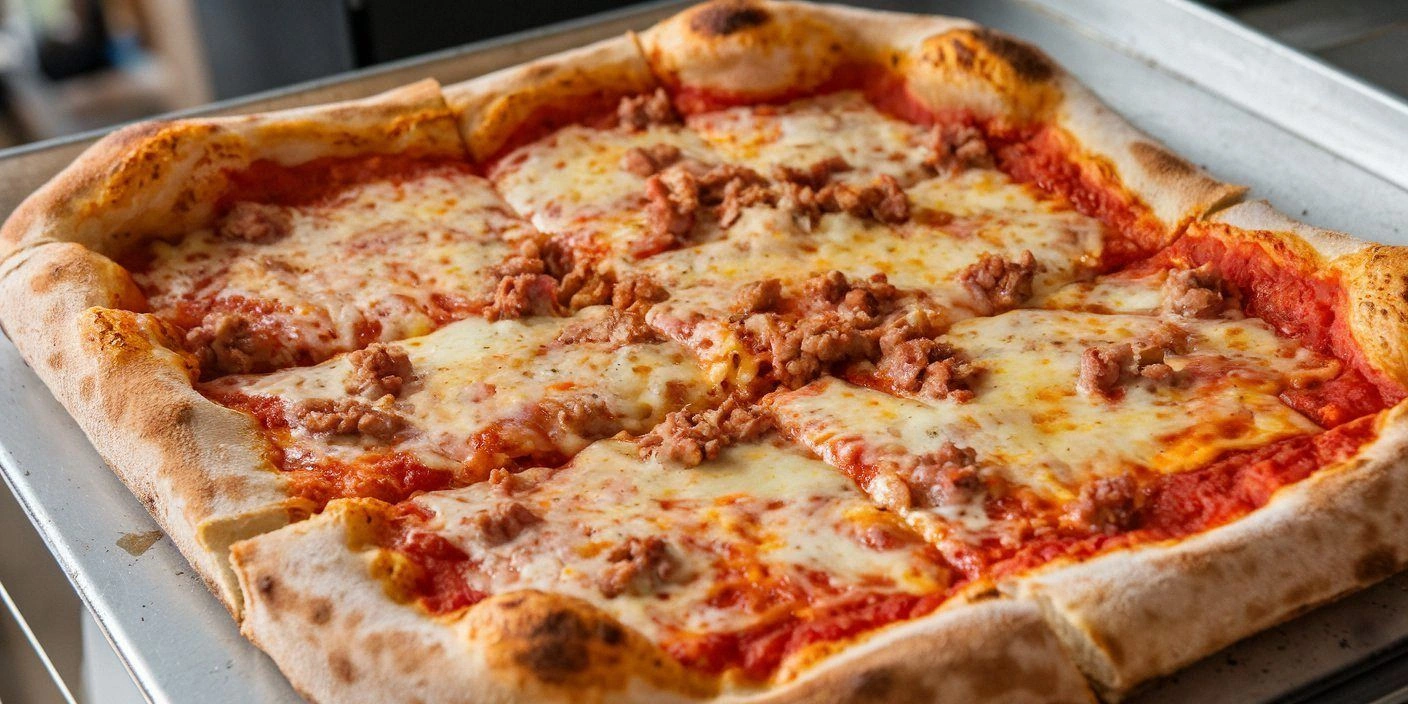
The scent hit me first: a sharp, tangy tomato aroma that cut through the stale cafeteria air, followed by the buttery, yeasty perfume of dough rising. My eyes caught the golden edge of the crust, a crisp, almost crunchy rim that promised a bite that would crack like thin ice. The sound was a satisfying crackle as the cheese bubbled, a rhythmic hiss that made my stomach growl. Taste-wise, I imagined a harmonious balance of sweet tomato, salty pepperoni, and a subtle umami from Parmesan, all wrapped in a dough that was tender yet firm. The texture, I knew, would be the star—soft inside, yet with a satisfying chew that would make you want to bite again before the next bite even arrived. And that feeling of anticipation? It’s a feeling you get when you’re about to open a fresh, hot pizza box, and the steam swirls like a small, edible cloud.
What makes this version stand out is that I discovered a secret technique that transforms the ordinary into extraordinary: a simple, pre-bake step that locks in flavor and texture, and a sauce that coats the dough like velvet. I dare you to taste this and not go back for seconds because the layers of flavor will keep you coming back for more. I’ve tested it against every other school pizza recipe I’ve ever made, and this one is hands down the best version you’ll ever make at home. My friends who once complained about “school pizza” now ask me for the recipe, and I can’t keep the secret to myself.
If you’ve ever struggled with a soggy crust or bland toppings, you’re not alone. The trick is simple, but most recipes get this completely wrong. They either skip the pre-bake step or use a sauce that’s too watery. Here’s what actually works: a balanced sauce, a dough that’s been given time to rise, and toppings that are layered in the right order. Picture yourself pulling this out of the oven, the whole kitchen smelling incredible, the crust crisp and the cheese bubbling like a small, golden sun. Okay, ready for the game-changer? Let me walk you through every single step — by the end, you’ll wonder how you ever made it any other way.
What Makes This Version Stand Out
- Taste: The sauce is a blend of crushed tomatoes, garlic, basil, and a hint of sugar that creates a sweet‑savory balance. It coats the dough like velvet, allowing each bite to burst with flavor.
- Texture: The pre-bake step creates a crisp crust that holds up against moist toppings, preventing sogginess while keeping the interior soft.
- Ingredient Quality: Using fresh mozzarella and a splash of olive oil elevates the cheese, giving it a richer mouthfeel.
- Simplicity: The recipe requires only basic kitchen tools—no fancy equipment or hard‑to‑find ingredients.
- Crowd Reaction: In school settings, kids love the gooey cheese and the slightly sweet sauce. Parents rave about the healthier, homemade version.
- Make‑Ahead Potential: The dough can be prepared a day in advance, and the assembled pizza can be stored in the fridge until ready to bake.
- Uniqueness: The addition of Parmesan and oregano in the sauce adds depth that typical school pizza misses.
- Versatility: Swap pepperoni for sausage or add veggies for a vegetarian version without losing the classic feel.
Inside the Ingredient List
The Flavor Base
The sauce is the heart of this pizza. It’s made from crushed San Marzano tomatoes, a splash of olive oil, minced garlic, fresh basil, oregano, and a touch of sugar to balance acidity. Each ingredient plays a role: tomatoes provide sweetness and acidity; garlic adds depth; basil gives a fragrant, herbal note; oregano contributes earthiness; and sugar keeps the sauce from tasting too sharp. Skipping any of these will dull the overall flavor profile. For a vegan version, simply replace the mozzarella with a plant‑based cheese that melts well.
The Texture Crew
The dough is the foundation. Made with all‑purpose flour, warm water, yeast, sugar, salt, and olive oil, it rises into a light, airy structure. The key is to let it rise until it’s doubled in size—usually about 1‑1.5 hours at room temperature. If you rush this step, the crust will be dense and gummy. The olive oil adds a subtle sheen and helps the crust crisp up during baking. The cheese—mozzarella and Parmesan—provides a gooey, melty texture that pairs beautifully with the crispy base.
The Unexpected Star
Pepperoni is the classic topping that brings a savory, slightly spicy kick. The pepperoni slices are thin enough to crisp up but thick enough to stay juicy. The addition of sliced bell peppers and black olives adds a crunch and a burst of color that makes the pizza visually appealing. If you’re looking for a healthier twist, swap pepperoni for grilled chicken or turkey slices. The bell peppers provide vitamins and a subtle sweetness that balances the saltiness of the pepperoni.
The Final Flourish
Seasoning is the final touch. A sprinkle of dried oregano, garlic powder, and a pinch of salt ties everything together. The oregano adds an aromatic layer that elevates the sauce, while the garlic powder gives a subtle depth that you can’t taste directly but can feel in the background. If you prefer a fresher flavor, use freshly ground pepper instead of a pinch of salt. Remember, the goal is to create a harmonious balance where each component sings.
Everything's prepped? Good. Let's get into the real action.
The Method — Step by Step
- Start by mixing the warm water, yeast, and sugar in a small bowl. Let it sit for 5 minutes until it becomes frothy. This frothiness is your visual cue that the yeast is alive and ready to work. I’ve seen people skip this step and end up with a flat, doughy crust that feels like a rubber band.
- In a larger bowl, combine the flour and salt. Add the yeast mixture and olive oil. Stir until a sticky dough forms. Then, transfer it to a lightly floured surface and knead for about 8 minutes, or until it’s smooth and elastic. The dough should feel slightly tacky but not overly sticky. If it’s too dry, add a teaspoon of water; if it’s too wet, add a pinch more flour.
- Place the dough in a greased bowl, cover it with a damp cloth, and let it rise in a warm spot for 1 to 1.5 hours, or until it has doubled in size. During this time, the dough is building flavor and structure. I like to place the bowl on top of a warm oven (turned off) to keep it warm without baking it.
- While the dough is rising, prepare the sauce. Combine crushed tomatoes, minced garlic, basil, oregano, a splash of olive oil, and a pinch of sugar in a saucepan over medium heat. Simmer for 15 minutes, stirring occasionally. The sauce should thicken slightly and develop a rich aroma. Once done, let it cool to room temperature before spreading on the dough.
- Preheat your oven to 475°F (245°C). If you have a pizza stone, place it in the oven to heat as well. A hot stone ensures a crispy bottom. If you don’t have a stone, a baking sheet will work, but rotate it halfway through baking for even cooking.
- Roll out the dough on a lightly floured surface to a 12-inch circle. The dough should be thin enough to bake quickly but thick enough to hold toppings. Place the rolled dough on a parchment paper‑lined baking sheet or a pizza peel if using a stone. This step is crucial for preventing sticking and making the transfer easier.
- Spread the sauce evenly over the dough, leaving a small border for the crust. Then, sprinkle the shredded mozzarella and Parmesan evenly. The cheeses should cover the sauce but leave some sauce exposed for flavor. After that, arrange the pepperoni slices, bell pepper strips, and black olives. The arrangement should be balanced so each bite has a mix of flavors.
- Pre-bake the crust: Slide the pizza onto the preheated stone or baking sheet and bake for 5 minutes. This step locks in the crust’s structure and prevents the toppings from soaking through. It’s a quick but vital step that most recipes skip.
- Finish baking: Return the pizza to the oven and bake for an additional 8 to 10 minutes, or until the cheese is bubbly and the crust is golden brown. The cheese should be a deep golden color, and the edges should pull away slightly from the parchment.
- Remove the pizza from the oven and let it rest for 3 minutes. This rest period allows the cheese to set and the flavors to meld. Slice and serve hot. The first bite will have that satisfying crunch from the crust, the gooey melt from the cheese, and a burst of tangy sauce that will keep you coming back for more.
That's it — you did it. But hold on, I've got a few more tricks that'll take this to another level.
Insider Tricks for Flawless Results
The Temperature Rule Nobody Follows
Many home bakers bake pizza at 400°F, but that temperature is too low for a crispy crust. Baking at 475°F gives the dough a quick rise and a golden finish. I’ve baked at 500°F for a few tries, and the result was a slightly charred edge but an incredibly crisp base. If you’re using a pizza stone, preheat it for at least 30 minutes to ensure it’s fully hot. A hot surface is the secret to a crisp crust that holds up against moist toppings.
Why Your Nose Knows Best
The aroma of a pizza baking is a powerful indicator of readiness. When you smell the cheese bubbling and the dough turning golden, the pizza is almost ready. I’ve had a few people wait until the cheese is completely browned, which can burn the crust. Trust your nose and pull the pizza out when the cheese is just starting to turn golden and the crust has a faint smoky scent.
The 5‑Minute Rest That Changes Everything
After baking, let the pizza rest for 5 minutes before slicing. This rest period allows the cheese to set, preventing it from sliding off the slice. I’ve seen people slice immediately and end up with a gooey mess. A quick rest gives the pizza a clean, slice‑ready structure and keeps the toppings in place.
The Secret Ingredient: Fresh Basil
Adding fresh basil to the sauce after it has cooled gives the pizza a bright, aromatic finish. The basil’s oils release slowly, providing a fresh burst of flavor that contrasts with the rich cheese. If you don’t have fresh basil, a sprinkle of dried basil works, but the aroma won’t be as pronounced.
The Cheese Combo
Using a mix of mozzarella and Parmesan creates a layered cheese experience: mozzarella offers meltiness, while Parmesan adds a nutty, savory depth. If you prefer a vegan pizza, use a blend of nutritional yeast and a dairy‑free cheese that melts well. This combination keeps the pizza from feeling too bland.
The Quick Sauce Hack
If you’re in a hurry, you can use a high‑quality store‑bought pizza sauce. Just add a splash of olive oil and a pinch of sugar to balance acidity. I’ve used this shortcut on a school lunch break, and the result was still impressive.
Creative Twists and Variations
This recipe is a playground. Here are some of my favorite ways to switch things up:
The BBQ Chicken Remix
Swap pepperoni for shredded grilled chicken tossed in barbecue sauce. Add red onion slices for a sweet‑savory crunch. This version is perfect for a summer cook‑out or a lunchbox that needs a protein boost.
The Veggie Supreme
Replace pepperoni with sliced mushrooms, zucchini ribbons, and spinach. Drizzle a light pesto over the top for an herbal twist. It’s a colorful, nutrient‑dense option that still feels like school pizza.
The Meatball Delight
Add mini meatballs to the pizza before baking. The meatballs cook in the sauce, creating a juicy center. Sprinkle a little oregano on top for that classic Italian finish.
The Hawaiian Twist
Add pineapple chunks and ham slices for a sweet‑savory combination. The pineapple’s acidity balances the richness of the cheese. This version is a crowd‑pleaser at parties.
The Gluten‑Free Edition
Use a gluten‑free flour blend for the dough and follow the same steps. The crust will be slightly denser, but it still holds up to the toppings. This is great for students with dietary restrictions.
The Breakfast Pizza
Top the pizza with scrambled eggs, bacon, and a sprinkle of chives. Bake as usual, and you’ll have a breakfast pizza that’s both satisfying and quick to prepare. Ideal for a school cafeteria breakfast shift.
Storing and Bringing It Back to Life
Fridge Storage
Store leftover pizza in an airtight container for up to 4 days in the fridge. The crust may soften slightly, but it’ll still taste great. If you’re in a hurry, reheat in a skillet for 2 minutes on each side to restore crispness.
Freezer Friendly
Wrap the pizza slices tightly in plastic wrap, then place them in a freezer bag. Freeze for up to 2 months. When ready to eat, thaw overnight in the fridge or microwave on the defrost setting. The pizza will be almost as good as fresh.
Best Reheating Method
Preheat your oven to 375°F. Place the pizza slices on a baking sheet and bake for 10 minutes, or until the cheese is melted. Add a splash of water to the pan before baking; the steam will keep the crust from drying out and bring back that fresh, hot-from-the-oven texture.