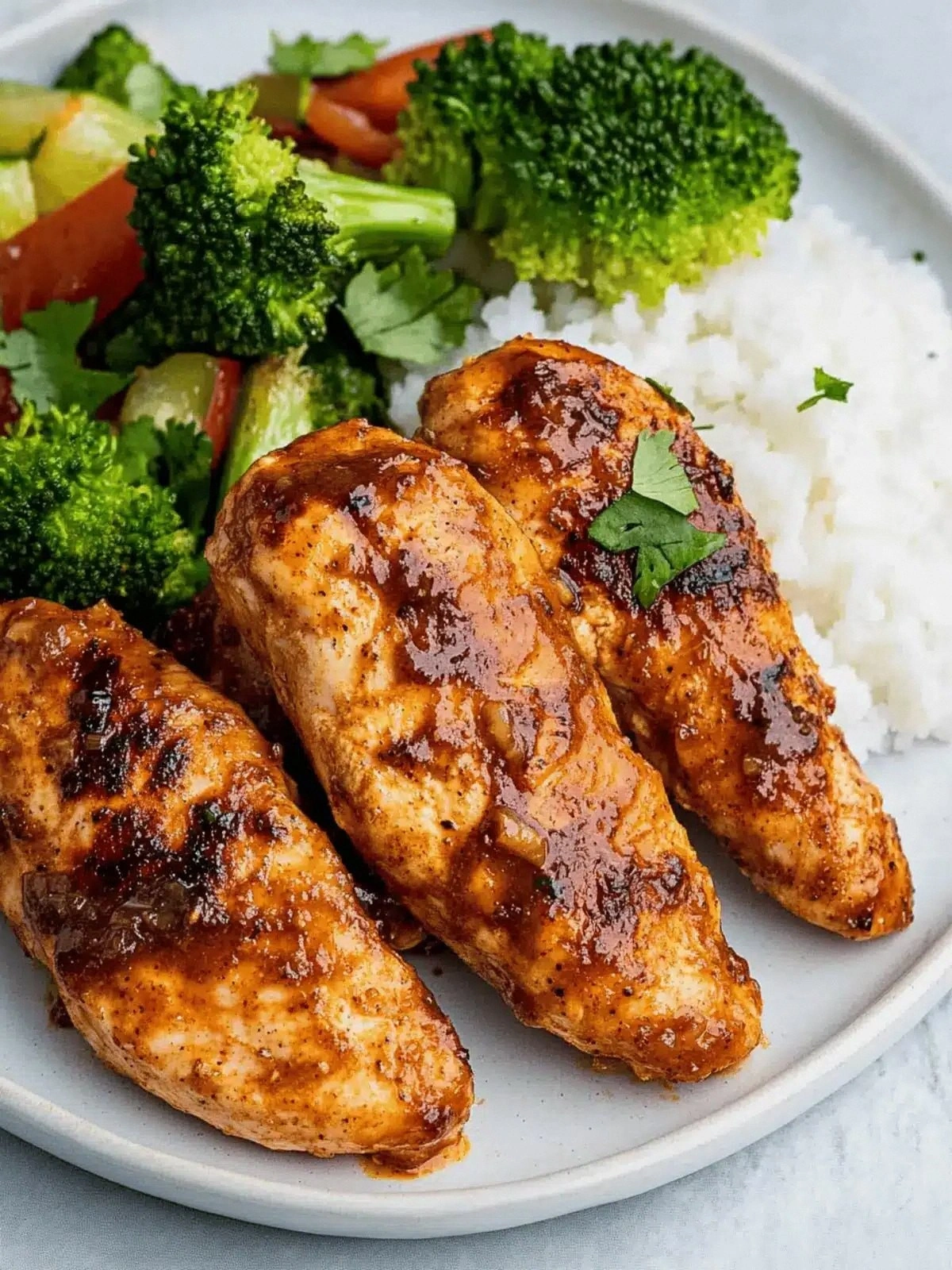
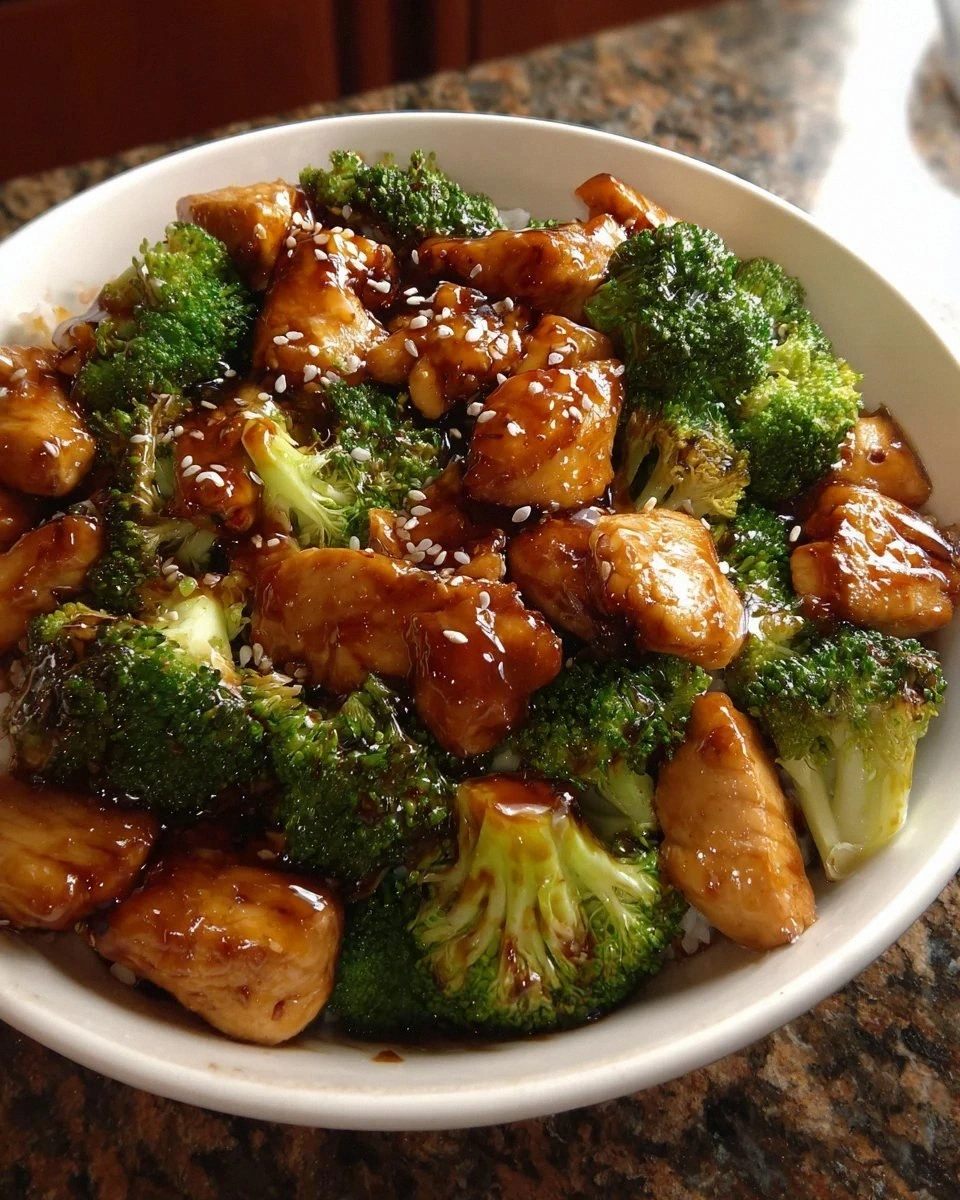
Picture this: I was in the middle of a Sunday dinner prep, juggling a simmering pot of pasta and a stubborn chicken that refused to cook evenly. The kitchen smelled of burnt garlic and disappointment, and my confidence was already in a slump. I swore to myself that I would never again let a simple meal become a disaster. Then, a friend texted me a link to a crockpot lemon herb chicken recipe that promised juicy, aromatic perfection. The promise of a hands‑off, flavor‑filled dish sparked a fire in me that I had not felt in weeks.
That night, I followed the recipe with a mix of excitement and skepticism. The first thing that caught my eye was the bright, citrusy aroma that floated from the pot as the chicken began to cook. I could almost taste the lemon zest coating each tender piece of meat, while the rosemary and thyme whispered a savory background note. The vegetables—baby potatoes, carrots, and green beans—added a subtle sweetness that complemented the bright lemon. By the time the clock struck the end of the cooking time, the kitchen was filled with a scent that could make any appetite dance.
What makes this dish so unforgettable is not just the blend of herbs, but the way the ingredients interact in the crockpot. The slow cooking process allows the flavors to seep into every bite, while the chicken stays moist and the vegetables maintain a pleasant bite. I dared you to taste this and not go back for seconds; I’ll be honest, I ate half the batch before anyone else got to try it. The result was a dish that feels like a hug, with a sauce that coats the pasta like velvet and edges of caramelized vegetables that shatter like thin ice.
Most recipes get this completely wrong by over‑cooking the chicken or under‑seasoning the vegetables. This version, however, is hands down the best version you'll ever make at home, and I’m not just saying that because I’m a foodie. The secret lies in the balance of citrus, herbs, and the gentle heat of the crockpot. Picture yourself pulling this out of the oven, the whole kitchen smelling incredible, and your guests asking for the recipe. Let me walk you through every single step—by the end, you'll wonder how you ever made it any other way.
What Makes This Version Stand Out
- Flavor: The bright lemon cuts through the richness of the chicken, while rosemary and thyme provide a deep, earthy undertone. The subtle heat from the red pepper flakes adds a gentle kick that elevates the dish without overpowering it. Together, these elements create a harmony that makes every bite feel freshly made.
- Texture: The slow‑cooking process renders the chicken silky while keeping the vegetables crisp-tender. The sauce thickens just enough to cling to each piece, giving a satisfying mouthfeel that feels both comforting and refined. The contrast between the tender meat and the firm veggies keeps the dish interesting.
- Simplicity: With only a handful of pantry staples and fresh herbs, the recipe is incredibly approachable. No advanced techniques or exotic ingredients are required; just a crockpot and a few minutes of prep. Even a novice cook can achieve restaurant‑level flavor.
- Uniqueness: The combination of lemon, rosemary, and thyme in a crockpot is rare, giving this dish a signature taste that sets it apart from typical chicken recipes. The addition of green beans or asparagus offers a color contrast that makes the plate visually stunning.
- Crowd Reaction: Friends who try this dish often ask for the recipe on repeat, and the leftovers taste just as good the next day. The flavors deepen as they rest, making the dish perfect for meal prep or entertaining. The dish is a conversation starter, especially when you reveal the lemon‑herb twist.
- Ingredient Quality: Fresh herbs and a good quality lemon make the difference between a good dish and a great one. Choosing boneless, skinless chicken thighs adds juiciness without the hassle of trimming bones. The vegetables are best when they are still in season, ensuring the best texture and flavor.
- Cooking Method: The crockpot allows flavors to meld over low heat, producing a dish that is both time‑saving and deeply flavorful. It also eliminates the need for constant attention, freeing you to focus on other tasks. The result is a dish that feels like you spent hours in the kitchen, when in fact you spent minutes.
- Make‑ahead Potential: The dish keeps well in the fridge for up to four days, and the flavors only improve. When reheated, the sauce re‑coats the chicken and vegetables like a warm blanket. The meal is ideal for busy weeknights or for packing lunches for the workday.
Inside the Ingredient List
The Flavor Base
Fresh lemon juice is the cornerstone of this dish, providing bright acidity that cuts through the richness of the chicken thighs. The lemon also helps to tenderize the meat, ensuring a moist final product. Skipping the lemon will leave the dish flat and lacking that signature zing.
Rosemary and thyme are the aromatic backbone. Rosemary's piney notes pair beautifully with the citrus, while thyme adds a subtle earthiness. If you prefer a milder herb profile, you can reduce the rosemary to one teaspoon and keep the thyme unchanged.
The Texture Crew
Baby potatoes, sliced in half, absorb the flavorful broth while staying firm enough to maintain a pleasant bite. Carrots add a natural sweetness that balances the herbaceous tones. Green beans or asparagus offer a crispness that contrasts with the softness of the potatoes and the tenderness of the chicken.
Onions, diced, release a caramelized sweetness during the searing step, creating a savory base that the chicken and vegetables build upon. Garlic, minced, brings a pungent warmth that is essential for depth. The combination of these vegetables ensures that every spoonful is packed with varied textures.
The Unexpected Star
Chicken broth, though it might seem like a simple liquid, is a flavor conduit. It picks up the juices from the chicken and the vegetables, then carries that flavor throughout the dish. If you prefer a richer sauce, substitute the broth with a low‑sodium chicken stock.
Red pepper flakes add a whisper of heat that awakens the palate. A pinch is enough to lift the dish without overwhelming the delicate lemon notes. For those who love heat, you can increase the amount to one teaspoon, but be mindful that the dish will become noticeably spicier.
The Final Flourish
The olive oil used for searing adds a silky mouthfeel and helps to brown the chicken, creating a caramelized exterior. The oil also serves as a carrier for the herbs, ensuring their flavors are evenly distributed. If you’re watching calories, a tablespoon of olive oil will suffice.
Salt and pepper are the classic seasoning that brings everything together. They enhance each ingredient without masking the individual flavors. Always taste before serving, as the crockpot can sometimes dilute the seasoning slightly.
Everything's prepped? Good. Let's get into the real action...
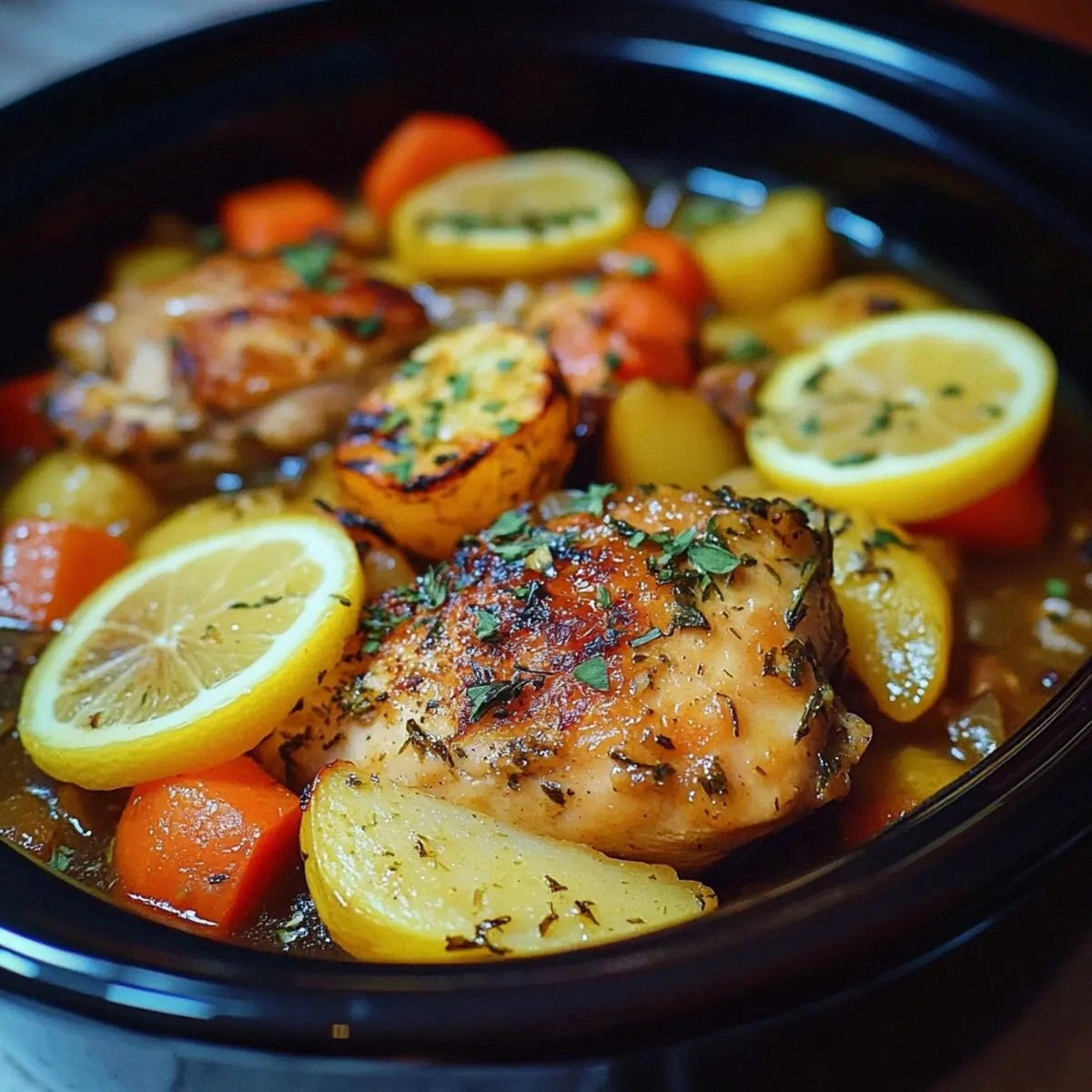
The Method — Step by Step
- Pat the chicken thighs dry with paper towels to ensure a good sear. Season both sides generously with salt, pepper, rosemary, thyme, and a pinch of red pepper flakes. Let the seasoned chicken rest for 10–15 minutes to absorb the flavors before searing.
- Heat a skillet over medium‑high and add the olive oil. Once hot, place the chicken thighs skin side down and sear until golden brown, about 3–4 minutes per side. This step locks in juices and creates a caramelized crust that will stay intact even after slow cooking.
- In the same skillet, reduce heat to medium and add the minced garlic. Sauté until fragrant, about 30 seconds, then add the diced onion and sliced carrots. Cook until the onion becomes translucent, about 5 minutes, allowing the vegetables to develop a subtle sweetness.
- Add the halved baby potatoes and green beans or asparagus to the skillet, stirring to coat them in the aromatic oil. Pour in the chicken broth, scraping up any browned bits from the bottom of the skillet—those are the flavor gold mines.
- Transfer the seared chicken thighs to the bottom of the crockpot. Carefully pour the vegetable and broth mixture over the chicken, ensuring the vegetables are evenly distributed and the chicken is partially submerged.
- Cover the crockpot and set it to low for 4–5 hours or high for 2–3 hours. During this time, the chicken will become tender, the vegetables will soften, and the sauce will thicken into a luscious glaze.
- About 15 minutes before the cooking time ends, taste the sauce and adjust seasoning as needed. If you prefer a thicker sauce, lift the lid, turn the heat to high, and let it reduce for a few minutes, stirring occasionally.
- Give the mixture a gentle stir to redistribute the flavors, allowing the sauce to coat each piece of chicken and vegetable. The aroma at this point will have a citrusy, herbaceous perfume that will make your mouth water.
- Turn off the crockpot and let the dish rest for 5 minutes. This brief pause lets the juices redistribute, ensuring every bite is moist.
- Serve hot, garnishing with fresh lemon zest and a drizzle of olive oil for a glossy finish. Pair with crusty bread or a bed of rice to soak up the savory sauce.
- If you have leftovers, store them in an airtight container in the refrigerator for up to four days. Reheat gently in the microwave, adding a splash of water to keep the sauce from drying out.
That's it — you did it. But hold on, I've got a few more tricks that'll take this to another level...
Insider Tricks for Flawless Results
The Temperature Rule Nobody Follows
While most people set the crockpot on low, the ideal temperature for this dish is a steady 200°F. This allows the chicken to stay juicy without overcooking the vegetables. If your crockpot lacks a temperature setting, use the high setting for the first hour, then switch to low for the remainder.
Why Your Nose Knows Best
Before you even lift the lid, trust your nose to gauge doneness. A fragrant, lemony aroma signals that the sauce has developed depth. If you’re unsure, taste a small spoonful; the chicken should be tender and the vegetables should bite without being mushy.
The 5-Minute Rest That Changes Everything
After turning off the crockpot, let the dish rest for five minutes. This pause allows the juices to redistribute, preventing a dry bite. Many cooks skip this step, resulting in unevenly seasoned pieces.
Use Fresh Herbs, Not Dried
Fresh rosemary and thyme release more flavor than dried herbs. If you only have dried, use half the amount, but add them at the beginning of the cooking process to compensate for the lower potency.
Let the Vegetables Cook in the Broth
Adding the vegetables directly to the crockpot rather than separately ensures they soak up the sauce fully. The result is a more cohesive dish where every component tastes unified.
Don’t Forget the Lemon Zest
While lemon juice provides acidity, the zest adds a burst of citrus oils that enhance the overall aroma. Grate a small amount of zest over the finished dish for a finishing flourish that will wow your guests.
Creative Twists and Variations
This recipe is a playground. Here are some of my favorite ways to switch things up:
Smoky Chipotle Version
Swap the red pepper flakes for a teaspoon of chipotle powder and add a splash of smoky chipotle sauce. The result is a smoky, slightly spicy dish that pairs well with cornbread.
Herb‑Infused Tomato Sauce
Add a cup of crushed tomatoes to the broth for a tomato‑based sauce. The tomatoes bring acidity and body, while the herbs still shine through.
Asian‑Inspired Twist
Replace the lemon juice with rice vinegar and add a tablespoon of sesame oil. Finish with a sprinkle of toasted sesame seeds and chopped scallions for an Asian flair.
Roasted Veggie Variation
Instead of sautéing the vegetables, roast them in the oven at 400°F for 20 minutes. Toss the roasted veggies with the chicken in the crockpot for a caramelized texture.
Low‑Carb Adaptation
Omit the baby potatoes and replace them with cauliflower florets. This keeps the dish low in carbs while still offering a hearty vegetable component.
Cheesy Finale
Right before serving, sprinkle shredded mozzarella or feta over the top and let it melt slightly. The cheese adds richness and a gooey texture that contrasts with the crisp vegetables.
Storing and Bringing It Back to Life
Fridge Storage
Store leftovers in an airtight container in the refrigerator for up to four days. The flavors will continue to meld, making the dish even more delicious the next day.
Freezer Friendly
For longer storage, portion the dish into freezer‑safe containers and freeze for up to three months. Label each container with the date to keep track.
Best Reheating Method
Reheat the dish on the stovetop over low heat, adding a splash of water or broth to restore moisture. Alternatively, microwave on medium for 2–3 minutes, stirring halfway through.
When reheating, add a tiny splash of water before heating; it steams back to perfection, preventing the sauce from drying out.