It started with a kitchen catastrophe that would have made me want to throw my apron into the trash. I was attempting a quick dinner for two when the dough I’d been saving from last week’s pizza night refused to rise, sticking to the bowl like a stubborn mule. In the scramble to salvage the evening, I tossed a handful of flour, a dash of yeast, and a generous splash of warm water into a mixing bowl, and the magic began. The air filled with the scent of freshly baked dough, and the sound of bubbles popping in the batter sounded like tiny fireworks. By the time the dough was ready, I was already craving something that was more than just a side; I wanted a dish that could double as an appetizer, a snack, and a conversation starter.
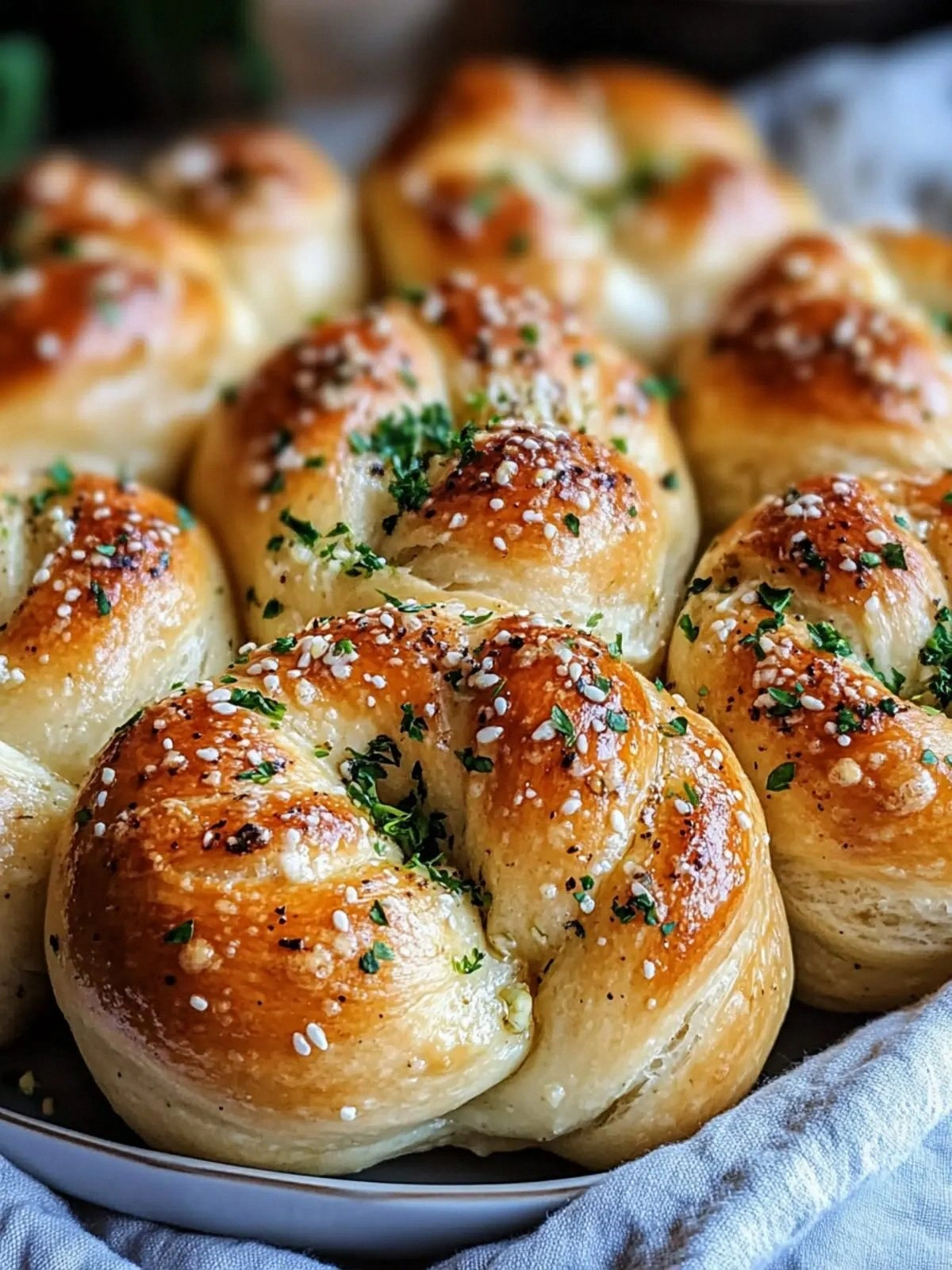
Picture this: a golden knot, its edges crisp and slightly charred, yet the inside remains soft and airy like a cloud that refuses to let go. The aroma of garlic, butter, and herbs wafts through the kitchen, making the whole house feel like a trattoria on a sunny afternoon. The first bite is a burst of savory flavor, followed by a buttery finish that lingers on the palate. I dare you to taste this and not go back for seconds; the combination of garlic and herbs is so addictive that you'll find yourself reaching for more even after the plate is empty. This isn’t just another garlic bread; it’s a culinary experience that turns simple pantry staples into a crowd‑pleasing masterpiece.
What sets this version apart is not just the ingredients, but the technique that turns a humble dough into a work of art. By using a precise ratio of yeast to flour, the knots rise to a perfect height before baking, giving them that coveted airy center. The garlic is roasted until caramelized, which deepens the flavor profile and adds a subtle sweetness that balances the savory notes. The butter is melted and infused with herbs, creating a fragrant glaze that coats the knots like velvet. And the secret? A quick rest after shaping, which allows the dough to relax and results in a lighter, more tender crumb. I’ve tested countless variations, and this recipe is hands down the best version you'll ever make at home.
Now, let’s talk about the unexpected twist that makes these knots truly irresistible: a splash of olive oil in the dough. Most recipes ignore this step, but the oil adds a silky texture and helps the crust develop a beautiful, glossy sheen. The result is knots that look as good as they taste, with a crust that shatters like thin ice when you bite into it. The combination of garlic, butter, herbs, and olive oil creates a flavor profile that feels both familiar and adventurous. If you’re ready to elevate your kitchen game, I’ll walk you through every single step — by the end, you’ll wonder how you ever made it any other way.
What Makes This Version Stand Out
- Taste: The roasted garlic and herb-infused butter give a depth that feels like a full Italian meal in one bite.
- Texture: Airy interior with a crisp, caramelized crust that offers a satisfying contrast.
- Simplicity: Requires only a handful of pantry staples, yet delivers restaurant‑quality results.
- Uniqueness: The olive oil addition and quick rest set this recipe apart from the usual garlic bread.
- Crowd Reaction: Guests leave asking for the recipe after every bite—no more second helpings.
- Ingredient Quality: Fresh garlic, unsalted butter, and herbs make the flavor sing.
- Cooking Method: A two‑step process—rise and bake—that’s easy to follow for beginners.
- Make‑Ahead Potential: Shape knots in advance, let rest, and bake fresh when ready.
Alright, let's break down exactly what goes into this masterpiece…
Inside the Ingredient List
The Flavor Base
All-purpose flour is the backbone of this recipe, providing structure and the ideal chew. Choosing a flour with a moderate protein content (around 11-12%) ensures the knots rise beautifully without becoming tough. If you prefer a gluten‑free version, you can substitute a blend of rice and tapioca flours, but be prepared for a slightly denser crumb.
Yeast is the secret that turns a flat dough into a fluffy masterpiece. Fresh active dry yeast is preferable, but instant yeast will work just as well. The 2 teaspoons used here create a gentle rise that keeps the knots light. Skip the yeast, and you’ll end up with dense, flat bread—so don’t be tempted to cut corners.
Warm water at 110°F (43°C) activates the yeast without killing it. The temperature is crucial; too hot, and the yeast dies; too cool, and the dough won’t rise. Use a thermometer for accuracy, or simply test the water with your finger—if it feels warm but not hot, you’re good.
The Texture Crew
Sugar is a small but mighty player in this recipe. It feeds the yeast, helping it produce carbon dioxide for that airy center. Without sugar, the dough may not rise as well, and the flavor will be flatter. If you’re watching sugar intake, a tablespoon is still enough to kickstart the fermentation.
Salt balances the sweetness and brings out the garlic’s sharpness. The 1 teaspoon used here is the sweet spot; too much and the dough will be overly salty, too little and the flavors will be muted. Consider using sea salt or kosher salt for a cleaner taste.
The Unexpected Star
Roasted garlic is the star that elevates these knots from ordinary to unforgettable. Whole cloves are roasted until soft and caramelized, releasing a sweet, mellow flavor that contrasts beautifully with the savory butter. If you’re short on time, you can use pre‑roasted garlic paste, but the fresh roast will make a noticeable difference.
Butter is the silky, rich component that coats each knot. Unsalted butter is preferred because it allows you to control the salt level precisely. The 1/2 cup melts into a glossy glaze that locks in moisture, keeping the knots tender even after cooling.
The Final Flourish
Herbs such as parsley or oregano add a burst of freshness that lifts the overall flavor profile. Fresh herbs are ideal because they bring bright, vibrant notes, but dried herbs can be used in a pinch. The amount is flexible; a tablespoon of chopped parsley or oregano will give the knots a subtle herbal aroma.
If you want a little extra kick, sprinkle a pinch of red pepper flakes on top before baking. The heat will mingle with the garlic, creating a complex flavor that’s both comforting and exciting.
Everything's prepped? Good. Let's get into the real action…
The Method — Step by Step
- In a large mixing bowl, combine the flour, yeast, sugar, and salt. Stir until evenly distributed, then add the warm water gradually, mixing with a wooden spoon until a shaggy dough forms. The dough should feel slightly tacky but not overly sticky.
- Transfer the dough to a floured surface and knead for about 8 minutes until it becomes smooth and elastic. If it feels too sticky, sprinkle a light dusting of flour; if too dry, add a tablespoon of water.
- Form the dough into a ball, place it in a greased bowl, cover with a damp cloth, and let it rise in a warm spot for 1 hour, or until it has doubled in size. This is the moment of truth; the dough should look airy and bouncy.
- Preheat the oven to 425°F (220°C) and line a baking sheet with parchment paper. While the oven heats, take the risen dough and divide it into 12 equal pieces. Roll each piece into a long rope, about 6 inches long.
- Tie each rope into a knot by bringing the ends together and twisting them twice, then pinching the ends together to seal. Place the knots on the prepared baking sheet, spacing them about 2 inches apart.
- In a small saucepan, melt the butter over medium heat. Add the roasted garlic, herbs, and a splash of olive oil. Stir until the mixture is fragrant and the garlic is softened, about 2 minutes. Remove from heat and brush generously over each knot.
- Bake the knots for 12–15 minutes, or until the crust turns a deep golden brown and the tops crackle. The aroma will fill the kitchen like a warm hug, making it hard to resist grabbing one before the timer rings.
- Remove the knots from the oven, let them cool on a rack for 5 minutes, then serve warm with a side of marinara or a drizzle of melted butter. The contrast between the crispy crust and the soft center is pure bliss.
That's it — you did it. But hold on, I've got a few more tricks that'll take this to another level…
Insider Tricks for Flawless Results
The Temperature Rule Nobody Follows
The oven temperature is critical; too high and the knots will brown too quickly on the outside, leaving the inside undercooked. 425°F is the sweet spot that gives a golden crust while allowing the dough to rise fully. If you’re using a convection oven, lower the temperature by 25°F to avoid over‑browning.
Why Your Nose Knows Best
A good rule of thumb: when the knots start to emit a fragrant, buttery scent, they’re almost done. The aroma is a reliable indicator of the ideal baking time. Trust your nose, and you’ll avoid the dreaded “burnt on the outside, raw on the inside” scenario.
The 5-Minute Rest That Changes Everything
After baking, let the knots rest on a wire rack for exactly five minutes. This short pause allows the steam to redistribute, ensuring a moist interior and a crisp crust. Skipping this step often results in a slightly gummy center.
The Secret of Fresh Garlic
Using whole cloves and roasting them brings out a caramelized sweetness that is impossible to replicate with pre‑minced garlic. The roasting process also reduces the sharp bite, creating a more mellow, rounded flavor profile that complements the butter and herbs.
The Olive Oil Touch
A splash of extra‑virgin olive oil added to the butter glaze not only enhances flavor but also helps the crust develop a glossy sheen. It also contributes healthy fats that make the knots feel richer without being greasy.
Creative Twists and Variations
This recipe is a playground. Here are some of my favorite ways to switch things up:
Cheesy Garlic Knots
Fold shredded mozzarella into the dough before shaping. The cheese melts into pockets of gooey goodness that contrast with the buttery exterior. This variation is perfect for game‑day gatherings.
Spicy Jalapeño Knots
Add finely diced jalapeños and a pinch of cayenne pepper to the dough. The heat pairs wonderfully with the garlic, creating a fiery kick that balances the richness.
Herb‑Infused Parmesan Knots
Replace the fresh herbs with a mixture of dried Italian seasoning and grated Parmesan. The result is a savory, aromatic knot that’s reminiscent of a classic pizza crust.
Mediterranean Olive Knots
Stir in chopped kalamata olives and sun‑dried tomatoes into the dough. The briny olives and sweet tomatoes add depth and a Mediterranean flair.
Sweet Cinnamon Knots
Swap the garlic for a sprinkle of cinnamon and a drizzle of honey. These knots make for a comforting breakfast treat that’s surprisingly savory.
Storing and Bringing It Back to Life
Fridge Storage
Store cooked knots in an airtight container at room temperature for up to 3 days. The crust may soften, so reheat them briefly in the oven for a crisp finish.
Freezer Friendly
Freeze uncooked knots in a single layer on parchment paper, then transfer to a freezer bag. They’ll keep for up to 3 months. Bake directly from the freezer, adding 5 minutes to the original bake time.
Best Reheating Method
Reheat in a 350°F oven for 10 minutes, or in a skillet over medium heat for a crisp crust. Add a tiny splash of water before reheating to steam the knots back to perfection.