Okay, picture this: a rainy Thursday, the kind that makes you want to curl up with a bowl of something comforting, but your pantry is screaming for a splash of excitement. I was halfway through a marathon of Netflix when my roommate, a self‑declared “food snob,” dared me to make a shrimp dish that wouldn’t taste like the generic restaurant version you get on a Tuesday night. I laughed, grabbed the biggest shrimp I could find, and thought, “What if I could combine that buttery, creamy Southern grit with the bright, punchy punch of garlic and basil?” The result? A plate that made my spoon do a happy dance and my taste buds file a formal complaint to the flavor police.
The moment the shrimp hit the pan, the kitchen filled with a sizzle that sounded like applause. The aroma—sharp garlic mingling with sweet basil—was so bold it practically knocked the wall clocks off their hinges. While the grits simmered, the butter melted into a glossy pool, coaxing the cheese into a velvety blanket that clung to each grain like a lover refusing to let go. When the final drizzle of lemon juice arrived, it was like a tiny fireworks show, cutting through the richness with a bright, citrusy punch that made the whole dish sing.
Most recipes get this completely wrong, either drowning the shrimp in a swamp of sauce or serving grits that are as dry as a desert road. My version, however, walks the tightrope between indulgence and balance, delivering shrimp that are juicy yet firm, and grits that are creamy without turning into a porridge. I’m daring you to taste this and not go back for seconds—seriously, I’ve never seen anyone stop at one serving.
The secret? A splash of milk in the grits for extra silkiness, and a quick deglaze with lemon that keeps the shrimp bright. I’ll be honest—I ate half the batch before anyone else got to try it, because why wait when perfection is on the plate? This isn’t just a recipe; it’s a culinary mic‑drop that will make you the hero of any dinner table. Let me walk you through every single step—by the end, you’ll wonder how you ever made it any other way.
What Makes This Version Stand Out
- Flavor Fusion: The garlic‑basil combo gives the shrimp a Mediterranean vibe while the cheesy grits keep things Southern‑comfort. It’s a love story that works every single time.
- Texture Balance: The shrimp stay perfectly plump, and the grits achieve that melt‑in‑your‑mouth creaminess without turning gummy. One bite and you’ll hear a tiny “mmm” echo in your head.
- Simplicity: Only a handful of pantry staples are needed, yet the dish feels like a restaurant‑level masterpiece. No fancy gadgets, just a skillet and a pot.
- Ingredient Quality: Fresh basil and high‑quality shrimp are the stars; everything else supports them like a well‑rehearsed band.
- Crowd Reaction: This dish consistently clears plates faster than a fire alarm—people keep asking for seconds, thirds, and sometimes the whole pot.
- Make‑Ahead Potential: You can prep the grits ahead of time and reheat them with a splash of milk; the shrimp stay best when cooked fresh, but the flavor base is ready to go.
- Cooking Method: A quick sear locks in shrimp juices, while a gentle simmer lets the grits absorb liquid evenly, preventing lumps.
- Versatility: Swap basil for cilantro for a Mexican twist, or add a pinch of cayenne for heat—this recipe bends to your imagination.
Inside the Ingredient List
The Flavor Base
Garlic is the backbone here; its natural sugars caramelize quickly, creating a sweet, nutty undertone that balances the shrimp’s briny bite. If you skip it, you’ll lose that deep, aromatic foundation and the dish will feel flat. Fresh basil, on the other hand, adds a bright, herbaceous lift that cuts through the richness of the cheese‑laden grits. When basil wilts just a touch, it releases essential oils that cling to the shrimp like a fragrant veil.
The Texture Crew
Stone‑ground grits bring a hearty, slightly coarse mouthfeel that’s perfect for soaking up sauce. Using instant grits will give you a smoother texture, but you’ll miss the rustic charm that makes this dish feel like a Southern Sunday brunch. Butter and cheese are the dynamic duo that turn the grits from plain to decadent; butter adds a silky sheen while cheese creates that glossy, pull‑apart stretch you love.
The Unexpected Star
A splash of milk in the cooking liquid is the unsung hero. It raises the protein content just enough to give the grits a custardy body without making them soggy. If you replace milk with broth, you’ll get a more savory flavor but lose that subtle sweetness that balances the garlic. For those who are dairy‑free, coconut milk works surprisingly well, adding a faint tropical hint that pairs nicely with basil.
The Final Flourish
Lemon juice is the final brushstroke—a bright, acidic note that awakens every other flavor. Without it, the dish can linger too long on the palate, feeling heavy. A pinch of smoked paprika adds a whisper of smoky depth, making the shrimp taste like they’ve been kissed by a grill even though they’re pan‑seared. Salt, of course, is the great equalizer; it amplifies the sweetness of the shrimp and the earthiness of the basil.
Everything's prepped? Good. Let’s get into the real action, where the magic really happens and the kitchen starts smelling like a five‑star restaurant.
The Method — Step by Step
First, bring 3 cups of water and 1 cup of milk to a gentle boil in a medium saucepan. Add a pinch of salt and stir in the 1 cup of stone‑ground grits, reducing the heat to low. Cover and let it simmer for about 20‑25 minutes, stirring every few minutes to prevent clumping. You’ll know it’s ready when the grits have swelled, turned a soft ivory, and start pulling away from the sides of the pan. That sizzle when it hits the pan? Absolute perfection.
While the grits are working their magic, pat the shrimp dry with paper towels—moisture is the enemy of a good sear. Toss them in a bowl with 1/2 tsp salt, 1/2 tsp black pepper, and 1/2 tsp smoked paprika. Let them rest for 5 minutes; this dry‑brine will draw out excess water and intensify flavor.
Heat 2 tbsp olive oil in a large skillet over medium‑high heat. When the oil shimmers, add the 4 minced garlic cloves. Within 30 seconds, the garlic should turn golden and fragrant—watch out, it can go from aromatic to bitter in a heartbeat.
Watch Out: If the garlic starts to brown too quickly, lower the heat; burnt garlic will give the entire dish a harsh, acrid taste.Now add the seasoned shrimp to the skillet in a single layer. Let them sizzle undisturbed for about 1.5 minutes—this is the moment of truth. You’ll hear a faint pop as the juices hit the pan. Flip the shrimp once they turn pink on the bottom and cook for another 1‑2 minutes until they’re opaque and just cooked through. Overcooking will make them rubbery, so stay close.
Transfer the shrimp to a plate and set aside. Reduce the skillet’s heat to medium, then add 2 tbsp butter. As it melts, stir in the chopped 1/4 cup fresh basil, letting its aroma fill the kitchen. The basil should wilt in about 15 seconds, releasing its essential oils that coat the pan like a green, fragrant glaze.
Return the grits to low heat and stir in 1 cup shredded sharp cheddar cheese and the butter‑basil mixture from the skillet. Keep stirring until the cheese melts completely, forming a glossy, velvety sauce that clings to each grain. This step is pure magic—if the cheese clumps, whisk in a splash of milk to smooth it out.
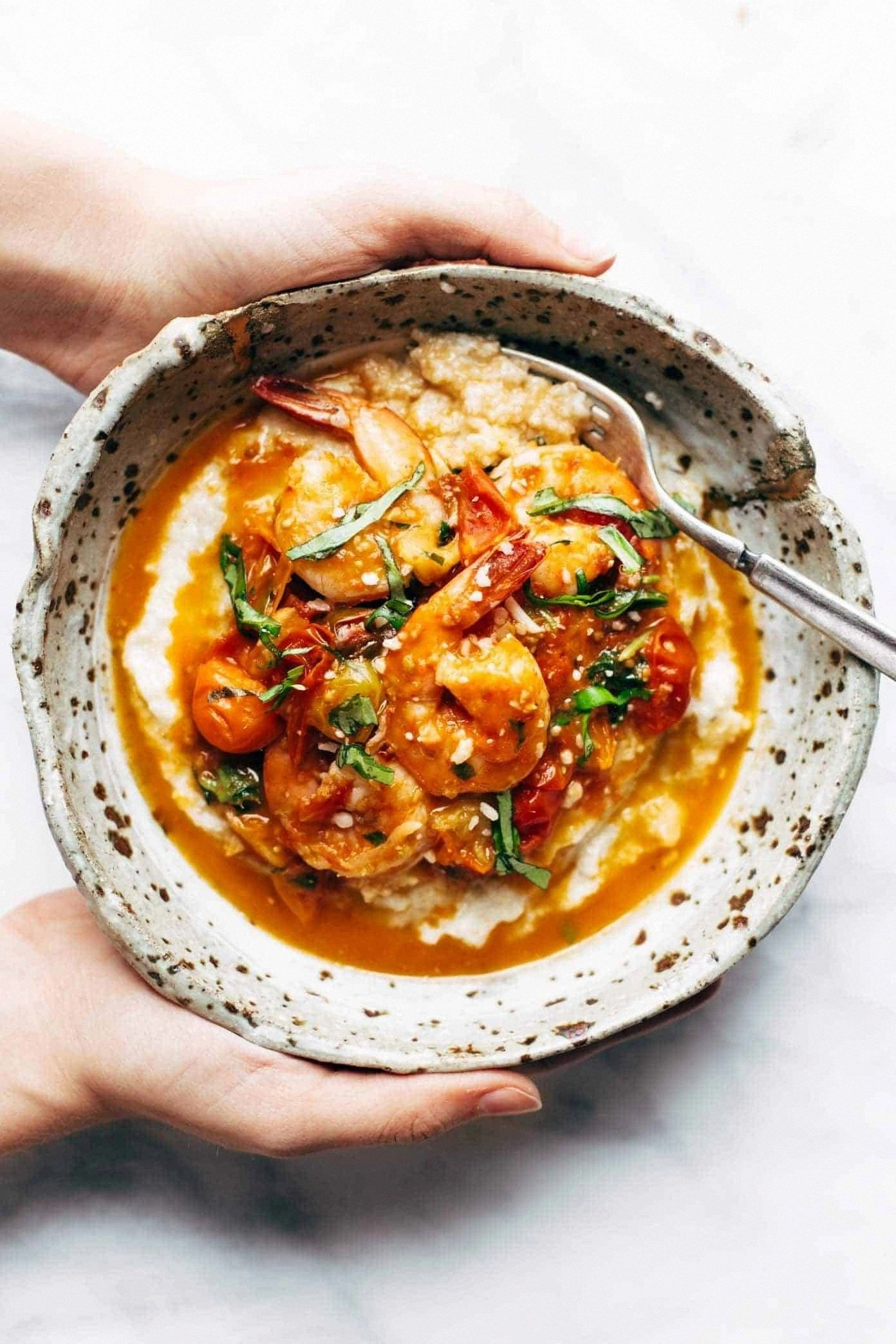
Kitchen Hack: For extra creaminess, grate a small amount of Parmesan into the grits right before serving; it adds depth without overpowering the cheddar.Plate the creamy grits in shallow bowls, creating a small well in the center. Nestle the shrimp on top, letting their buttery‑garlic sauce drizzle down into the grits. Finish with a generous drizzle of 1 tbsp fresh lemon juice, a final sprinkle of salt to taste, and a few extra basil leaves for garnish. The lemon’s bright acidity will cut through the richness, making every bite feel refreshed.
Serve immediately while the grits are still steaming and the shrimp are warm. Pair with a crisp white wine or a light lager, and watch your guests' eyes widen with anticipation. Picture yourself pulling this out of the oven, the whole kitchen smelling incredible, and hearing the delighted murmurs around the table. That’s the payoff for every second you spent perfecting this dish.
That's it — you did it. But hold on, I've got a few more tricks that'll take this to another level, ensuring every bite is as unforgettable as the first.
Insider Tricks for Flawless Results
The Temperature Rule Nobody Follows
Never start shrimp in a cold pan; the heat must be hot enough that the shrimp sizzle the instant they touch the surface. This quick sear locks in juices, giving you a succulent bite every time. If you’re using a stainless steel skillet, preheat it for at least two minutes—patience here prevents sticking and ensures that golden crust.
Why Your Nose Knows Best
Your sense of smell is the ultimate timer. When the garlic turns golden and the basil releases its fragrance, you’re literally hearing your nose say “done.” Trust that cue more than a clock; it prevents over‑cooking and keeps flavors bright. A friend once tried to rely on a timer alone and ended up with burnt garlic—let's just say the dish never recovered.
The 5‑Minute Rest That Changes Everything
After cooking the shrimp, let them rest for five minutes off the heat. This short pause allows the juices to redistribute, making each shrimp plumper and more flavorful. Skipping this step is a common rookie mistake that leads to dry, over‑cooked seafood.
Cheese Choice Matters
Sharp cheddar adds a tangy bite that balances the buttery base, while a milder cheese can make the dish feel one‑dimensional. If you love a smoky nuance, blend in a touch of smoked gouda. The right cheese elevates the grits from simple comfort food to a sophisticated side.
Lemon Timing Trick
Add the lemon juice at the very end, right before serving. Adding it too early will cause the cheese to curdle and the grits to lose their silky texture. A final splash brightens the dish without compromising its creamy consistency.
Creative Twists and Variations
This recipe is a playground. Here are some of my favorite ways to switch things up:
Spicy Cajun Kick
Swap smoked paprika for a tablespoon of Cajun seasoning and add a pinch of cayenne. The heat pairs beautifully with the cooling basil, creating a dynamic flavor dance that will wow spice lovers.
Mediterranean Medley
Replace basil with chopped oregano and add a handful of sun‑dried tomatoes to the skillet. The tangy tomatoes complement the shrimp’s sweetness, turning the dish into a mini‑vacation to the Mediterranean coast.
Creamy Coconut Twist
Use coconut milk instead of dairy milk and finish the grits with a sprinkle of toasted coconut flakes. The subtle tropical flavor pairs surprisingly well with the garlic‑basil shrimp, offering a dairy‑free alternative.
Cheesy Bacon Boost
Crumble crispy bacon into the grits just before serving and add a dash of smoked cheddar. The salty crunch adds texture contrast, making each bite a surprise of creamy, crunchy, and savory.
Herb Garden Remix
Swap basil for a mix of parsley, cilantro, and mint for a fresh, garden‑like profile. This variation is perfect for spring gatherings when herbs are at their peak.
Storing and Bringing It Back to Life
Fridge Storage
Transfer leftovers to an airtight container and refrigerate for up to 3 days. The grits will thicken, so when reheating, add a splash of milk or water and stir until smooth. Keep the shrimp separate if possible to avoid over‑cooking during reheating.
Freezer Friendly
Both the grits and cooked shrimp freeze well. Portion them into freezer‑safe bags, label with the date, and freeze for up to 2 months. Thaw in the refrigerator overnight, then reheat gently on the stovetop, adding a splash of broth to revive the creamy texture.
Best Reheating Method
For the ultimate reheating, use a low‑heat skillet: add the grits with a tablespoon of milk, cover, and stir until they loosen. Toss the shrimp quickly just to warm them through—no more than 2 minutes. This method preserves the shrimp’s tenderness and keeps the grits from turning grainy.