I remember the night I tried to impress a friend with a “quick” falafel salad and ended up with a kitchen that smelled like burnt charcoal and a bowl of soggy, flavorless chickpeas. The disaster was almost cinematic: the falafel batter turned into a rubbery mess, the dressing collapsed into a watery sludge, and the greens wilted like they’d seen better days. That fiasco left me craving the perfect balance of crunchy, fluffy, and zesty, and it was the spark that ignited this new version of the dish. I vowed to create a salad that would make my taste buds do a happy dance and my friends say, “I dare you to taste this and not go back for seconds.”
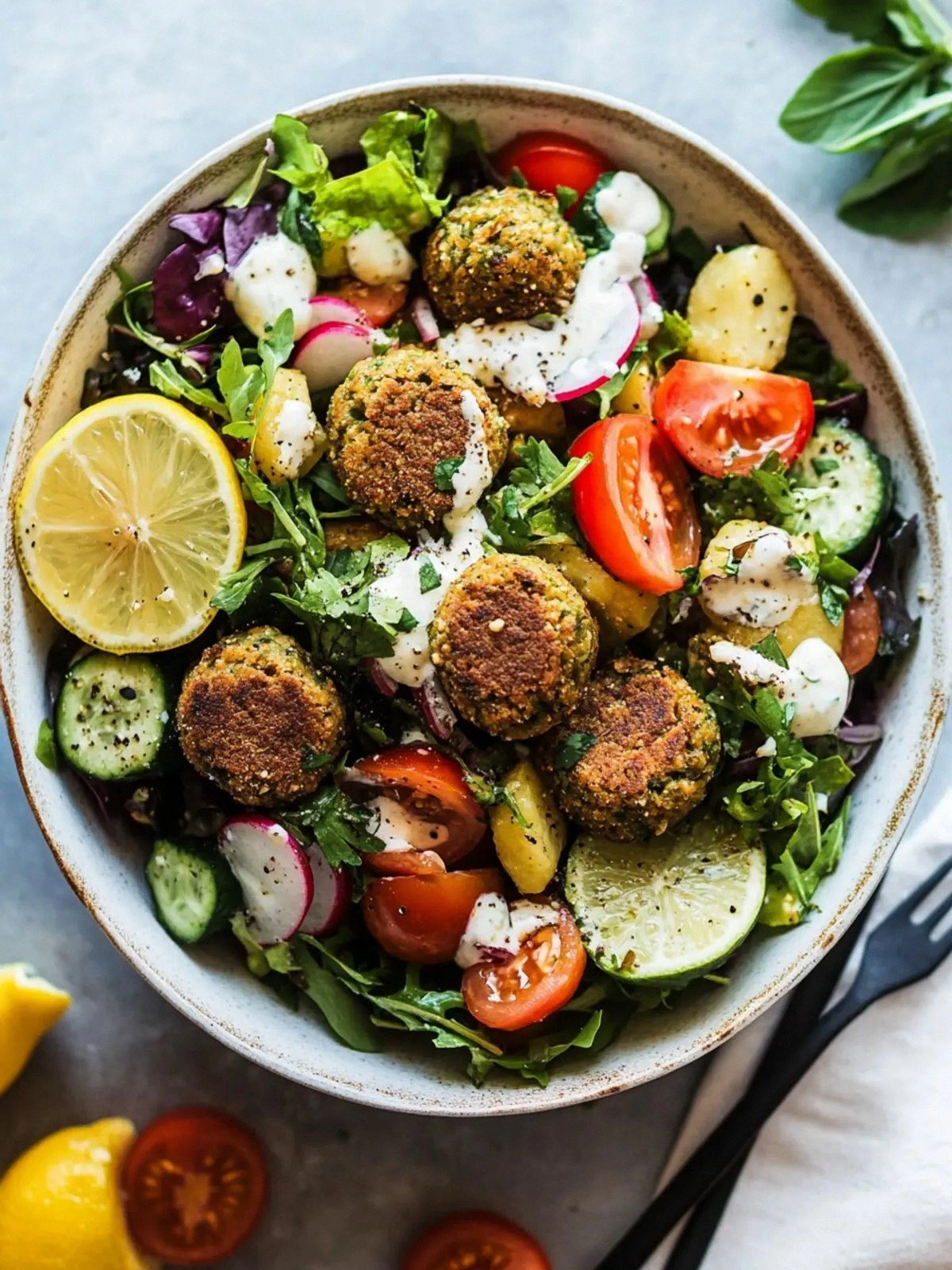
Picture the scene: a bright, sunlit kitchen, the air perfumed with fresh cilantro, mint, and the unmistakable aroma of garlic sizzling in olive oil. The sound of the pan crackling, the visual of golden falafel nuggets glistening with a crisp edge, and the feel of a cool, crisp lettuce bed under your fingertips. Every bite is a burst of citrus from lemon, a subtle heat from cumin, and a whisper of honey that lingers on the palate. The texture is a delightful contrast—soft, airy falafel, crunchy cucumber, juicy tomato, and the silky dressing that coats each leaf like velvet. It’s a symphony of flavors that feels both exotic and comforting.
What makes this version stand out is the deliberate layering of flavors and the meticulous attention to texture. The falafel batter is enriched with mint and scallions, giving it a fresh, herbaceous lift that traditional recipes often miss. The dressing isn’t just a simple vinaigrette; it’s a balanced blend of lemon, apple cider vinegar, honey, and spices that cuts through the richness of the fried chickpeas. The greens are not merely a backdrop but a vibrant, crunchy component that adds both nutrition and visual appeal. The result is a salad that feels like a full meal, not just a side dish.
I’m not going to sugarcoat it: this is hands down the best version you’ll ever make at home. The secret? A few micro-challenges that elevate the dish—like letting the falafel rest before frying so it becomes extra crispy, or whisking the dressing until it emulsifies like a fine mousse. If you’ve ever struggled with falafel that turns out too dry or a dressing that separates, you’re not alone—and I’ve got the fix. Picture yourself pulling this out of the oven, the whole kitchen smelling incredible, and knowing you’ve nailed the flavor profile. Let me walk you through every single step—by the end, you’ll wonder how you ever made it any other way.
What Makes This Version Stand Out
- Taste: The dressing balances tartness, sweetness, and a subtle spice kick, creating a flavor profile that lingers on the tongue. It’s the kind of dressing that makes every bite a revelation.
- Texture: The falafel is airy inside with a caramelized crust that cracks like thin ice, while the greens remain crisp and fresh. The contrast keeps the palate engaged.
- Simplicity: Only 14 ingredients, but each one is chosen to deliver maximum flavor. No fancy gadgets or obscure spices needed.
- Uniqueness: Mint and scallions in the falafel batter add a refreshing twist that sets this recipe apart from the usual cumin‑only version.
- Crowd Reaction: Friends who try it often ask for the recipe before the meal is even served. They’re surprised by how hearty it feels.
- Ingredient Quality: Fresh, high‑quality herbs and a good olive oil make the difference between a good salad and a great one.
- Cooking Method: A quick pan‑fry with a controlled heat ensures the falafel remains moist inside while achieving a golden exterior.
- Make‑Ahead Potential: The salad can be assembled the night before; just keep the dressing separate to preserve the crunch.
Alright, let’s break down exactly what goes into this masterpiece. I dare you to taste this and not go back for seconds.
Inside the Ingredient List
The Flavor Base
The 14 oz canned chickpeas are the star of the show; they provide a hearty, protein‑rich foundation. Drain and rinse them thoroughly to remove excess sodium, which can overpower the delicate herbs. If you prefer a thicker batter, let the chickpeas sit in a bowl of water for 10 minutes before mashing. Skipping the chickpeas would turn this into a salad, not a falafel salad, and you’d lose that satisfying bite.
The 2 scallions add a sharp, oniony note that cuts through the richness of the fried chickpeas. Slice them thinly to distribute their flavor evenly across the batter. If you’re allergic to scallions, green onions or even a splash of fresh lime can substitute without compromising the balance. Remember, scallions also contribute a subtle crunch when they’re not fully cooked.
1 cup of cilantro is folded into the falafel mixture, infusing it with a bright, citrusy aroma that lifts the entire dish. Fresh cilantro is essential; dried leaves will lose their potency and give a flat flavor. A pinch of dried cilantro can be added for extra depth, but don’t overdo it or it will dominate the other herbs.
The Texture Crew
The 1/2 cup mint brings a cool, refreshing undertone that balances the warmth of cumin and coriander. Mint also has a natural antibacterial property, which can help keep the falafel fresh longer. If mint is out of season, basil or parsley can be a suitable alternative, though the flavor profile will shift slightly.
2 cloves of garlic are minced finely and incorporated into the batter, giving the falafel a punch of savory depth. Garlic’s allicin compounds are released when crushed, which is why it’s best to mince it just before mixing. If you’re sensitive to raw garlic, lightly sauté it before adding to the batter to mellow its bite.
The 1 teaspoon kosher salt and 1 teaspoon cumin are foundational spices that provide depth and a subtle warmth. The salt balances the acidity of the lemon and the sweetness of honey, while cumin adds a smoky, earthy undertone. Skipping either will result in a bland, under‑seasoned batter.
The Unexpected Star
3 tablespoons of flour and 1 teaspoon of baking powder are the leavening agents that give the falafel its airy interior. Flour also helps bind the chickpeas together, preventing crumbling during frying. If you’re gluten‑free, replace the flour with chickpea flour or a gluten‑free blend, but adjust the amount to avoid a gritty texture.
4 tablespoons of olive oil are used for frying, which imparts a fruity, slightly peppery flavor that complements the herbs. The oil’s smoke point is high enough to achieve a crisp exterior without burning. A higher‑quality extra‑virgin olive oil will elevate the dish, but a standard olive oil will suffice if you’re on a budget.
The Final Flourish
The dressing is a symphony of 3 tablespoons freshly squeezed lemon juice, 3 tablespoons olive oil, 2 teaspoons apple cider vinegar, 1 teaspoon honey, 1 teaspoon cilantro, 1/2 teaspoon kosher salt, 1/8 teaspoon cumin, 1/8 teaspoon coriander, and freshly ground black pepper. Each component works in harmony: the lemon provides brightness, the vinegar adds depth, honey balances acidity, and the herbs tie everything together. If you prefer a sweeter dressing, increase the honey by a teaspoon; if you want more tang, add a splash more vinegar.
The mixed greens, cucumber, tomatoes, and red onion form the base of the salad, offering crunch, juiciness, and a fresh contrast to the fried falafel. Use 4 cups of mixed greens for a hearty serving, and 1.5 cups each of cucumber and tomatoes for a balanced color palette. If you’re craving a bit of heat, add a pinch of red pepper flakes to the dressing. The fresh, crisp vegetables keep the dish light and refreshing.
Everything’s prepped? Good. Let’s get into the real action.
The Method — Step by Step
- Begin by draining the chickpeas and placing them in a food processor. Add the scallions, cilantro, mint, garlic, salt, cumin, coriander, flour, and baking powder. Pulse until the mixture is coarse yet holds together when pressed. If it’s too dry, sprinkle a tablespoon of water or extra flour; if too wet, add a teaspoon of flour. The goal is a texture that can be shaped into small balls without falling apart.
- Shape the mixture into bite‑sized falafel balls, about the size of a walnut. Place them on a parchment‑lined tray and let them rest in the refrigerator for 15 minutes; this step firms them up and enhances crispness during frying.
- Heat 4 tablespoons of olive oil in a large skillet over medium‑high heat. Once hot, add the falafel balls, making sure not to overcrowd the pan. Fry for 3–4 minutes on each side, or until a golden brown crust forms and the interior is warm. The sizzle is a cue that the oil is at the right temperature; if it’s too hot, the exterior will burn before the inside cooks.
- While the falafel cooks, whisk together the dressing ingredients in a small bowl. Start with the lemon juice, then add the olive oil in a slow, steady stream while whisking vigorously. Once emulsified, stir in the apple cider vinegar, honey, cilantro, salt, cumin, coriander, and black pepper. Taste and adjust seasoning if needed.
- Prepare the salad bed: toss 4 cups of mixed greens with 1.5 cups diced cucumber, 1.5 cups halved cherry tomatoes, and 1/2 cup sliced red onion. Add a pinch of salt to season the vegetables lightly. The greens should remain crisp; avoid over‑tossing to prevent bruising.
- When the falafel are done, transfer them to a paper towel‑lined plate to drain excess oil. Let them rest for a minute so the exterior stays crisp. This is the moment of truth—watch the golden edges crackle as they cool.
- Assemble the salad by placing the greens at the base of a large bowl. Arrange the falafel on top, then drizzle the dressing evenly across the whole dish. The dressing should coat each leaf lightly, creating a glossy sheen.
- Serve immediately while the falafel remains hot and the greens are crisp. If you’re preparing ahead, keep the dressing separate and add it right before serving to preserve texture. This salad is best enjoyed fresh, but leftovers can be refreshed with a splash of lemon juice to revive the crunch.
That’s it—you did it. But hold on, I’ve got a few more tricks that will take this to another level.
Insider Tricks for Flawless Results
The Temperature Rule Nobody Follows
The pan should be hot enough that a drop of water sizzles instantly, but not so hot that the oil smokes. A quick test: sprinkle a pinch of flour into the oil; if it sizzles and disappears, the temperature is perfect. Too low, and the falafel will absorb oil, becoming greasy; too high, and they’ll burn on the outside before the inside cooks.
Why Your Nose Knows Best
When the falafel is frying, the aroma of toasted chickpeas and herbs will fill the kitchen. Trust that scent—it means the oil is at the right heat. If the smell is faint, increase the heat slightly. The smell is a reliable indicator that the exterior is crisping properly.
The 5‑Minute Rest That Changes Everything
Letting the falafel rest on a rack for 5 minutes after frying allows excess oil to drain, keeping the crust crisp. If you skip this step, the falafel will feel soggy and the greens will wilt when you add the dressing. I’ve seen friends skip it and end up with a salad that feels more like a soggy casserole.
The Secret to a Viscous Dressing
Whisk the dressing until it’s thick enough to coat a spoon. A thick dressing clings to the greens, ensuring each bite is flavorful. If your dressing separates, add a teaspoon of mustard or a splash of water and whisk vigorously to re‑emulsify.
Avoiding the Common Pitfall of Over‑Tossing
When tossing the salad, do it gently to preserve the crunch of the greens and the crispness of the falafel. A quick, light toss keeps the dressing evenly distributed without bruising the lettuce. I’ve watched a friend toss the salad so hard that the greens turned mushy—don’t let that happen.
Creative Twists and Variations
This recipe is a playground. Here are some of my favorite ways to switch things up:
Spicy Sriracha Falafel
Add 1 tablespoon of sriracha to the falafel batter for a kick that pairs well with the lemon dressing. The heat complements the fresh herbs and adds a smoky note. Serve with a dollop of Greek yogurt on top to balance the spice.
Mediterranean Grain Bowl
Swap the mixed greens for a base of cooked quinoa or farro. Top with the falafel, roasted vegetables, and a drizzle of tahini‑lemon dressing. This variation turns the salad into a hearty, protein‑dense meal.
Roasted Sweet Potato Falafel
Incorporate 1/2 cup of roasted sweet potato cubes into the falafel mixture for natural sweetness and extra texture. The sweet potato’s caramelized edges pair beautifully with the lemony dressing. It’s a great way to use up leftover roasted veggies.
Coconut‑Infused Falafel
Replace the olive oil in the batter with 2 tablespoons of coconut oil for a subtle tropical flavor. The coconut also adds a slightly sweet undertone that complements the mint. This version is perfect for a brunch spread.
Greek Yogurt Tzatziki Twist
Serve the falafel with a side of tzatziki made from Greek yogurt, cucumber, garlic, and dill. The creamy sauce adds a cool contrast to the hot falafel and bright dressing. It’s a crowd‑pleaser at family gatherings.
Asian‑Inspired Sesame Dressing
Swap the lemon dressing for a sesame‑ginger vinaigrette. Use 2 tablespoons sesame oil, 1 tablespoon rice vinegar, 1 teaspoon honey, and a splash of soy sauce. The sesame flavor pairs wonderfully with the falafel’s herbs.
Storing and Bringing It Back to Life
Fridge Storage
Store the falafel in an airtight container in the refrigerator for up to 3 days. Keep the dressing separate to maintain the greens’ crunch. Reheat the falafel in a skillet for 2 minutes on each side to restore crispness.
Freezer Friendly
Freeze the falafel in a single layer on a parchment paper sheet; once frozen, transfer to a freezer bag. They keep well for up to 2 months. Reheat in a skillet or microwave, then finish with a fresh dressing.
Best Reheating Method
To reheat the salad, add a splash of water to the pan and cover for 30 seconds; this steams the falafel back to perfection. The water prevents the falafel from drying out while preserving the crispy exterior. Finish with a quick drizzle of dressing to restore freshness.