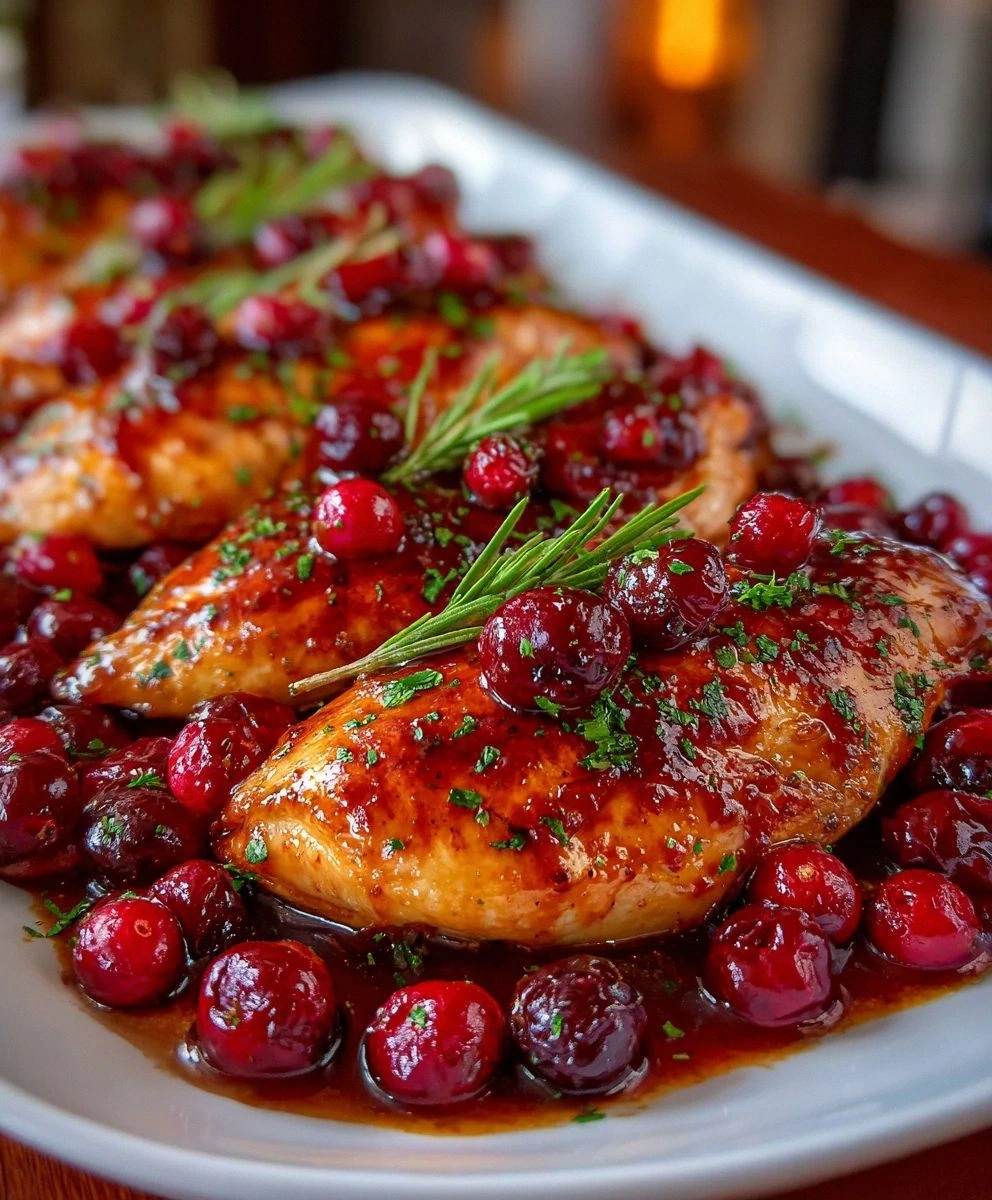
Picture this: it’s a rainy Saturday evening, I’m staring at a half‑cooked chicken breast that’s stubbornly refusing to brown, and the kitchen smells like a burnt toast disaster. I swear I almost called in a professional chef for a rescue mission. Then I remembered the maple‑dijon sauce I’d whipped up a week ago for a quick lunch, and the idea hit me like a lightning bolt: why not turn that humble sauce into a bowl‑style masterpiece that screams comfort and wow?
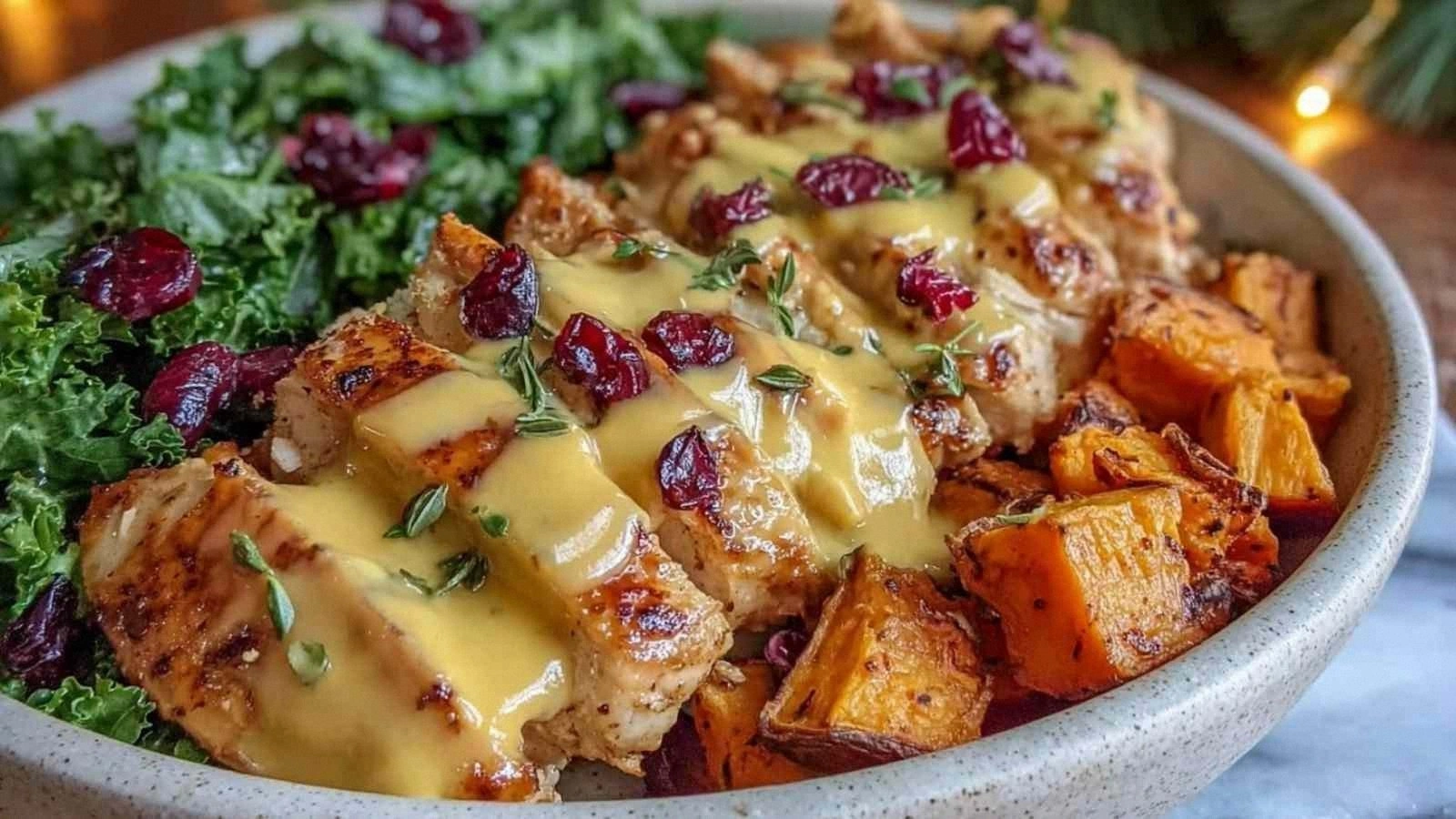
The moment the pan sizzles, the air fills with a sweet, tangy aroma that feels like a hug from the inside. The glossy glaze coats the chicken like velvet, while the caramelized edges crackle like thin ice breaking under pressure. Each bite is a dance of sweet maple, sharp mustard, and a subtle hint of apple cider vinegar that cuts through the richness of the chicken. The crunch of roasted sweet potatoes and the gentle steam of broccoli add layers of texture that keep the palate intrigued.
What makes this version a game‑changer is not just the flavor combination but the precision of technique: a quick sear, a slow glaze, and a strategic rest that locks in juices. I dare you to taste this and not go back for seconds because the harmony of sweet, savory, and a touch of acidity is impossible to resist. Most recipes get this completely wrong by over‑cooking the veggies or under‑seasoning the protein. Here, every element is calibrated to shine.
And if you’re wondering why this bowl feels like a gourmet dish but can be whipped up in under an hour, let me walk you through every single step. By the end, you’ll wonder how you ever made it any other way.
What Makes This Version Stand Out
- Taste: The maple‑dijon glaze delivers a balanced sweetness that pairs beautifully with the savory chicken, creating a flavor profile that feels both indulgent and comforting. The mustard adds a bright, peppery bite that cuts through the richness, while the apple cider vinegar provides a subtle tang that lifts the overall dish.
- Texture: The chicken’s exterior crisps into a caramelized crust, while the interior stays moist and tender. Sweet potatoes are roasted until tender on the inside with a caramelized, slightly crunchy exterior. Broccoli florets retain a gentle snap that complements the softness of the other components.
- Ingredient Quality: Using fresh, high‑quality ingredients—such as a good‑grade Dijon mustard and pure maple syrup—ensures each element shines without any artificial flavorings. The fresh parsley garnish adds a bright, herbaceous finish that balances the sweetness.
- Simplicity: With fewer than ten ingredients and a streamlined cooking process, this bowl is perfect for a busy weeknight or a relaxed weekend meal. The recipe’s structure eliminates the need for multiple pans or complicated steps.
- Crowd Reaction: Friends who’ve tried the original version rave about how this bowl feels like a complete meal on its own. The combination of sweet, savory, and slightly acidic notes creates an unforgettable taste that keeps guests asking for seconds.
- Make‑Ahead Potential: The glaze can be pre‑made and stored for up to a week, and the roasted veggies hold up well when reheated. This makes it an excellent option for meal prep or for hosting a small gathering.
- Versatility: The bowl can be customized with different proteins or grains, turning it into a vegetarian or vegan-friendly dish if you swap the chicken for tofu or tempeh.
Inside the Ingredient List
The Flavor Base
At the heart of this dish lies the maple‑dijon glaze, a marriage of pure maple syrup and Dijon mustard that creates a glossy, caramelized coating. The maple syrup not only sweetens the sauce but also provides a natural sheen that makes the chicken look restaurant‑grade. Dijon mustard, with its bright, peppery bite, cuts through the richness of the chicken, preventing the dish from feeling cloying. If you prefer a milder flavor, you can replace half the maple syrup with honey or agave syrup, but be aware the glaze will lose some of its signature depth.
Apple cider vinegar is the secret weapon that adds acidity and brightens the overall profile. It balances the sweetness of the maple and the sharpness of the mustard, creating a harmonious flavor spectrum. A drop of vinegar can also help tenderize the chicken by breaking down proteins, making each bite more succulent. If you’re allergic to vinegar, a splash of lemon juice can provide a similar acidic lift.
The Protein Powerhouse
Boneless skinless chicken breasts are the star of the show, chosen for their lean protein content and ability to absorb marinades. A 1‑lb portion yields four hearty servings, ensuring that each bowl is satisfying without being overly large. When searing the chicken, aim for a golden brown crust; this caramelization adds a subtle nutty flavor that complements the sweet glaze. If you prefer a different protein, consider using sliced turkey breast or even a firm tofu block for a vegetarian twist.
To keep the chicken juicy, let it rest for five minutes after cooking. This allows the juices to redistribute, preventing them from spilling out when you slice into the meat. A quick rest also helps the glaze set into the chicken’s surface, creating a silky coating that clings to every bite. If you’re in a hurry, a 2‑minute rest is still effective, but the longer you wait, the better the texture.
The Texture Crew
Sweet potatoes bring both natural sweetness and a comforting, starchy texture that pairs beautifully with the savory glaze. Cutting them into bite‑sized cubes ensures even roasting and a pleasant chew. Roasting at 400°F for about 25 minutes, turning halfway, yields caramelized edges while maintaining a tender interior. For a smoky twist, sprinkle a pinch of smoked paprika before roasting.
Broccoli florets add a vibrant green pop and a mild, slightly bitter contrast that balances the dish’s sweetness. Lightly steaming or roasting the broccoli preserves its bright color and crispness. If you prefer a softer texture, steam the florets for 3–4 minutes until just tender; this keeps them from becoming mushy when mixed with the other components.
The Unexpected Star
Dried cranberries inject a burst of tart sweetness that cuts through the richness of the chicken and sweet potatoes. Their chewy texture adds a playful element that makes each bite more interesting. If you’re not a fan of cranberries, raisins or dried cherries are excellent substitutes that maintain the sweet‑tart dynamic.
Fresh parsley serves as the final flourish, adding a bright, herbaceous note that lifts the entire bowl. The green leaves also provide a pop of color that makes the dish visually appealing. Chop the parsley finely so it distributes evenly across the bowl, ensuring every spoonful has that fresh finish.
Everything’s prepped? Good. Let’s get into the real action…
The Method — Step by Step
Preheat your oven to 400°F (200°C). While the oven heats, pat the chicken breasts dry with paper towels. Drying the surface ensures a crispier sear and prevents steaming during the initial cooking phase.
In a small bowl, whisk together 5 tbsp pure maple syrup, 4 tbsp Dijon mustard, 2 tbsp apple cider vinegar, 0.5 tsp garlic powder, and a pinch of salt and pepper. This glaze will coat the chicken and the veggies, creating a unified flavor profile. Taste the mixture and adjust seasoning if needed.
Heat 3 tbsp olive oil in a large skillet over medium‑high heat. Once the oil shimmers, add the chicken breasts. Sear each side for 3–4 minutes until a golden brown crust forms. Flip the chicken only once to ensure even caramelization.
While the chicken sears, toss the diced sweet potatoes and broccoli florets in 1 tbsp olive oil, a pinch of salt, and a splash of apple cider vinegar. Spread the veggies on a baking sheet in a single layer to promote even roasting. Place the sheet in the preheated oven.
After 5 minutes of searing, brush the glaze over the chicken, coating it generously. The glaze will begin to caramelize, forming a glossy, slightly sticky coating. This step is crucial for developing the dish’s signature sweet‑savory balance.
Transfer the chicken to the oven alongside the roasted veggies. Bake for 12–15 minutes, or until the chicken reaches an internal temperature of 165°F (74°C). The glaze should have thickened into a syrupy coating that clings to the meat.
Meanwhile, stir the cranberries into the roasting pan to allow them to soften slightly, adding a chewy texture and bright color to the dish. This simple addition transforms the bowl from ordinary to extraordinary.
Remove the chicken and veggies from the oven. Let the chicken rest for 5 minutes to lock in juices. While it rests, sprinkle chopped parsley over the roasted veggies to introduce a fresh, herbal aroma.
Slice the rested chicken into bite‑sized strips. Arrange the chicken, sweet potatoes, broccoli, cranberries, and parsley in a bowl, pouring any remaining glaze from the skillet over the top. The glaze will coat the entire bowl, creating a cohesive, glossy finish.
Serve immediately, and watch as the bowl melts together in a symphony of flavors. The sweet maple, tangy mustard, and savory chicken create a harmonious balance that’s impossible to ignore.
That’s it — you did it. But hold on, I've got a few more tricks that'll take this to another level.
Insider Tricks for Flawless Results
The Temperature Rule Nobody Follows
Many cooks think a low oven temperature will keep the chicken tender, but the truth is a high heat (400°F) is essential for a caramelized crust. The Maillard reaction, which creates that savory brown color, only occurs at temperatures above 300°F. By roasting the veggies at the same high temperature, you ensure they develop a crisp exterior while remaining tender inside. A quick flip halfway through also guarantees even roasting.
Why Your Nose Knows Best
Before you even taste the dish, the aroma alone can tell you if everything is on track. A sweet, caramelized scent signals the maple glaze is properly cooked; a sharp, mustardy smell indicates the glaze has not burnt. If the smell feels flat, you’re likely under‑seasoning or under‑cooking the chicken.
The 5‑Minute Rest That Changes Everything
Resting the chicken is not just a courtesy; it’s a science. During this brief pause, the muscle fibers relax and redistribute juices, making the meat moist. Skipping the rest can result in a dry, stringy texture that ruins the mouthfeel. Even a 2‑minute rest is beneficial, but 5 minutes is the sweet spot for optimal juiciness.
Stir the Sauce While It Simmer
When you brush the glaze onto the chicken, let it sit for 30 seconds before adding it to the skillet. This allows the sugars to caramelize slightly, creating a thicker coating. Stirring the sauce gently during the final minutes of cooking helps prevent it from sticking to the pan and forming uneven lumps.
Use a Silicone Baking Mat
A silicone mat keeps the veggies from sticking to the pan, making cleanup a breeze and ensuring even roasting. It also helps maintain consistent heat distribution, which is key for achieving that perfect caramelized edge on the sweet potatoes.
Keep the Broccoli Lightly Seared
Instead of fully roasting the broccoli, lightly sear it in the skillet for 2 minutes before adding the glaze. This quick sear adds a subtle smoky flavor and a slight crunch that contrasts nicely with the softer sweet potatoes.
Creative Twists and Variations
This recipe is a playground. Here are some of my favorite ways to switch things up:
Grilled Chicken Version
Swap the skillet sear for a grill session. Grill the chicken for 6 minutes on each side until char marks appear, then finish in the oven with the glaze. The smoky char adds depth, making the bowl feel like a summer barbecue.
Vegan Twist
Replace chicken with thick slices of tofu or tempeh. Marinate the protein in the maple‑dijon glaze for 15 minutes before pan‑searing. The tofu will absorb the sweet‑savory sauce, offering a plant‑based protein alternative.
Quinoa Base
Serve the bowl over fluffy quinoa instead of plain rice. The nutty flavor of quinoa complements the maple glaze, while the protein content boosts the dish’s nutritional profile.
Spicy Maple Dijon
Add a pinch of cayenne pepper or a splash of sriracha to the glaze. The heat balances the sweetness and creates an exciting flavor contrast that excites the palate.
Gluten‑Free Option
Omit the breadcrumbs (if you use them in a variation) and serve the bowl over cauliflower rice. The low‑carb base keeps the dish gluten‑free without sacrificing texture.
Breakfast Bowl
Use scrambled eggs or a fried egg on top of the bowl for a hearty breakfast. The runny yolk adds richness, while the maple‑dijon glaze pairs wonderfully with the eggs’ savory flavor.
Herb‑Infused Variation
Stir chopped basil or cilantro into the glaze before brushing it on the chicken. The fresh herbs provide an aromatic lift that brightens the dish’s overall flavor.
Roasted Garlic Addition
Roast a head of garlic alongside the sweet potatoes. The caramelized garlic adds a deep, sweet undertone that enhances the maple glaze’s complexity.
Storing and Bringing It Back to Life
Fridge Storage
Store leftovers in an airtight container for up to 4 days. Keep the glaze separate from the chicken to prevent the meat from becoming soggy. When ready to eat, reheat gently on the stovetop or in the microwave, stirring occasionally.
Freezer Friendly
Freeze the bowl components separately for up to 2 months. Reheat the chicken in a skillet with a splash of water to keep it moist, while the veggies can be steamed or microwaved. The glaze can be reheated in a small saucepan with a pinch of water to restore its silky texture.
Best Reheating Method
To revive the crispness of the roasted sweet potatoes and broccoli, reheat in a preheated oven at 350°F for 10 minutes. Add a tiny splash of water before reheating to create steam, which helps the veggies stay tender and prevents drying out.